
A View Of Morspoort, Leiden — History & Facts
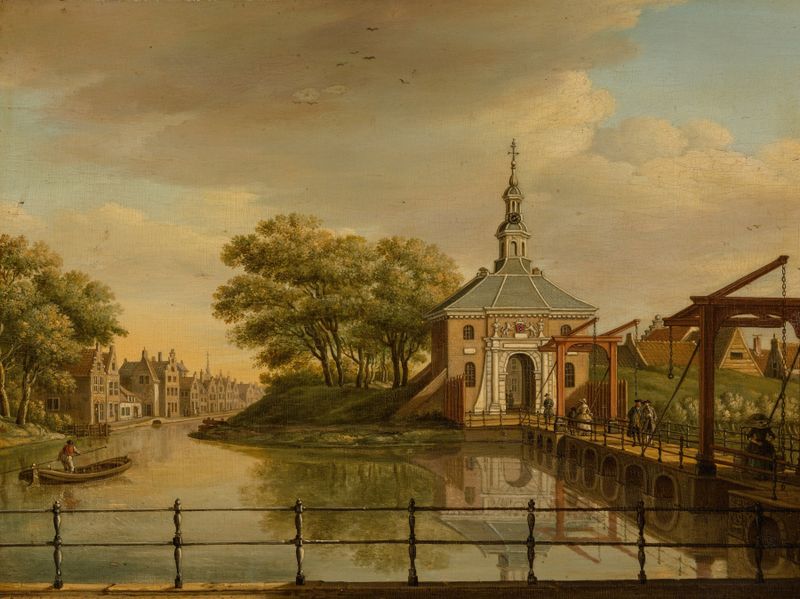
It’s within dreams that we wander through landscapes of the past, where moments freeze and transform into vivid memories held by time. To begin your exploration, focus on the left side of A View Of Morspoort, Leiden, where the intricate architecture of the gate emerges, commanding attention. The detailed brickwork, rendered in warm earth tones, showcases the artist's meticulous technique. Observe how the soft interplay of light and shadow enlivens the scene, casting delicate highlights on the surface while allowing the recesses to linger in gentle darkness.
This creates a visual illusion of depth, pulling you deeper into a moment captured in time. Amidst the bustling activity portrayed, one can sense the coexistence of tranquility and motion. The figures meandering along the pathway embody a subtle tension, reflecting life in motion set against the steadfastness of the ancient structure. The gentle ripples across the water’s surface suggest an undercurrent of reflection—both literal and metaphorical—inviting the viewer to contemplate what was, what is, and what might have been.
Each detail, from the fluttering sailboats to the expressions of the passersby, unfolds a narrative about community and solitude. In 1669, while painting this scene, the artist found himself anchored in Leiden, a city bustling with the vibrancy of the Dutch Golden Age. Emerging from a period of growth in the arts, la Fargue was influenced by the burgeoning appreciation for landscape painting, capturing not only the physical beauty of his surroundings but also embedding his reflections of a rapidly changing world into the canvas.
More Artworks by Paulus Constantijn la Fargue
Browse all →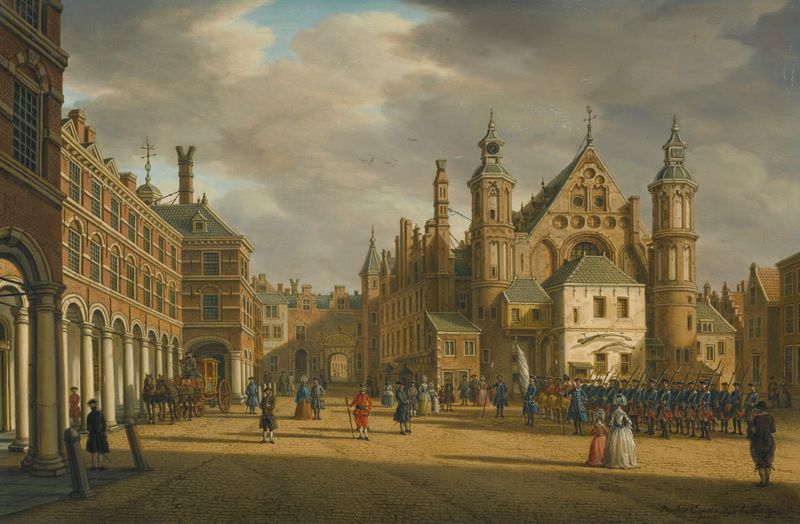
The Hague, A View Of The Binnenhof Looking North With The Ridderzaal
Paulus Constantijn la Fargue
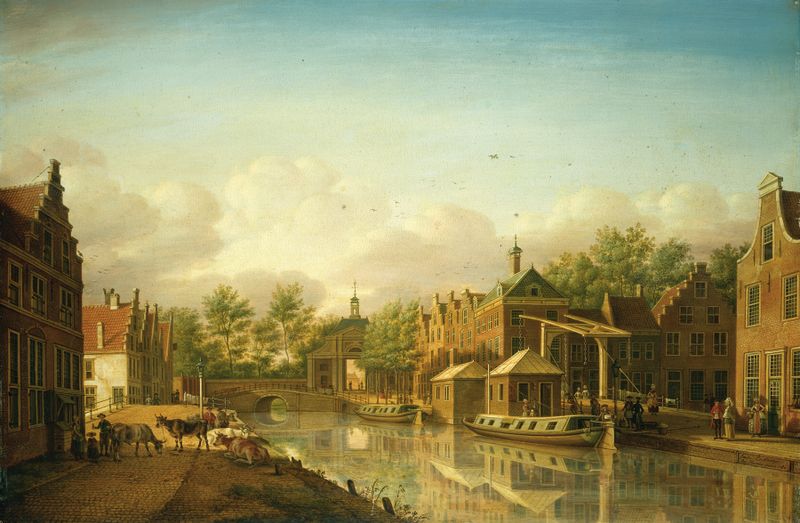
The Haarlem Gate in Leyden as Seen From the City
Paulus Constantijn la Fargue

A View Of Marepoort, Leiden
Paulus Constantijn la Fargue
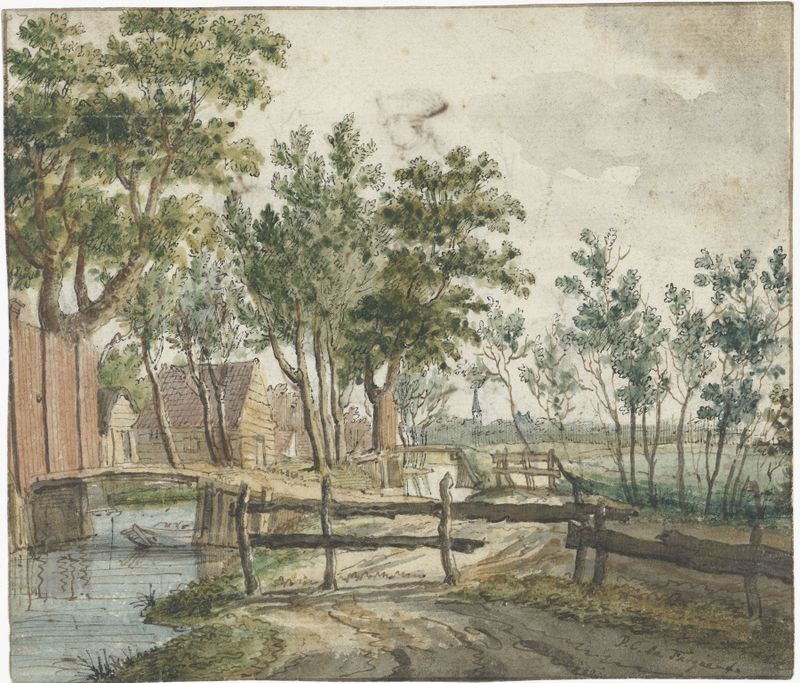
Landelijk vaart bij Voorburg
Paulus Constantijn la Fargue
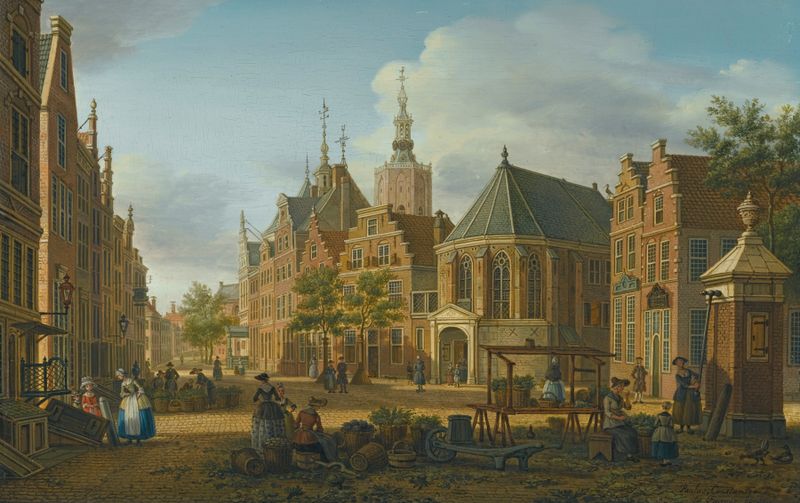
The Hague, A View Of The Groenmarkt Near The Westeinde Looking West
Paulus Constantijn la Fargue
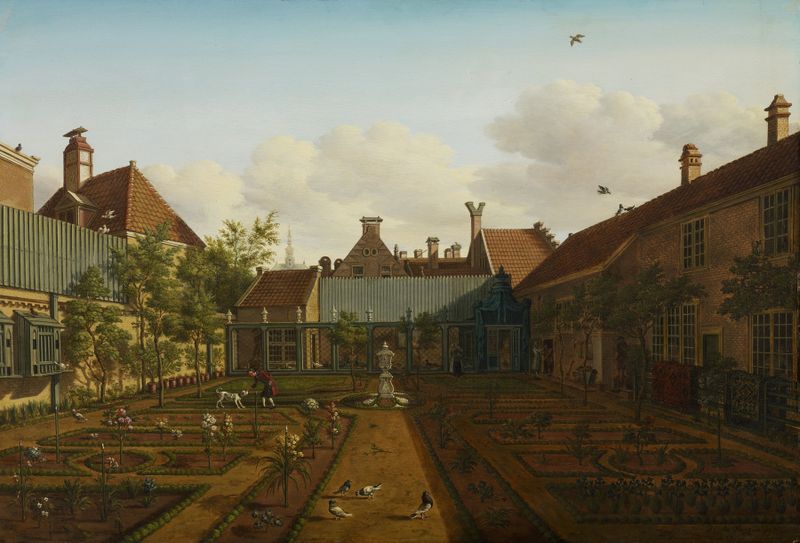
View of a Town House Garden in The Hague
Paulus Constantijn la Fargue
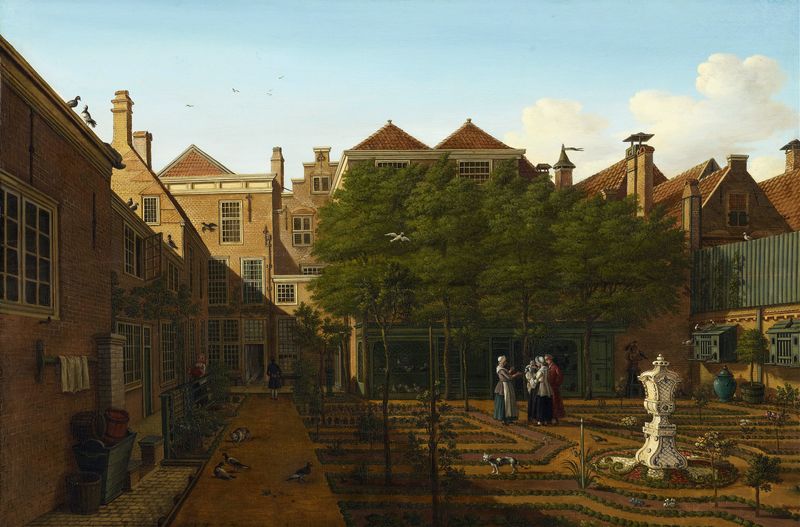
View of a Town House Garden in The Hague
Paulus Constantijn la Fargue
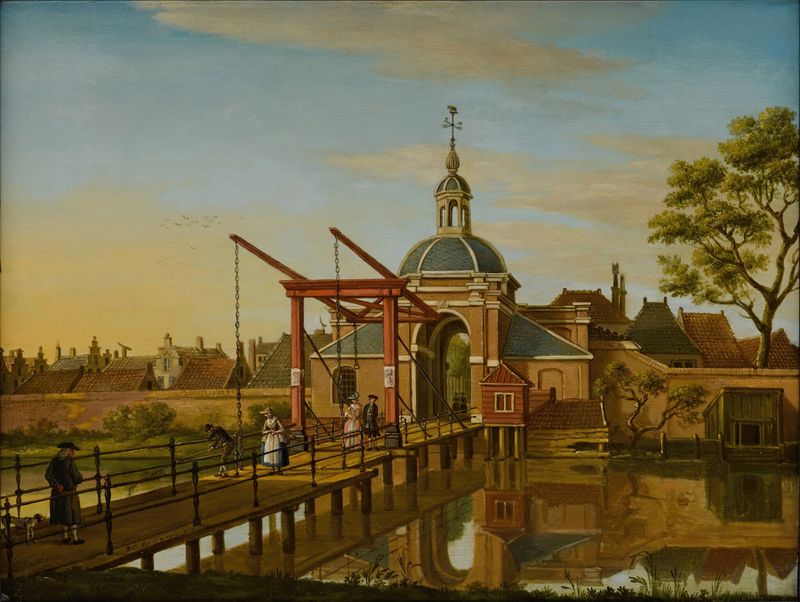
Leiden, a view of Koepoort, seen from the road to Zoeterwoude
Paulus Constantijn la Fargue
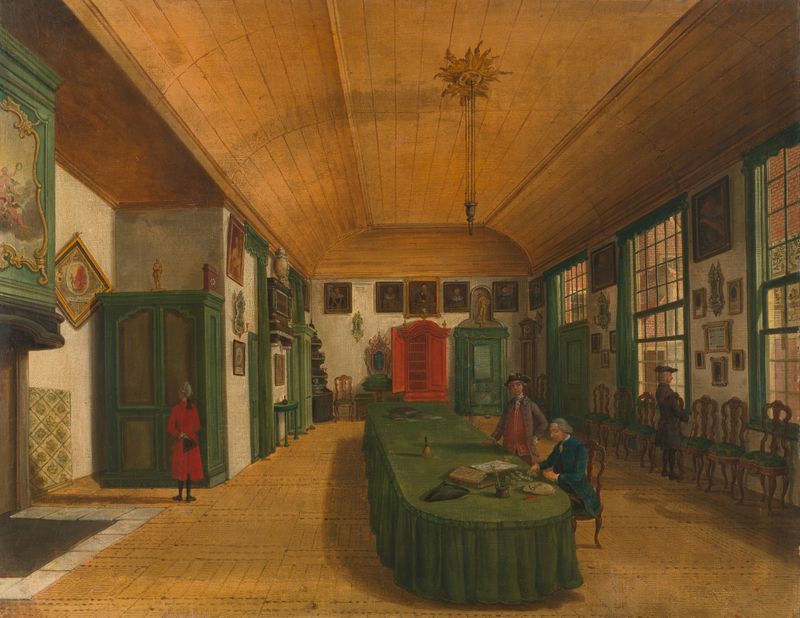
The Hall of the Artistic Society 'Kunst wordt door Arbeid verkregen' (Art is Acquired through Labor) in Leiden
Paulus Constantijn la Fargue
View of the Zijlpoort, Leiden
Paulus Constantijn la Fargue
More Architecture Art
Browse all →
The statue of Liberty
Frédéric Auguste Bartholdi

View of Houses in Delft, Known as ‘The Little Street’
Johannes Vermeer

View of Houses in Delft, Known as ‘The Little Street’
Johannes Vermeer

The Cathedral in Rouen. The portal, Grey Weather
Claude Monet

The yellow house
Vincent van Gogh

The Church in Auvers-sur-Oise, View from the Chevet
Vincent van Gogh