View of a Town House Garden in The Hague — History & Facts
In the gentle embrace of early evening, the garden reveals its secrets. Soft sunlight filters through the leaves, casting dappled shadows on the manicured lawn, where a solitary figure kneels, tending to vibrant blossoms. The air is still, yet heavy with an unspoken ache, as if the garden itself mourns a loss, echoing the silence of the heart. Look to the left at the meticulously arranged flowerbeds, vibrant with hues of crimson and gold, each petal a testament to life amidst sorrow.
Notice the delicate brushwork that brings the lush greenery to life, while the soft pastels of the sky create an ethereal backdrop. The artist employs a harmonious composition, inviting the viewer to wander through this serene space, yet the stillness hints at an underlying tension woven into the scene. The deeper significance of this work lies in the juxtaposition of beauty and grief. Each flower, in its blooming splendor, stands in stark contrast to the solitude of the figure.
This tension suggests that even in moments of joy, loss lingers like a shadow, reminding one of what has been left behind. The garden becomes a sanctuary, a place where emotions intertwine, and the beauty of nature meets the heartache of existence. In 1775, during a time of shifting artistic ideals and burgeoning styles, the artist created this piece in The Hague. As he navigated his own personal challenges and the evolving landscape of Dutch art, he captured the fleeting essence of life and loss in this idyllic setting.
This work reflects not only his artistic prowess but also the broader human experience of grief amidst the beauty that surrounds us.
More Artworks by Paulus Constantijn la Fargue
Browse all →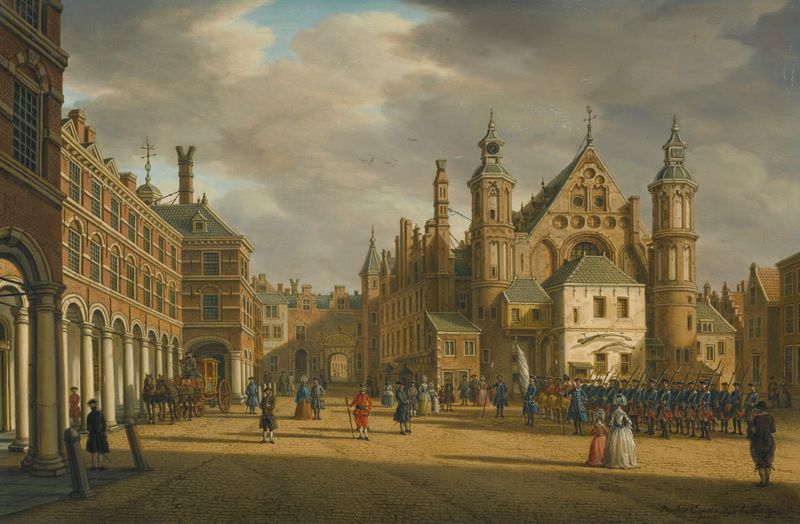
The Hague, A View Of The Binnenhof Looking North With The Ridderzaal
Paulus Constantijn la Fargue
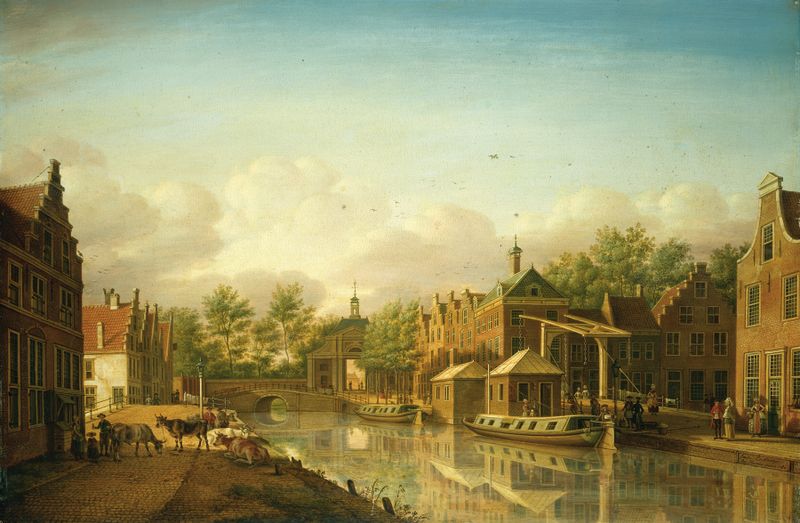
The Haarlem Gate in Leyden as Seen From the City
Paulus Constantijn la Fargue

A View Of Marepoort, Leiden
Paulus Constantijn la Fargue
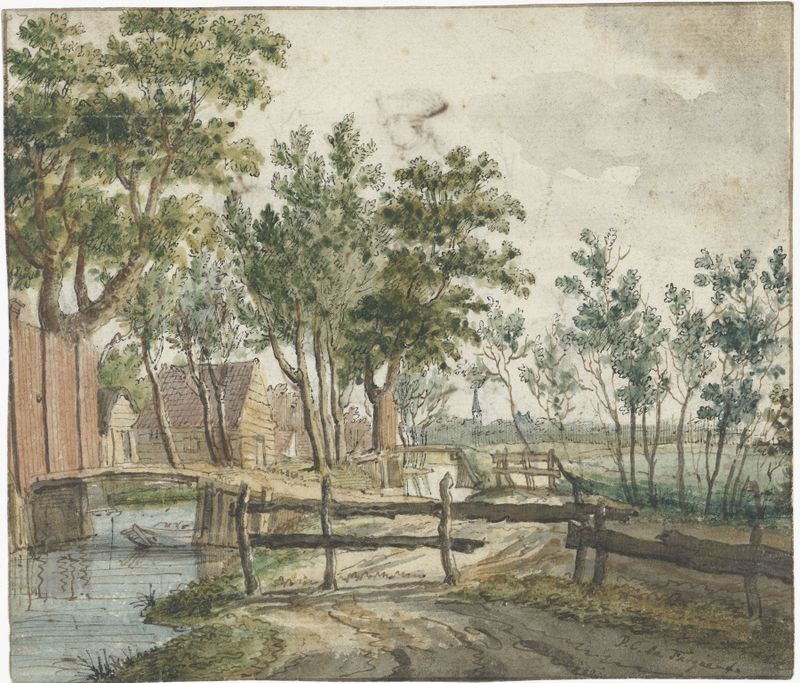
Landelijk vaart bij Voorburg
Paulus Constantijn la Fargue
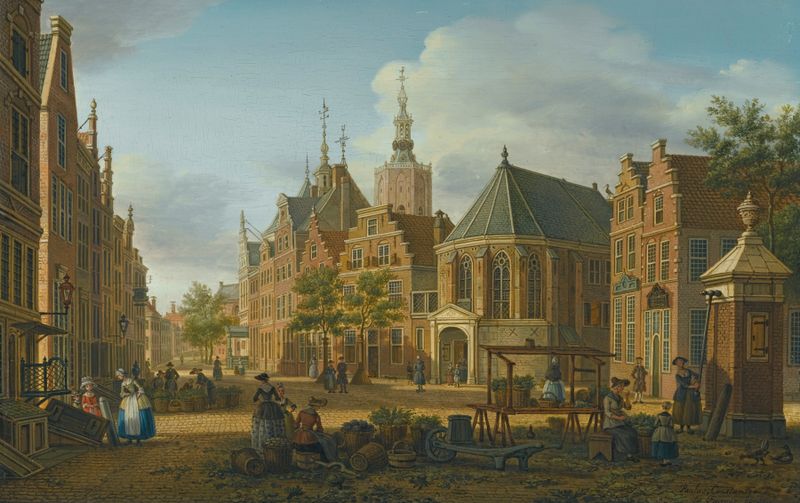
The Hague, A View Of The Groenmarkt Near The Westeinde Looking West
Paulus Constantijn la Fargue
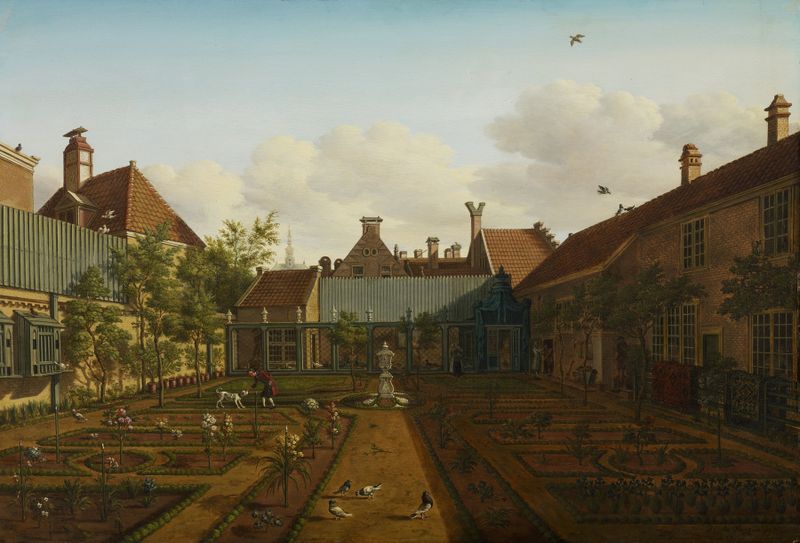
View of a Town House Garden in The Hague
Paulus Constantijn la Fargue
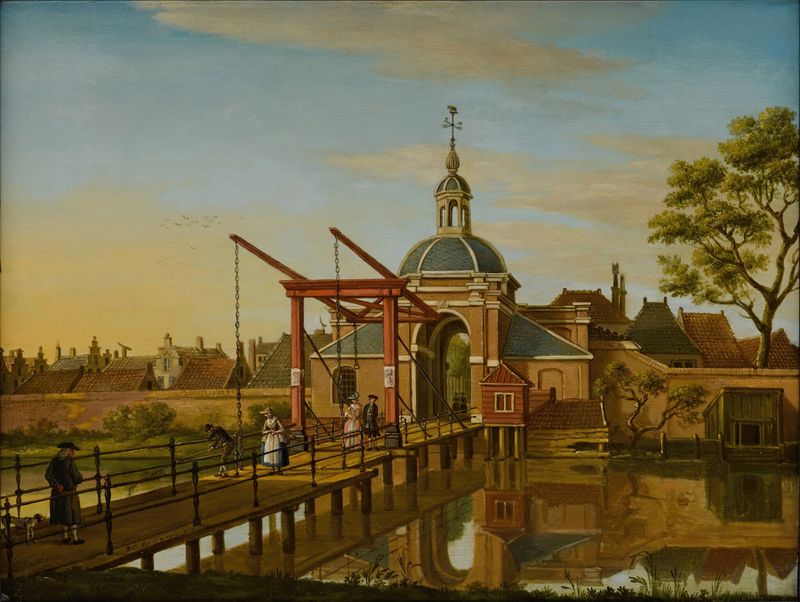
Leiden, a view of Koepoort, seen from the road to Zoeterwoude
Paulus Constantijn la Fargue
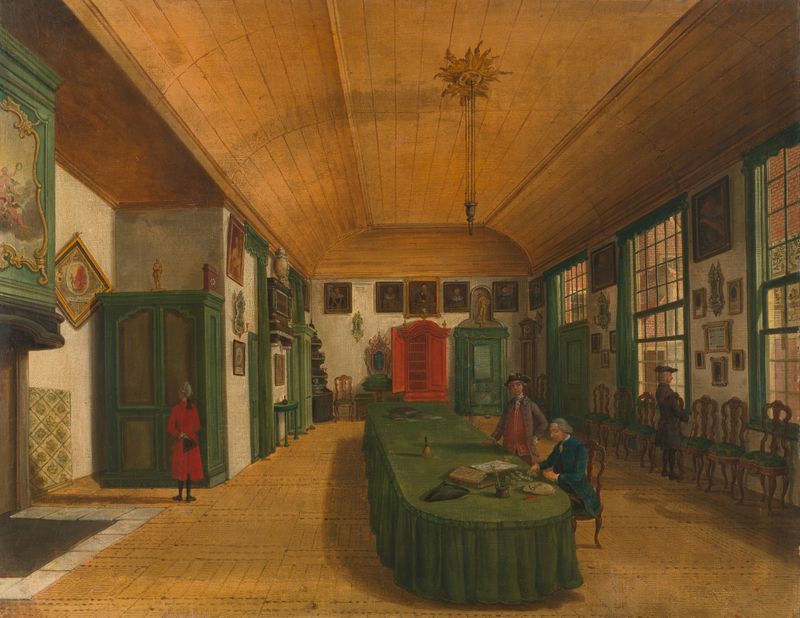
The Hall of the Artistic Society 'Kunst wordt door Arbeid verkregen' (Art is Acquired through Labor) in Leiden
Paulus Constantijn la Fargue
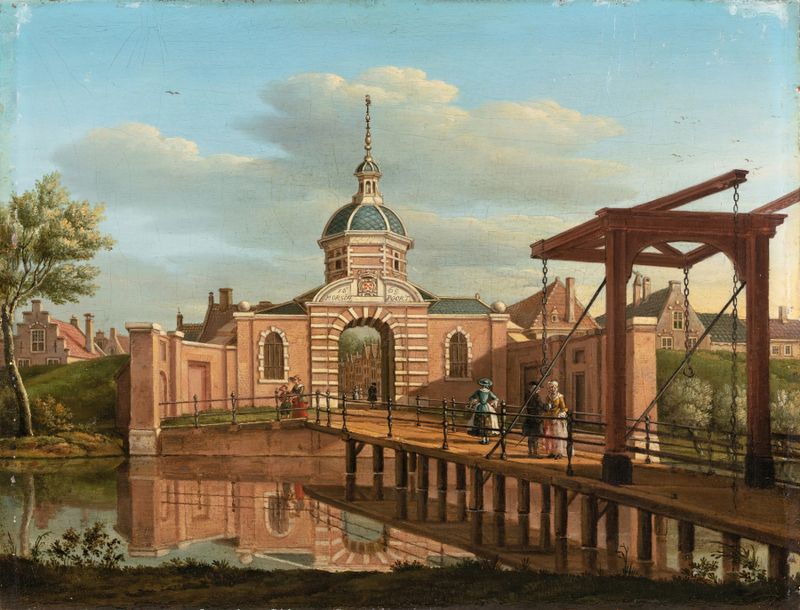
A View Of Morspoort, Leiden
Paulus Constantijn la Fargue
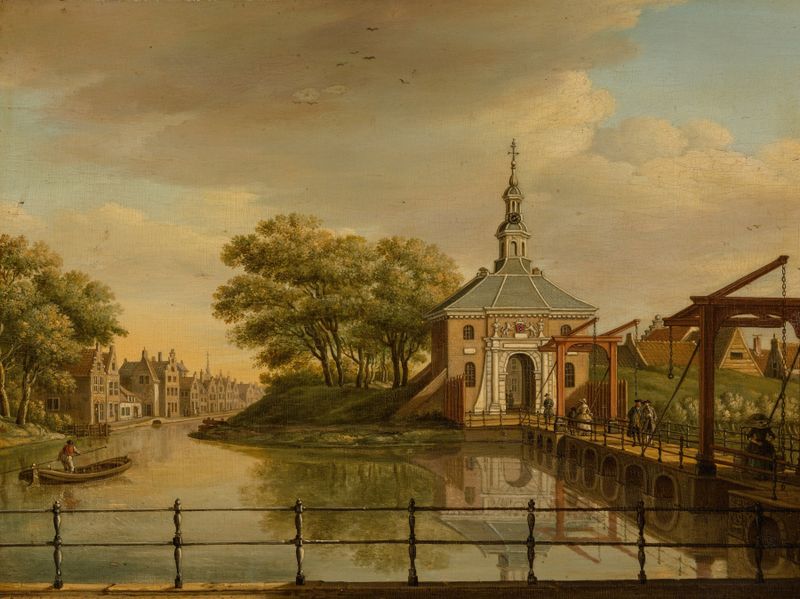
View of the Zijlpoort, Leiden
Paulus Constantijn la Fargue