
A view of Spitz in the Wachau valley — History & Facts
When did color learn to lie? The interplay of hues often conceals truths beneath its vibrant surface, whispering stories of time and memory. Look closely at the sweeping landscape; your gaze should first settle on the soft blue of the sky, inviting and expansive, which starkly contrasts with the earthy greens of the valley below. Notice how the delicate strokes of Lach’s brush create a shimmering effect on the river, capturing the light as it meanders through the verdant Wachau. The composition is thoughtfully balanced, with the quaint village nestled against the backdrop of rolling hills, evoking a sense of harmony between nature and human presence. Delve deeper into the subtle details: the shadowy outlines of the mountains carry a sense of timelessness, while the patches of sunlight on the water suggest transient moments that come and go.
The carefully chosen palette speaks to the duality of the scene; tranquility is interspersed with the lurking tension of time's relentless passage. Each color seems to embody distinct emotions—what looks idyllic on the surface might harbor the weight of history and change beneath. Fritz Lach painted this piece in 1913 during a period of burgeoning modernity in Europe. Living in Vienna, he found inspiration in both the beauty of his homeland and the shifting artistic currents around him.
The early 20th century was marked by experimentation and a search for new expressions, making his work a vivid reflection of a world on the brink of transformation.
More Artworks by Fritz Lach
Browse all →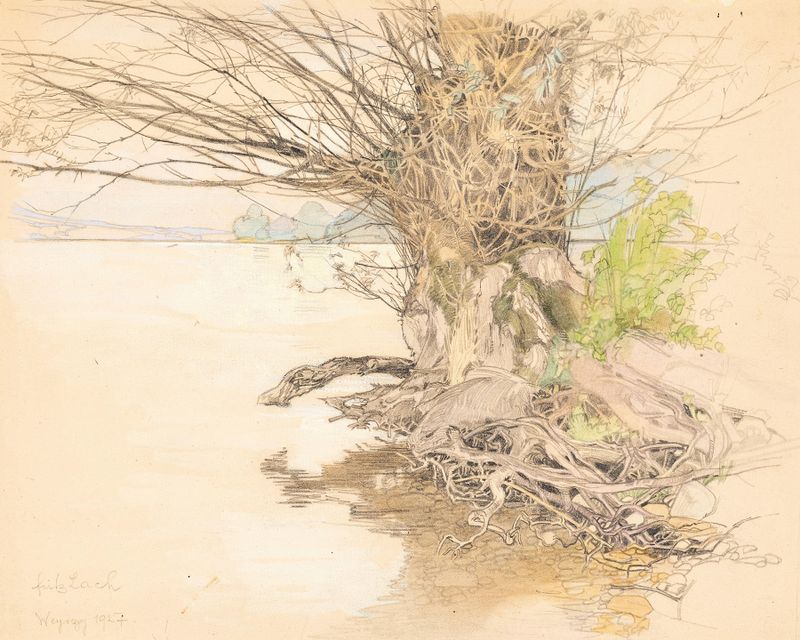
A willow tree at the lake shore
Fritz Lach
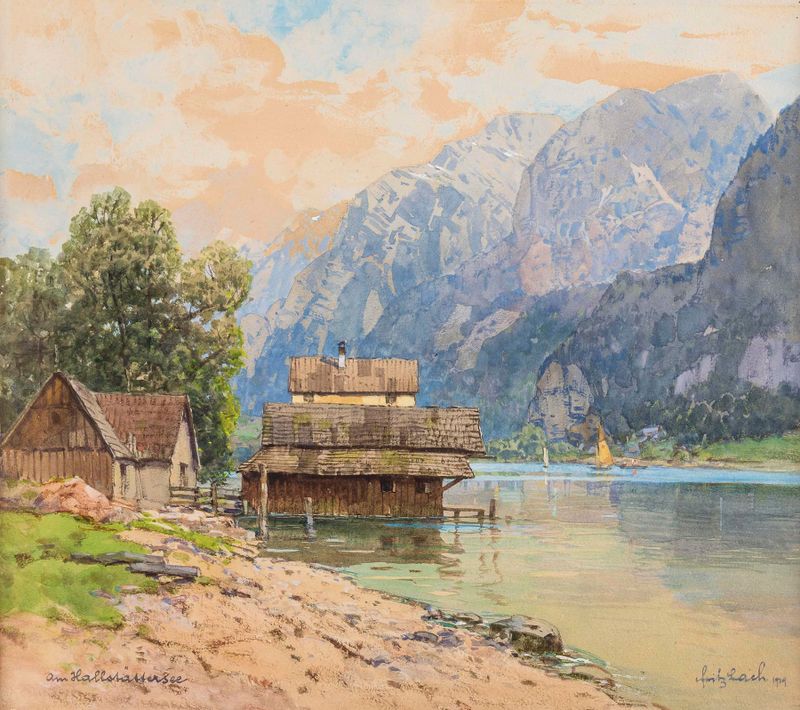
Bootshäuser am Hallstätter See
Fritz Lach
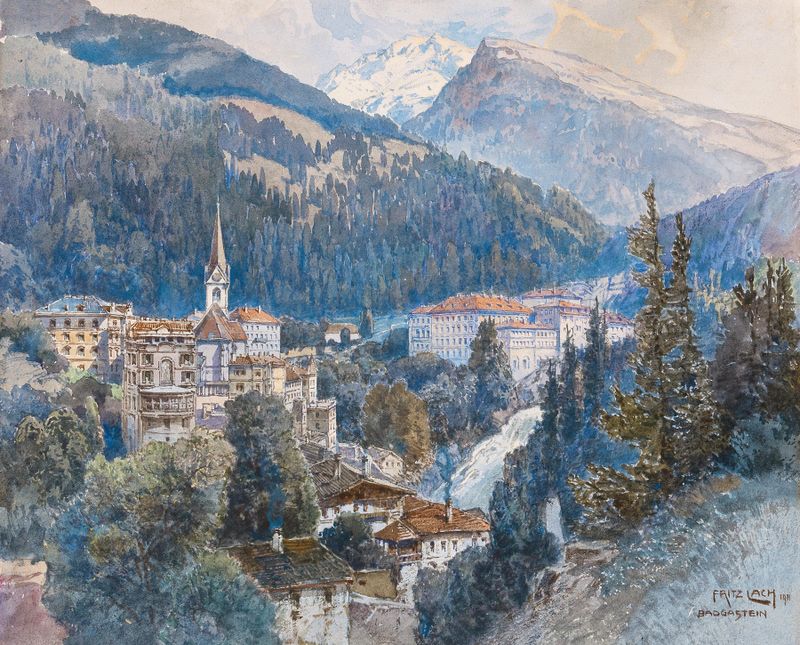
A view of Bad Gastein and the waterfall
Fritz Lach
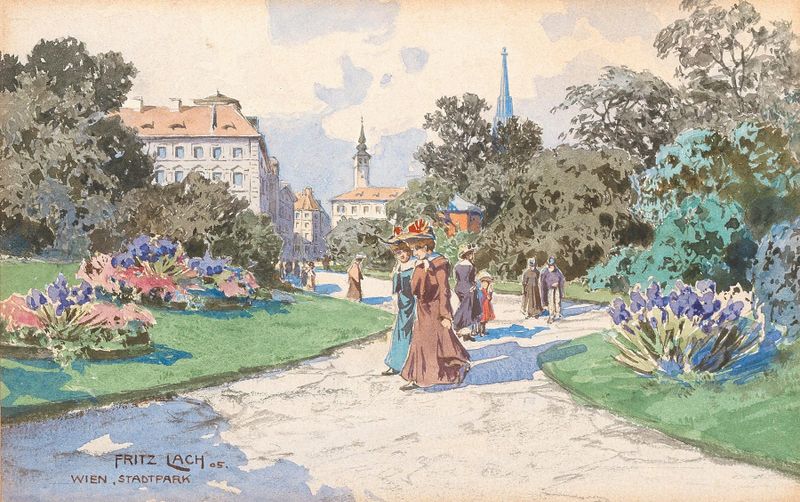
A walk in Vienna’s Stadtpark
Fritz Lach
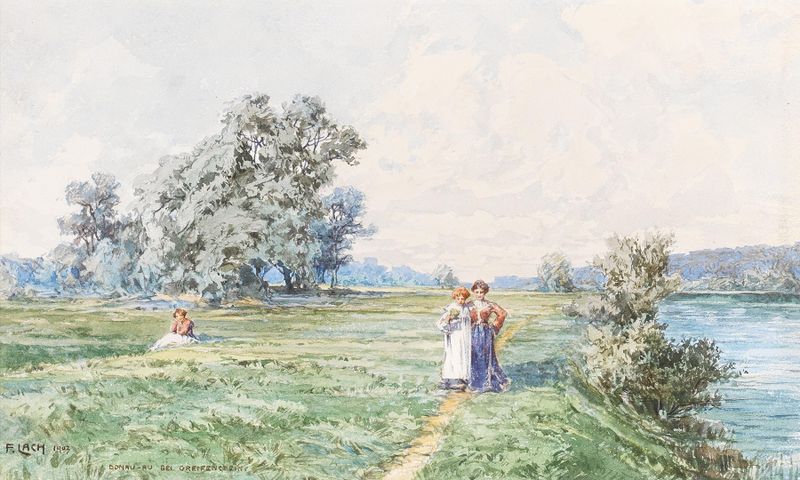
At the Danube near Greifenstein
Fritz Lach
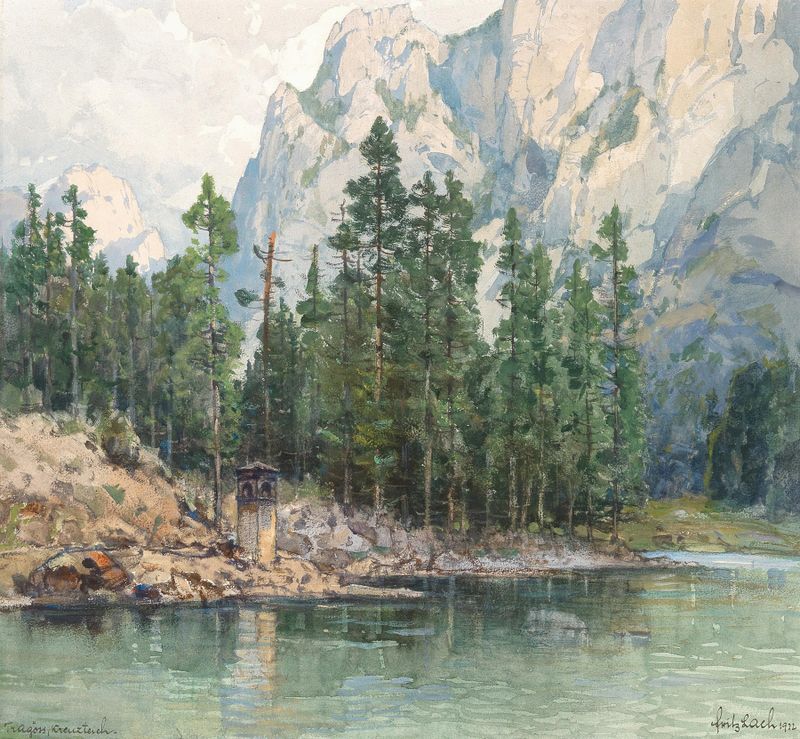
Kreuzteich near Tragöss
Fritz Lach
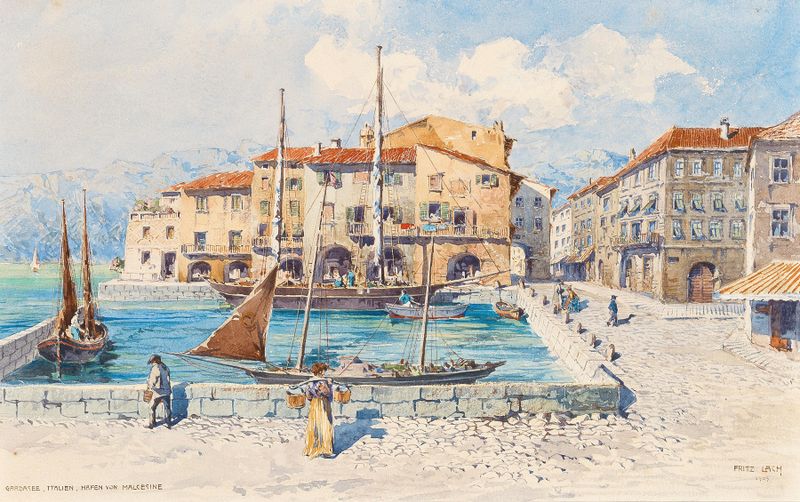
Malcesine near Gardasee
Fritz Lach
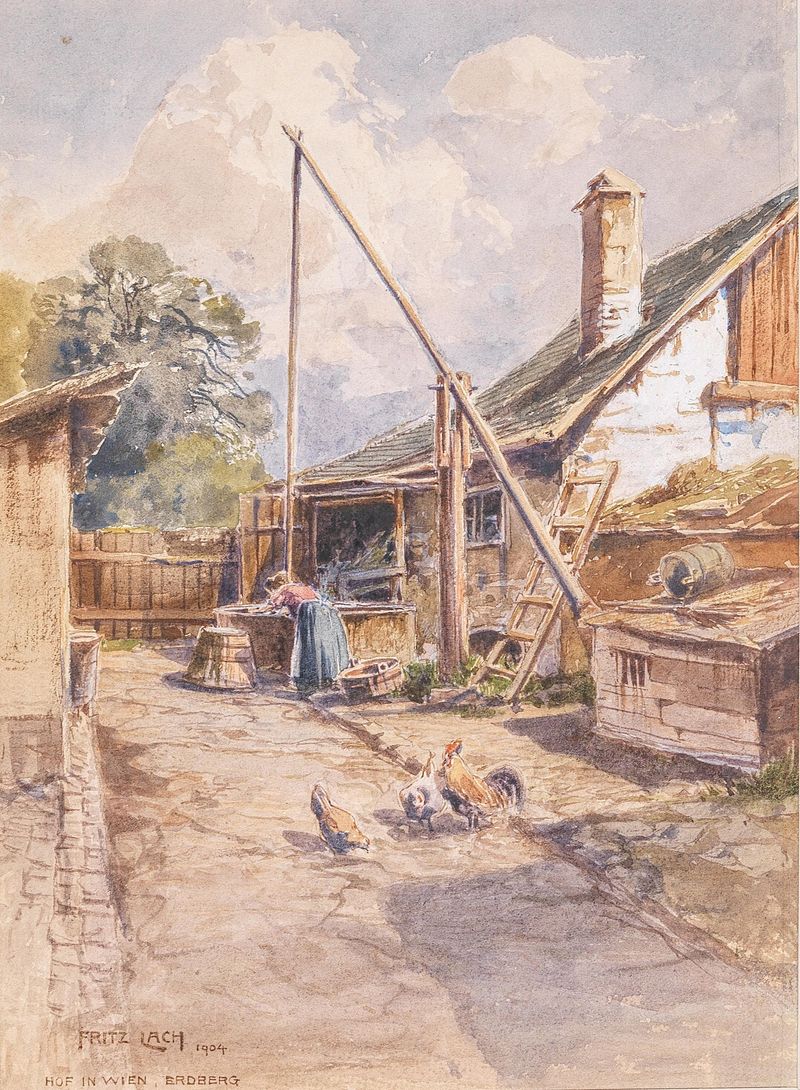
Hof in Wien Erdberg
Fritz Lach
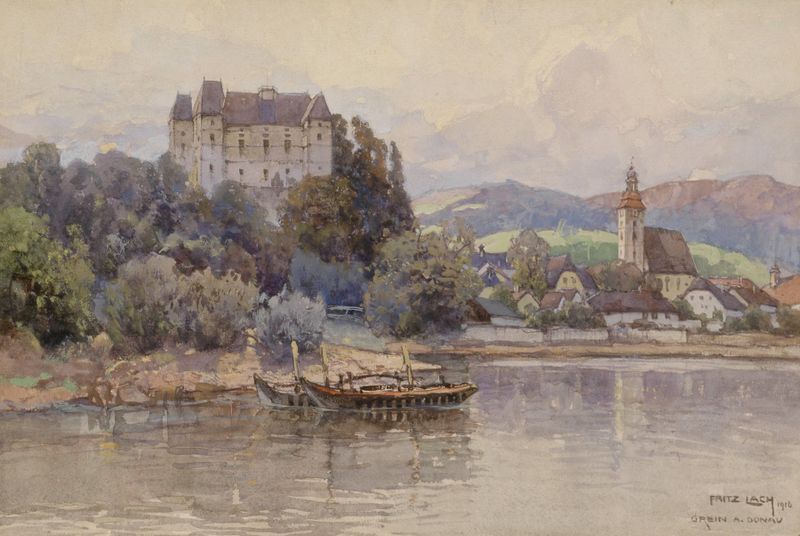
Blick auf Grein an der Donau
Fritz Lach
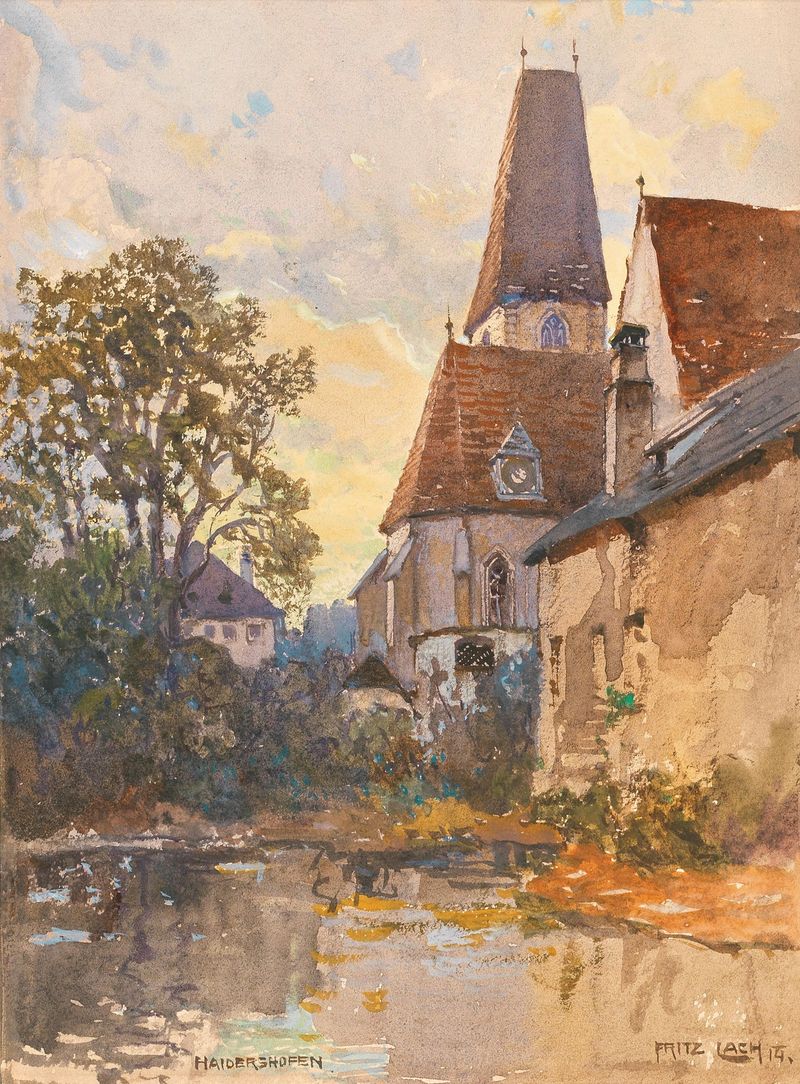
The church in Haidershofen near Amstetten
Fritz Lach





