
A willow tree at the lake shore — History & Facts
In the stillness of nature, beauty whispers through the leaves, inviting contemplation and reflection. The serene landscape becomes a canvas for the soul, where every element speaks volumes without uttering a word. Look to the left at the majestic willow tree, its drooping branches gracefully arching down toward the calm surface of the lake. The soft greens and earthy browns blend harmoniously, while delicate ripples dance in the water, echoing the tree’s elegance.
Notice how the sunlight filters through the foliage, casting gentle shadows that create a soothing interplay of light and dark, as if time itself has slowed down to embrace this tranquil moment. The juxtaposition of the sturdy willow against the lake’s reflective surface captures a profound sense of duality—strength and fragility, presence and absence. The willows' branches seem to cradle the water, evoking a sense of nurturing, while the stillness of the lake mirrors the quiet resilience of the tree. This dialogue between elements reveals an underlying tension: the beauty found in stillness is often accompanied by longing, as the viewer contemplates the secrets held within that silence. In 1927, Fritz Lach created this piece during a period of introspection in the art world, as post-World War I sentiments encouraged a return to nature and beauty.
He painted while residing in Germany, grappling with the complexities surrounding him—a turbulent historical backdrop that made the solace of landscapes ever more appealing. Lach’s work sought to capture the essence of peace amidst chaos, illustrating how beauty can serve as a refuge for the spirit.
More Artworks by Fritz Lach
Browse all →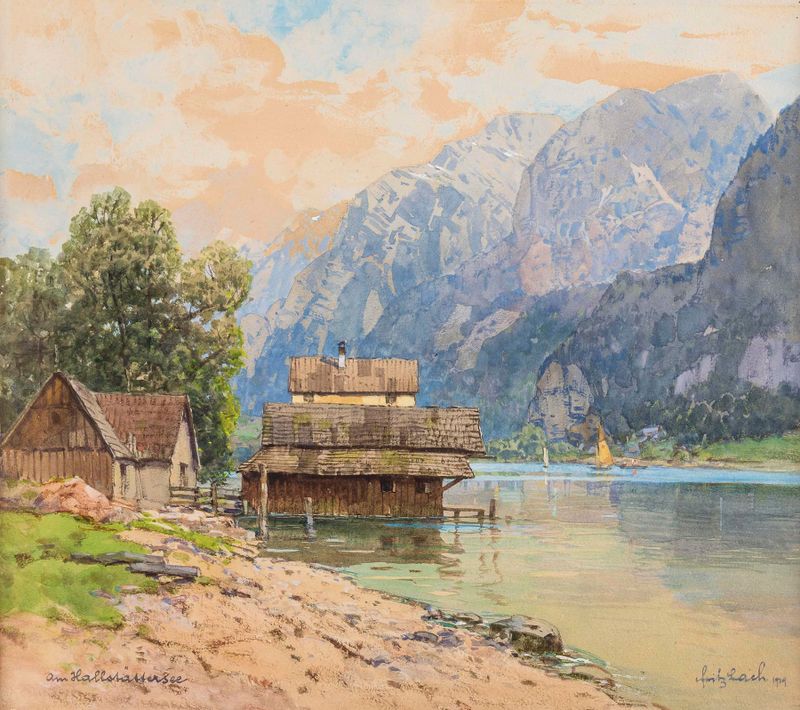
Bootshäuser am Hallstätter See
Fritz Lach
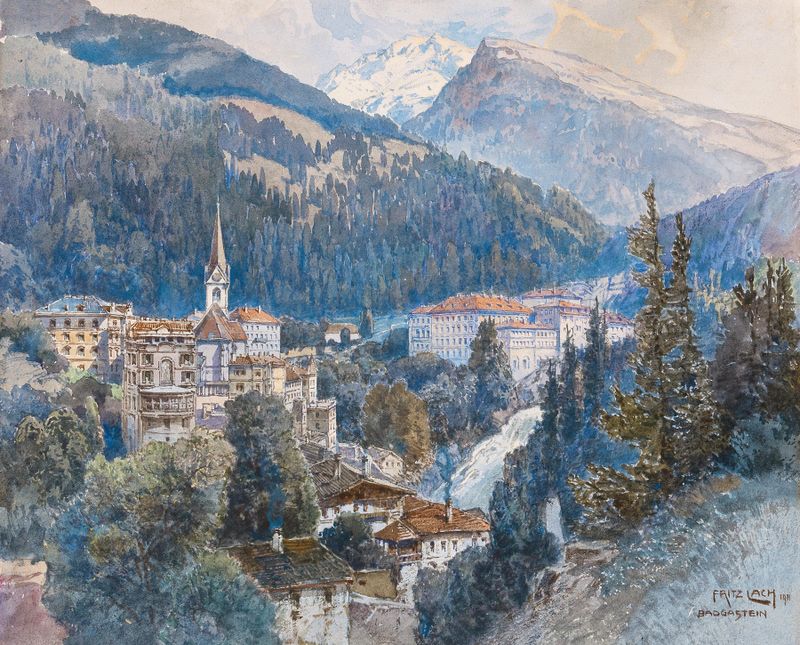
A view of Bad Gastein and the waterfall
Fritz Lach
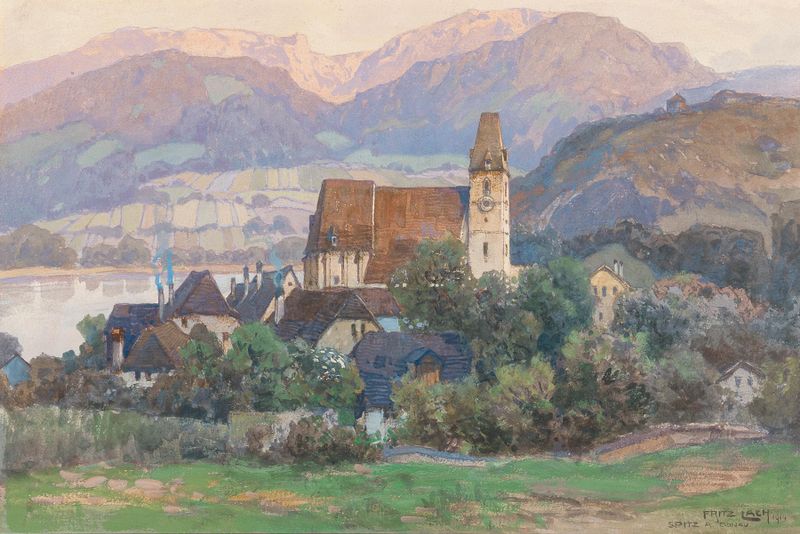
A view of Spitz in the Wachau valley
Fritz Lach
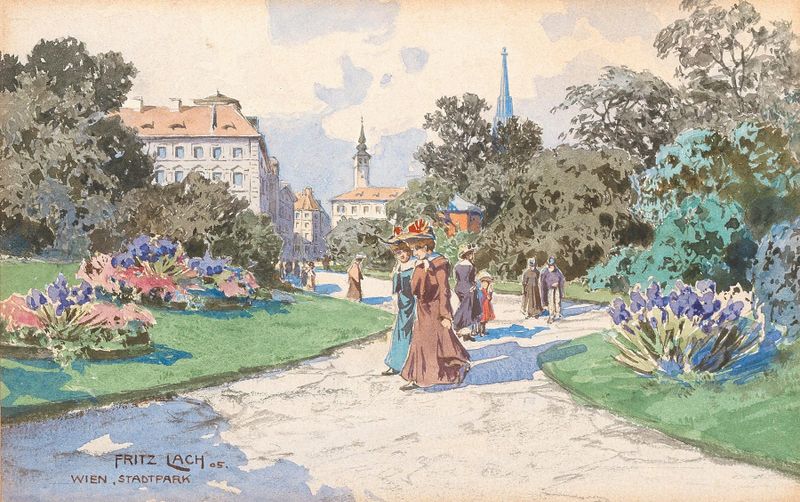
A walk in Vienna’s Stadtpark
Fritz Lach
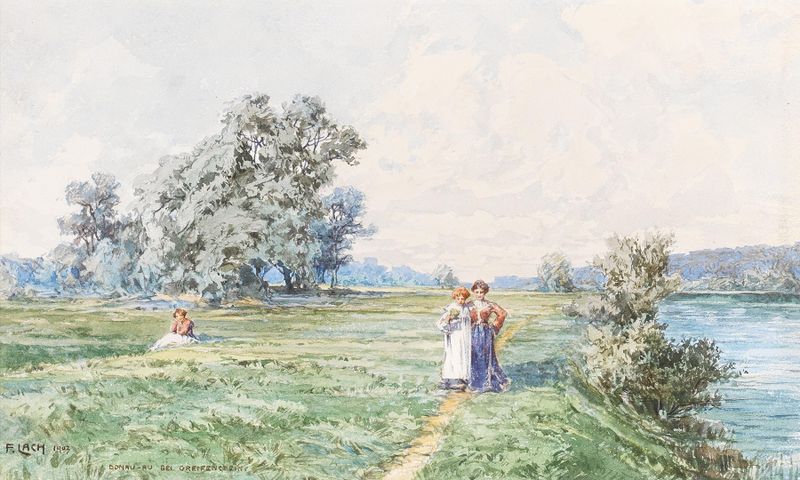
At the Danube near Greifenstein
Fritz Lach
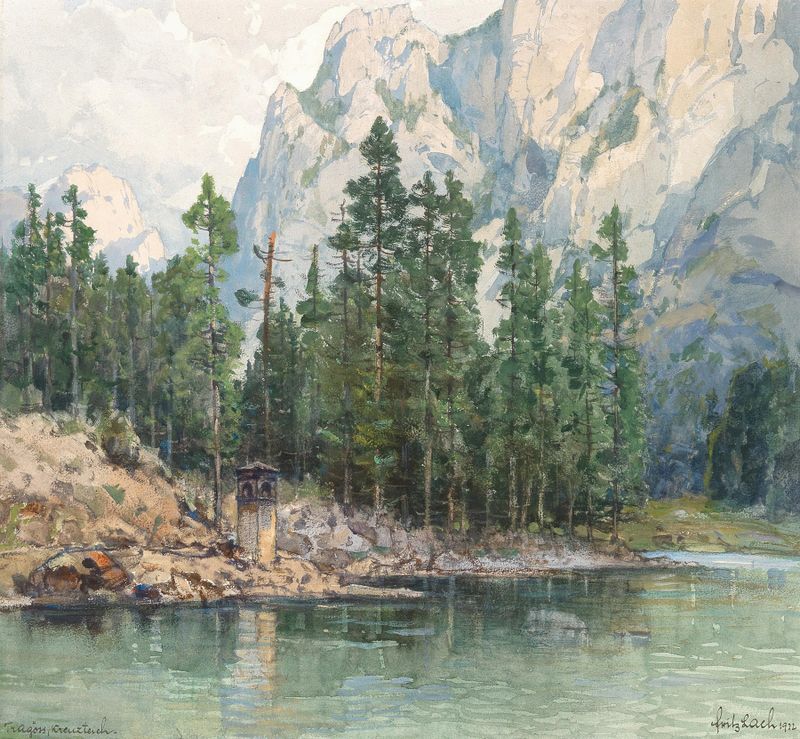
Kreuzteich near Tragöss
Fritz Lach
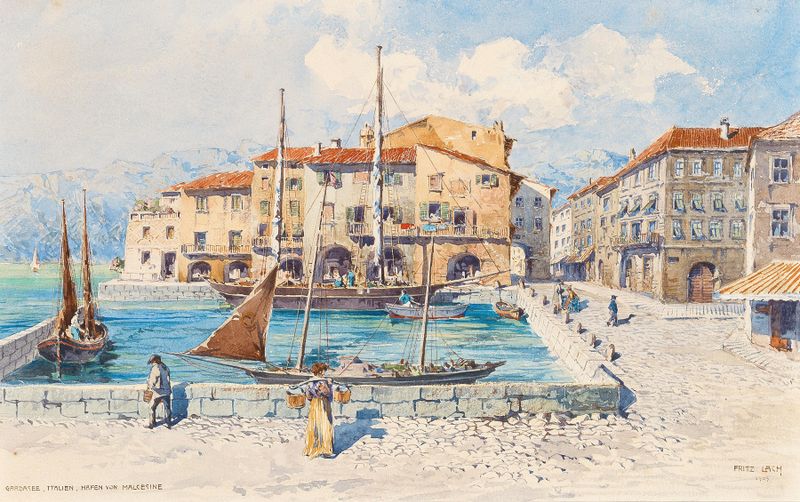
Malcesine near Gardasee
Fritz Lach
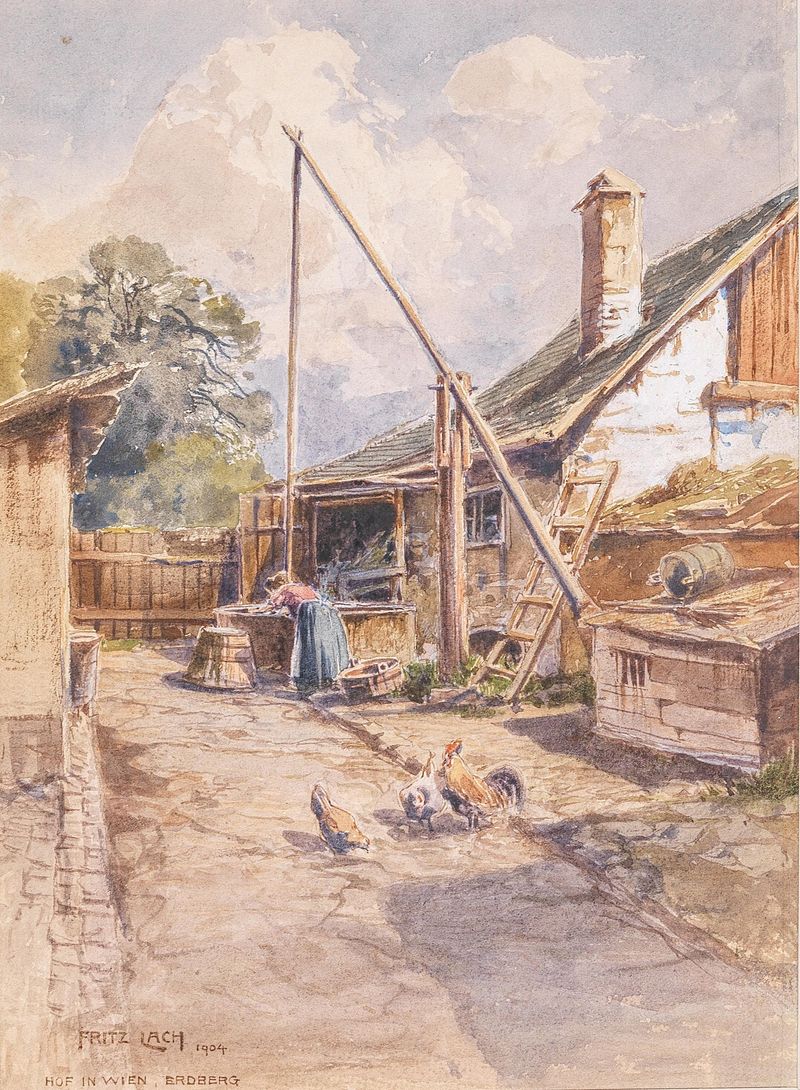
Hof in Wien Erdberg
Fritz Lach
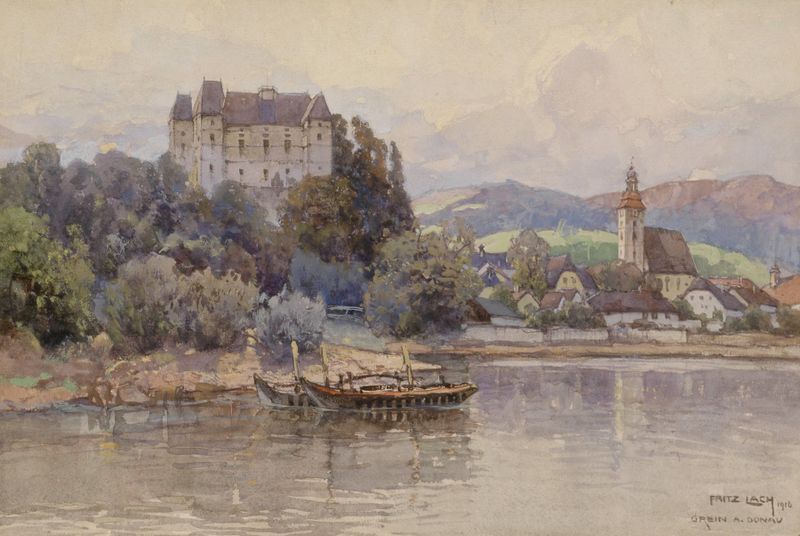
Blick auf Grein an der Donau
Fritz Lach
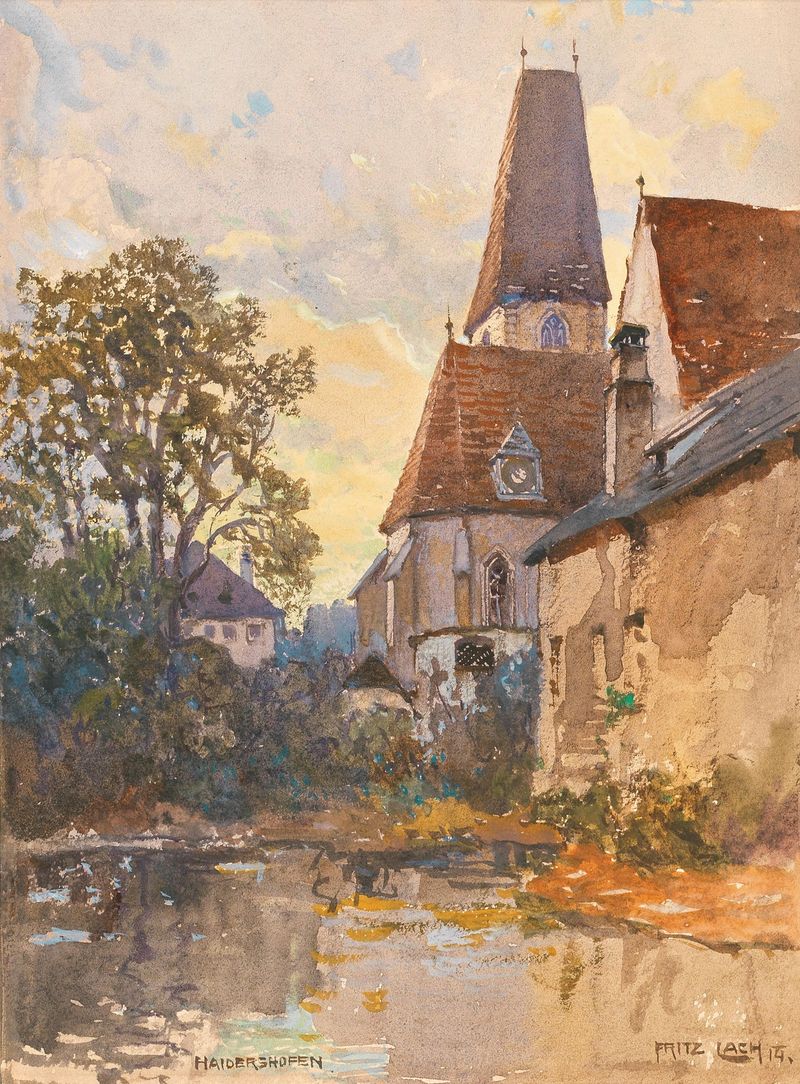
The church in Haidershofen near Amstetten
Fritz Lach





