
Hof in Wien Erdberg — History & Facts
Can beauty exist without sorrow? In the heart of a bustling Vienna, tranquility and nostalgia blend into a serene composition, inviting viewers to reflect on the delicate balance between joy and melancholy. Look to the left at the willow tree, its drooping branches gracefully encircling a small courtyard. Notice how the light filters gently through the leaves, casting dappled patterns on the cobblestone ground. The muted color palette of greens and browns imbues the scene with a sense of calm, while the stark contrast of the brick buildings looms in the background, hinting at the vibrancy of life just beyond the frame. As you linger in the courtyard, let your eyes wander to the solitary figure seated on a bench, lost in thought.
This presence speaks of isolation amid the beauty of the surroundings—an embodiment of the artist’s contemplation on the coexistence of happiness and solitude. The juxtaposition between the flourishing nature and the stillness of the person evokes an emotional tension, inviting viewers to ponder their own moments of reflection and longing in the face of life's complexities. Fritz Lach created this piece in 1904 during a period of significant artistic evolution in Vienna. As a member of the Vienna Secession, he was influenced by the modernist movement, which sought to break free from traditional artistic conventions.
At this time, the city itself was undergoing vast changes, with the echoes of a rich cultural landscape just beginning to give way to the uncertainties of the 20th century, shaping Lach’s reflections on the nature of beauty and existence.
More Artworks by Fritz Lach
Browse all →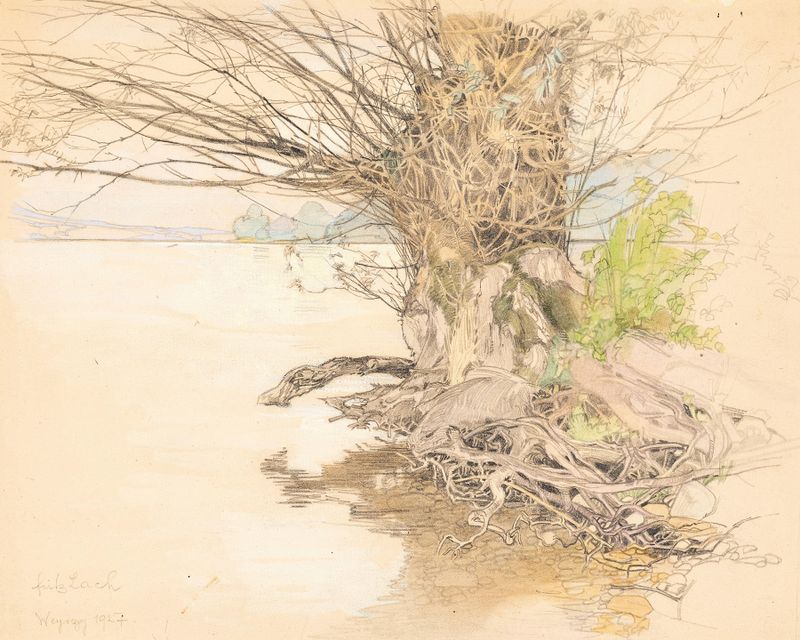
A willow tree at the lake shore
Fritz Lach
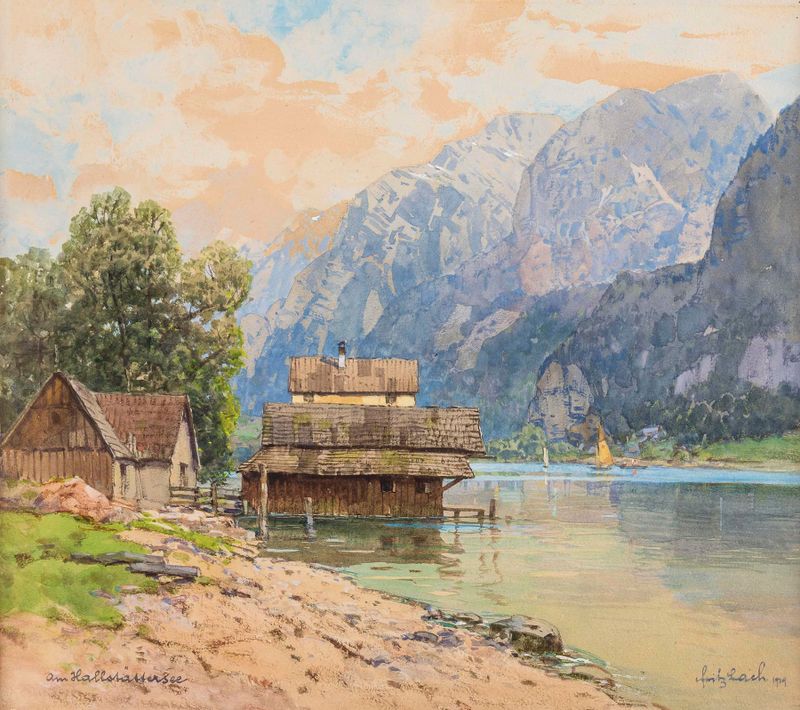
Bootshäuser am Hallstätter See
Fritz Lach
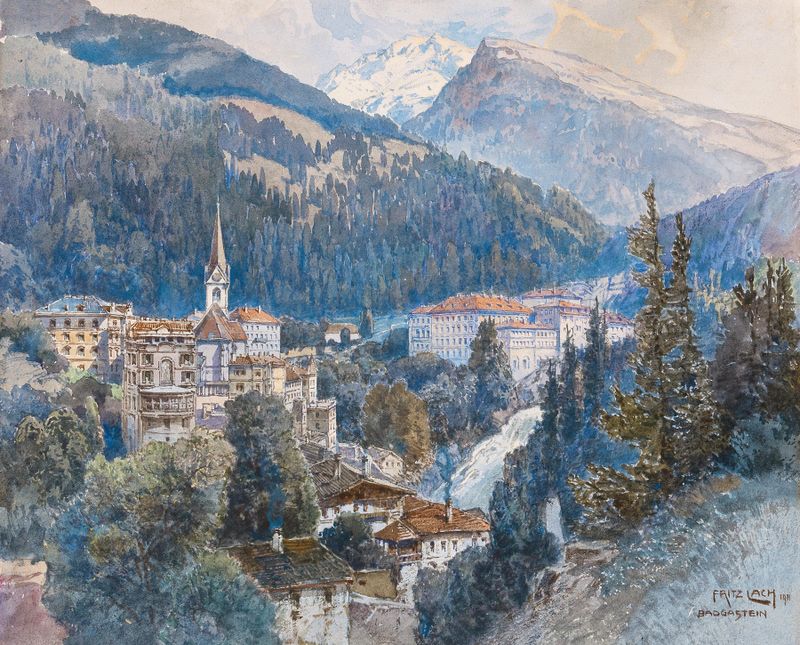
A view of Bad Gastein and the waterfall
Fritz Lach
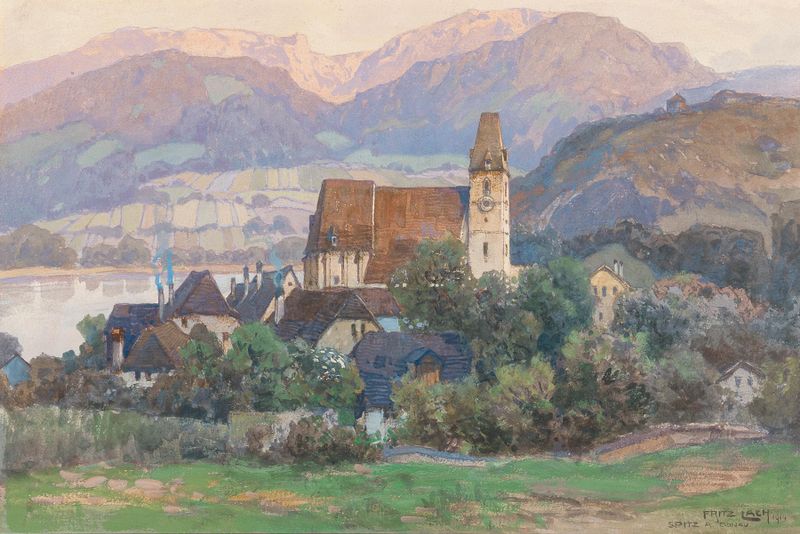
A view of Spitz in the Wachau valley
Fritz Lach
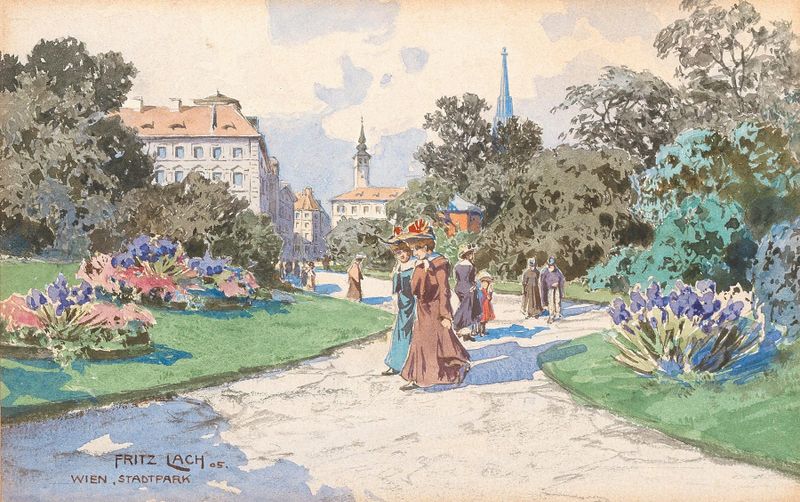
A walk in Vienna’s Stadtpark
Fritz Lach
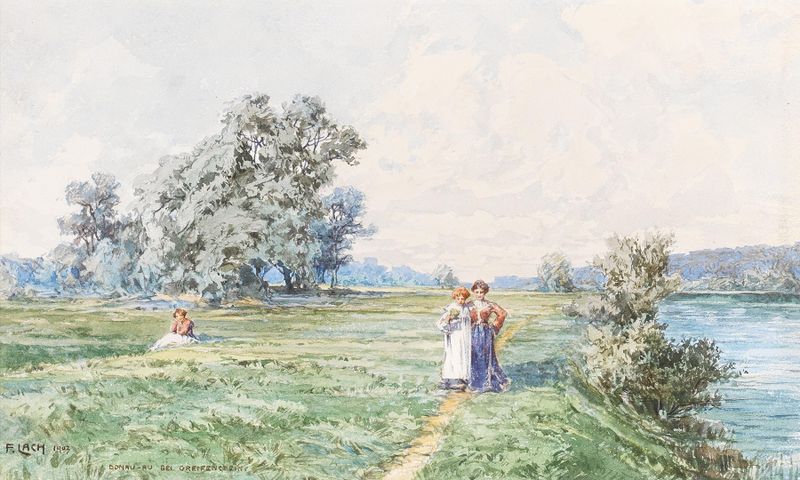
At the Danube near Greifenstein
Fritz Lach
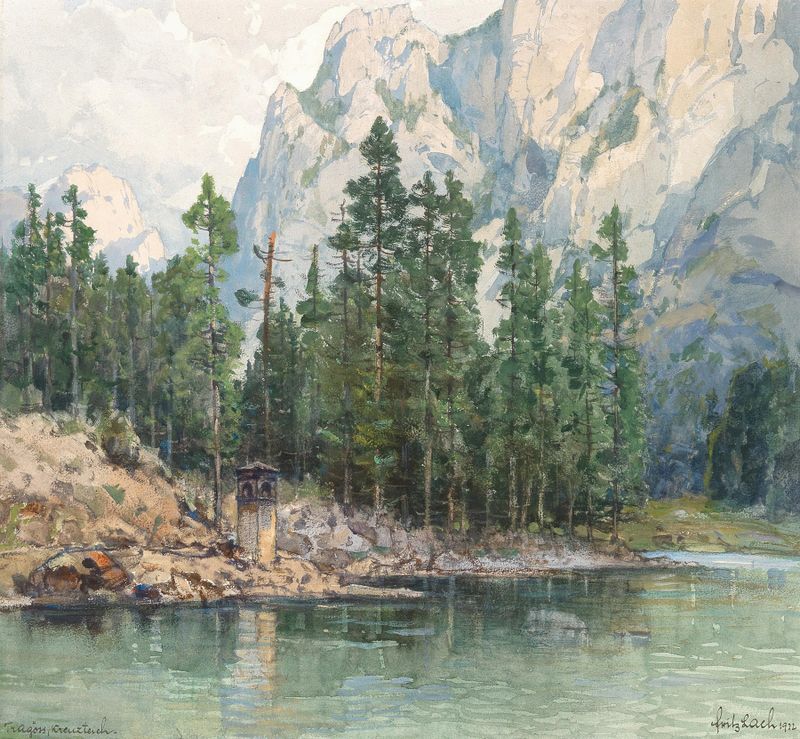
Kreuzteich near Tragöss
Fritz Lach
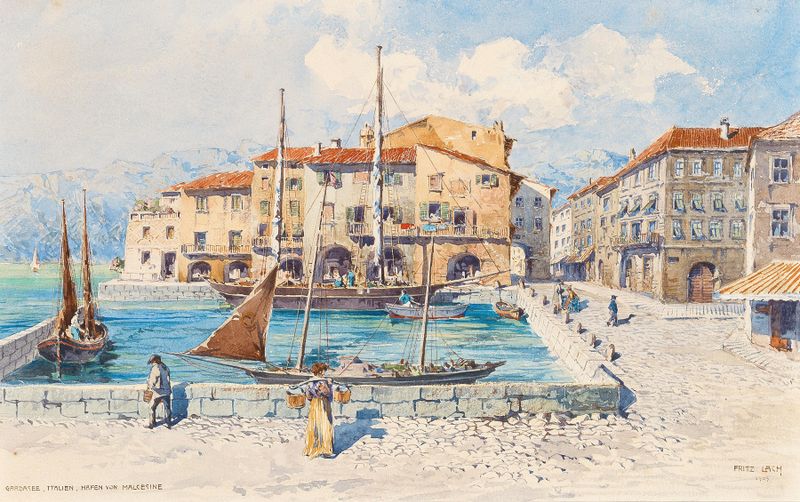
Malcesine near Gardasee
Fritz Lach
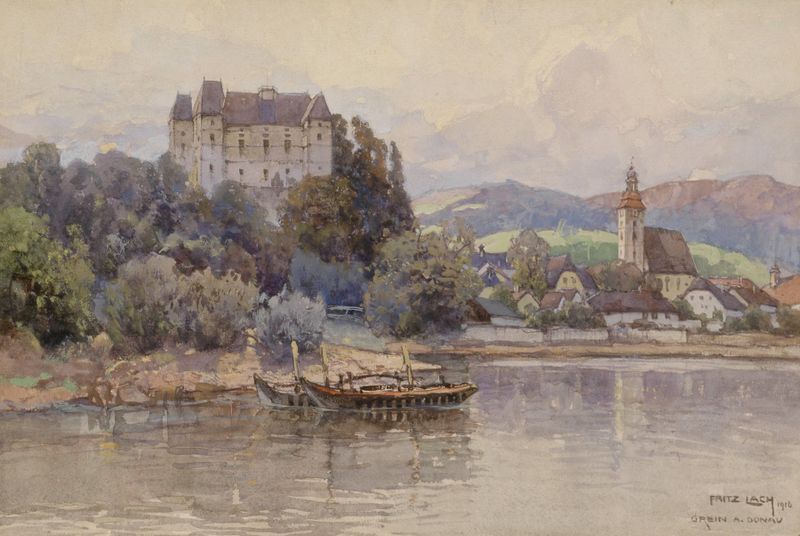
Blick auf Grein an der Donau
Fritz Lach
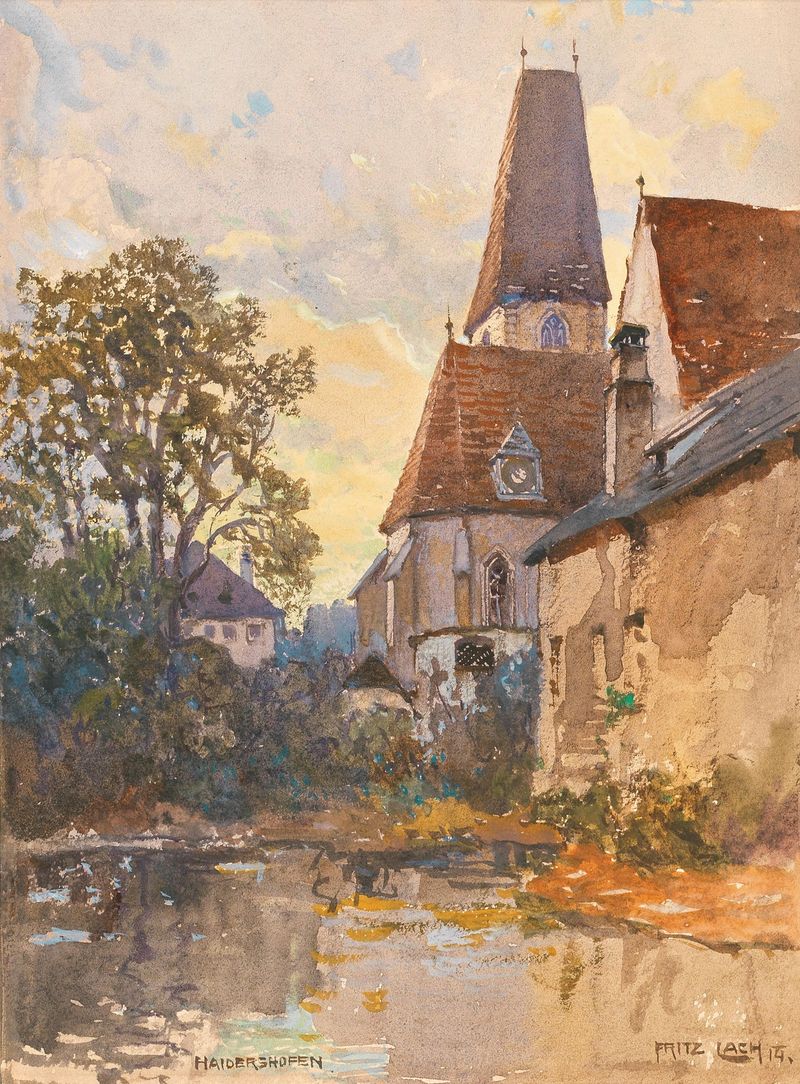
The church in Haidershofen near Amstetten
Fritz Lach





