
A View Of The Abbey Of Grottaferrata — History & Facts
Is this a mirror — or a memory? In the stillness of A View Of The Abbey Of Grottaferrata, a haunting sense of loss permeates the scene, inviting us to reflect on the passage of time and the weight of what has been left behind. Look to the left at the delicate interplay of light and shadow that dances upon the ancient stone façades of the abbey. The artist employs a muted color palette, where soft greens and grays evoke a sense of tranquility yet whisper of melancholy. The gentle brushstrokes create a textured surface that seems to pulse with a quiet nostalgia, pulling the viewer into the embrace of this serene yet sorrowful landscape. Beneath the surface lies a profound tension between the natural world and the man-made structure, where the abbey stands as a testament to endurance amid the inevitable decay of time.
The trees encroaching at the edges suggest both protection and isolation, framing the abbey in a way that speaks to the duality of memory — cherished yet painful. Small details, like the light filtering through the leaves, mirror the moments of joy and grief intertwined in our reflections on the past. Chauvin painted this piece amid the evolving landscape of European art, during a time when Romanticism began to bloom, and the interplay of nature and architecture was increasingly celebrated. This artwork is rooted in the artist's exploration of emotional resonance, embodying his response to the beauty and transience of life as he navigated his own personal grief, echoing a universal sentiment that continues to resonate today.
More Artworks by Pierre-Athanase Chauvin
Browse all →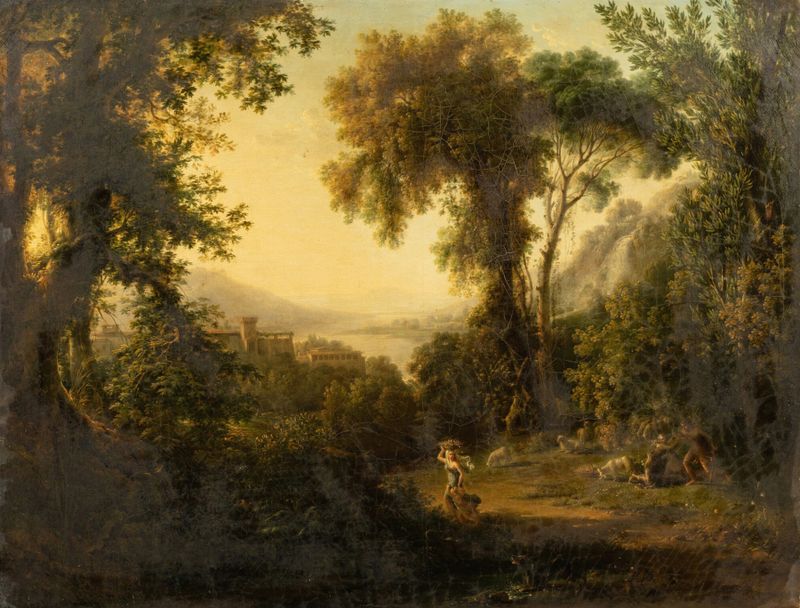
Italianate landscape with shepherds afraid by a snake
Pierre-Athanase Chauvin

View Of The Gardens Of The Villa D’este, Tivoli
Pierre-Athanase Chauvin
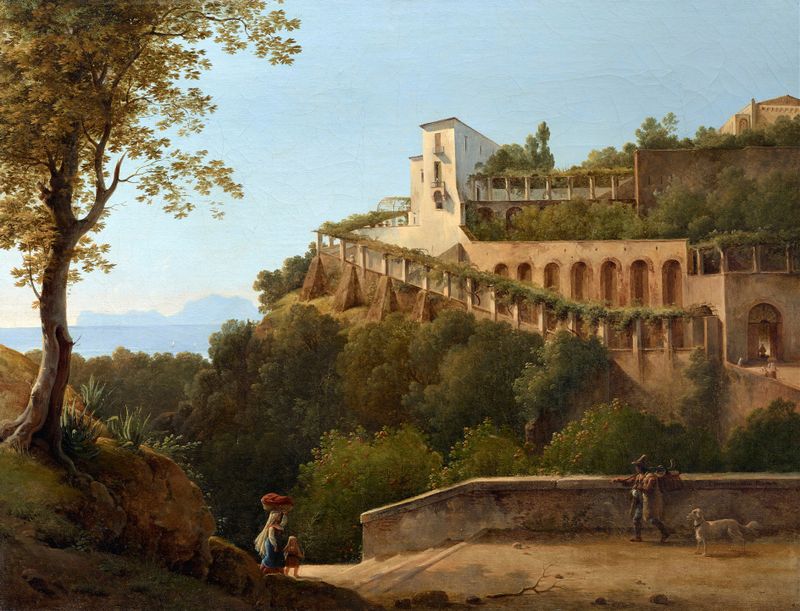
A Convent Near Naples, with a View of Capri
Pierre-Athanase Chauvin
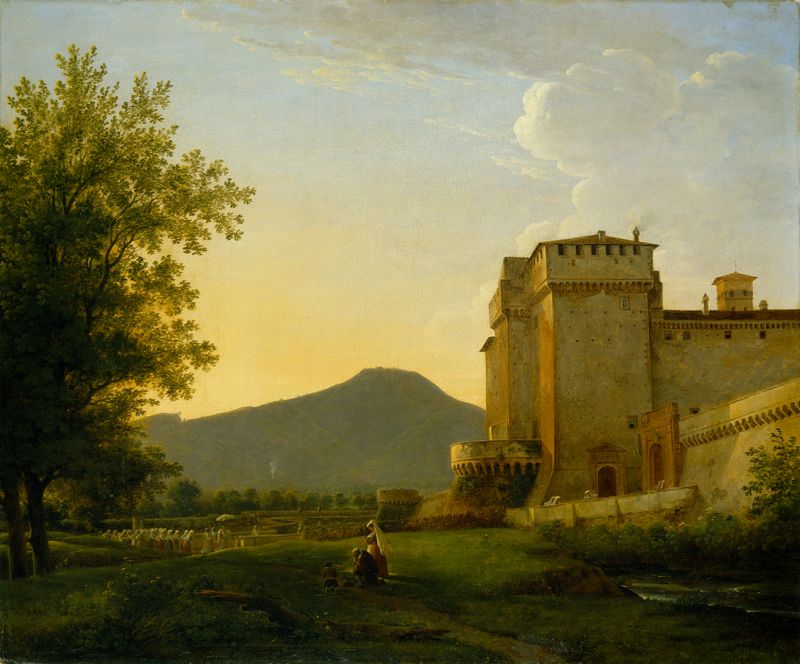
Grotta Ferrata In The Alban Hills
Pierre-Athanase Chauvin
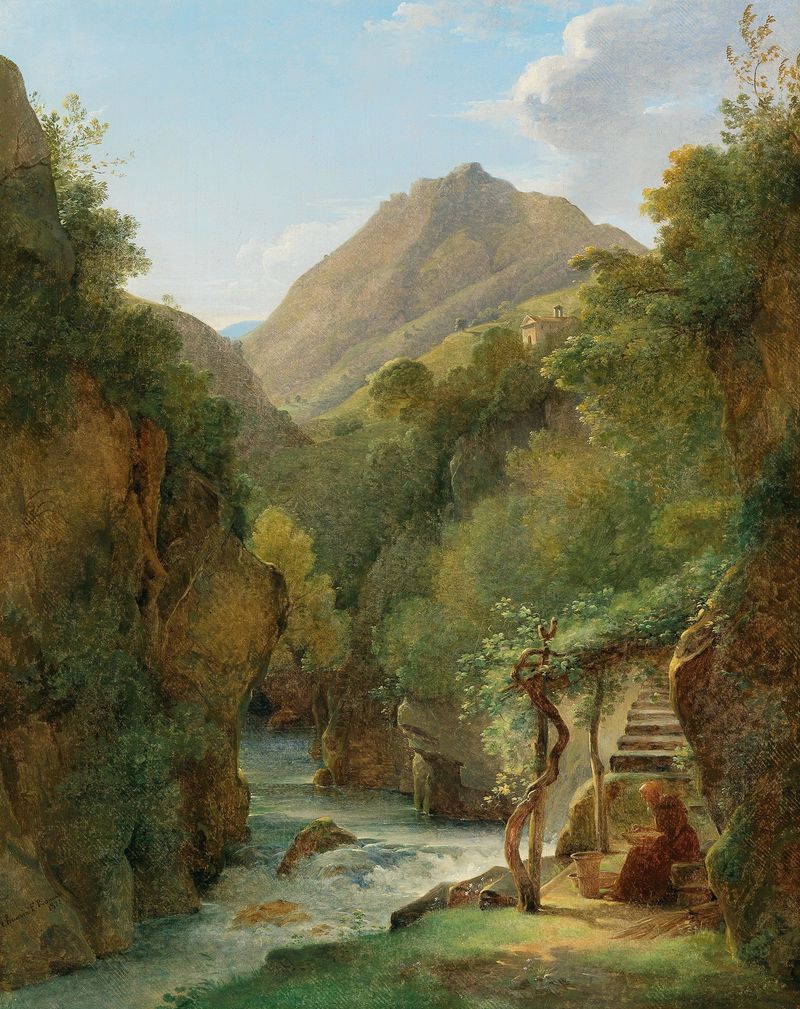
The hermit
Pierre-Athanase Chauvin
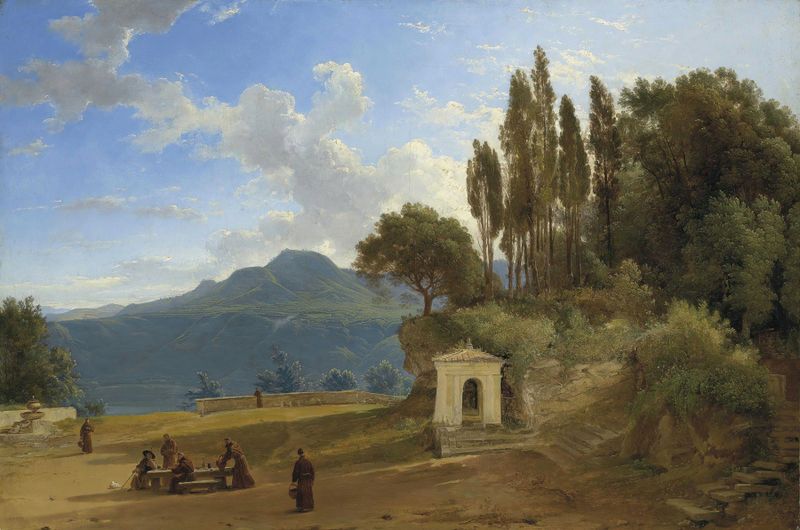
Monks Before Lake Nemi, Italy
Pierre-Athanase Chauvin
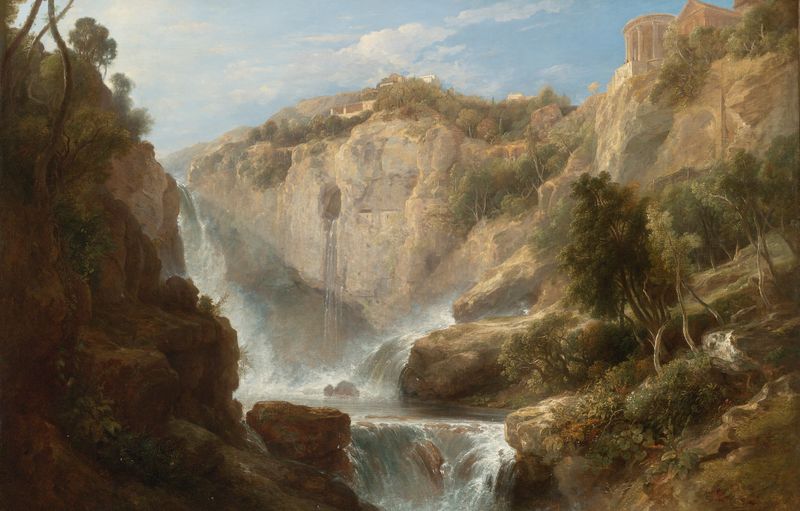
View Of Tivoli
Pierre-Athanase Chauvin
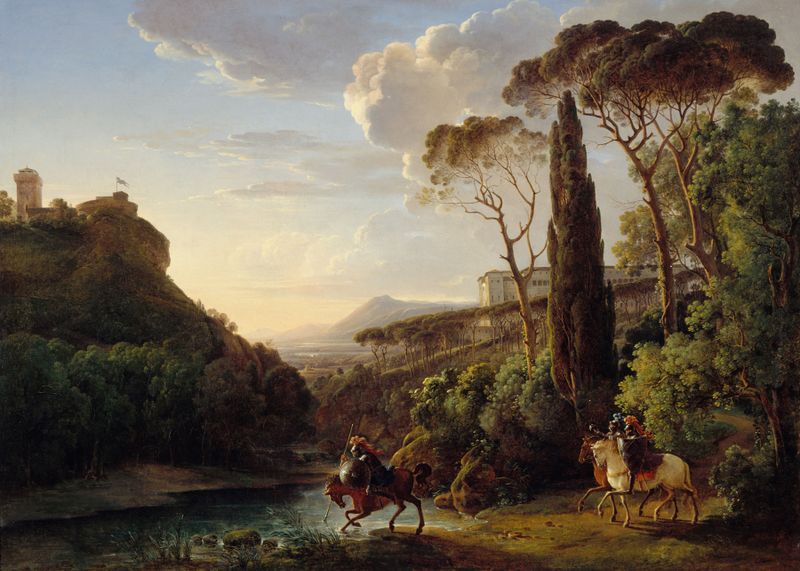
Paysage d’Italie avec trois chevaliers
Pierre-Athanase Chauvin
More Architecture Art
Browse all →
The statue of Liberty
Frédéric Auguste Bartholdi

View of Houses in Delft, Known as ‘The Little Street’
Johannes Vermeer

View of Houses in Delft, Known as ‘The Little Street’
Johannes Vermeer

The Cathedral in Rouen. The portal, Grey Weather
Claude Monet

The yellow house
Vincent van Gogh

The Church in Auvers-sur-Oise, View from the Chevet
Vincent van Gogh