
Grotta Ferrata In The Alban Hills — History & Facts
When did color learn to lie? In the realm of artistry, hues often weave narratives that conceal deeper truths, and this work embodies that duality with poignant grace. It captures a moment suspended in time, echoing the silent cries of loss and remembrance. Focus first on the soft, muted greens and blues that envelop the landscape, drawing the eye toward the distant hills. The brushstrokes blend seamlessly, creating a sense of depth and tranquility, yet a subtle tension lingers in the air.
Notice how the light filters through the foliage, casting dappled shadows that dance across the ground, as if the very essence of the scene is caught in an eternal cycle of grief and acceptance. Delve deeper into the undercurrents of this composition, noting the juxtaposition between the serene landscape and the heavy emotional weight it carries. The arching trees, though beautifully depicted, appear almost like sentinels guarding a hidden sorrow. The stillness of the scene belies a history of heartache, inviting the viewer to reflect on what lies beneath the surface of this idyllic view. In 1811, Pierre-Athanase Chauvin painted this piece during a time of personal and artistic exploration, while residing in France.
The early 19th century was marked by a transition in the art world, as Romanticism began to challenge Neoclassical ideals. This painting reflects Chauvin’s engagement with nature and emotion, serving as both a personal expression and a response to the evolving artistic landscape around him.
More Artworks by Pierre-Athanase Chauvin
Browse all →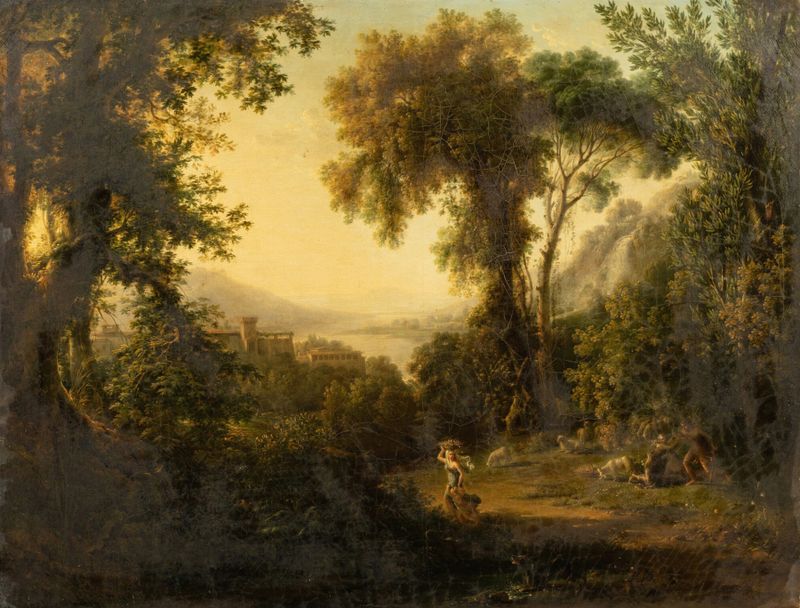
Italianate landscape with shepherds afraid by a snake
Pierre-Athanase Chauvin

View Of The Gardens Of The Villa D’este, Tivoli
Pierre-Athanase Chauvin
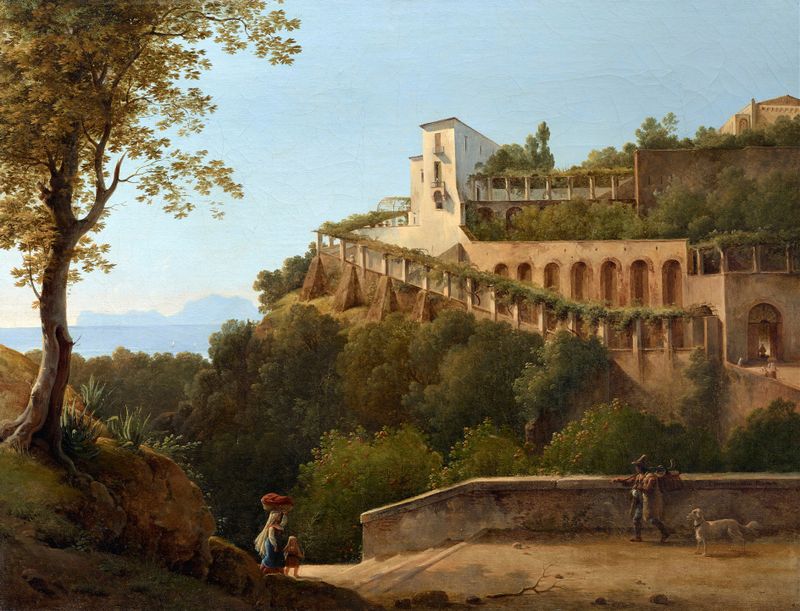
A Convent Near Naples, with a View of Capri
Pierre-Athanase Chauvin
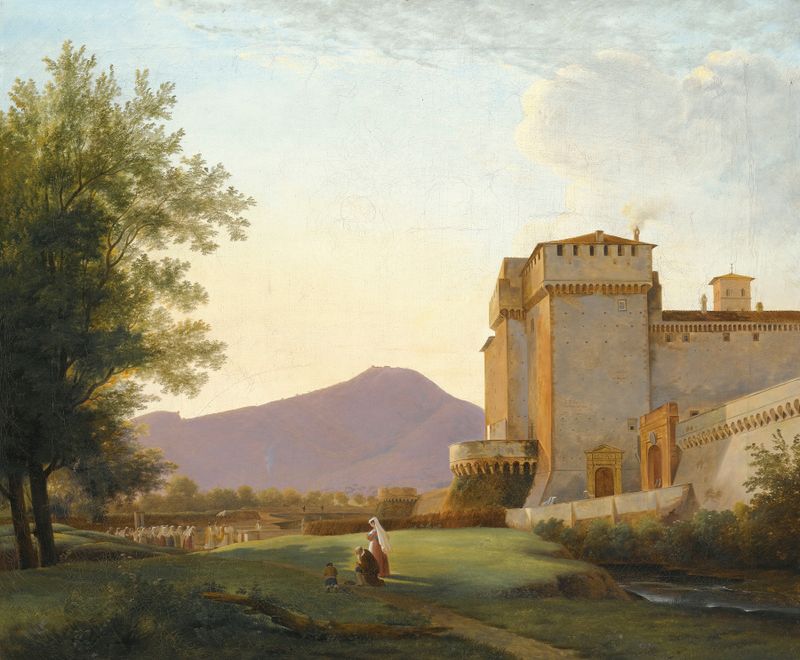
A View Of The Abbey Of Grottaferrata
Pierre-Athanase Chauvin
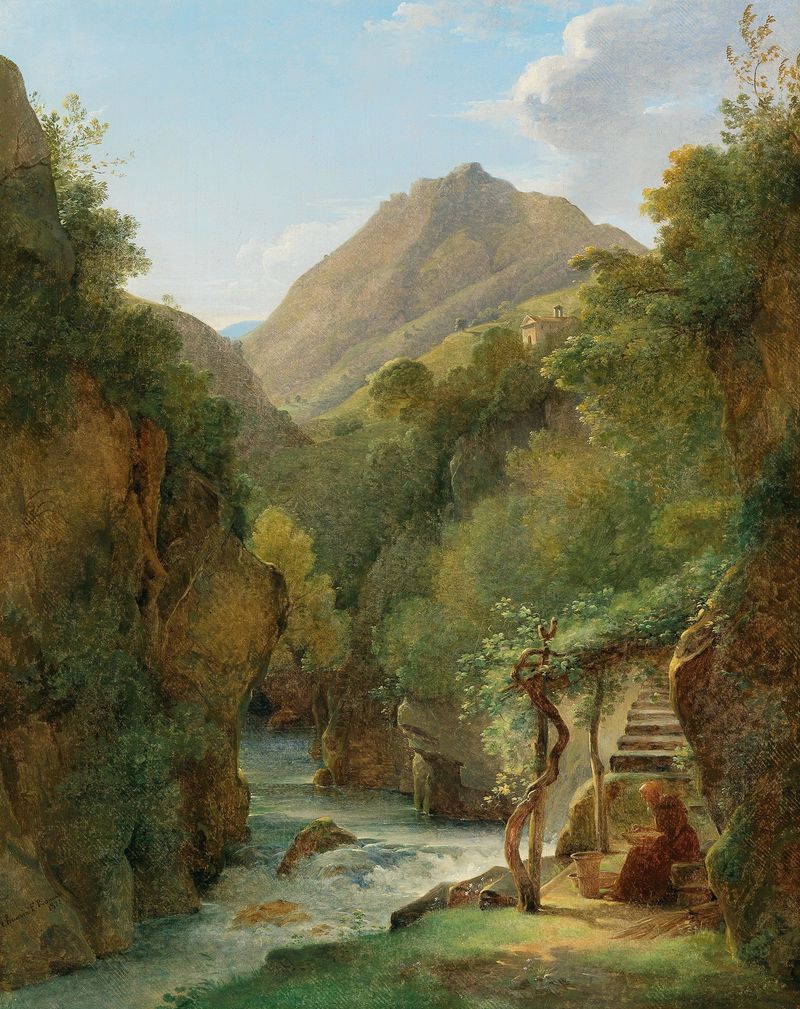
The hermit
Pierre-Athanase Chauvin
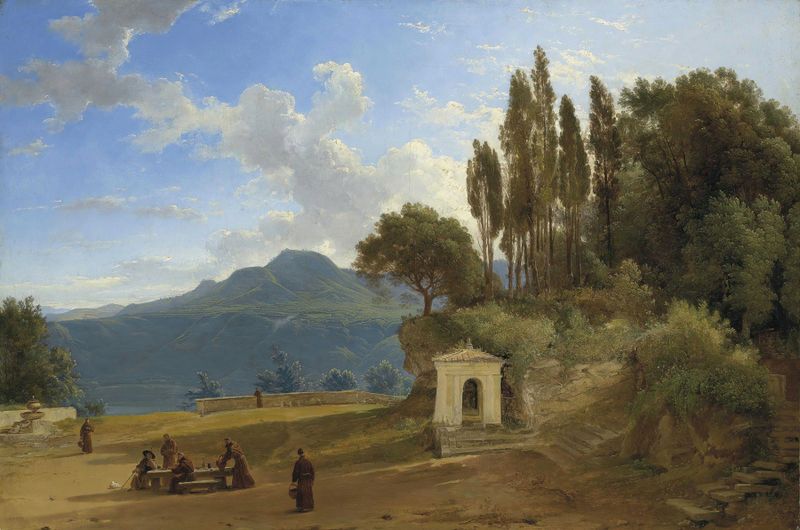
Monks Before Lake Nemi, Italy
Pierre-Athanase Chauvin
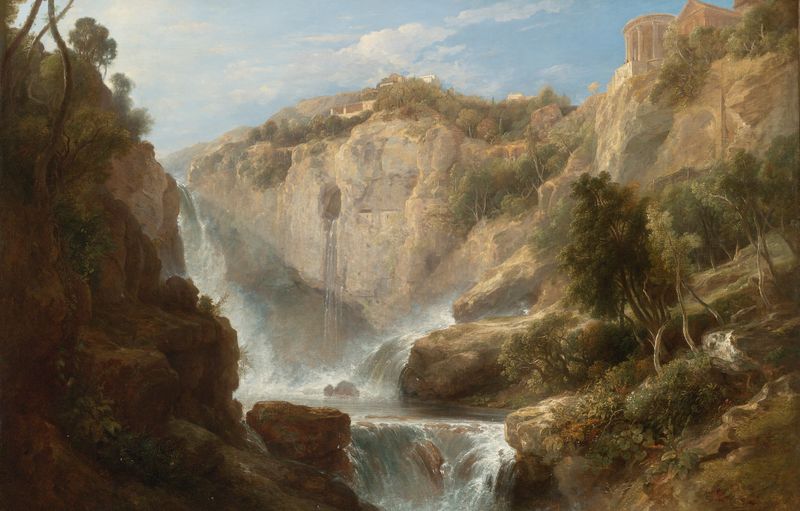
View Of Tivoli
Pierre-Athanase Chauvin
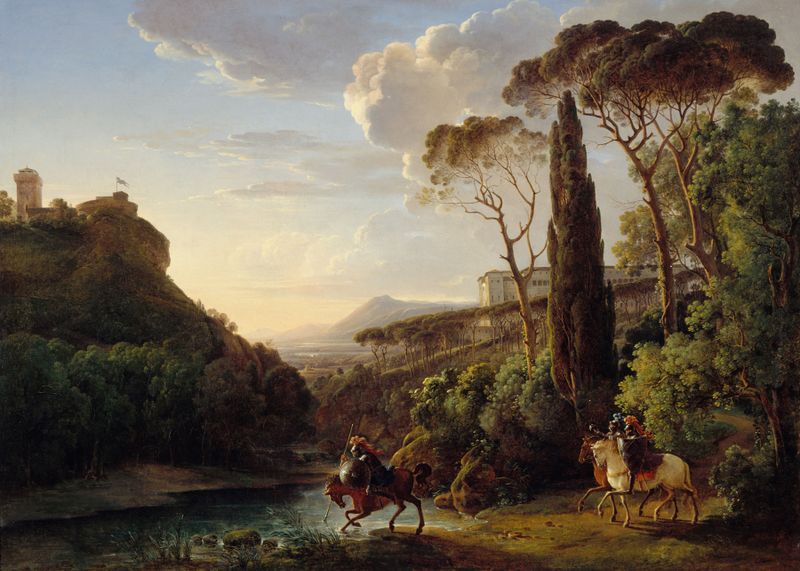
Paysage d’Italie avec trois chevaliers
Pierre-Athanase Chauvin





