A View of Tivoli — History & Facts
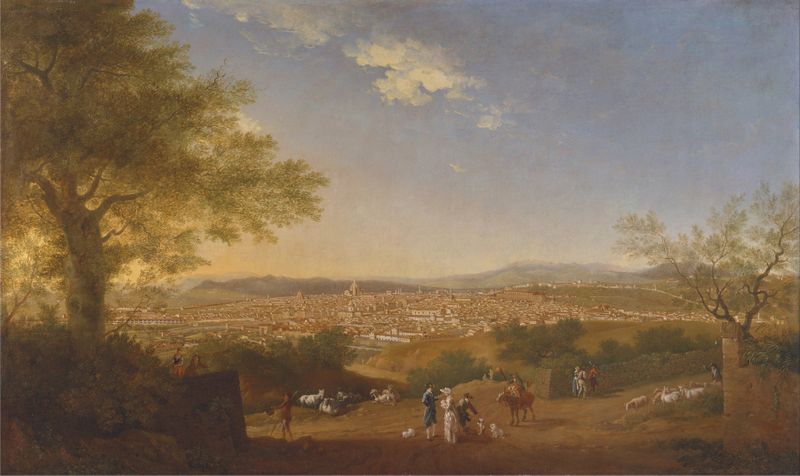
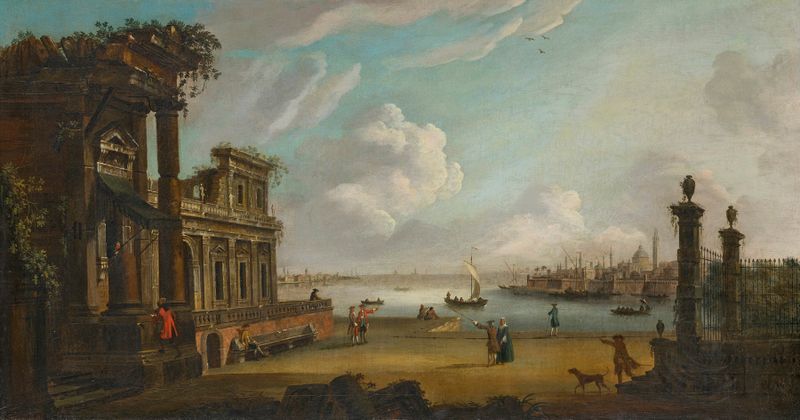
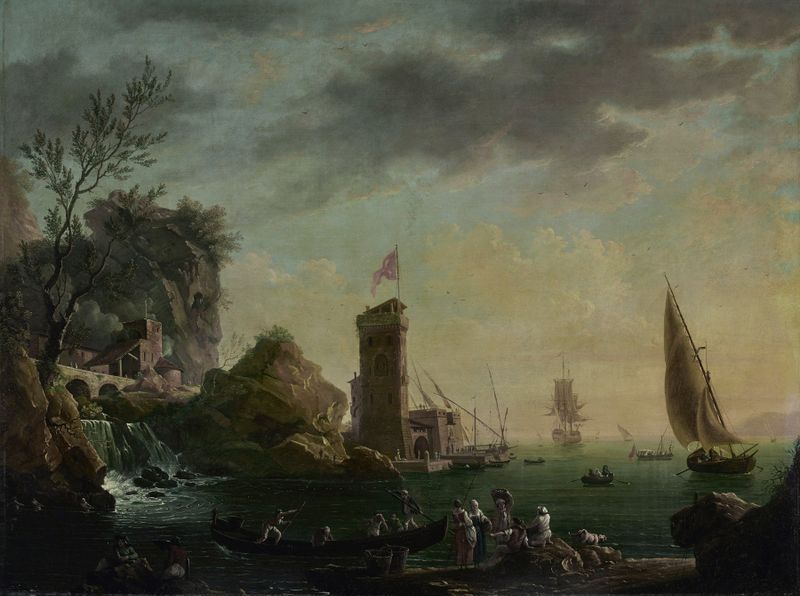
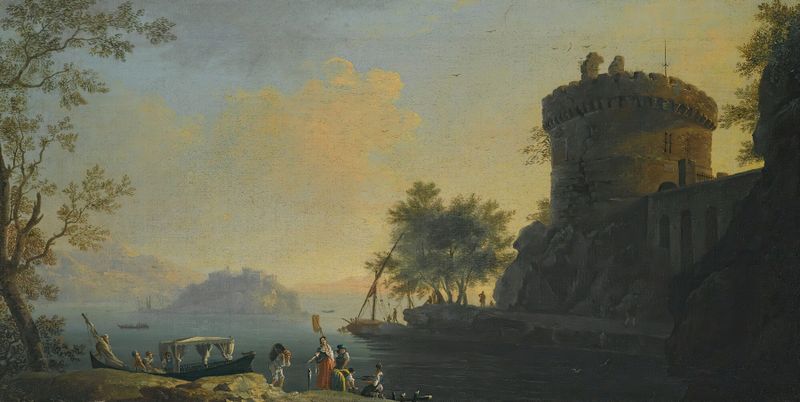
What if silence could speak through light? In A View of Tivoli, hues whisper secrets of a tranquil Italian landscape, inviting viewers to listen and reflect. Look to the left at the cascading waterfalls, their shimmering blues and whites harmonizing with the rich greens of the surrounding foliage. The artist employs vibrant color juxtaposition to draw the eye across the canvas, leading the viewer from the foreground’s lively flora to the serene architecture perched on a distant hill. Notice how the gentle play of light dances on the water’s surface, infusing the scene with a luminous quality that seems to breathe life into every brushstroke. Beneath this picturesque facade lies a profound exploration of nature and humanity's place within it.
The vibrancy of the colors reflects the joys of the natural world while the distant structures suggest a longing for connection, hinting at the interplay between isolation and community. The dynamic contrasts between the lively foreground and tranquil background create a sense of stillness that echoes the very essence of contemplation; a meditation on beauty and existence. Thomas Patch created this piece in the 18th century during his time in Italy, where he sought to capture the picturesque landscapes that inspired many artists of his generation. The world of art was shifting, moving towards an emphasis on emotion and nature, and this work resonates with that emerging sensibility.
Patch's ability to blend observational accuracy with an appreciation for the transcendent qualities of light and color places him firmly within the context of the era’s artistic evolution.