An Italianate Landscape, With The Tomb Of The Plautii — History & Facts
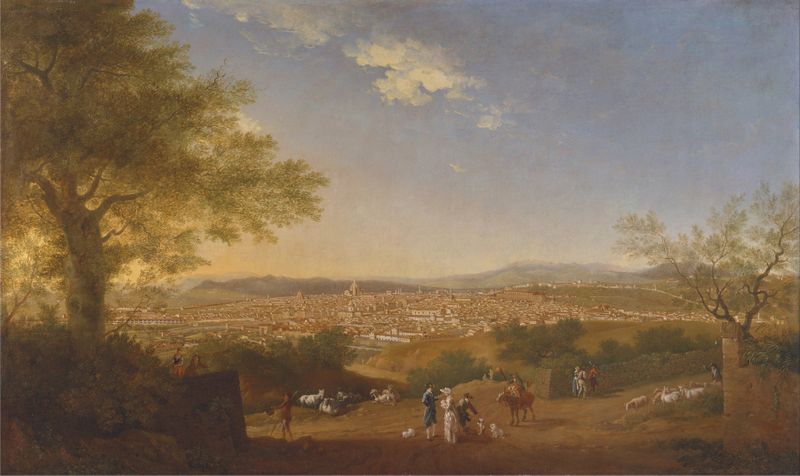
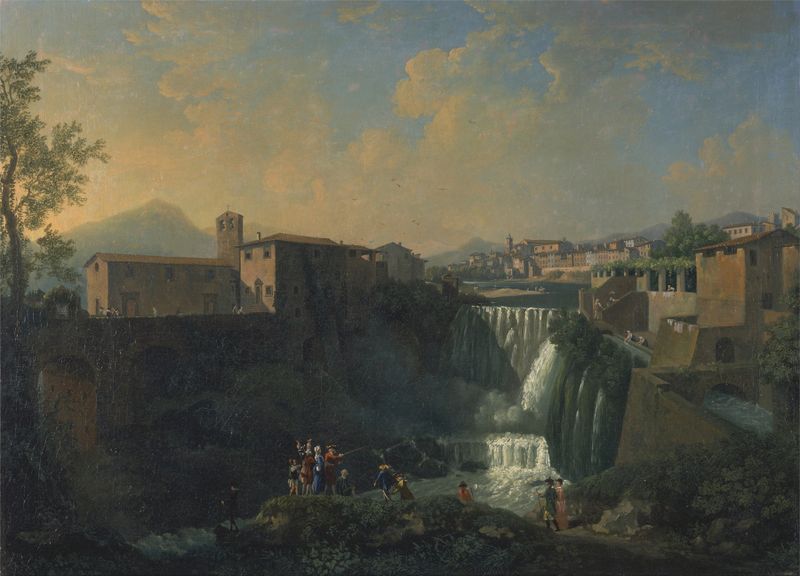
Is this a mirror — or a memory? In an Italianate landscape where verdant hills embrace the sky, the past and the present intertwine, revealing a deeper truth beneath the surface of beauty. Look to the left at the towering cypress trees, their dark forms contrasting with the luminous sky, guiding your gaze toward the horizon. The intricate brushwork captures the delicate interplay of light and shadow, infusing the scene with a sense of tranquility. Notice how the tomb lies nestled within the landscape, a silent sentinel that invites contemplation, its weathered stone harmonizing with the vibrant earth tones surrounding it. Hidden within this seemingly idyllic setting is a poignant tension between nature's splendor and human mortality.
The presence of the tomb suggests a dialogue with the past, whispering stories of lives once lived, while the lush greenery symbolizes the ever-renewing cycle of life. This juxtaposition prompts reflections on legacy and the traces we leave behind. Each brushstroke conveys not merely a place but an emotion — a meditation on existence itself. During this period, the artist found himself amidst the burgeoning interest in picturesque landscapes, a hallmark of the 18th century.
While An Italianate Landscape, With The Tomb Of The Plautii does not have a specific date, Patch was actively engaged in exploring Italian themes and classical motifs, drawing inspiration from both his travels and the evolving artistic dialogues of his time. This work embodies a moment where beauty and remembrance collide, encapsulating the essence of an era deeply fascinated by the interplay of nature and human history.