A Village Scene — History & Facts
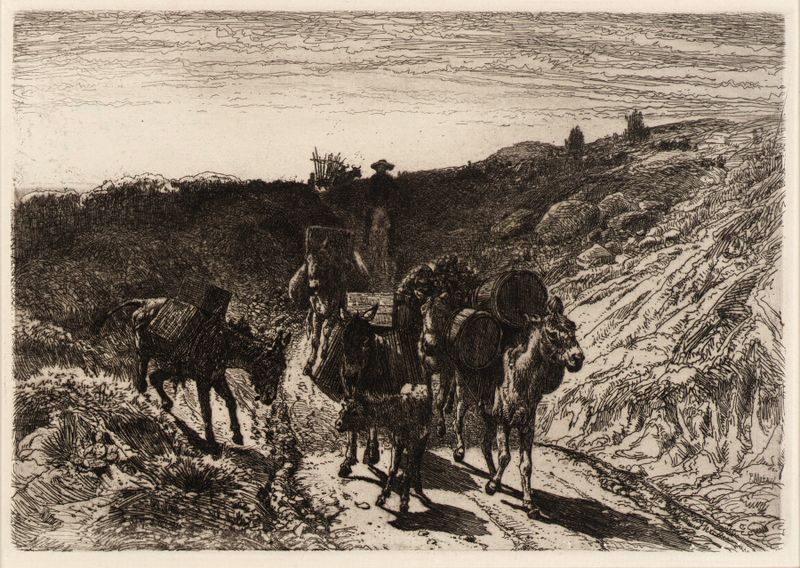
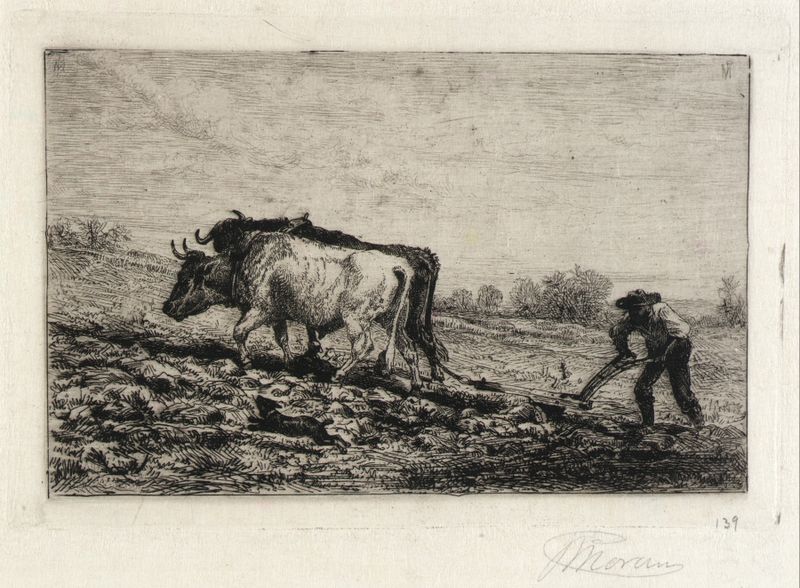
Could a single brushstroke hold eternity? In the quiet rhythm of rural life, movement intertwines with stillness, capturing the essence of a village's heart. Look to the center where figures busily engage in their daily tasks, their postures and gestures brimming with unspoken stories. Notice how the soft, earthy palette of greens and browns envelops them, enhancing the richness of their environment. The gentle sunlight filters through the trees, casting dappled shadows that dance across the scene, guiding your gaze through the intricate tapestry of life. Hidden within this serene tableau are the contrasts between toil and tranquility.
The villagers' animated movements suggest a shared purpose, yet the surrounding landscape, painted in calming hues, invites contemplation. Each brushstroke conveys not only the physicality of their actions but also evokes a sense of community—an interconnectedness that resonates through time. The viewer senses both the urgency of labor and the stillness of nature, embodying the delicate balance of rural existence. During the years 1880 to 1890, the artist found himself immersed in capturing the essence of American life.
Working in a period marked by industrialization, A Village Scene reflects a moment of nostalgia for simpler times. At this juncture, he sought to document the allure of rural landscapes, amidst a world rapidly changing, revealing his deep appreciation for the beauty of everyday life and the stories it tells.