
A Wet Winter — History & Facts
What secret hides in the quiet of the canvas? In A Wet Winter, the artist weaves a silent narrative that beckons the viewer to look closer and embrace the illusion of the scene. Focus on the gentle interplay of earth and sky, where muted blues and grays dominate the composition. The foreground is awash with a damp, glistening texture that mimics the chill of winter's grasp, while the horizon offers a soft, fading light that hints at the day's end. Notice how the brushstrokes create a delicate symphony of motion, suggesting a light breeze stirring the atmosphere, despite the stillness that envelops the landscape. Beneath this serene facade lies a tension between desolation and beauty.
The barren trees, stripped of their leaves, stand as silent sentinels against the cold, evoking a sense of solitude. Yet, the reflections in the puddles hint at a world beyond, perhaps suggesting the paradox of inner warmth amidst the external chill. This duality invites contemplation on the nature of perception—what we see versus what we feel. František Kaván painted during a period marked by personal introspection and a growing interest in Impressionism.
Active in early 20th-century Czech lands, he was navigating the complexities of modernity while embracing naturalism in his art. A Wet Winter emerges from this era of transformation, where the artist sought to capture fleeting moments of beauty in a landscape that mirrored both his inner landscape and the changing world around him.
More Artworks by František Kaván
Browse all →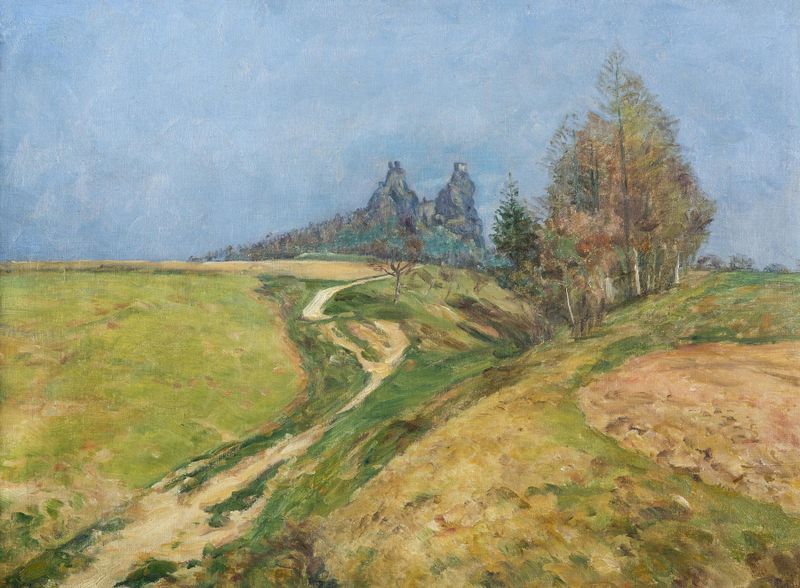
Spring beneath Trosky
František Kaván
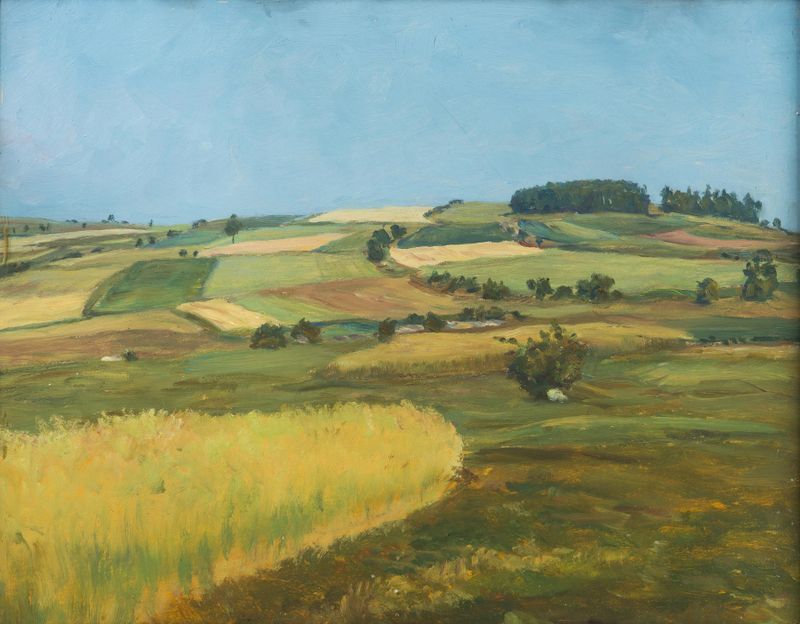
Mountain Fields
František Kaván

Early Spring
František Kaván
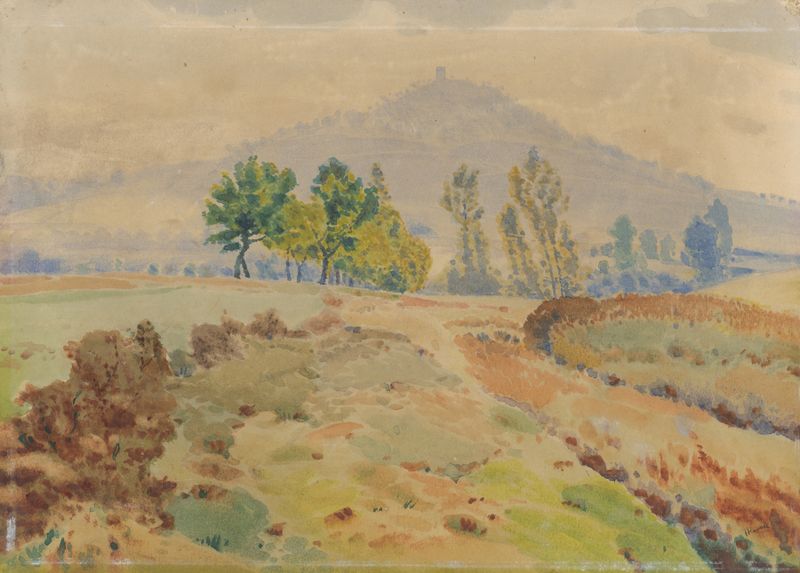
Landscape with Castle Ruins
František Kaván

Garden In Libuň
František Kaván
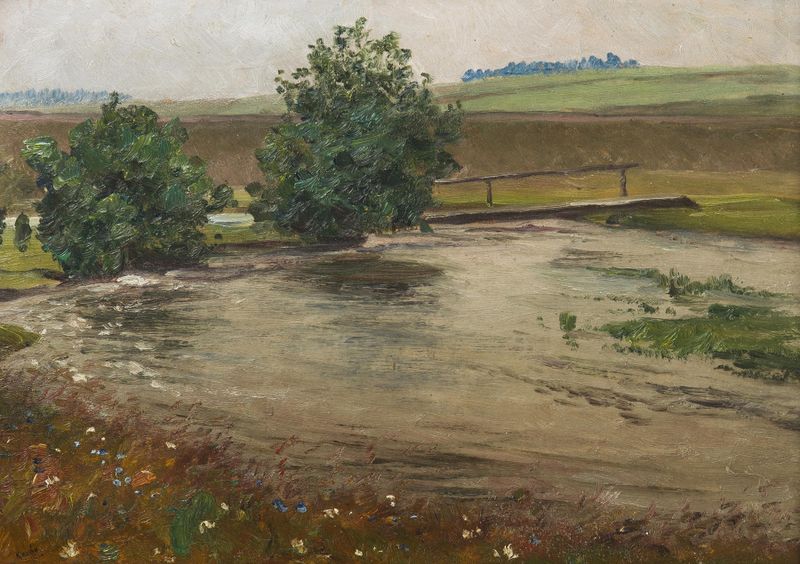
Spring Landscape
František Kaván
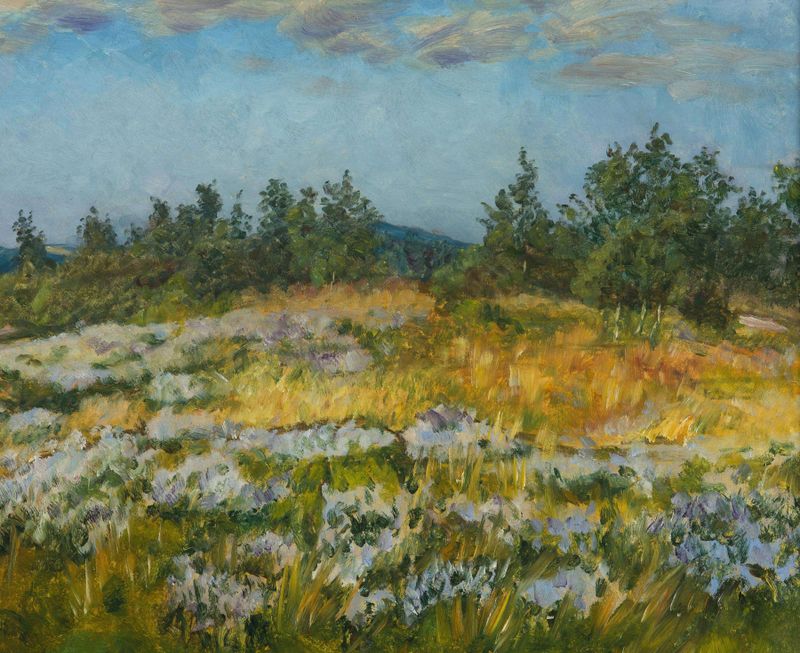
A Little Bit of Heather
František Kaván
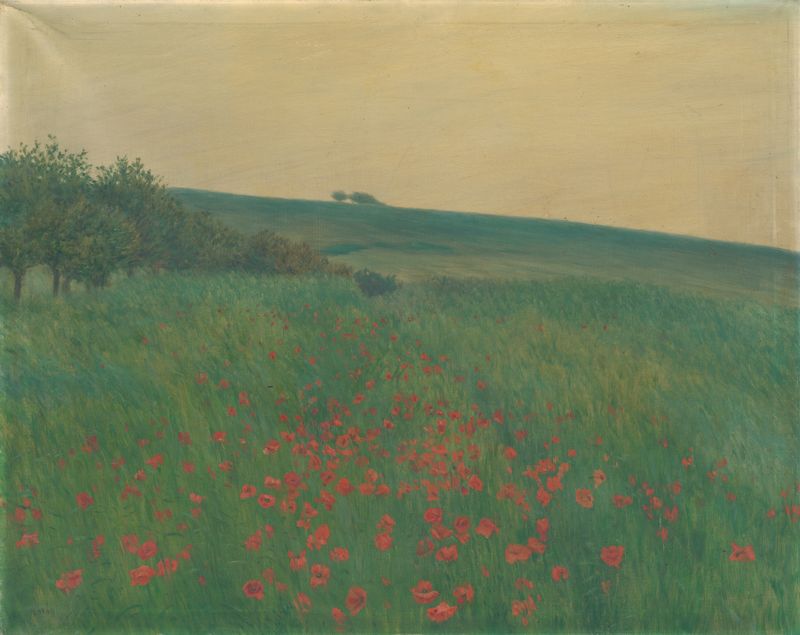
Red Poppies
František Kaván

The Beginning of Autumn
František Kaván

Edge of a Forest
František Kaván





