
The Beginning of Autumn — History & Facts
When did color learn to lie? In a world where dreams intermingle with reality, the hues of autumn whisper secrets and evoke memories, blurring the lines between what is seen and what is felt. Look to the center of the composition, where the gentle undulation of a countryside landscape beckons the eye. The soft brushstrokes create a tapestry of golden yellows and rusted oranges, illuminating the canvas with warmth. Notice how the light dances across the treetops, casting long shadows that invite contemplation and hint at the passage of time, while the serene sky above breathes a sense of tranquility into the scene. Hidden within this pastoral setting are contrasts that pulse with life—a hint of nostalgia, perhaps, as the vibrant foliage suggests the fleeting beauty of change.
The careful placement of the darkened woodland edge offers a juxtaposition of life and decay, serving as a reminder of nature’s cyclical narrative. Each color, each shadow, feels both a celebration and an elegy, intertwining joy and melancholy in a singular moment. František Kaván created The Beginning of Autumn in a period marked by personal introspection and a growing appreciation for the natural world, often reflecting the profound connection between humanity and nature. Painting in the early 20th century, he was influenced by Symbolism and Impressionism, seeking to capture the ephemeral beauty of landscapes while resonating with broader themes of existence and time.
More Artworks by František Kaván
Browse all →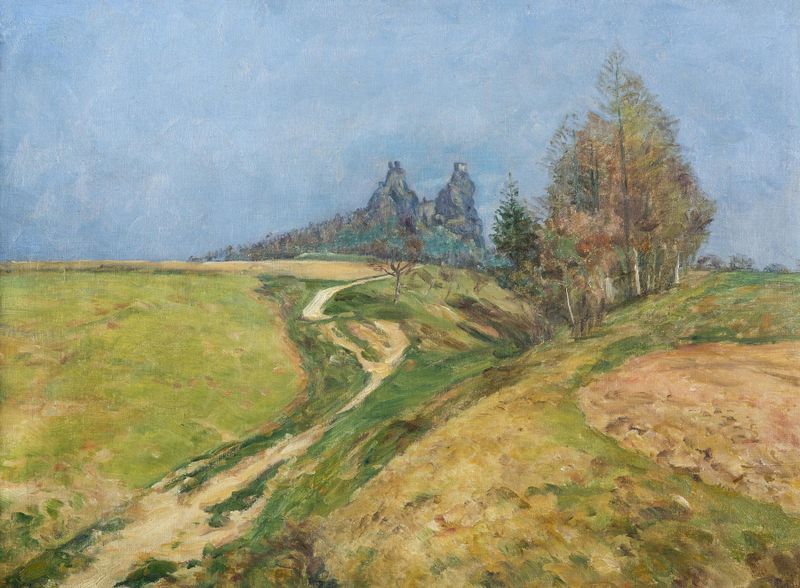
Spring beneath Trosky
František Kaván
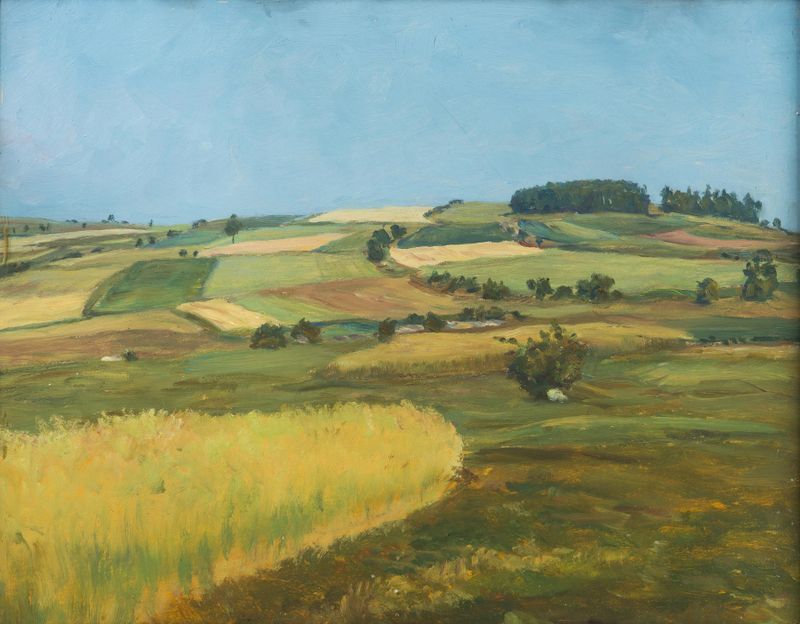
Mountain Fields
František Kaván

Early Spring
František Kaván
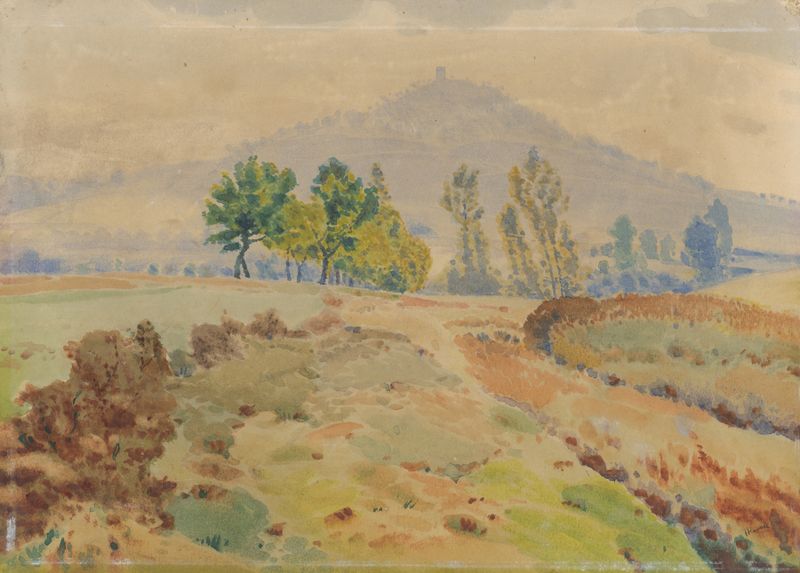
Landscape with Castle Ruins
František Kaván

Garden In Libuň
František Kaván
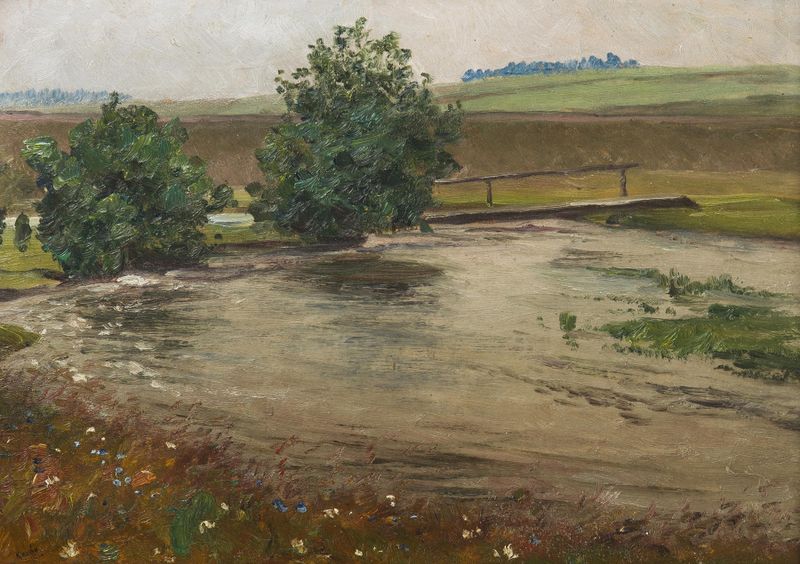
Spring Landscape
František Kaván
A Little Bit of Heather
František Kaván
Red Poppies
František Kaván
A Wet Winter
František Kaván

Edge of a Forest
František Kaván





