
Edge of a Forest — History & Facts
Could a single brushstroke hold eternity? In Edge of a Forest, serenity unfolds with each delicate stroke, inviting us into a tranquil embrace where nature whispers its timeless secrets. Look to the left at the soft, muted greens that cradle the edge of the forest, where trees stand sentinel against the fading light. The gentle gradient of color transitions from deep earth tones to pale pastel hues, creating a harmonious blend that captures the essence of twilight. Notice how the brushwork varies from fluid and soft around the foliage to a more structured depiction of the trunks, reflecting both the spontaneity and precision of the artist's technique.
This careful composition draws the eye inward, beckoning you to explore the tranquil depths of the woodland. The painting speaks to contrasts—the juxtaposition of light and shadow, the tension between the dense forest and the open space beyond it. The way the darkened trees loom over the lighter ground evokes a sense of mystery and contemplation, suggesting that peace may lie just beyond the veil of the known. These small details—a fallen branch, a scattering of leaves—become symbols of the cycle of life, embodying both the fragility and resilience of nature. In 1894, František Kaván, immersed in the artistic climate of Czech modernism, painted this piece as he sought to express the same tranquility he found in the natural world surrounding him.
Living in a time of profound change in Europe, Kaván's works reflect a return to nature, evoking a sense of refuge and introspection in a rapidly evolving society.
More Artworks by František Kaván
Browse all →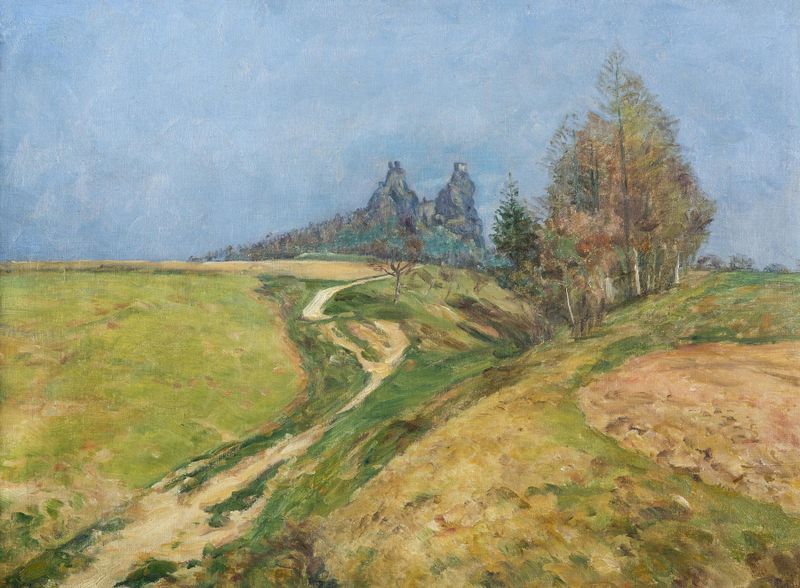
Spring beneath Trosky
František Kaván
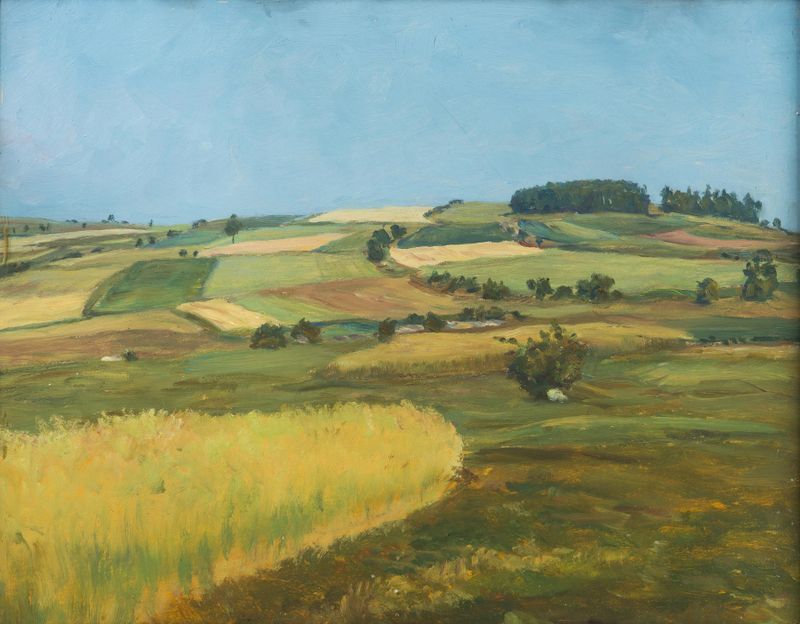
Mountain Fields
František Kaván

Early Spring
František Kaván
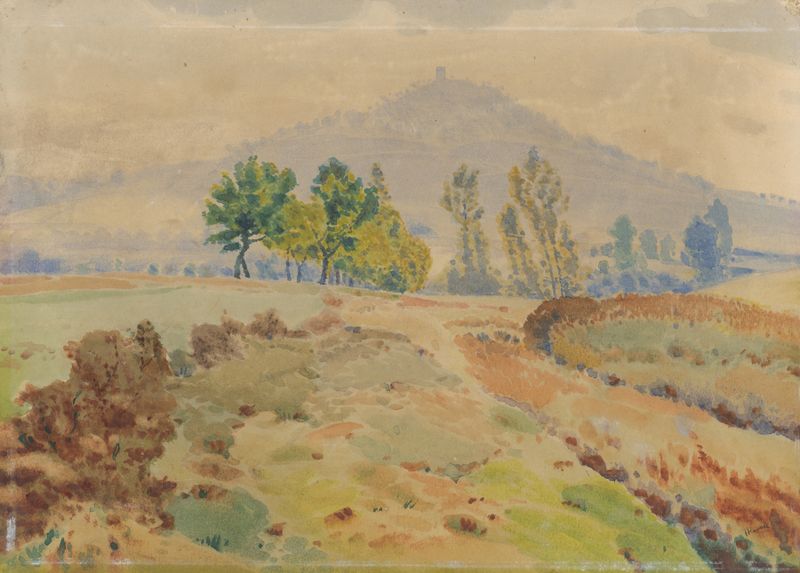
Landscape with Castle Ruins
František Kaván

Garden In Libuň
František Kaván
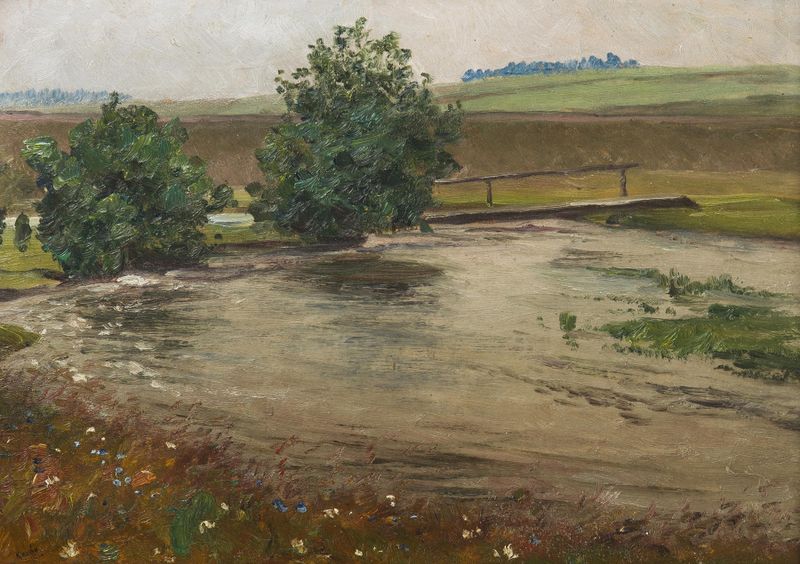
Spring Landscape
František Kaván
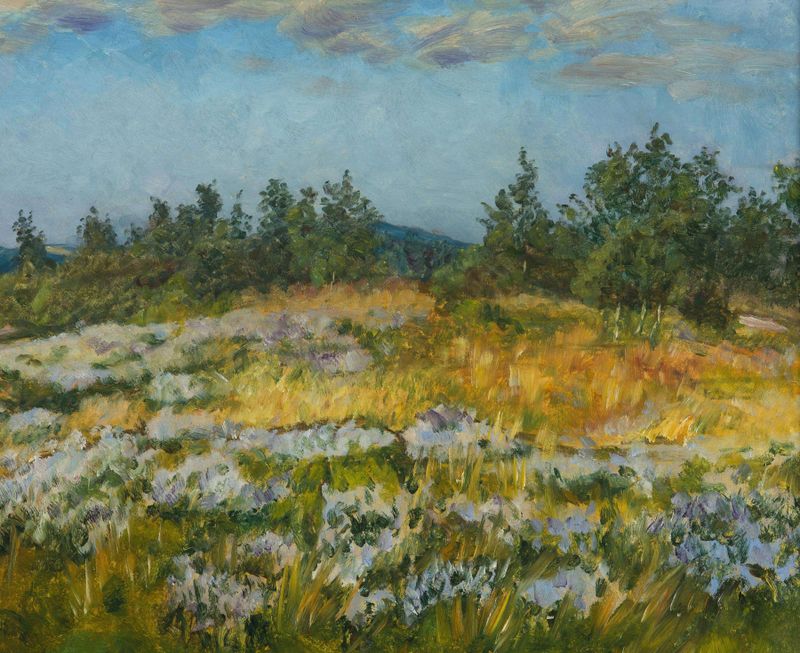
A Little Bit of Heather
František Kaván
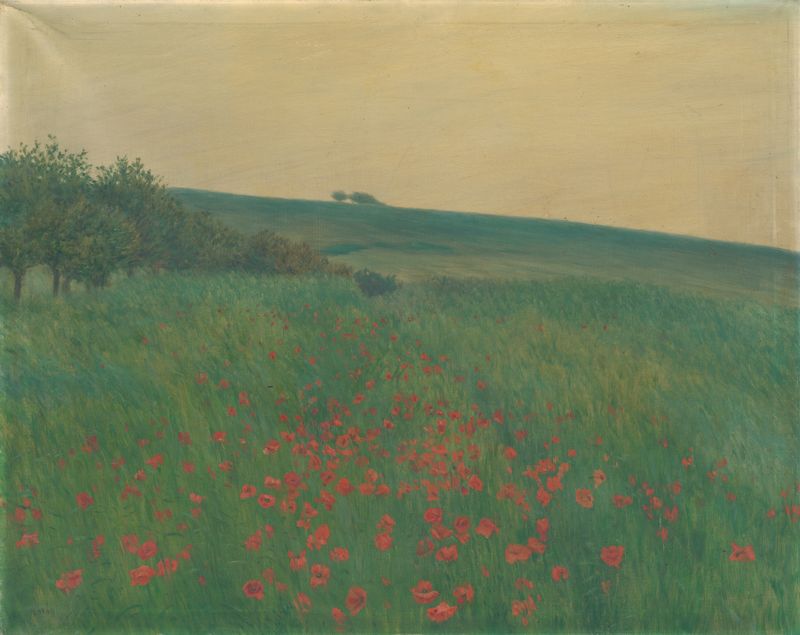
Red Poppies
František Kaván

The Beginning of Autumn
František Kaván
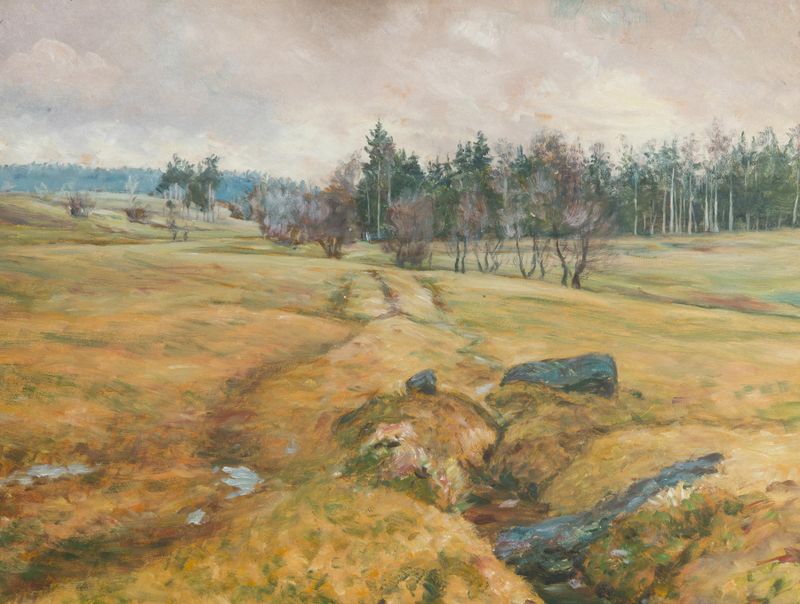
A Wet Winter
František Kaván





