A Wild Duck Swimming by a Snow-covered Bank beneath Snow-laden Reeds — History & Facts
In moments of quiet solitude, we find ourselves drawn to the stillness that reverberates in the heart of a scene. Here, nostalgia washes over us like a gentle current, inviting contemplation and reflection. Look to the center of the composition, where the wild duck glides effortlessly across the water's surface, its delicate form contrasting beautifully with the heavy blanket of snow-white that surrounds it. Notice how the artist captures the interplay of light and shadow; the soft blues and whites evoke a chilly serenity, while the subtle strokes of brushwork lend a sense of harmony to the scene.
Each element, from the snow-laden reeds framing the waterway to the ripples created by the duck’s movement, guides your eye and immerses you in this tranquil moment. Underlying this serene portrayal is a profound emotional tension—a juxtaposition between the vibrancy of life and the stillness of winter. The duck’s graceful swim serves as a reminder of resilience amidst the unforgiving cold, while the heavy snowfall symbolizes both beauty and isolation. Each detail, whether it be the intricate textures of the reeds or the reflective quality of the water, reveals a world suspended in time, where stillness contrasts with the fleeting nature of existence. During the 1830s, Utagawa Hiroshige was establishing his legacy as one of Japan's foremost ukiyo-e artists.
Working in Edo (now Tokyo), he captured the essence of nature and everyday life with an innovative approach that garnered significant attention. This period was marked by a growing appreciation for landscape art, as the world around him transformed through modernization, leading Hiroshige to explore the emotional depths of natural beauty in works like this one.
More Artworks by Utagawa Hiroshige
Browse all →
Sudden Shower over Shin Ohashi Bridge and Atake (Ohashi Atake no yudachi), from the series "One Hundred Famous Views of Edo (Meisho Edo hyakkei)"
Utagawa Hiroshige
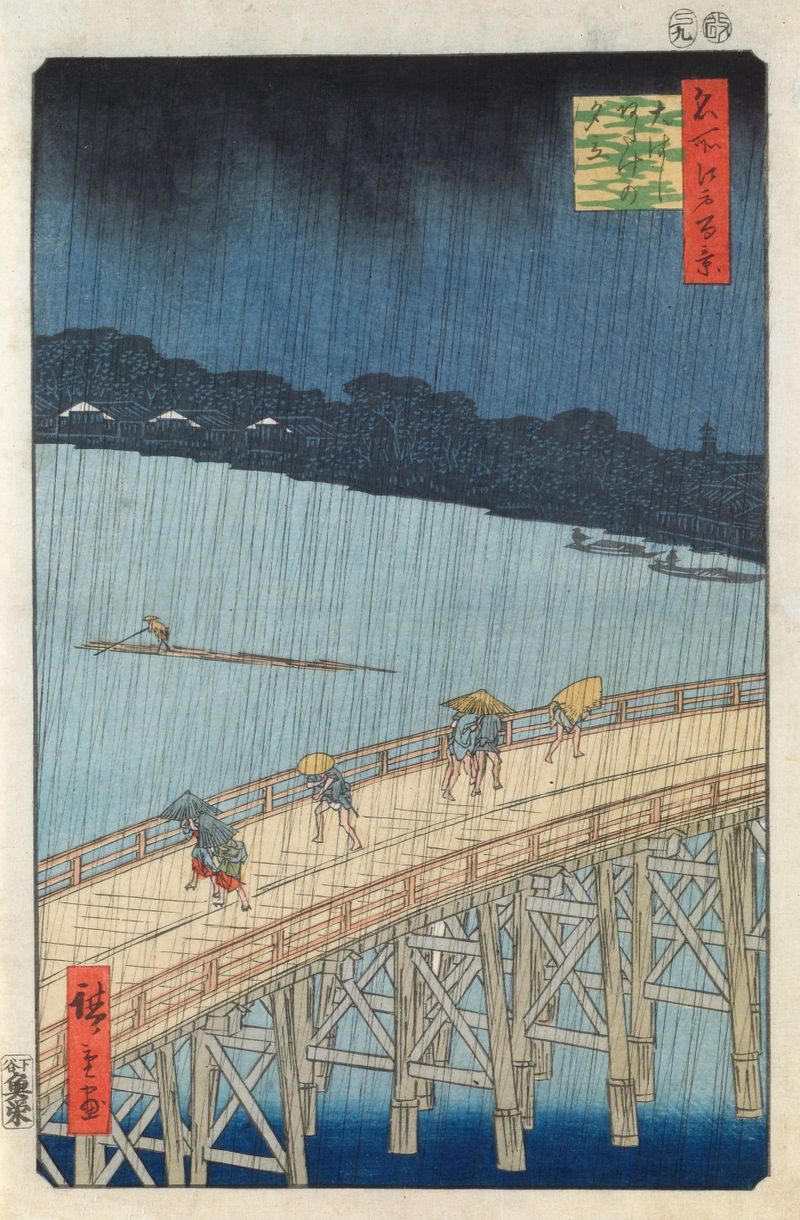
Sudden Shower Over Ohashi Bridge and Atake
Utagawa Hiroshige
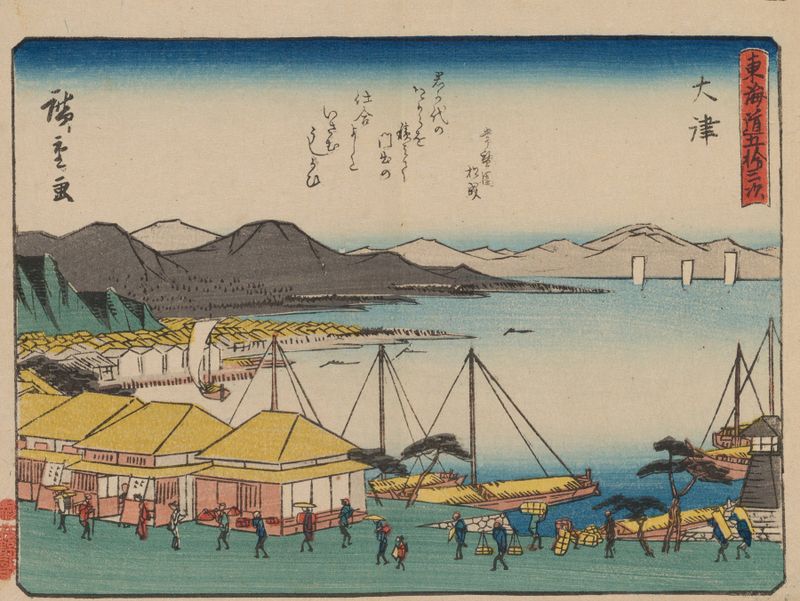
Tokaido gojusantsugi, Pl.54
Utagawa Hiroshige
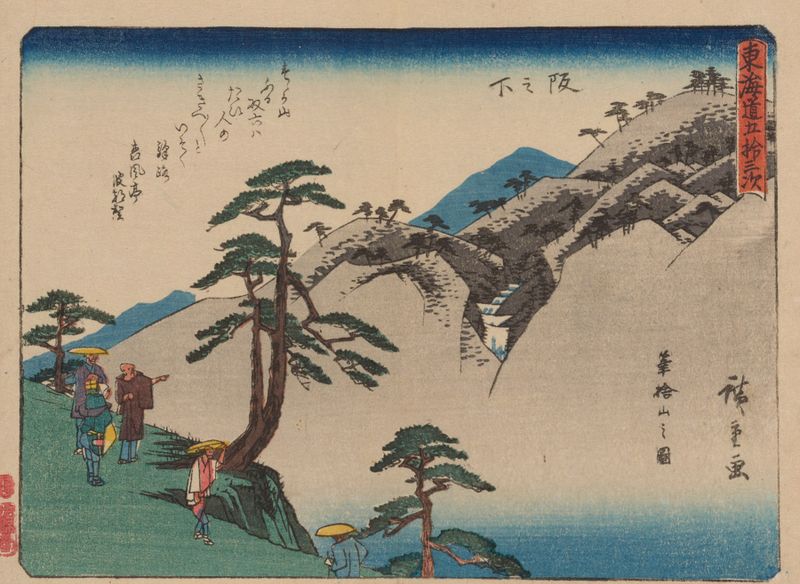
Tokaido gojusantsugi, Pl.49
Utagawa Hiroshige
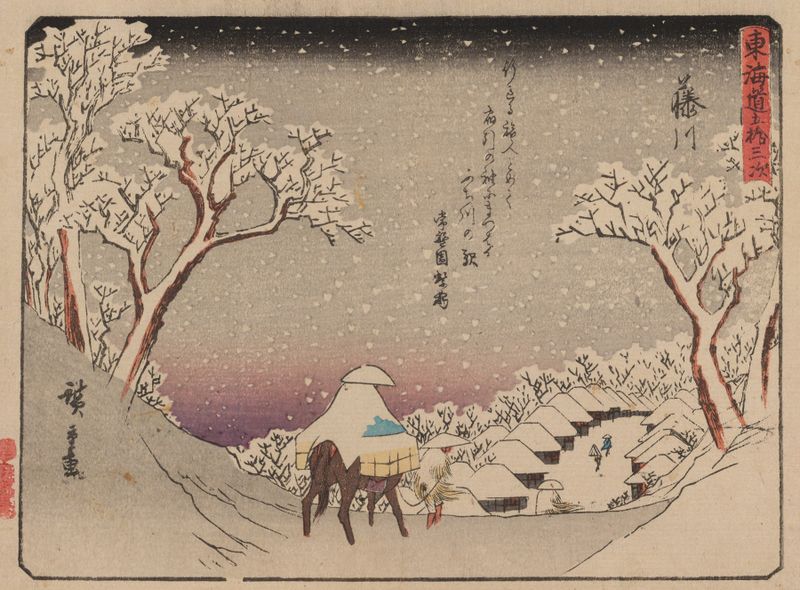
Tokaido gojusantsugi, Pl.38
Utagawa Hiroshige
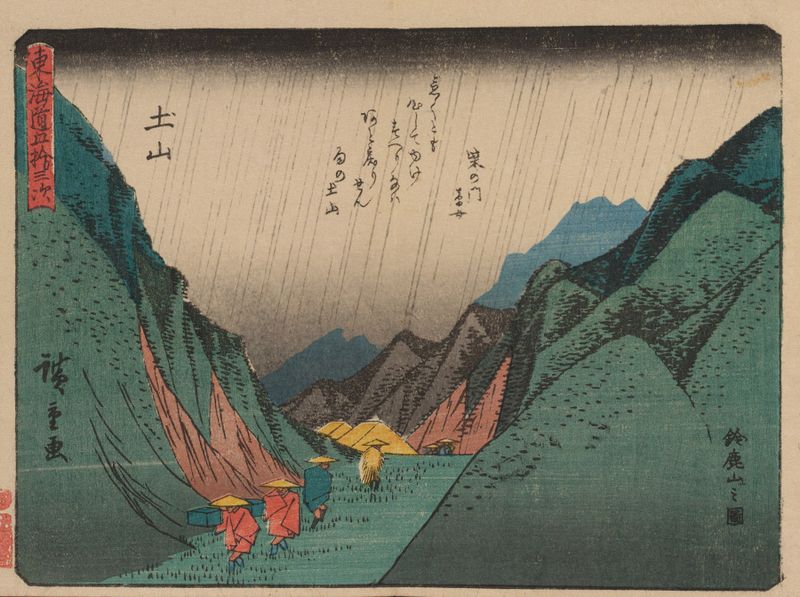
Tokaido gojusantsugi, Pl.50
Utagawa Hiroshige
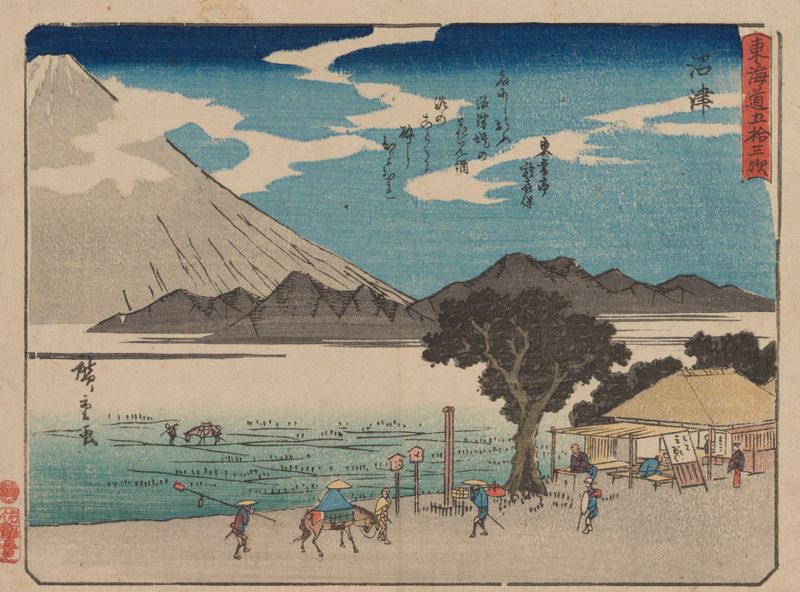
Tokaido gojusantsugi, Pl.13
Utagawa Hiroshige
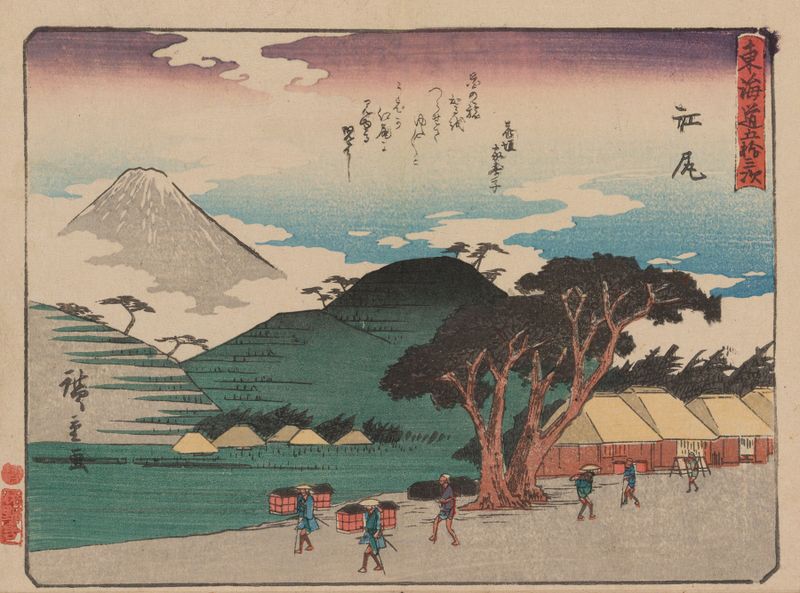
Tokaido gojusantsugi, Pl.19
Utagawa Hiroshige
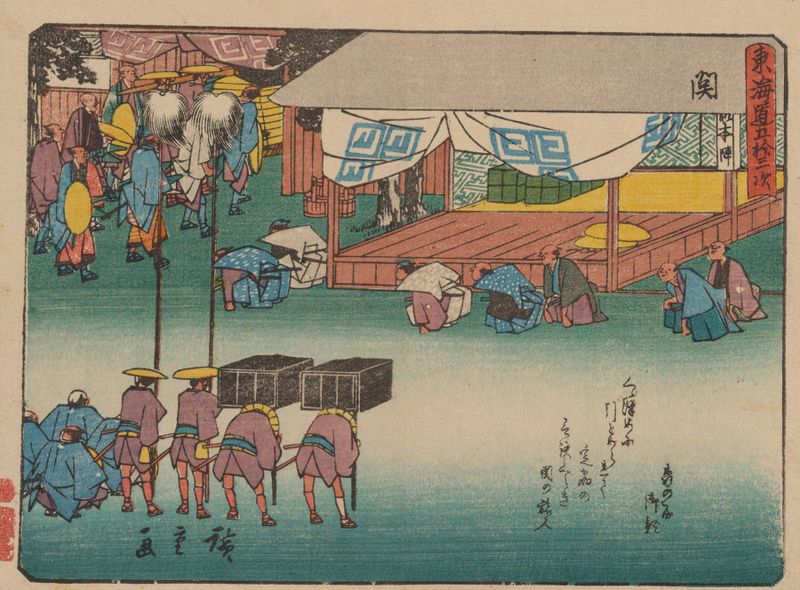
Tokaido gojusantsugi, Pl.48
Utagawa Hiroshige
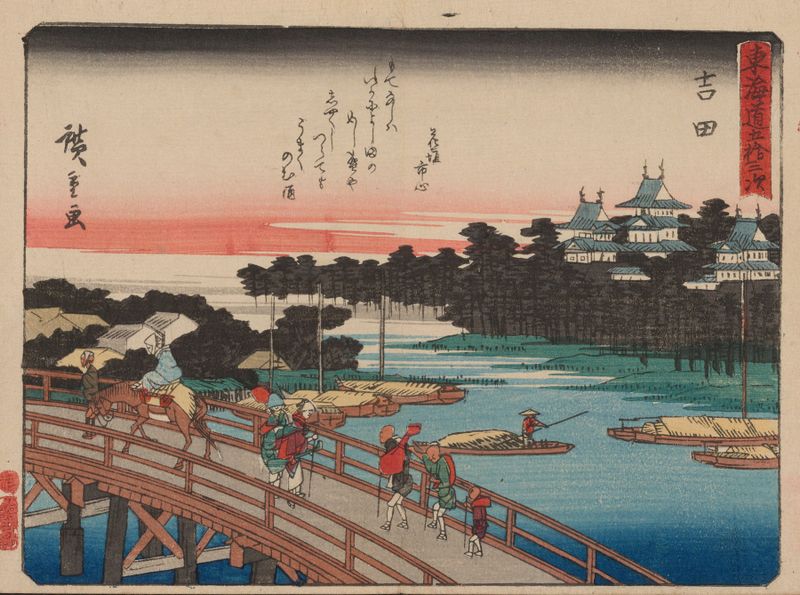
Tokaido gojusantsugi, Pl.35
Utagawa Hiroshige