
A Winter Landscape — History & Facts
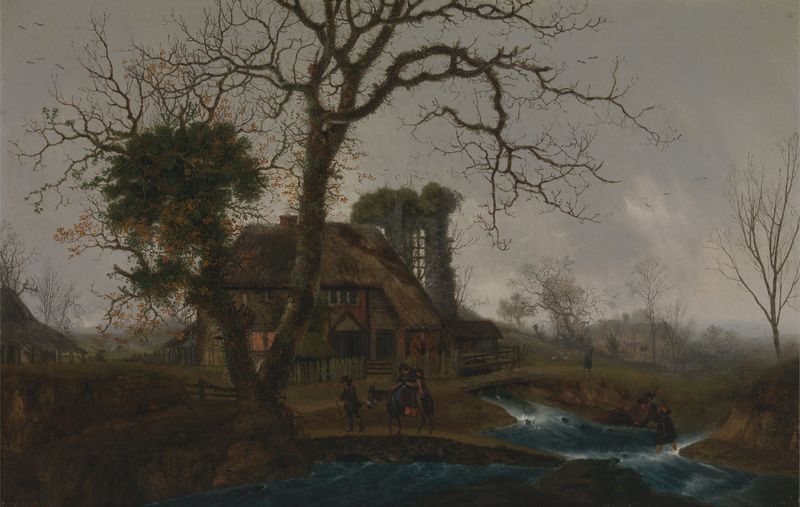
Did the painter know this moment would outlive them? In the quiet embrace of snow, innocence shimmers like sunlight on untouched drifts, forever captured in time. Look to the foreground, where delicate brushstrokes define the subtle contours of a snow-covered path. Notice how the layers of white create a soft, inviting surface, inviting the viewer to step into this serene expanse. The sky above, painted in cool blues and soft grays, hints at the onset of dusk, casting an ethereal glow across the landscape.
Each element, from the skeletal trees to the distant hills, is orchestrated with meticulous attention, enhancing the painting's tranquil rhythm. Yet beyond the pristine beauty lies a deeper contrast. The starkness of the winter scene evokes both the purity of nature and the solitude of human existence. Hidden figures in the distance, perhaps travelers or townsfolk, reflect a fleeting connection to warmth and community, hinting at stories untold beneath the surface of snow.
This duality of isolation and innocence coexists, inviting contemplation about the fragility of life within nature's grandeur. In 1752, George Smith painted this piece during a time of burgeoning interest in landscape art in England. The Rococo and Baroque influences were giving way to a more pastoral sensibility, marked by a growing appreciation for the beauty of the natural world. Smith, entrenched in this evolving artistic landscape, captures not only the season's chill but also the warmth of nostalgia, revealing a moment in time that resonates with viewers across centuries.
More Artworks by George Smith
Browse all →
A wooded landscape with fishermen and shepherds by a pond, a ruined castle beyond
George Smith

Hop Pickers Outside a Cottage
George Smith
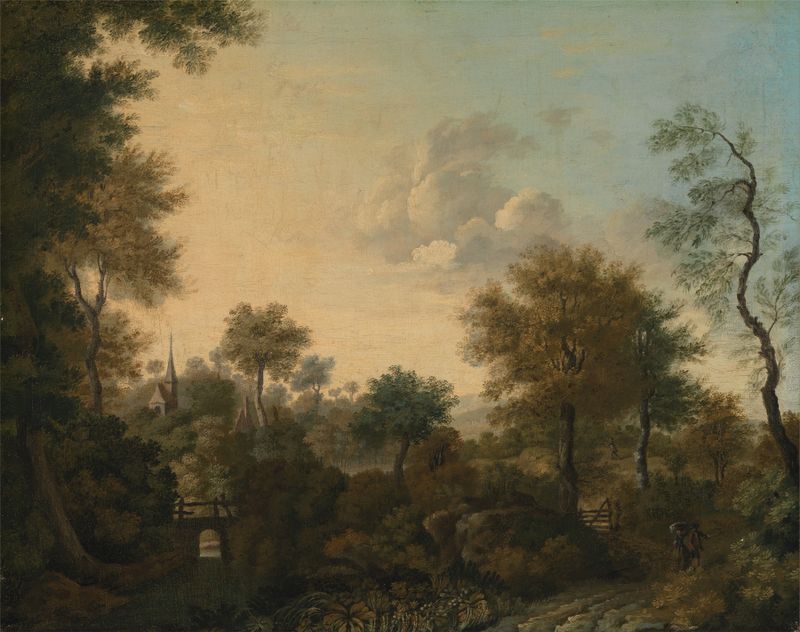
A View Supposedly Near Arundel, Sussex, with Figures in a Lane
George Smith
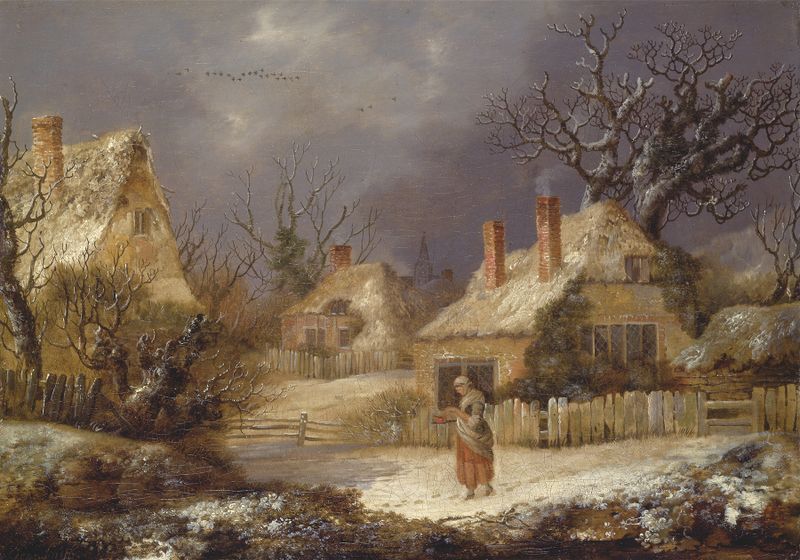
A Winter Landscape
George Smith
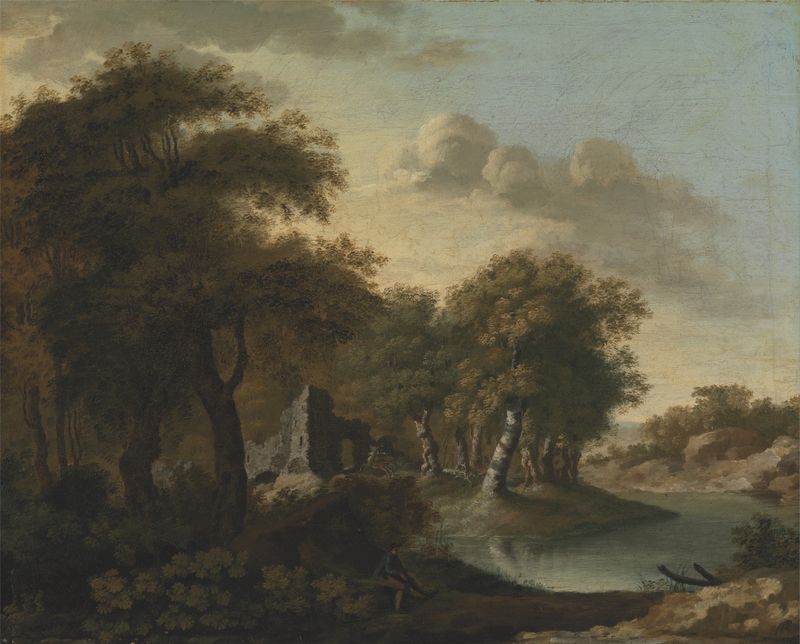
A View Near Arundel, Sussex, with Ruins by Water
George Smith
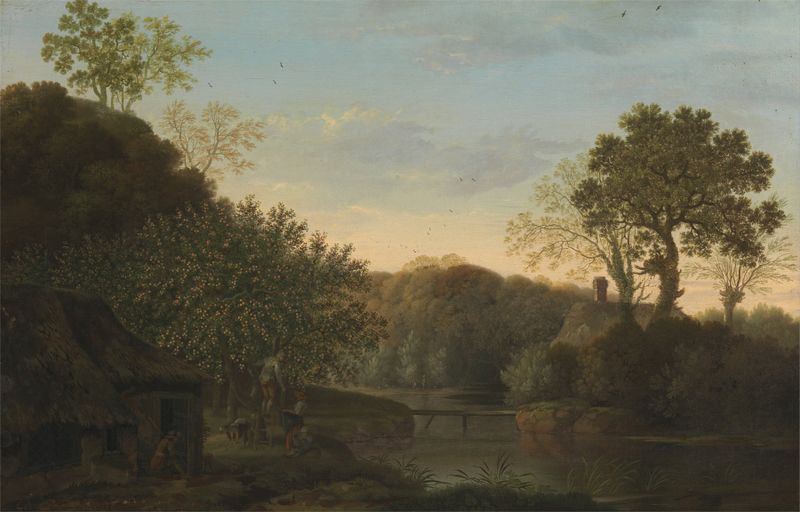
An Autumn Landscape with Apple Pickers
George Smith
Winter landscape
George Smith





