A Winter Morning, Hoar Frost Melting — History & Facts
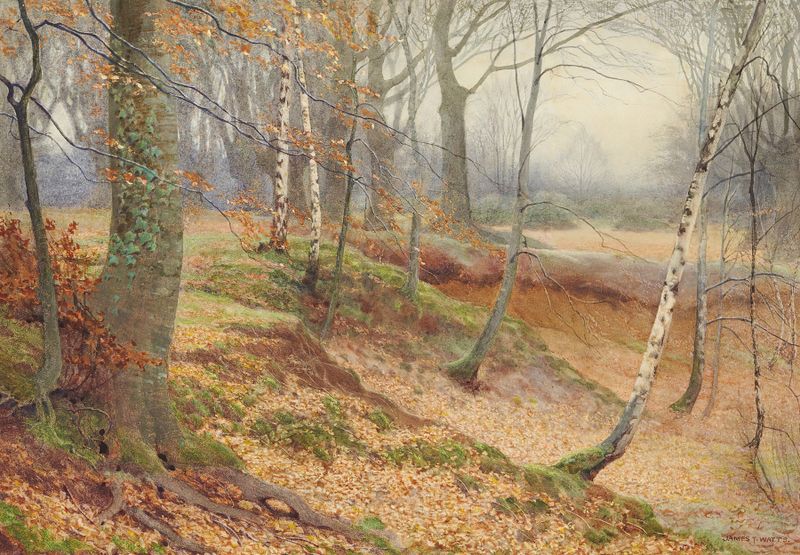
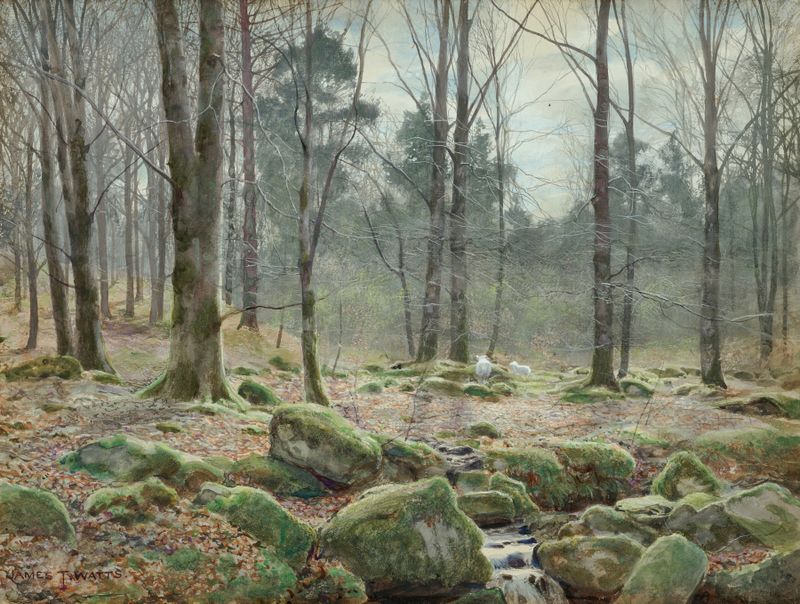
Where does light end, and longing begin? In the quiet of a winter morning, the atmosphere is thick with unspoken emotions, a palpable tension that dances between the brilliance of dawn and the shadows of grief. Focus on the delicate interplay of color and texture across the canvas. The soft blues and grays give way to gentle hints of gold and amber, indicating the sun’s tentative arrival. Notice how the frost clings to the branches, glistening in the emerging light, while the ground reveals a patchwork of thawing earth, signaling the slow return of life.
Each stroke conveys a sense of fragility, inviting the viewer to explore the subtle nuances in form and hue. The painting embodies a deep emotional contrast—a celebration of nature's resilience intertwined with a sense of loss. The melting frost symbolizes the passage of time, where memories linger like the fading chill, evoking a bittersweet nostalgia. The juxtaposition of light and shadow encapsulates the complexity of human experience, reminding us that within beauty often lies sorrow. James Thomas Watts created this work around 1892, during a transformative period in the art world marked by a shift towards impressionism.
While living in the United Kingdom, he explored themes of nature and emotion in his paintings, striving to capture the ephemeral beauty of everyday life. This piece reflects both the artist’s personal journey and the broader artistic movements of his time, as he sought to reconcile the transient moments of existence with something enduring.