Sunny April Morning, Betws-y-Coed, North Wales — History & Facts
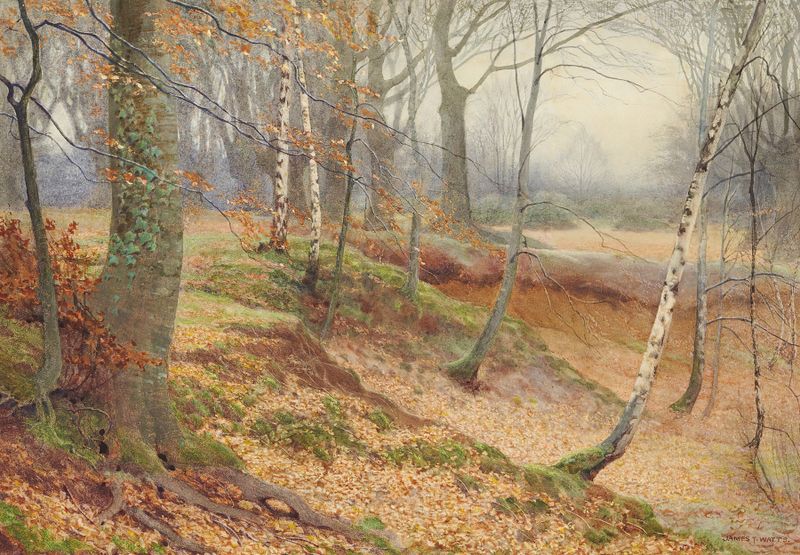
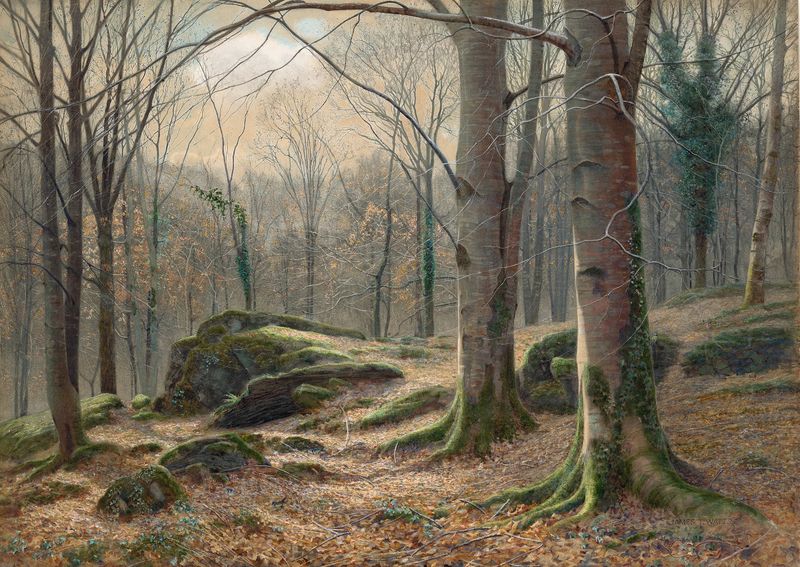
What if beauty was never meant to be finished? In that fleeting moment of perfection, does it not echo the melancholy of all things ephemeral? Look to the left at the vibrant greens that stretch into the distance, a tapestry of nature’s lush splendor captured in soft strokes. The light dances across the surface of the water, reflecting the bright sky above and illuminating the subtle brushwork that defines the surrounding foliage. Notice the gentle curves of the river that lead the eye through the landscape, guiding you deeper into the scene, inviting contemplation on the delicate balance between tranquility and transience. Hidden within this idyllic setting lies a deeper tension—a quiet longing that permeates the air.
The vibrant colors juxtaposed against the shadowed corners hint at unspoken stories and emotions lingering in the scenery. Each brushstroke seems to whisper of the passage of time, echoing the artist’s own struggle to hold onto moments of beauty before they slip away, a reminder that even the most picturesque places are tinged with sadness as they fade into memory. In his lifetime, the artist created this work during a period of personal exploration, possibly around the late 19th century, while living in Wales. The region was flourishing as an artistic refuge, attracting those seeking inspiration among its natural beauty.
At this time, the movement towards impressionism was gaining traction, allowing artists like him to experiment with light and color in ways that reflected the transient nature of their subjects. The painting encapsulates not only the landscape but also the prevailing sentiment of a world in transition, one foot in the present and the other stepping lightly into the future.