
A Wooded Landscape — History & Facts
In the quiet embrace of nature, a landscape unfolds as a testament to the multiplicity of existence and revelation. Look to the center of the canvas, where a delicate interplay of greens and browns draws your gaze. The trees, painted with meticulous brushstrokes, create a textured canopy that lets dappled sunlight spill onto the forest floor. Notice how the light dances, coaxing out the rich hues of foliage, giving life to the underbrush with splashes of amber and gold, inviting the viewer to step into this serene world. Delve deeper into the composition, where contrasting elements enhance its emotional resonance.
The gentle curve of the path seems to beckon you forward, yet the shadows cast by the trees remind you of the unknown awaiting just beyond the bend. This juxtaposition of warmth and coolness, light and shadow, reflects the duality of nature – both inviting and mysterious, familiar yet uncharted. Every brushstroke whispers secrets of serenity and introspection. In 1887, Mediz-Pelikan painted this work while residing in Vienna, a city buzzing with artistic innovation.
This period marked her exploration of natural landscapes, inspired by the burgeoning Impressionist movement sweeping through Europe. As artists sought to capture fleeting moments in nature, she carved her own path, blending the intimate with the expansive, revealing the profound connections between humanity and the natural world.
More Artworks by Emilie Mediz-Pelikan
Browse all →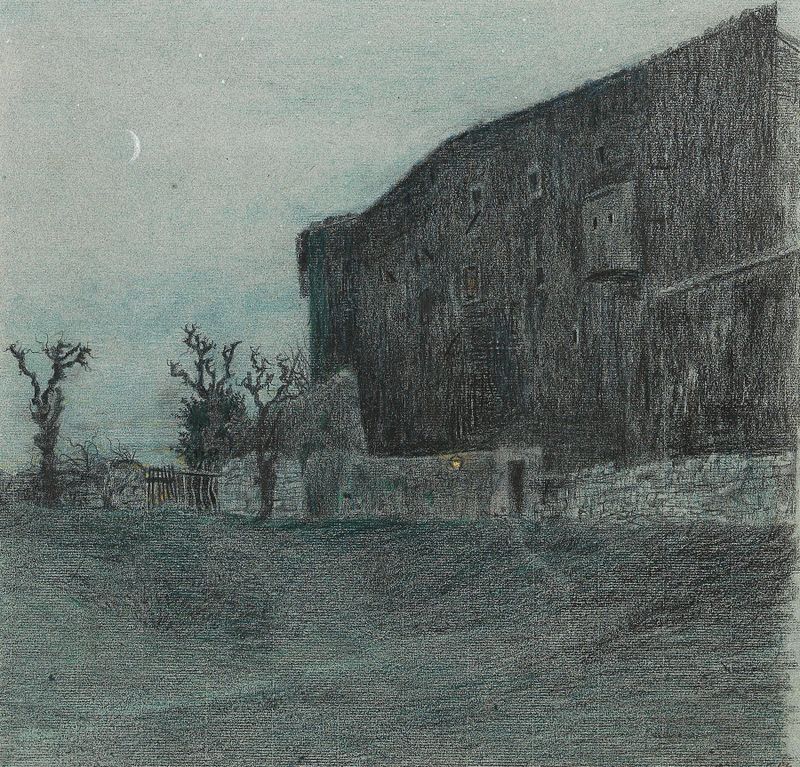
A Moonlit Night
Emilie Mediz-Pelikan
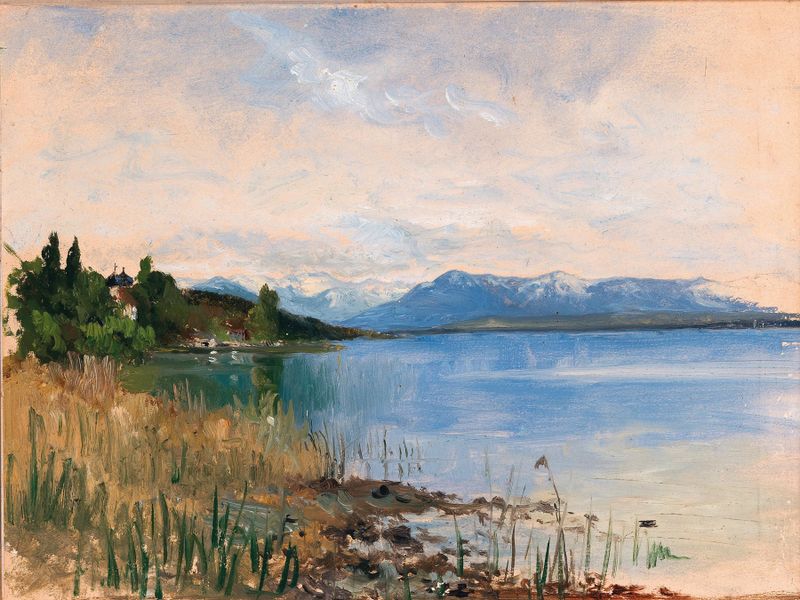
Starnberger See
Emilie Mediz-Pelikan

Hütte am Pass Luegg
Emilie Mediz-Pelikan

Dünenlandschaft am Abend
Emilie Mediz-Pelikan
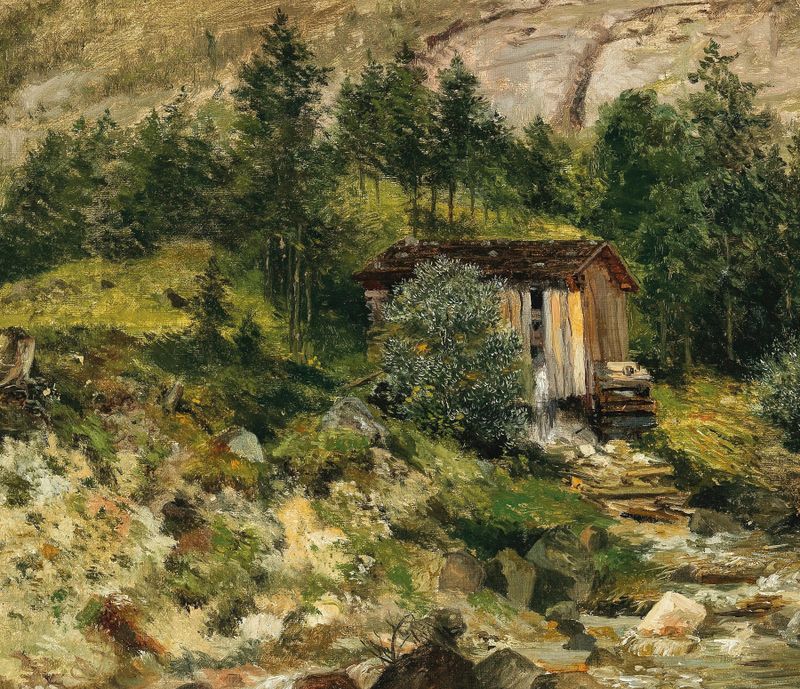
Hütte am Paß Luegg
Emilie Mediz-Pelikan

Fischreiher am Bergsee
Emilie Mediz-Pelikan
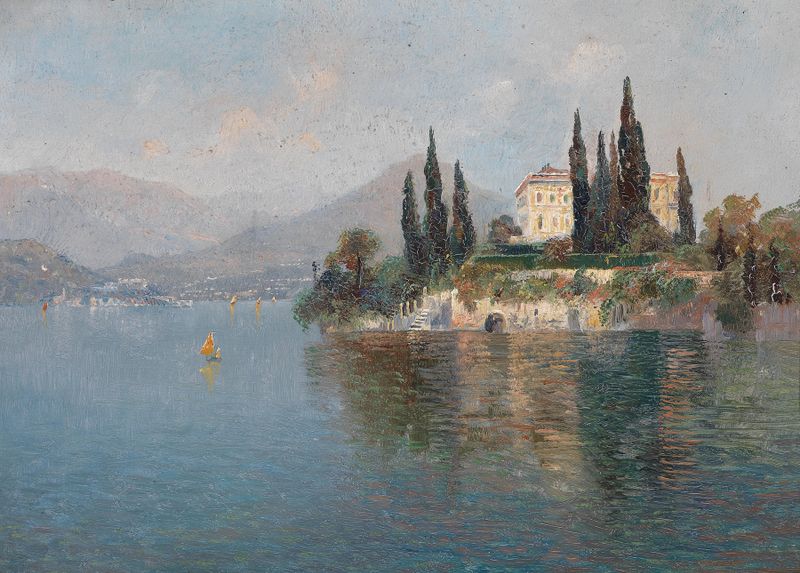
Villa Cipressi
Emilie Mediz-Pelikan

Willow trees at a brook
Emilie Mediz-Pelikan





