
Starnberger See — History & Facts
Who listens when art speaks of silence? In Starnberger See, the haunting stillness whispers of destiny, inviting viewers to contemplate the weight of unspoken narratives. Look to the serene expanse of the lake, where the water glimmers like shattered glass beneath the soft embrace of a waning sun. The horizon is lined with delicate trees, their silhouettes caressed by a warm yet fading light. Notice how the soft pastels blend seamlessly into one another, creating a tranquil atmosphere that stirs both peace and longing.
The gentle brushstrokes evoke a sense of calm, guiding the gaze across the reflective surface of the water. Delve deeper into the painting's emotional undertones, where solitude and connection exist in quiet tension. The lake, a symbol of both stillness and depth, acts as a mirror for the soul’s contemplations. The absence of figures amplifies this effect, suggesting an unfulfilled yearning for companionship or understanding.
Each ripple holds a story, a destiny unfulfilled, echoing the universal human experience of searching for meaning in moments of quiet introspection. Emilie Mediz-Pelikan painted Starnberger See in 1886 while living in Germany, a time when the Impressionist movement was reshaping perceptions of light and color. Amidst a burgeoning art scene, she sought to capture fleeting moments of beauty, often exploring themes of solitude and nature. This work reflects her dedication to evoking emotion, as she skillfully balanced the innovative techniques of her contemporaries while maintaining her unique voice.
More Artworks by Emilie Mediz-Pelikan
Browse all →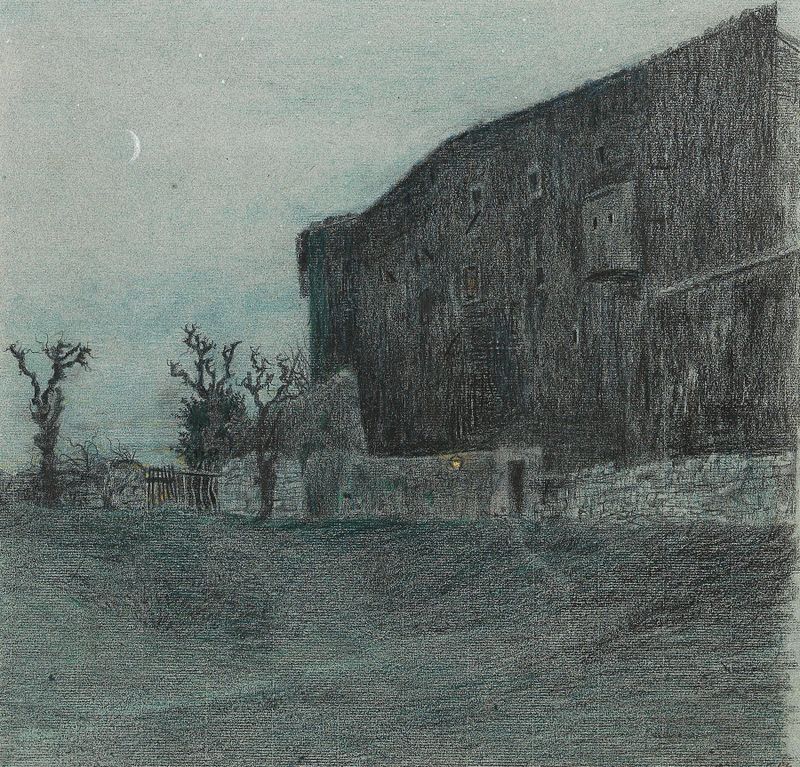
A Moonlit Night
Emilie Mediz-Pelikan

A Wooded Landscape
Emilie Mediz-Pelikan

Hütte am Pass Luegg
Emilie Mediz-Pelikan

Dünenlandschaft am Abend
Emilie Mediz-Pelikan
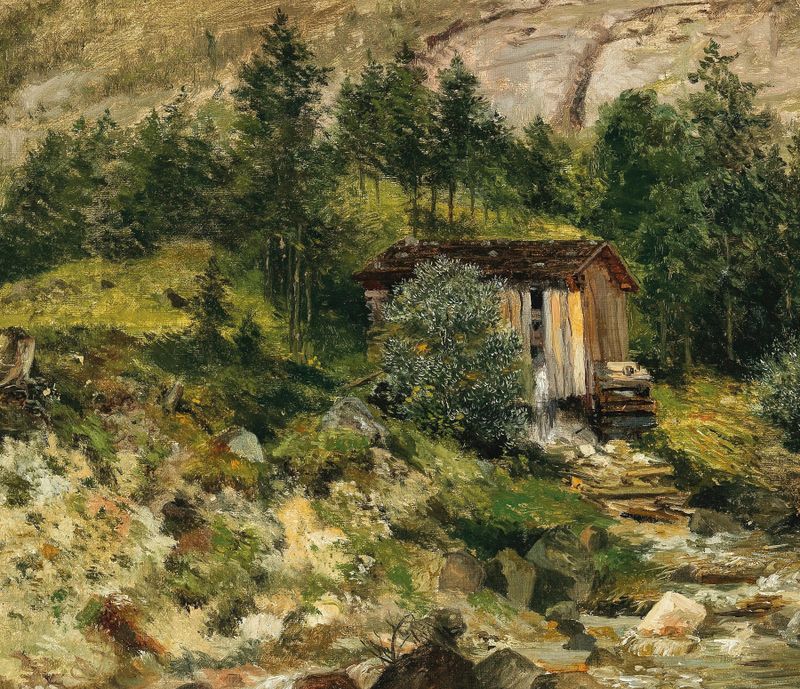
Hütte am Paß Luegg
Emilie Mediz-Pelikan

Fischreiher am Bergsee
Emilie Mediz-Pelikan
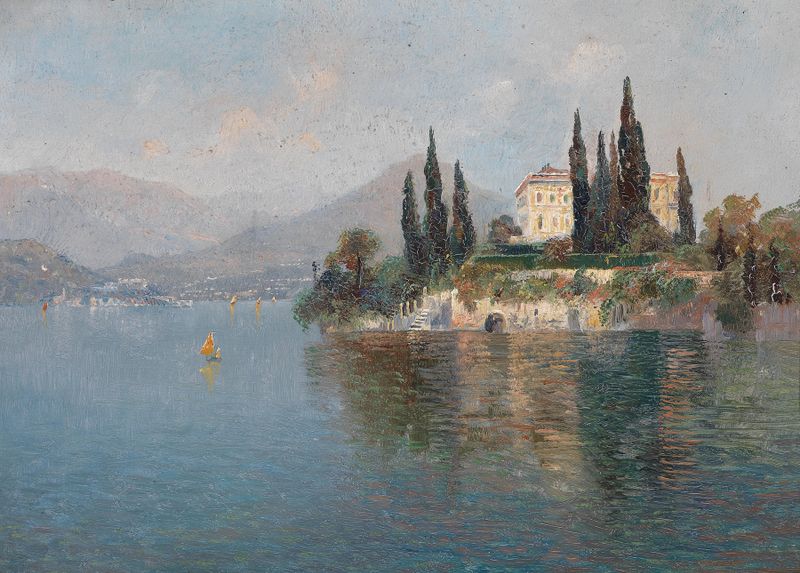
Villa Cipressi
Emilie Mediz-Pelikan

Willow trees at a brook
Emilie Mediz-Pelikan





