
Dünenlandschaft am Abend — History & Facts
This sentiment resonates deeply in the soft, melancholic hues of twilight, where shadows whisper secrets of the heart amid a tranquil landscape. Look to the left, where gentle dunes undulate against a fading sky. The warm golds and muted blues intertwine, creating a serene palette that soothes yet evokes longing. Notice how the delicate brushstrokes mimic the contours of the sand, their subtle texture drawing you into the warmth of the scene.
The horizon, a thin line of light, beckons, illuminating the edges of a world caught between day and night. Within this landscape lies a profound tension. The quiet beauty of the evening sky mingles with the weight of the impending darkness, suggesting a moment of reflection. The dunes, both inviting and isolating, echo the solitary journey of the soul—a yearning for connection amid serene solitude.
Each ripple in the sand holds a story, merging the fleeting beauty of the present with an underlying sense of melancholy. Emilie Mediz-Pelikan painted Dünenlandschaft am Abend in 1890 during a time when she was exploring her identity as an artist in a male-dominated field. Working in Vienna, she was influenced by the Symbolist movement, which sought to capture complex emotional truths within nature. This piece reflects her desire to convey profound feelings through the delicate interplay of color and form, illustrating the beauty that can emerge from sadness.
More Artworks by Emilie Mediz-Pelikan
Browse all →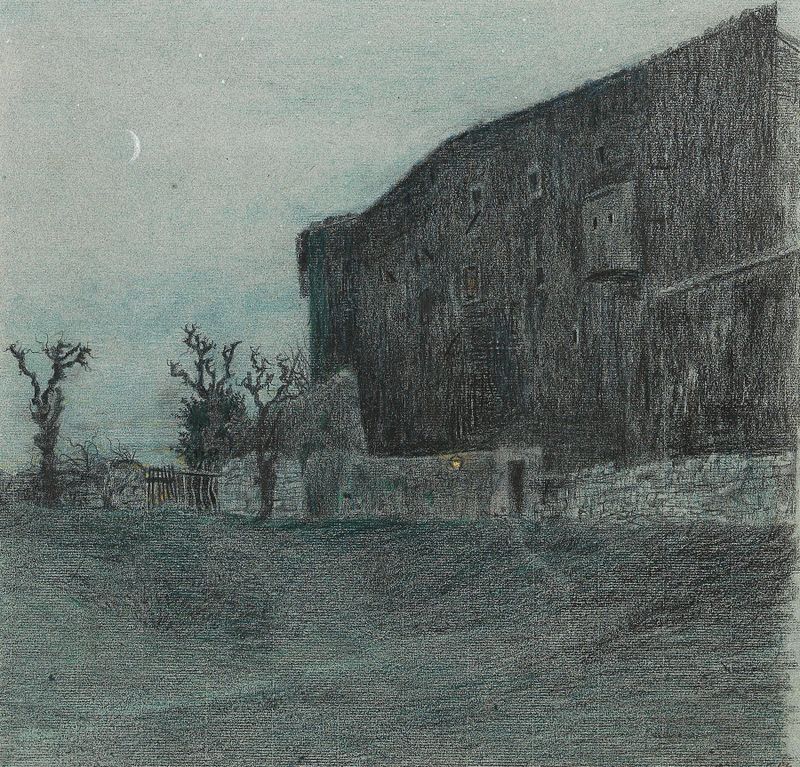
A Moonlit Night
Emilie Mediz-Pelikan
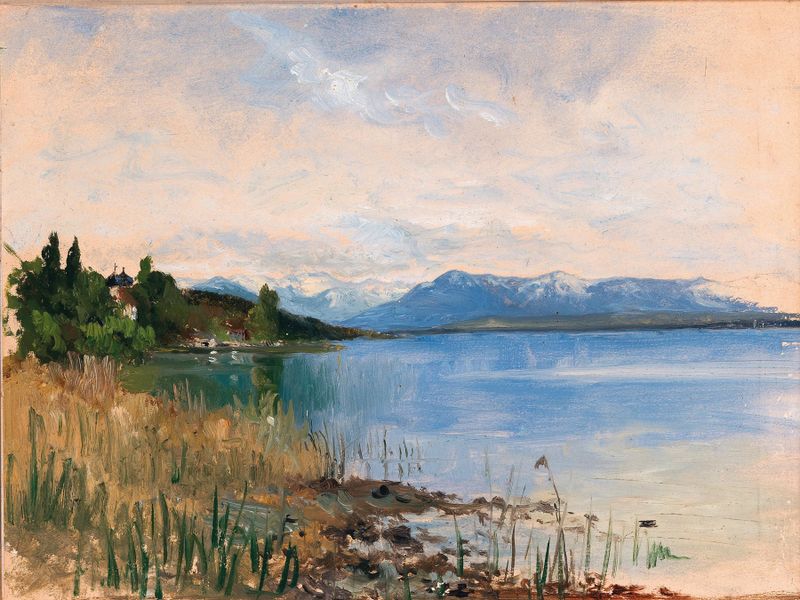
Starnberger See
Emilie Mediz-Pelikan

A Wooded Landscape
Emilie Mediz-Pelikan

Hütte am Pass Luegg
Emilie Mediz-Pelikan
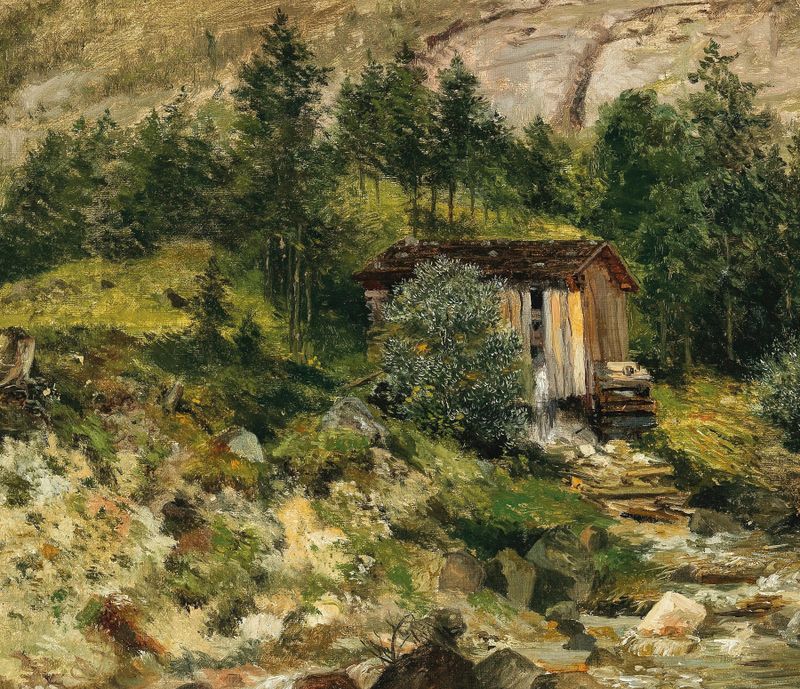
Hütte am Paß Luegg
Emilie Mediz-Pelikan

Fischreiher am Bergsee
Emilie Mediz-Pelikan
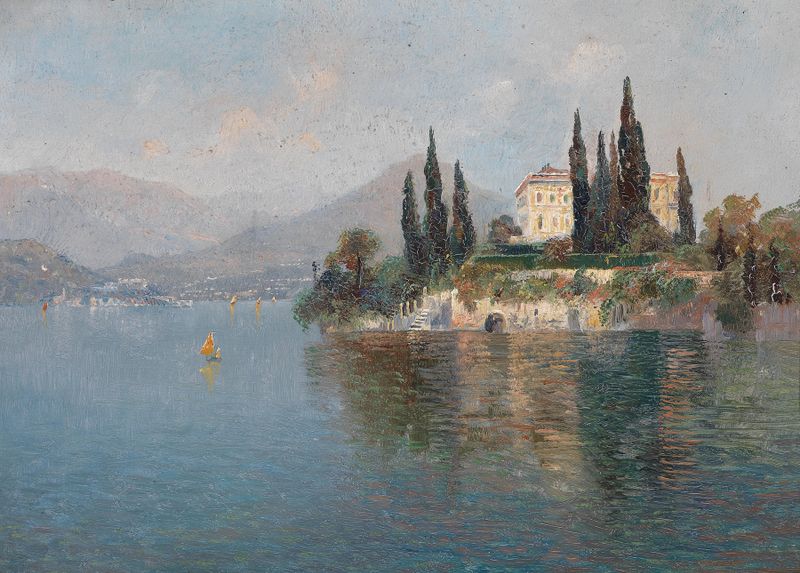
Villa Cipressi
Emilie Mediz-Pelikan

Willow trees at a brook
Emilie Mediz-Pelikan





