
A Wooded Lane near Ross — History & Facts
In a landscape shaped by subtle strokes, tranquility breathes through every inch of the canvas, inviting introspection and solace. Look closely to the left at the delicate interplay of light filtering through the forest canopy, illuminating pathways that seem to whisper secrets of the natural world. The rich greens of the foliage blend seamlessly with earthy browns, capturing the essence of a serene woodland, while hints of soft blue sky peek through the treetops. Varley’s masterful technique creates a textured depth, drawing the viewer into a tranquil stroll along the lane, where time appears to stand still. Beneath the surface, the painting holds layers of meaning: the path ahead evokes a sense of journey and contemplation, while the surrounding trees stand as silent guardians, embodying both solitude and connection to nature.
The simplicity of the scene belies an emotional richness — a reminder of the peaceful refuge found in the embrace of the woods, where one can escape the chaos of life. Each brushstroke is a meditation on stillness, allowing viewers to reflect on their own desires for escape and serenity. Varley painted this work in 1803, during a time when the Romantic movement was gaining prominence, emphasizing nature's beauty and emotional depth. Living in England, he was influenced by the picturesque landscape tradition, as well as the burgeoning appreciation for the natural world amidst the Industrial Revolution’s encroachment.
This painting embodies a crucial moment when artists sought to reconnect with the tranquility of the natural landscape, positioning Varley as a significant figure within this evolving narrative.
More Artworks by Cornelius Varley
Browse all →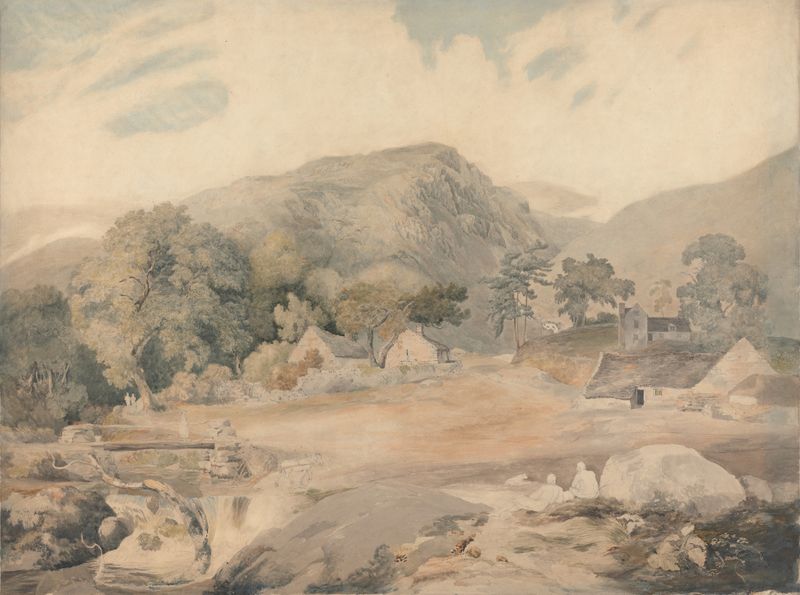
View near Tal-y-Llyn
Cornelius Varley

Remains of Purton Hall, Staffordshire
Cornelius Varley
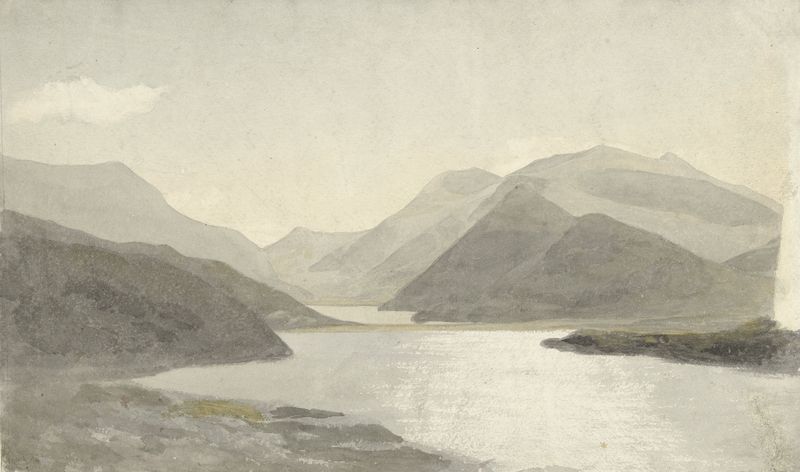
Sunlight over a Lake near Snowdon, Llanberis, North Wales
Cornelius Varley
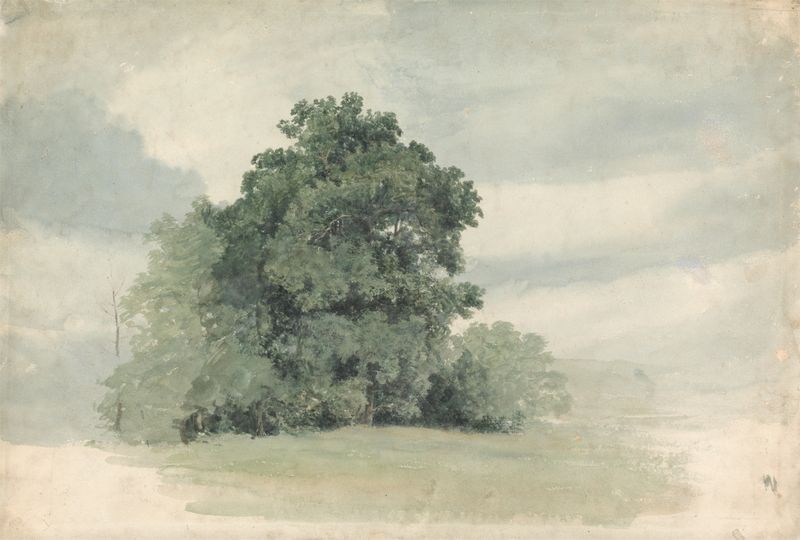
Study of Trees at the Edge of a Field
Cornelius Varley

An Extensive View in Shropshire
Cornelius Varley

Craig Goch, Moel Hebog, North Wales
Cornelius Varley

View of Moel Siabod from Beddgelert, North Wales
Cornelius Varley

Ardfert Cathedral, Kerry, Ireland
Cornelius Varley
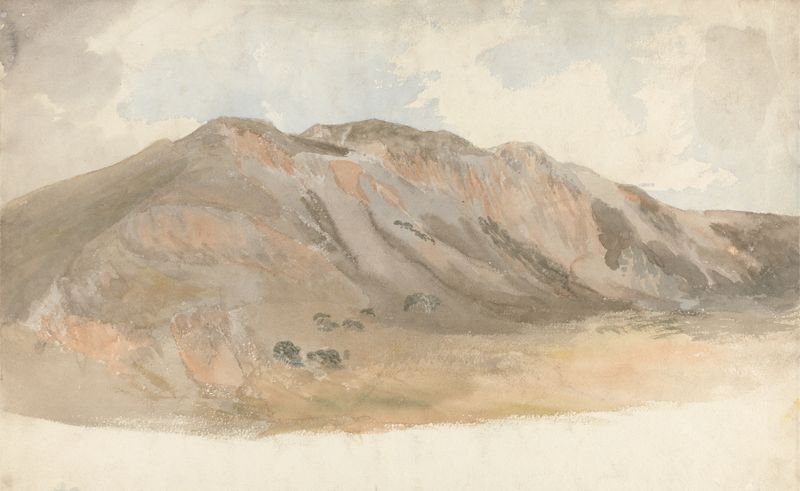
Mountain Landscape, North Wales
Cornelius Varley
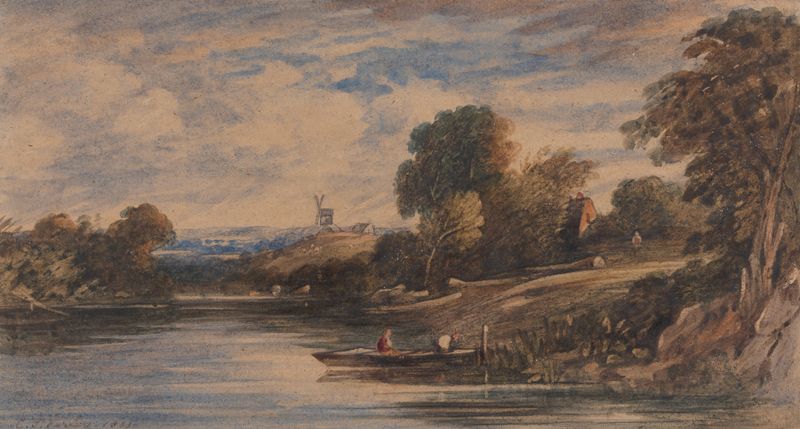
Landscape with Windmill
Cornelius Varley





