
Craig Goch, Moel Hebog, North Wales — History & Facts
The whispers of the natural world sometimes echo louder than the clamor of human ambition. In the quiet corners of the landscape, we often uncover the revolutionary spirit that stirs beneath the surface. Look to the left, where the rugged peaks of Moel Hebog rise majestically against a sprawling sky, painted in a delicate palette of blues and grays. As your gaze travels across the canvas, notice how the warm, earthy tones of the foreground—a blend of ochres and greens—contrast with the cool hues above, creating a sense of depth and life.
Varley’s meticulous brushwork captures the essence of the Welsh countryside, skillfully blending light and shadow to breathe vitality into every blade of grass and stone. Amidst this serene setting, the tension between nature’s beauty and the burgeoning industrial age is palpable. The rugged mountains stand as silent witnesses to a world on the brink of transformation, reflecting both the timelessness of the landscape and the fleeting nature of human endeavors. Each stroke in Varley’s painting is infused with a sense of longing, hinting at the revolutionary changes taking root in society just beyond the horizon. Created in 1802 during a period of great change in Britain, the artist sought to capture the profound connection between humanity and the landscape.
Varley, a prominent figure in the British watercolor movement, was inspired by the Romantic ideals that celebrated nature and individual experience in art. At this time, the nation was undergoing significant social and political upheaval, with the Industrial Revolution reshaping the very fabric of life.
More Artworks by Cornelius Varley
Browse all →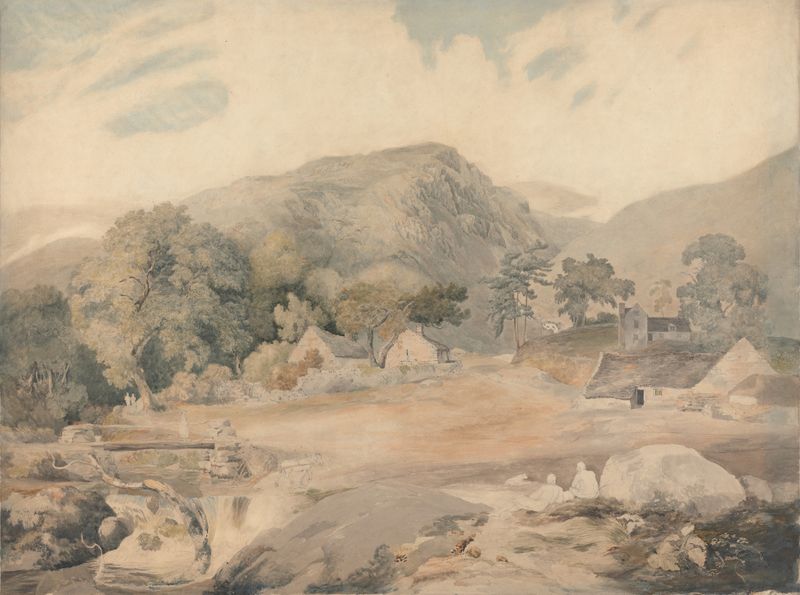
View near Tal-y-Llyn
Cornelius Varley

Remains of Purton Hall, Staffordshire
Cornelius Varley
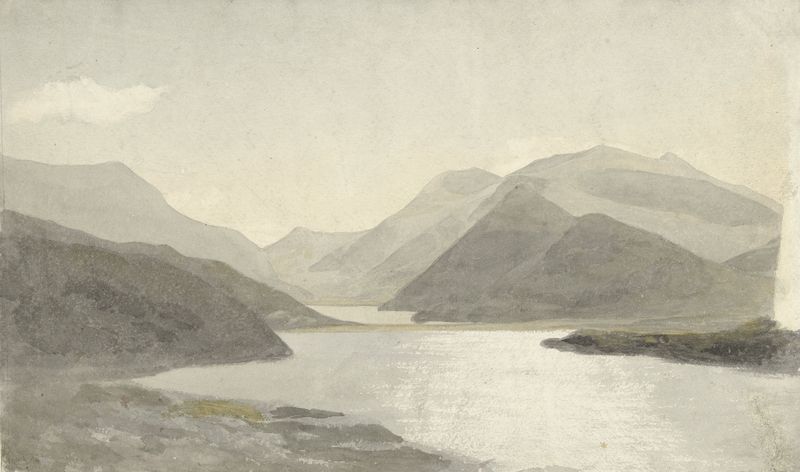
Sunlight over a Lake near Snowdon, Llanberis, North Wales
Cornelius Varley
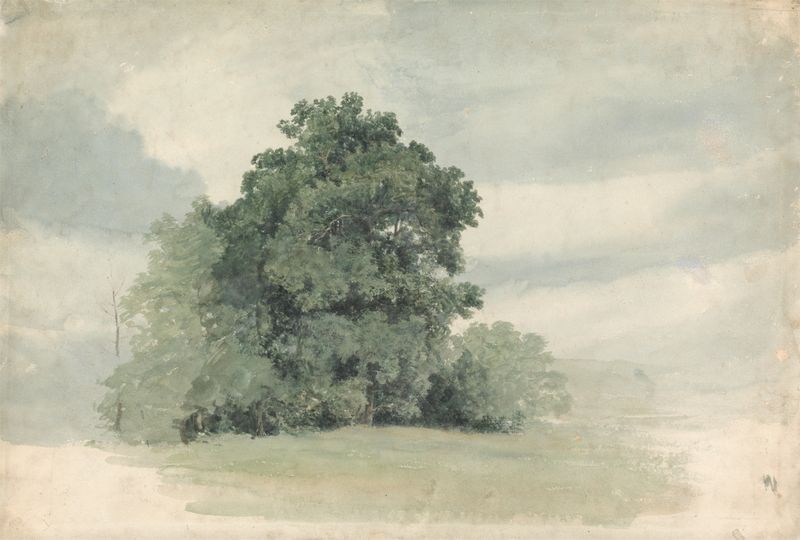
Study of Trees at the Edge of a Field
Cornelius Varley

An Extensive View in Shropshire
Cornelius Varley

View of Moel Siabod from Beddgelert, North Wales
Cornelius Varley

Ardfert Cathedral, Kerry, Ireland
Cornelius Varley

A Wooded Lane near Ross
Cornelius Varley
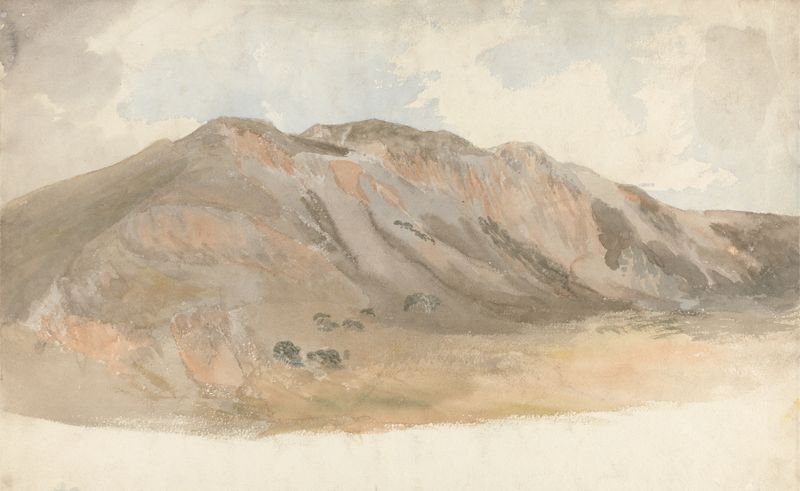
Mountain Landscape, North Wales
Cornelius Varley
Landscape with Windmill
Cornelius Varley





