
Remains of Purton Hall, Staffordshire — History & Facts
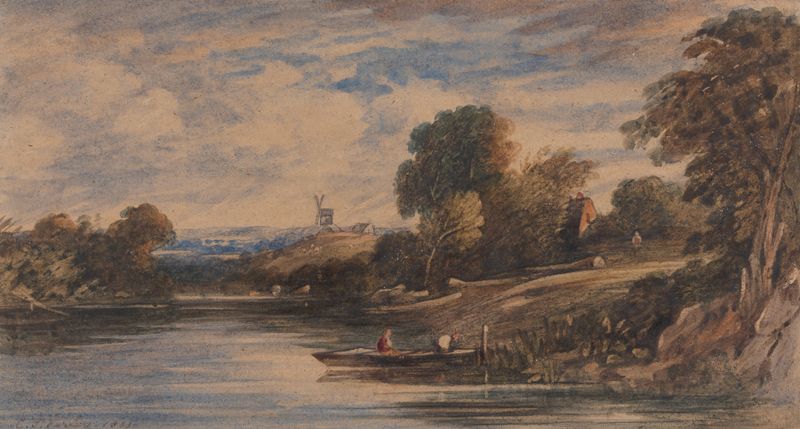
In this quiet contemplation, the viewer is invited to find glimmers of hope amidst the remnants of a once-stately home. Look to the left at the crumbling tower, where ivy clings desperately, a vibrant green against the muted browns and grays of the weathered stone. Notice how the light gently bathes the landscape, illuminating the foreground and casting elongated shadows that breathe life into the desolation. Varley’s brushstrokes evoke a delicate balance between decay and resilience, guiding the eye across the artwork's canvas while simultaneously whispering the stories held within its dilapidated walls. Beneath the surface, this piece speaks to the transience of beauty and the enduring spirit of nature.
The interplay between the structure and the surrounding foliage represents the struggle between human endeavor and the inexorable passage of time. Here, the remnants of Purton Hall become a symbol of hope, suggesting that even in decay, life finds a way to flourish. The tension between the manmade and the wild invites viewers to contemplate their own narratives within the cycle of creation and destruction. In 1820, Cornelius Varley painted this evocative landscape during a period marked by a growing interest in the picturesque and the sublime.
Living in England, he was influenced by the Romantic movement, which emphasized emotion and the beauty of nature. As he captured these ruins, the country was undergoing rapid industrialization, sparking a desire to celebrate and preserve its historical and natural landscapes. This work reflects Varley’s deep appreciation for the remnants of the past, a connection that resonates even today.
More Artworks by Cornelius Varley
Browse all →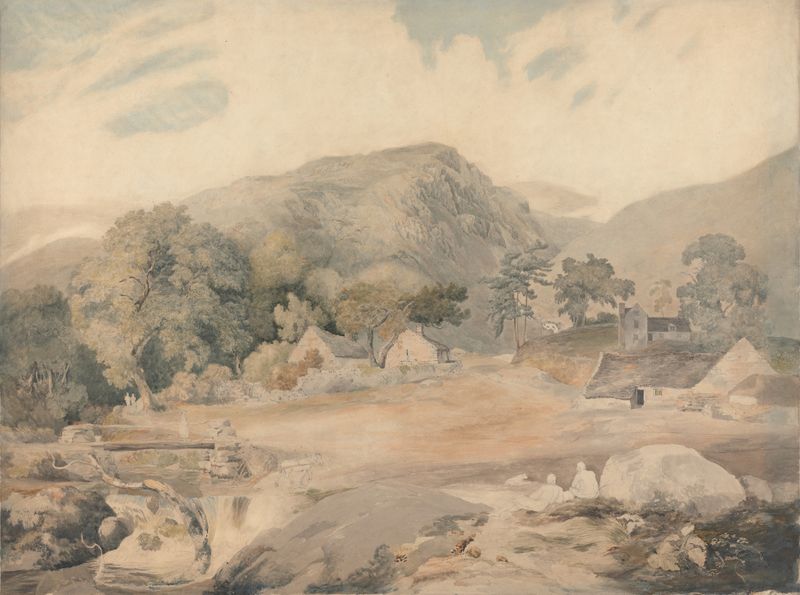
View near Tal-y-Llyn
Cornelius Varley
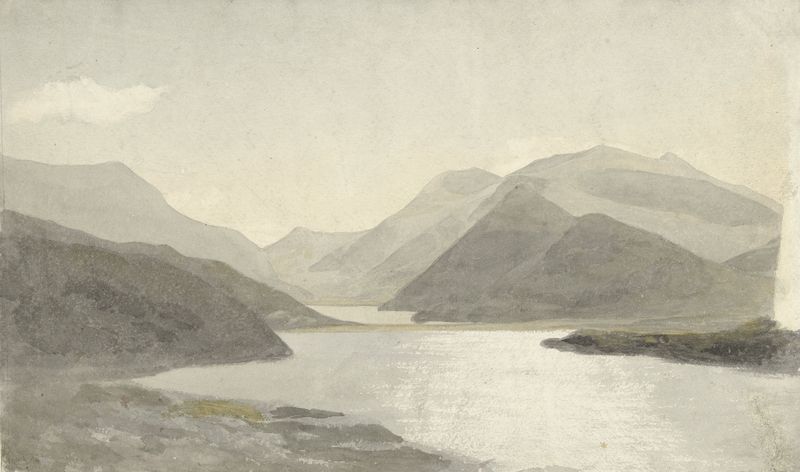
Sunlight over a Lake near Snowdon, Llanberis, North Wales
Cornelius Varley
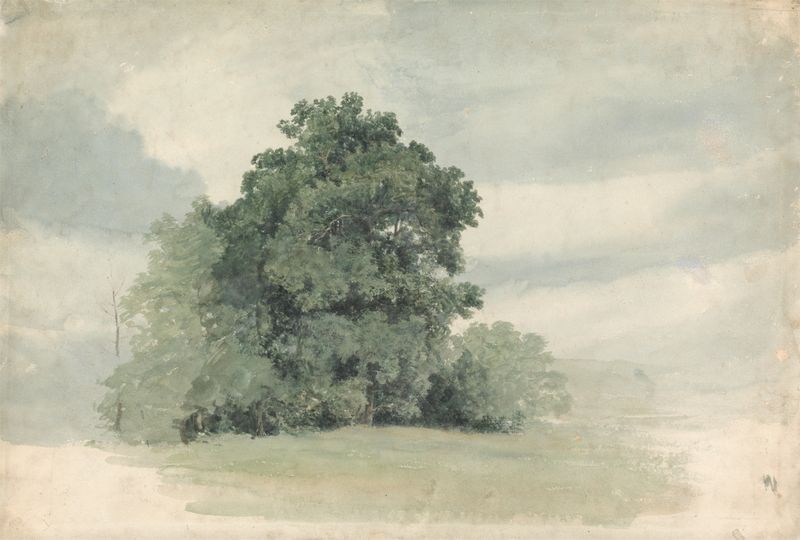
Study of Trees at the Edge of a Field
Cornelius Varley

An Extensive View in Shropshire
Cornelius Varley

Craig Goch, Moel Hebog, North Wales
Cornelius Varley

View of Moel Siabod from Beddgelert, North Wales
Cornelius Varley

Ardfert Cathedral, Kerry, Ireland
Cornelius Varley

A Wooded Lane near Ross
Cornelius Varley
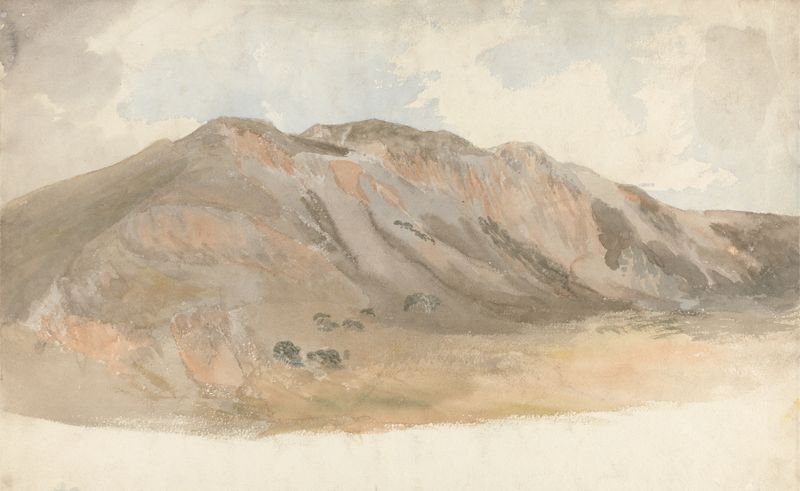
Mountain Landscape, North Wales
Cornelius Varley
Landscape with Windmill
Cornelius Varley





