
Aan de Stadt Muur tot Utrecht — History & Facts
It’s a sentiment that echoes through the calming pathways of fleeting moments, hinting at deeper truths obscured beneath serene surfaces. In the hands of a skilled artist, divinity emerges not only in grandeur but also in the quiet vulnerability of life. Focus on the left where a sun-drenched landscape unfolds, the brushwork alive with the lush greens of the foliage and the delicate, almost ethereal, blues of the sky. The scene invites your eyes to wander along the winding path that leads to the city wall of Utrecht, drawing you into its embrace.
Notice how the golden light bathes the structures, casting gentle shadows that hint at stories tucked away in the crevices—every detail, from the delicate flowers to the sturdy stones of the wall, is meticulously rendered, creating a harmonious balance of nature and humanity. Delving deeper, one cannot overlook the contrast between the vibrant life outside the wall and its stoic, enduring presence—a metaphor for the tension between the fleeting nature of beauty and the permanence of the past. The interplay of light and shadow speaks of divine beauty but also evokes a sense of longing or loss, suggesting that within every picturesque scene lies a yearning for something eternally unattainable. The lushness of the foreground juxtaposes the steadfast walls, reminding us of the fragility of life amidst the permanence of architectural history. In 1749, the artist created this piece during a time when the Dutch art scene was experiencing a shift towards a more personal expression.
Working in Utrecht, he was influenced by the emerging emphasis on landscape and the integration of natural beauty with human elements. The era was marked by a growing appreciation for the intricate relationship between art and nature, reflecting a broader cultural movement that sought to blend the divine with the natural world.
More Artworks by Jacob van Liender
Browse all →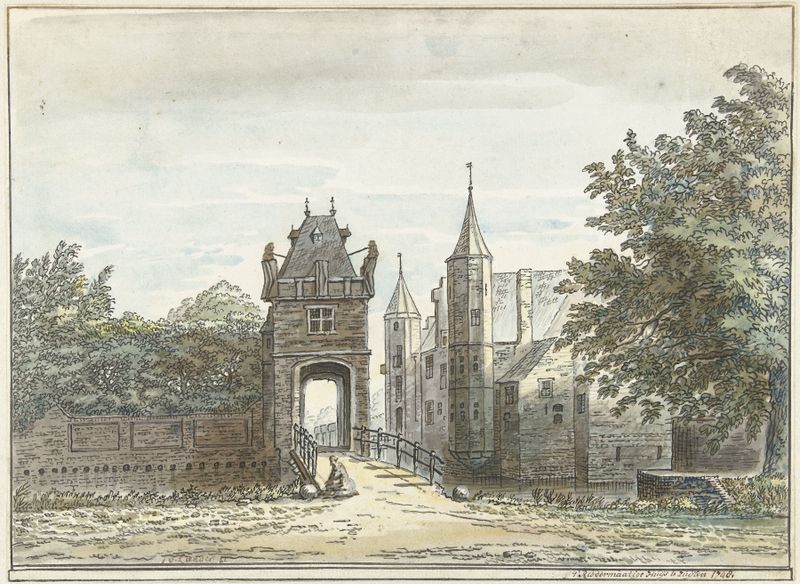
Het Huis te Zuylen
Jacob van Liender
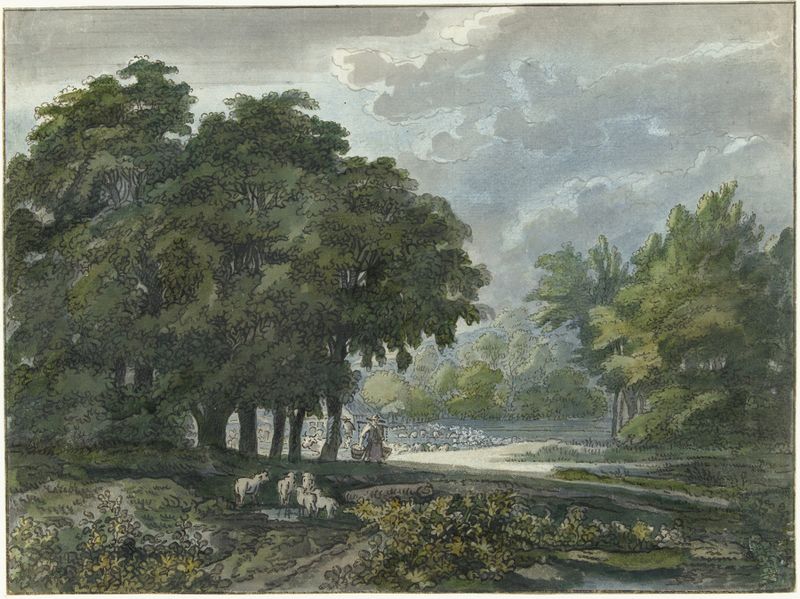
Herders met kudde in bosrijk landschap
Jacob van Liender

Arcadisch landschap met een rustende man bij het water
Jacob van Liender
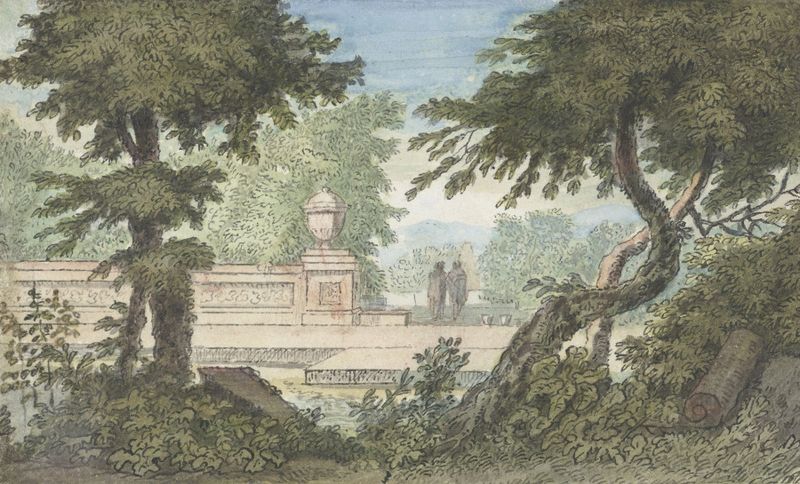
Arcadisch landschap
Jacob van Liender
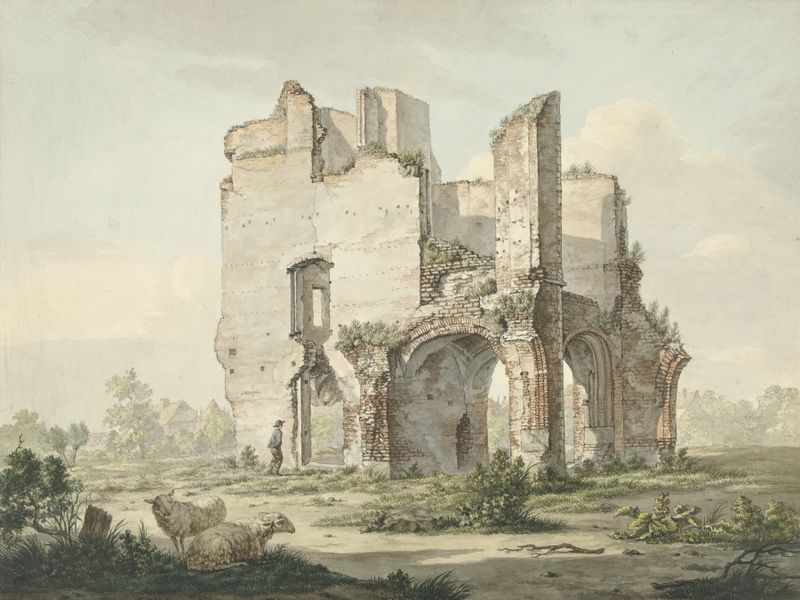
De ruïne van de Abdij van Rijnsburg
Jacob van Liender

Aan de Stadt Muur tot Utrecht
Jacob van Liender

Het afbreken van de ruïne van de Abdij van Rijnsburg
Jacob van Liender

Landschap met schapen
Jacob van Liender
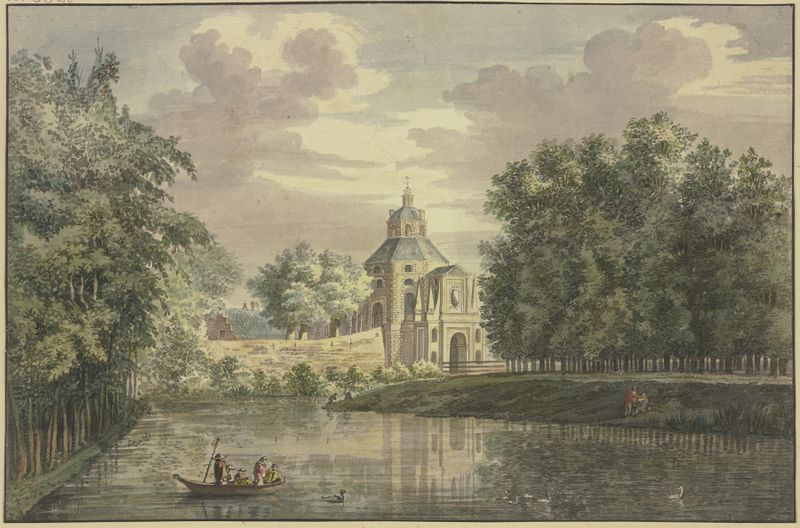
Tor zu Utrecht mit einem Teil der Promenade
Jacob van Liender
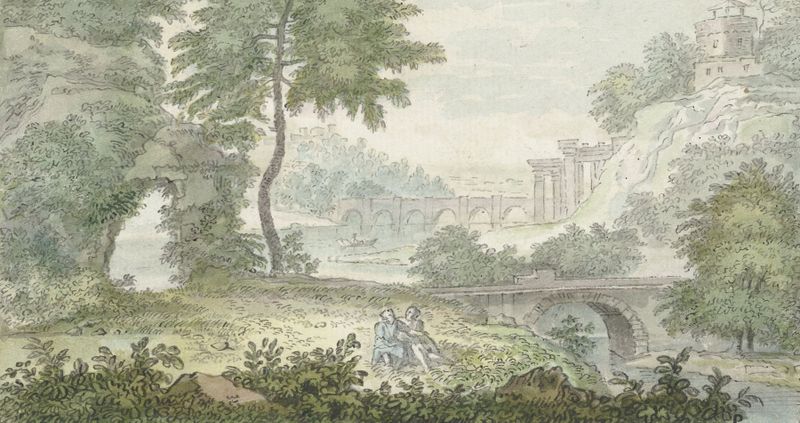
Italiaans landschap
Jacob van Liender





