
Aart Schouman Hoenderhof 06563 Geldersch Landschap — History & Facts
A riot of feathers and color greets the viewer, as if the birds themselves have paused mid-parade in the painter’s imagined menagerie. The eye is drawn first to the proud pheasant at center, its coppery plumage gleaming against the creamy white of the hen beside it. Above, a pink-breasted bird wheels in from the sky, wings flared, while a pair of doves perch and preen atop a classical urn—half-hidden by lush foliage and trailing flowers.
Each gesture is a careful study: the cocked head of the lapwing, the wary glance of the hen, the sudden, frozen energy of the bird in flight. Light pools at their feet and picks out the texture of stone and feather, inviting the viewer to linger on every detail. Painted in 1749, this scene belongs to a world where such animal gatherings were both a symbol and a spectacle. In the Dutch eighteenth century, artists like Aert Schouman found eager patrons among the landed gentry, who filled their estates with exotic birds and commissioned paintings to celebrate their collections.
These works—often destined for grand halls or garden pavilions—offered more than decoration; they were displays of curiosity, status, and the reach of empire. The painting’s presence today in the Geldersch Landschap en Kasteelen collection is a quiet testament to that era’s fascination with nature, artifice, and the pleasures of cultivated abundance. Look closely, and you may sense not only the painter’s delight in plumage and posture, but also the vanished world of gardens and aviaries that inspired it.
More Artworks by Aert Schouman

Gezicht op Dordrecht met de Rietdijkspoort en windmolens
Aert Schouman
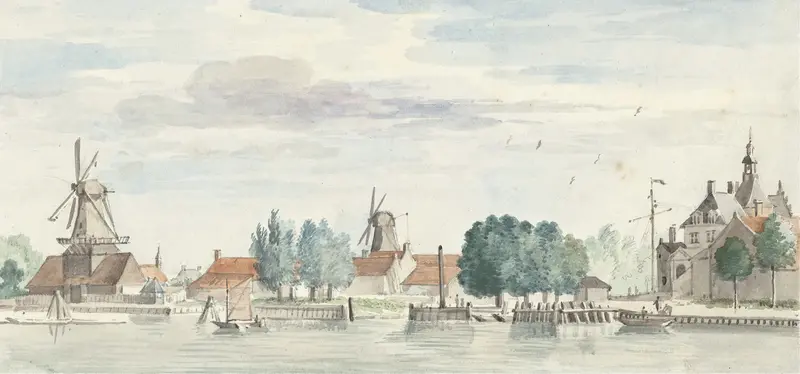
Gezicht op Dordrecht met de Rietdijkspoort en windmolens
Aert Schouman
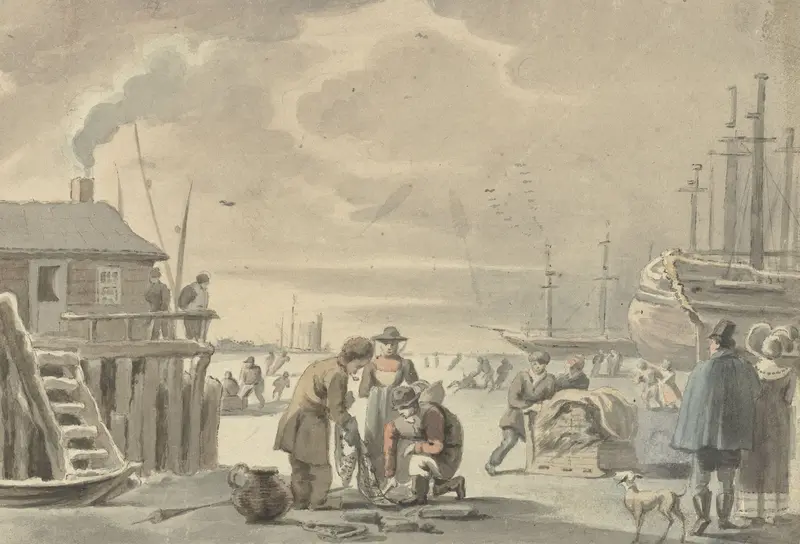
Gezicht op de bevroren Merwede bij Moerdijk
Aert Schouman
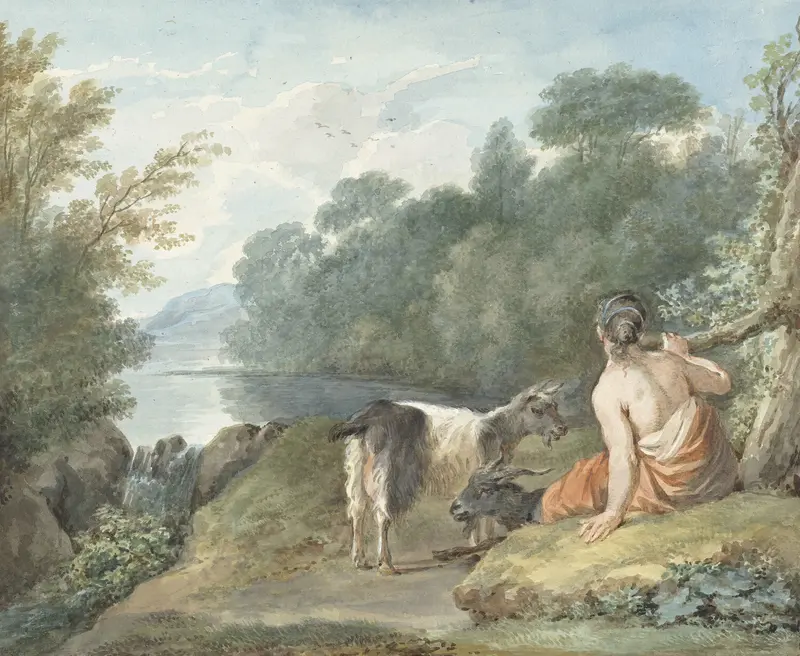
Herderin met geiten in een landschap met een meer
Aert Schouman
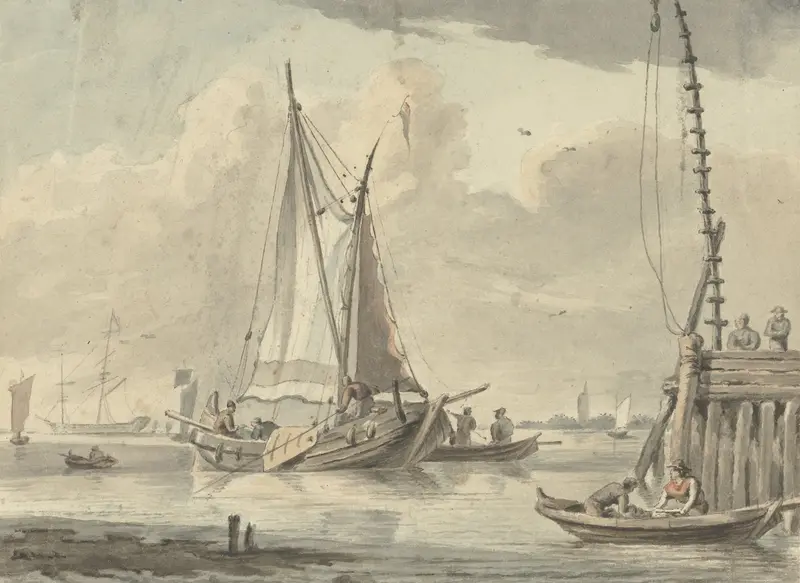
Zeilschepen op de rivier bij Dordrecht
Aert Schouman

Zeilend schip op de Beneden Merwede bij de Papendrechtse dijk
Aert Schouman
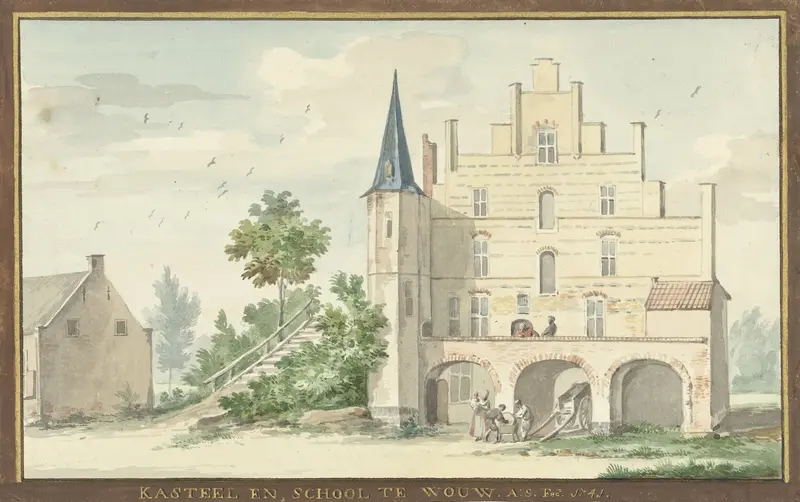
Het kasteel en school te Wouw
Aert Schouman
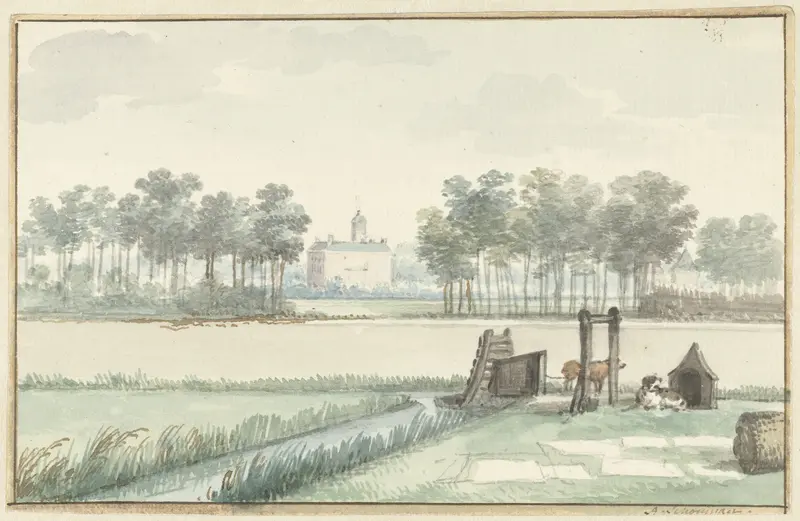
Het kasteel Ter Hooge op Walcheren
Aert Schouman
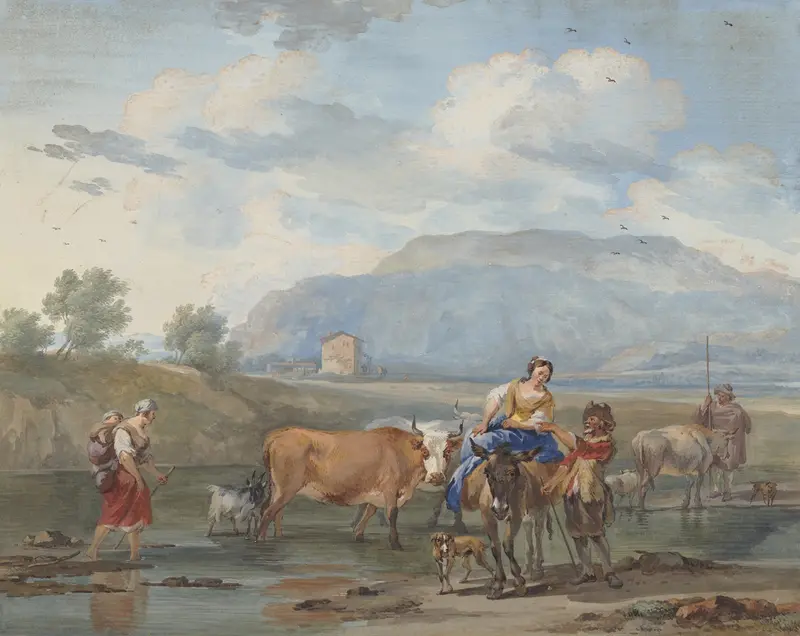
Hirten treiben Kühe durch ein Wasser, links trägt eine Frau ihr Kind auf dem Rücken, rechs reitet eine andere auf einem Esel
Aert Schouman
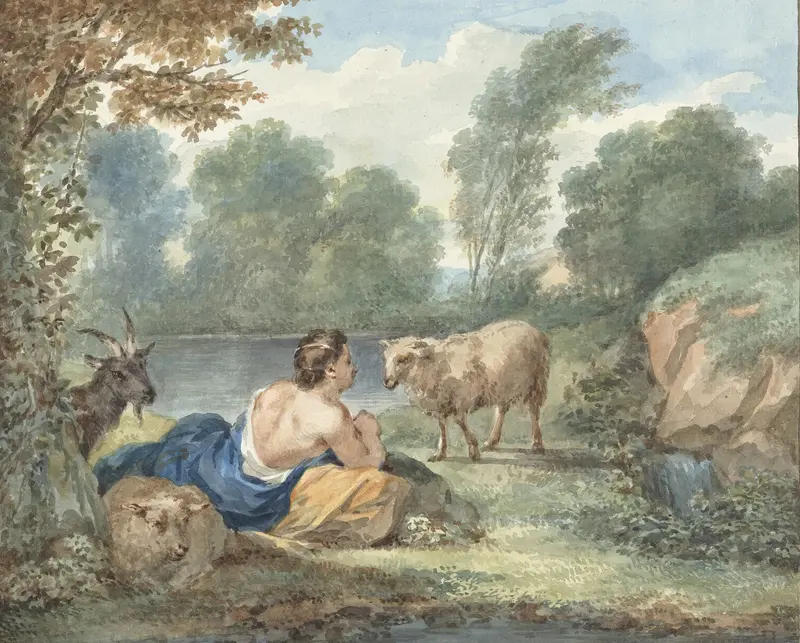
Herderin met schapen in een landschap met een meertje
Aert Schouman





