
Abgesägte Baumstämme vor einer Mauer in Oberwesel, September 13, 1858 — History & Facts
What secret hides in the quiet of the canvas? The stillness of this composition hints at stories untold, whispering the echoes of nature's transformation and human intervention. Look to the left at the stark contrast between the rough, cut tree stumps and the weathered stone wall behind them. The earthy tones of the stumps, with their raw textures, draw the eye, while the muted colors of the wall recede into a soft background. Notice how the light delicately caresses the bark, creating a play of shadow and illumination that enhances the starkness of the scene.
The arrangement feels deliberate, suggesting a narrative of abandonment and the cyclical nature of life. In this work, contrasts resonate deeply. The stumps symbolize both loss and renewal, hinting at the void left by nature's severed limbs while also suggesting the potential for new growth. The hard, unyielding structure of the wall stands as a testament to human permanence amid the transient cycle of nature.
The quietude of the scene offers a moment for introspection, inviting viewers to ponder their relationship with the natural world and the marks left upon it. Carl Theodor Reiffenstein created this piece in Germany during the mid-19th century, a time when the Romantic movement was in full swing, emphasizing the beauty and power of nature. His focus on landscape and still life reflects a broader trend in art, where artists began to explore the interplay between humanity and the environment. This period was marked by a growing awareness of industrialization, prompting Reiffenstein to capture the delicate balance between natural beauty and human influence in his work.
More Artworks by Carl Theodor Reiffenstein
Browse all →
Landschaft bei heranziehendem Gewitter
Carl Theodor Reiffenstein
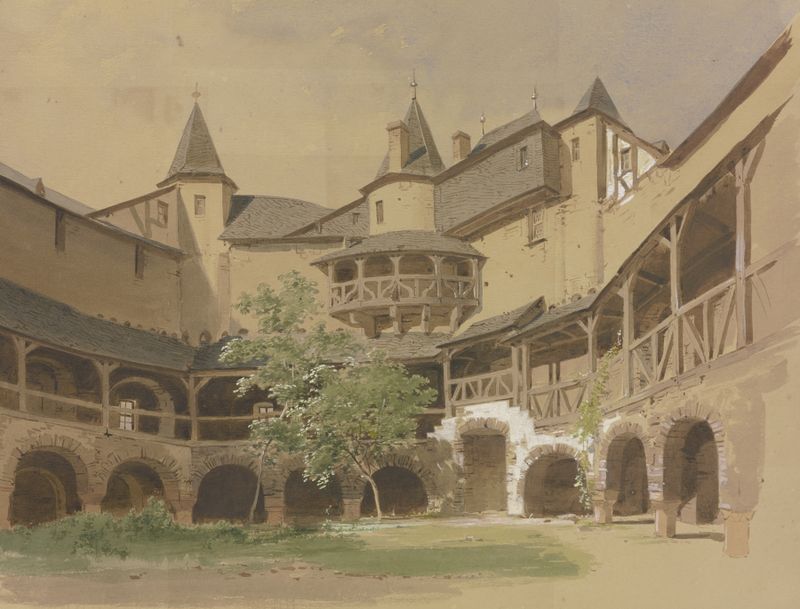
Burg Pfalzgrafenstein bei Kaub
Carl Theodor Reiffenstein

The Ahr Valley near Altenahr, September 1, 1858
Carl Theodor Reiffenstein
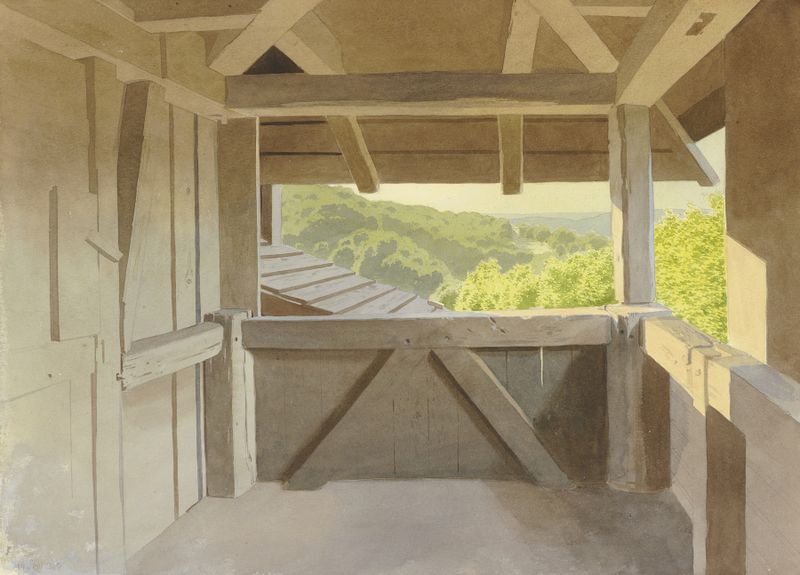
Ausblick aus dem Hochsitz am Wasenmerk bei Braunfels über die umgebende Waldlandschaft, September 19, 1860
Carl Theodor Reiffenstein
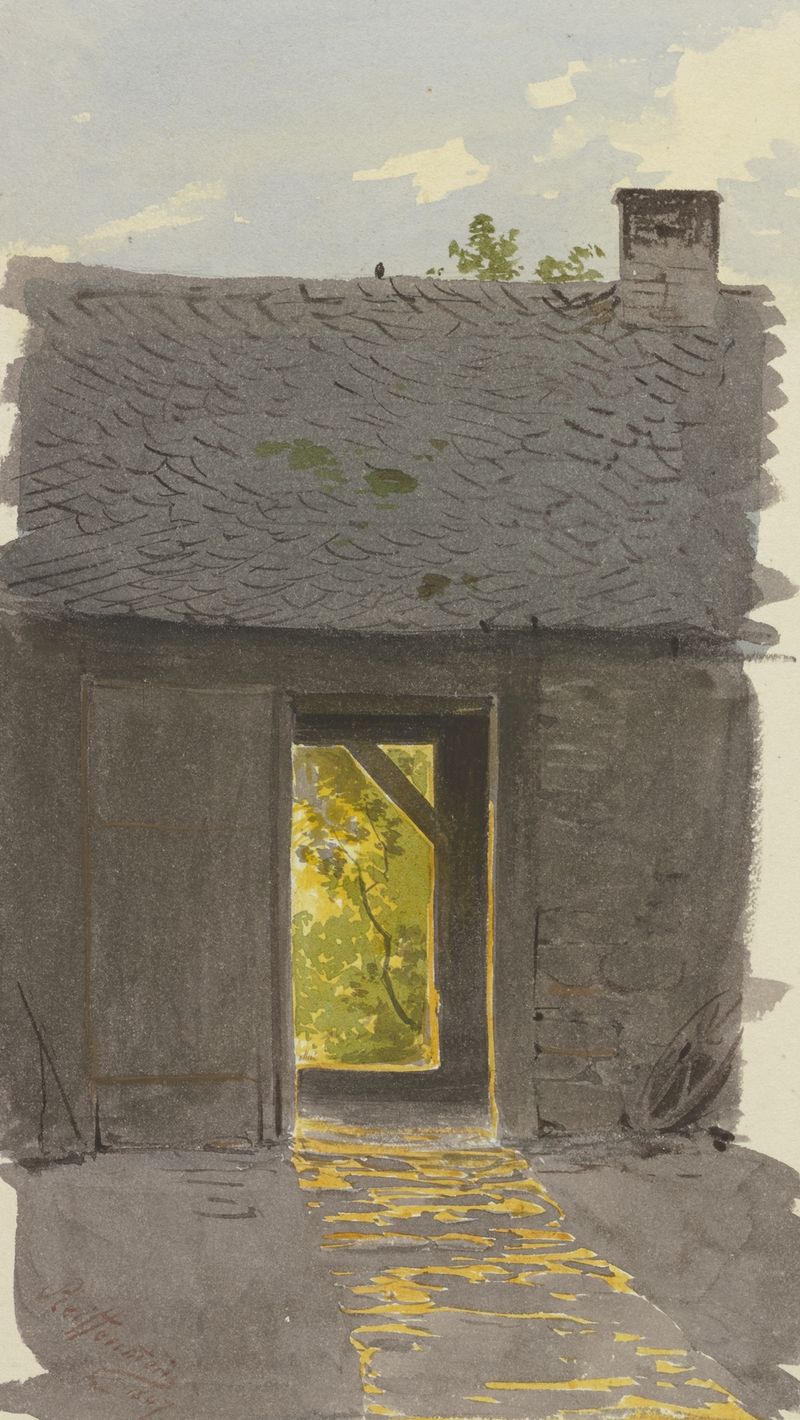
Blick durch die geöffneten Türen einer Scheune im Abendlicht
Carl Theodor Reiffenstein
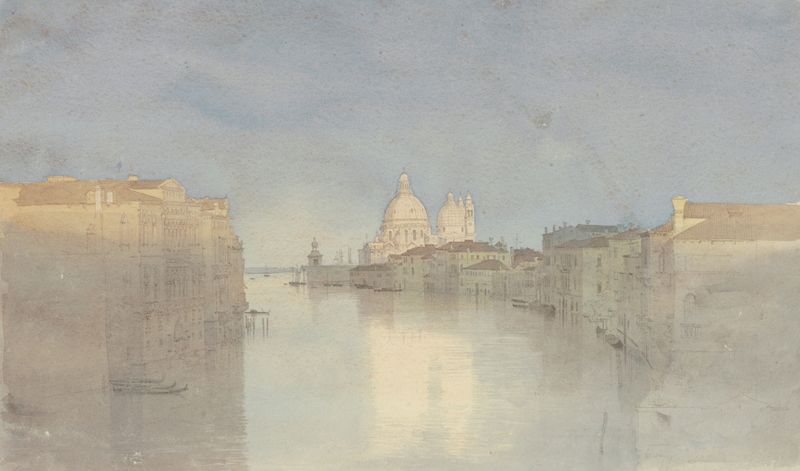
Abendstimmung am Canale grande, im Hintergrund S. Maria della Salute
Carl Theodor Reiffenstein
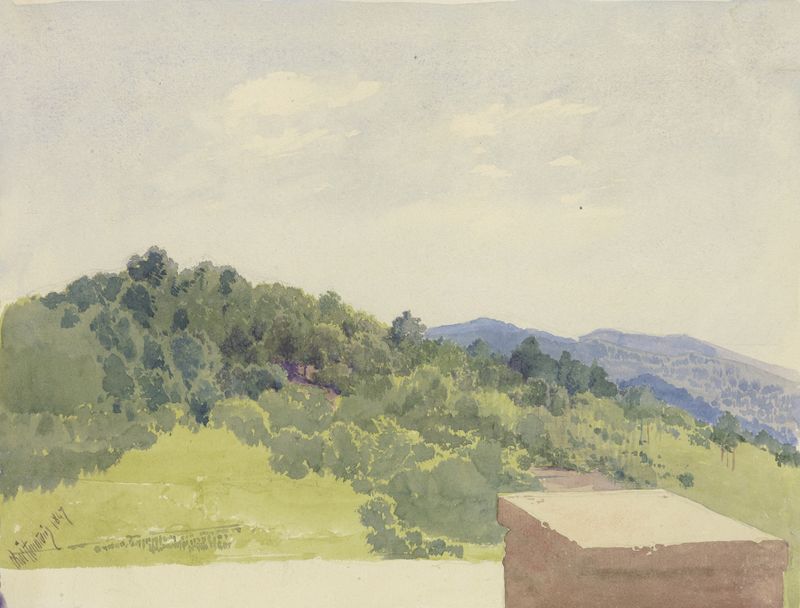
Berglandschaft, von einer Burganlage aus betrachtet
Carl Theodor Reiffenstein
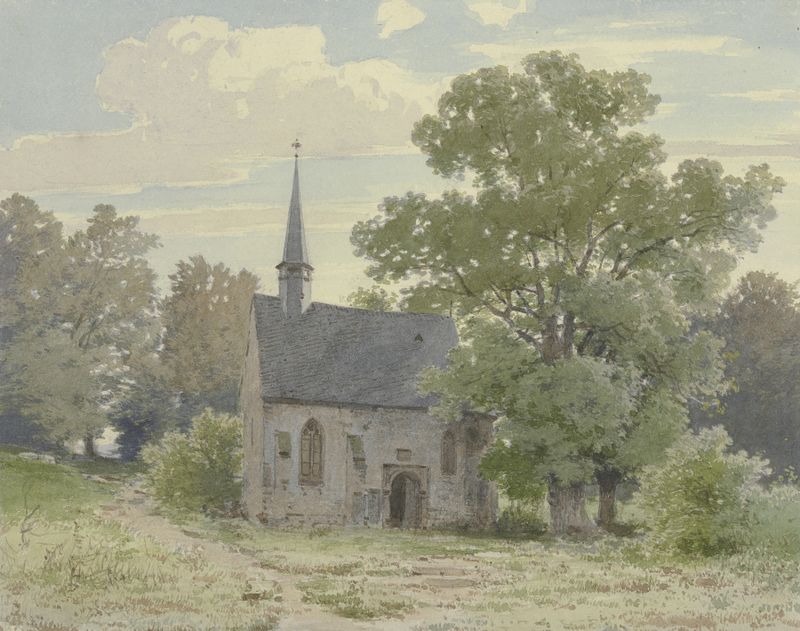
Chapel near Ockstadt
Carl Theodor Reiffenstein

Channel in Venice
Carl Theodor Reiffenstein
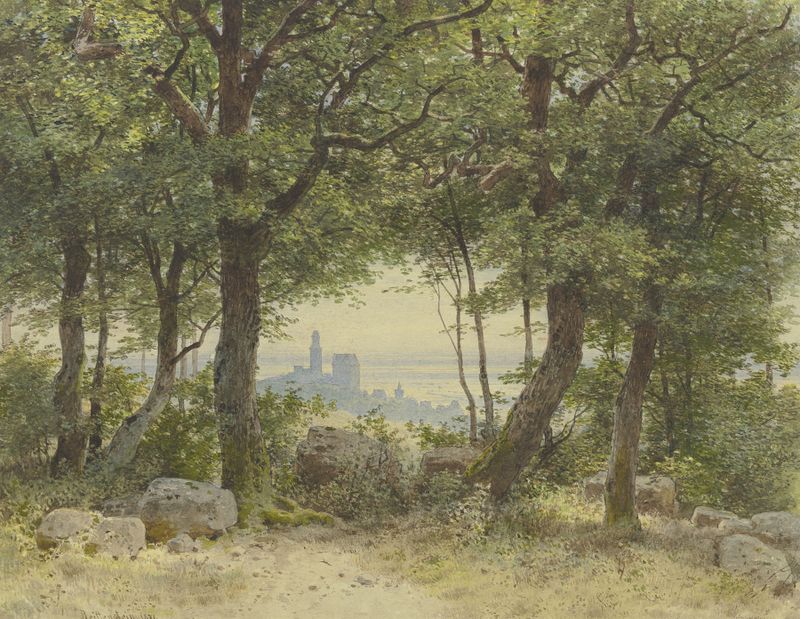
Ansicht von Kronberg mit weitem Blick in die Ferne vom Ausgang des Falkensteiner Waldes gesehen
Carl Theodor Reiffenstein





