
Abendstimmung am Canale grande, im Hintergrund S. Maria della Salute — History & Facts
When did color learn to lie? Beneath the serene surface of Abendstimmung am Canale grande, im Hintergrund S. Maria della Salute, a shadow of violence whispers through the harmonious hues. The peace that envelops the scene belies the tumultuous emotions lurking just out of sight, hinting at a world where beauty can mask deeper truths. Look closely at the horizon, where soft pastels blend into the twilight sky, casting a warm glow over the majestic church.
Notice how the light dances upon the rippling waters of the canal, inviting your gaze to drift along its surface. The composition is masterfully balanced; the grand structure of S. Maria della Salute looms in the background while boats glide silently, their reflections intermingling with the burgeoning twilight.
The artist's choice of gentle yet expressive brushwork evokes both tranquility and tension, immersing you in a moment that feels both fleeting and eternal. Yet, beneath this picturesque facade, there are stark contrasts at play. The calm waters mirror the unrest of the human condition, suggesting that tranquility can only exist amidst chaos. The subdued color palette may evoke a sense of nostalgia, yet it simultaneously hints at the violence of history and the fragility of peace.
Each stroke seems to resonate with the unspoken stories that linger in the shadows, urging viewers to consider what lies beyond the surface. Carl Theodor Reiffenstein painted this work in 1851 during a time of personal hardship and artistic evolution. Living in a period marked by the aftermath of the revolutions sweeping across Europe, he sought solace in the beauty of landscape painting. This piece reflects not only his pursuit of aesthetic perfection but also the emotional undercurrents of a society grappling with change and uncertainty.
More Artworks by Carl Theodor Reiffenstein
Browse all →
Landschaft bei heranziehendem Gewitter
Carl Theodor Reiffenstein
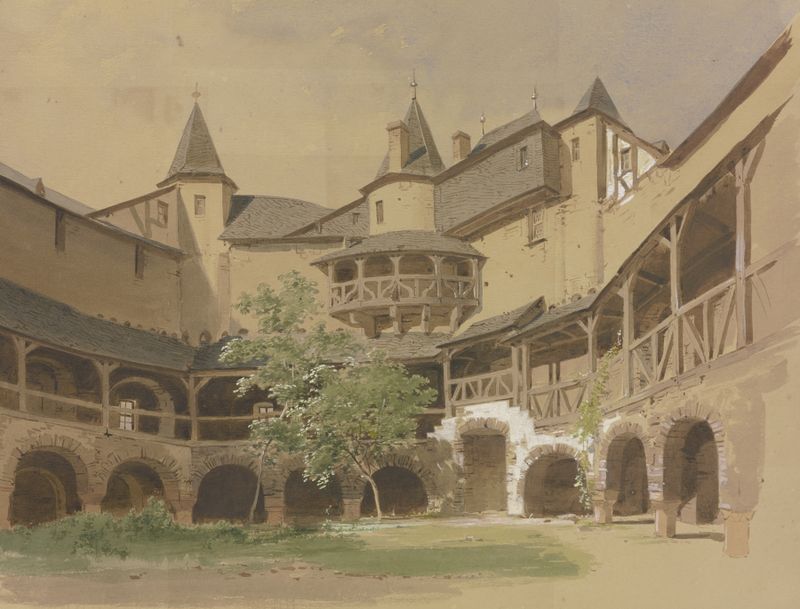
Burg Pfalzgrafenstein bei Kaub
Carl Theodor Reiffenstein

The Ahr Valley near Altenahr, September 1, 1858
Carl Theodor Reiffenstein
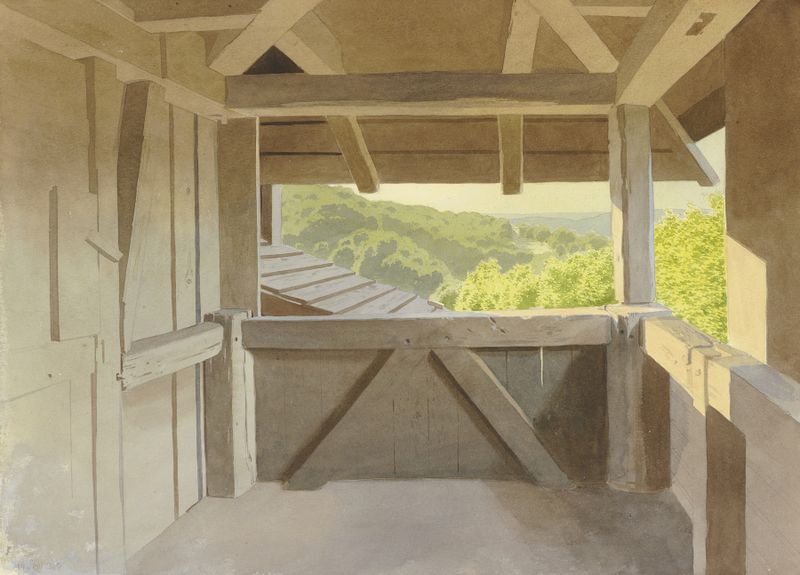
Ausblick aus dem Hochsitz am Wasenmerk bei Braunfels über die umgebende Waldlandschaft, September 19, 1860
Carl Theodor Reiffenstein
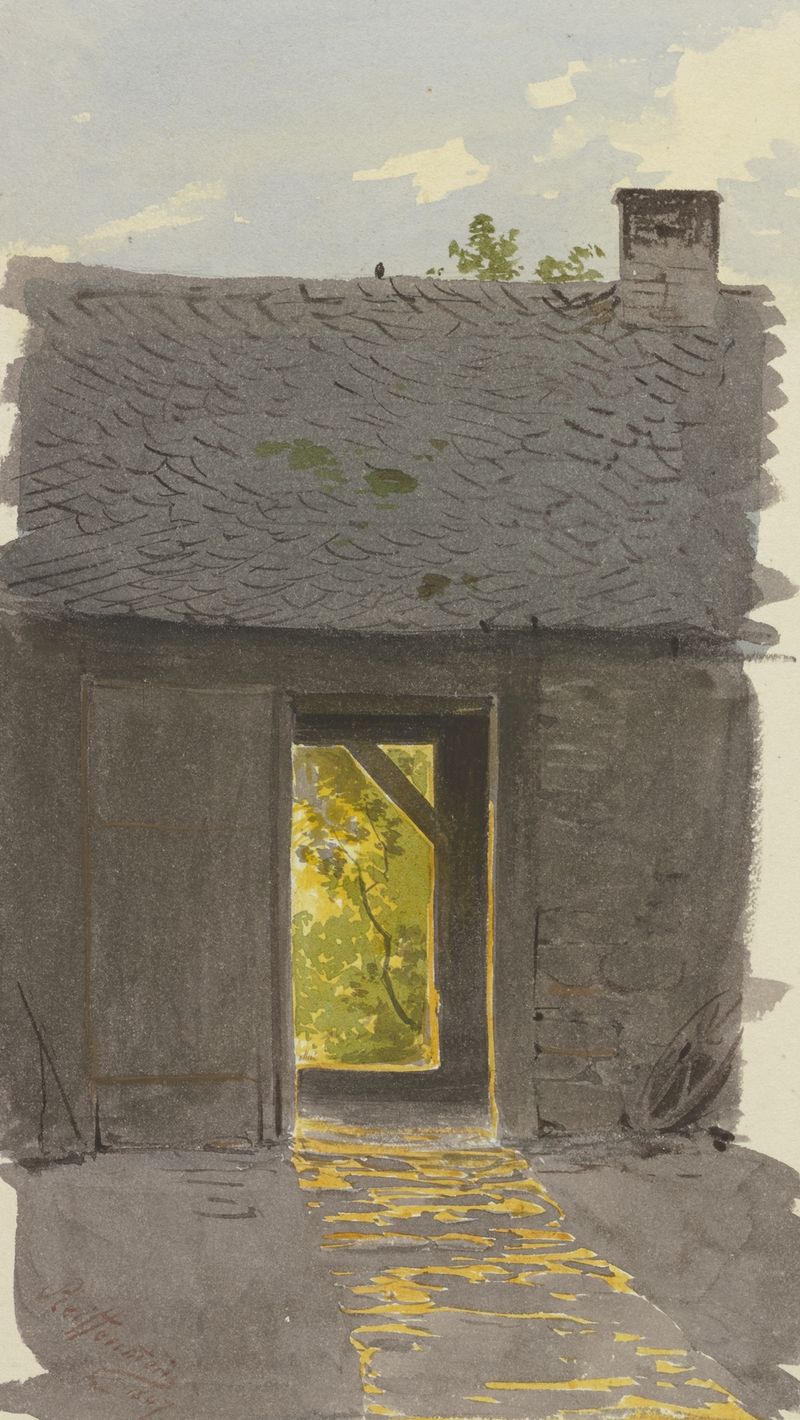
Blick durch die geöffneten Türen einer Scheune im Abendlicht
Carl Theodor Reiffenstein
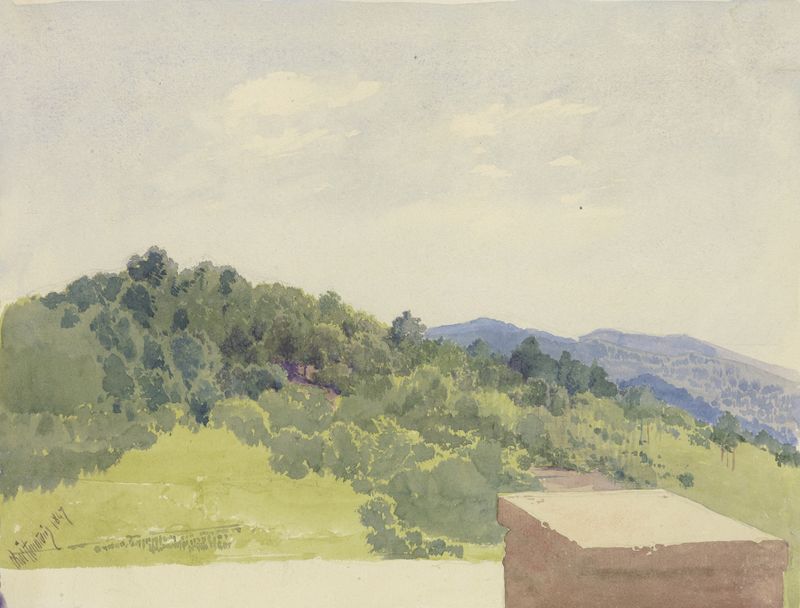
Berglandschaft, von einer Burganlage aus betrachtet
Carl Theodor Reiffenstein
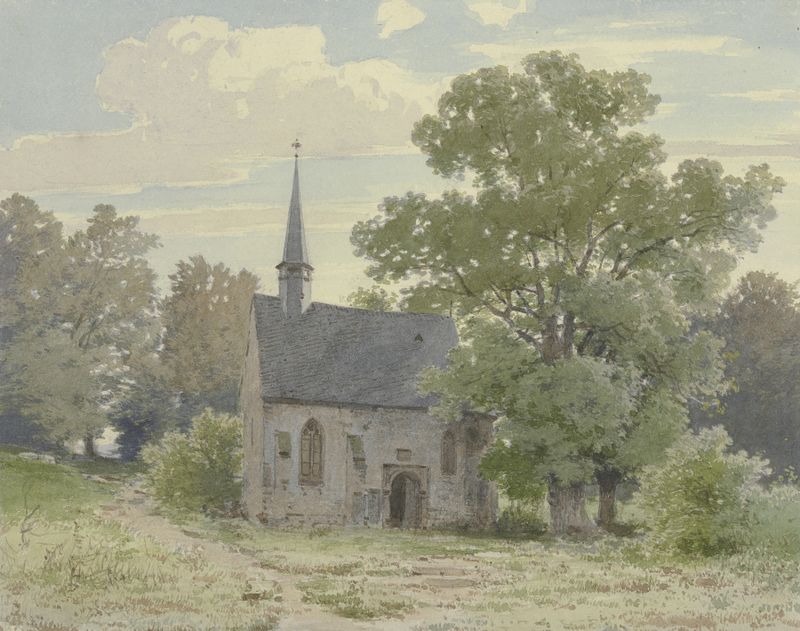
Chapel near Ockstadt
Carl Theodor Reiffenstein

Channel in Venice
Carl Theodor Reiffenstein
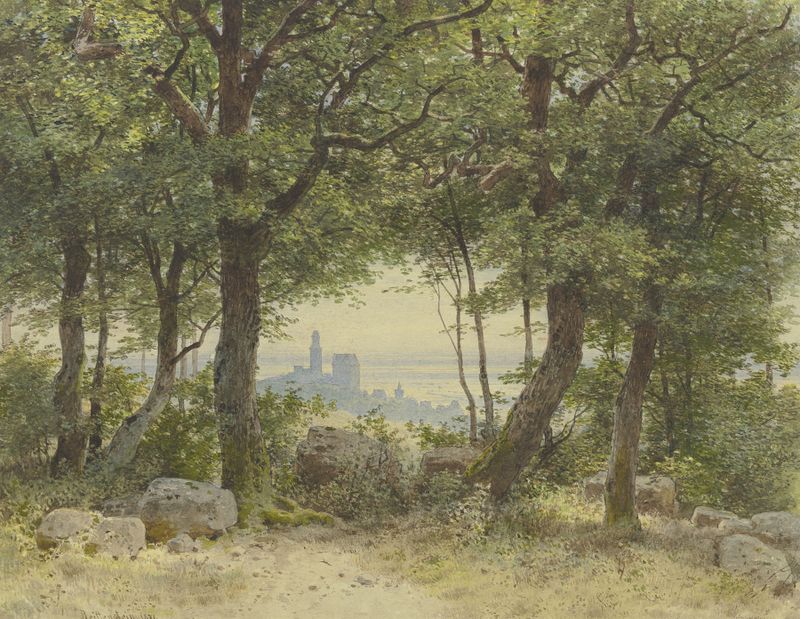
Ansicht von Kronberg mit weitem Blick in die Ferne vom Ausgang des Falkensteiner Waldes gesehen
Carl Theodor Reiffenstein
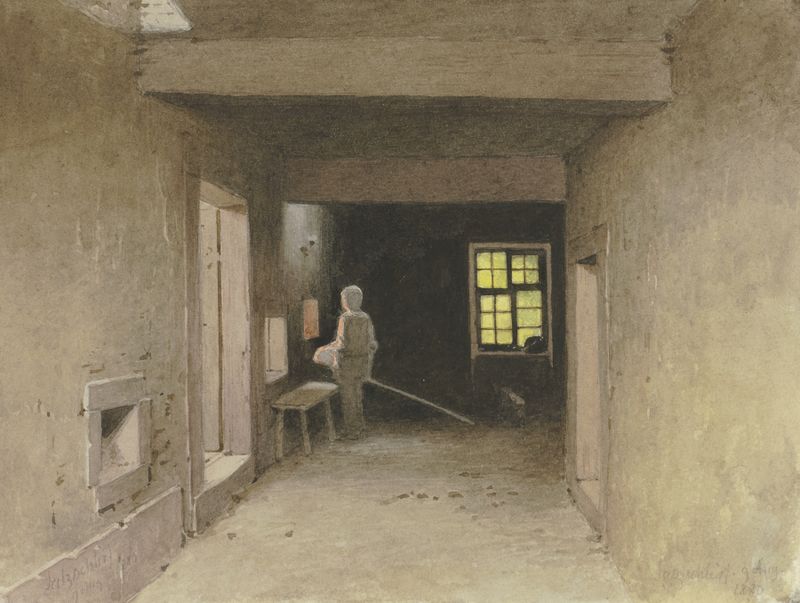
Bakery in Salzschlirf, August 9, 1880
Carl Theodor Reiffenstein





