
Channel in Venice — History & Facts
Where does light end, and longing begin? In the delicate interplay of reflections on water, a fragile moment unfolds, inviting us to ponder the essence of beauty and transience. Focus first on the iridescent shimmer of the canal, where the gentle lapping of water captures the tender embrace of sunlight. Notice how the artist employs a soft palette, blending muted blues and warm ochres that mirror the fleeting nature of Venice itself. Each stroke contributes to a sense of serenity, guiding the viewer’s eye from the vibrant flora along the banks to the ethereal architecture that stands sentinel over the water. Yet, amidst this picturesque harmony, subtle tensions emerge.
The quiet stillness of the scene contrasts sharply with the suggestion of life just out of view—perhaps a passing gondola or whispering voices from distant piazzas. The play between shadow and light hints at an underlying fragility, evoking the impermanent nature of both the city and our own emotions. It beckons us to contemplate what we seek and what we may ultimately lose, capturing that poignant moment where beauty oscillates between the real and the dreamlike. In 1851, Channel in Venice was created during a period when Carl Theodor Reiffenstein was deeply immersed in the Romantic ideals of nature and emotion.
Living in Germany, he was surrounded by a growing fascination for Italian landscapes, as the allure of Venice captivated many artists of the time. This piece reflects his desire to encapsulate not just a scene, but an emotional experience, embodying the delicate balance of nostalgia and hope that characterized the era's artistic sensibilities.
More Artworks by Carl Theodor Reiffenstein
Browse all →
Landschaft bei heranziehendem Gewitter
Carl Theodor Reiffenstein
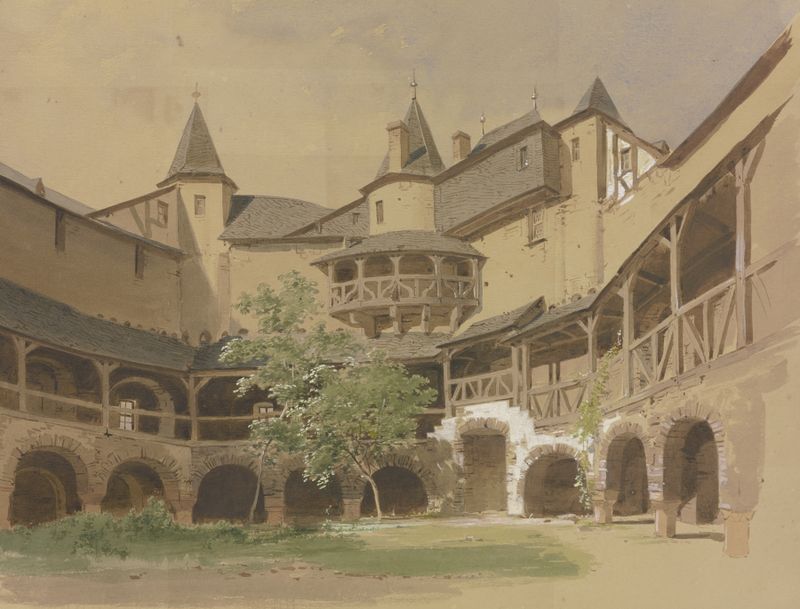
Burg Pfalzgrafenstein bei Kaub
Carl Theodor Reiffenstein

The Ahr Valley near Altenahr, September 1, 1858
Carl Theodor Reiffenstein
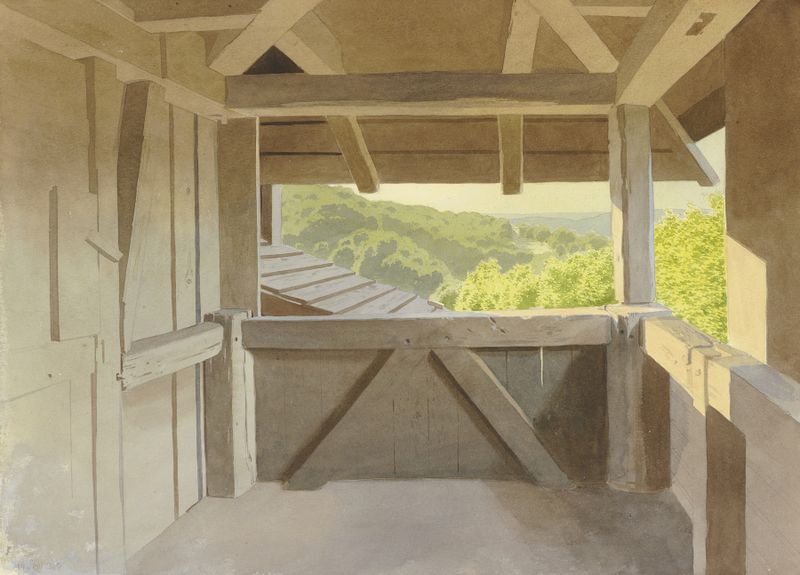
Ausblick aus dem Hochsitz am Wasenmerk bei Braunfels über die umgebende Waldlandschaft, September 19, 1860
Carl Theodor Reiffenstein
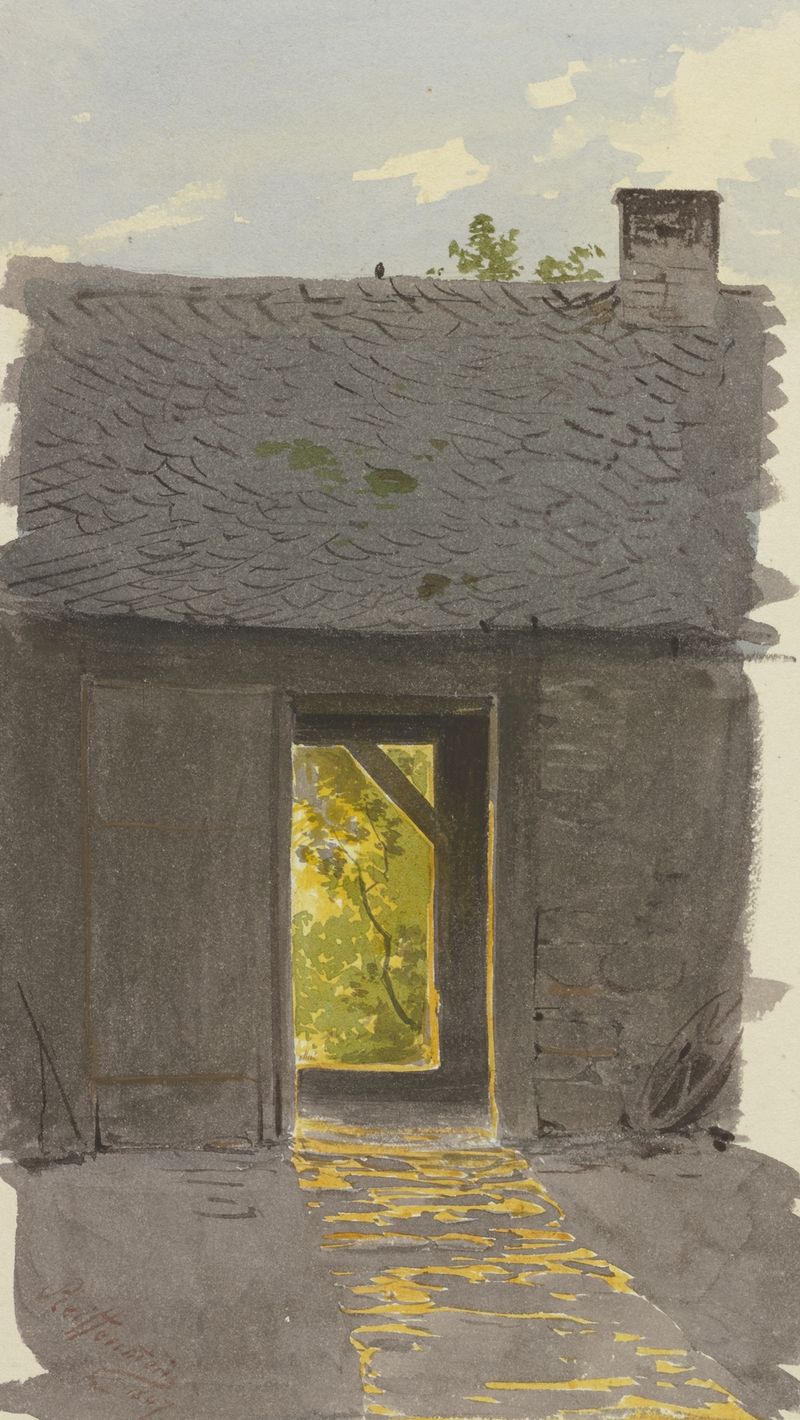
Blick durch die geöffneten Türen einer Scheune im Abendlicht
Carl Theodor Reiffenstein
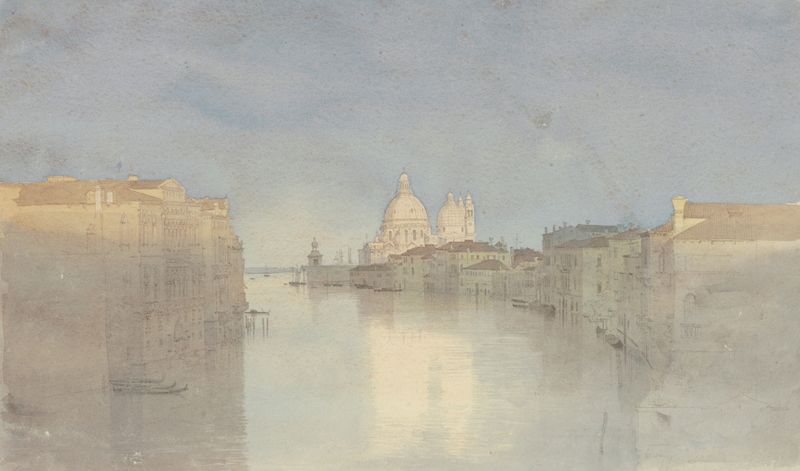
Abendstimmung am Canale grande, im Hintergrund S. Maria della Salute
Carl Theodor Reiffenstein
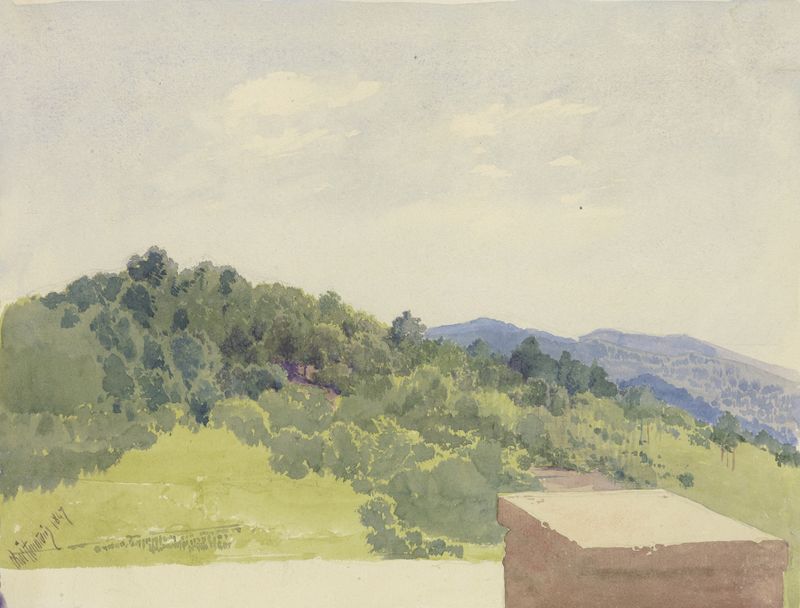
Berglandschaft, von einer Burganlage aus betrachtet
Carl Theodor Reiffenstein
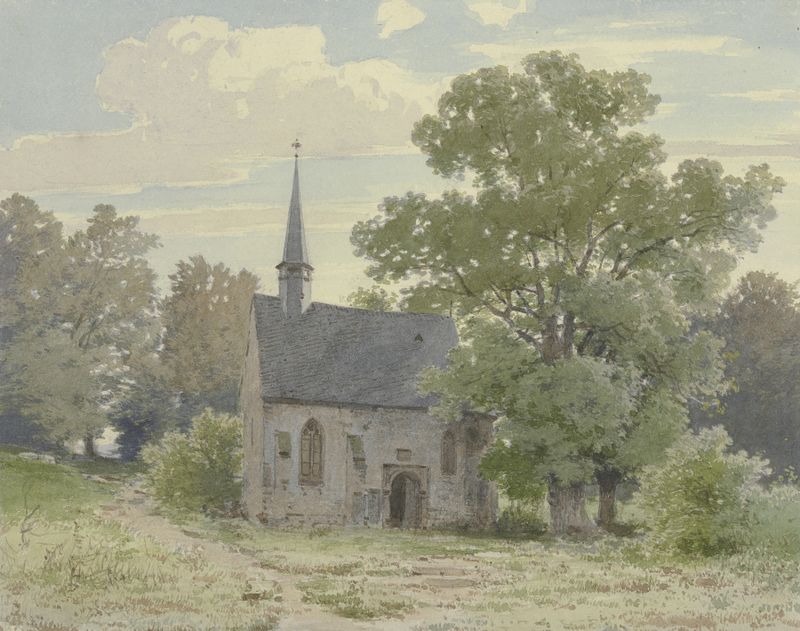
Chapel near Ockstadt
Carl Theodor Reiffenstein
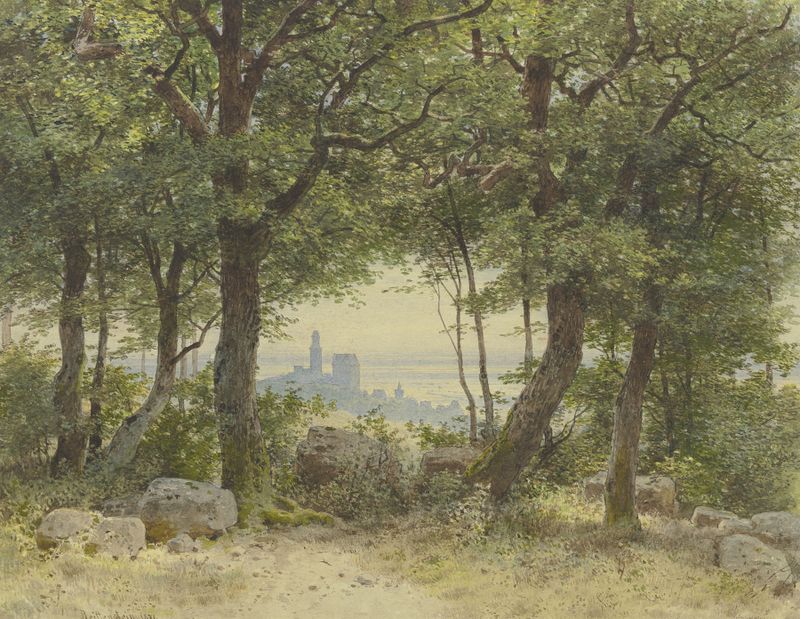
Ansicht von Kronberg mit weitem Blick in die Ferne vom Ausgang des Falkensteiner Waldes gesehen
Carl Theodor Reiffenstein
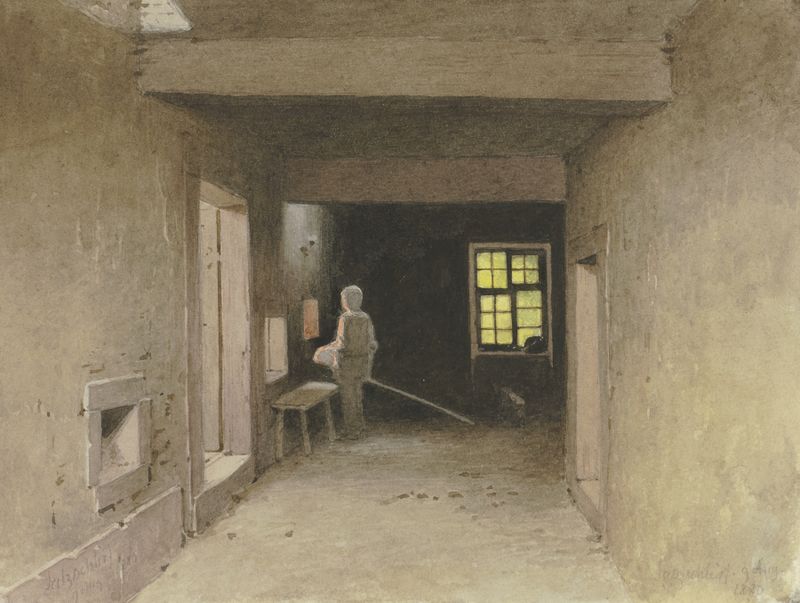
Bakery in Salzschlirf, August 9, 1880
Carl Theodor Reiffenstein





