
Abraham and Isaac — History & Facts
What secret hides in the quiet of the canvas? In Abraham and Isaac, the weight of divine command and paternal love intertwines, demanding the viewer's contemplation of faith and sacrifice. Look to the center, where the stark contrast of light illuminates the faces of Abraham and Isaac. The rich, earthy tones envelop the figures, grounding them in a moment of profound emotional tension. Notice how the soft brushwork captures the intricate details of their expressions — a mixture of resolve and fear.
The subtle play of shadow envelops the surrounding landscape, hinting at an otherworldly presence that looms just beyond the frame. As your gaze wanders, consider the symbolic implications of their positioning. Abraham’s strong hands hold the knife firmly, yet his eyes betray a deep turmoil, contrasting the innocence reflected in Isaac’s gaze. This duality suggests a struggle between divine obedience and human instinct, a poignant reminder of the sacrifices demanded by faith.
The starkness of the scene amplifies its emotional weight, compelling us to grapple with the juxtaposition of love and duty. In the late stages of his career, Rembrandt painted Abraham and Isaac during a period of personal and financial turmoil. Living in Amsterdam in the early 17th century, he confronted both professional decline and a deepening exploration of spiritual themes. This artwork emerges from a complex interplay of artistic innovation and profound introspection, reflecting not only the artist’s struggles but also the larger philosophical questions that echoed through the art world of his time.
More Artworks by Rembrandt van Rijn
Browse all →
The Night Watch Militia Company of District II under the Command of Captain Frans Banninck Cocq
Rembrandt van Rijn

The Return of the Prodigal Son
Rembrandt van Rijn

The Hundred Guilder Print: the figures leaning on the wall in the centre left
Rembrandt van Rijn

The Hundred Guilder Print: the central piece with Christ preaching, the plate arched
Rembrandt van Rijn

Isaac and Rebecca, Known as ‘The Jewish Bride’
Rembrandt van Rijn
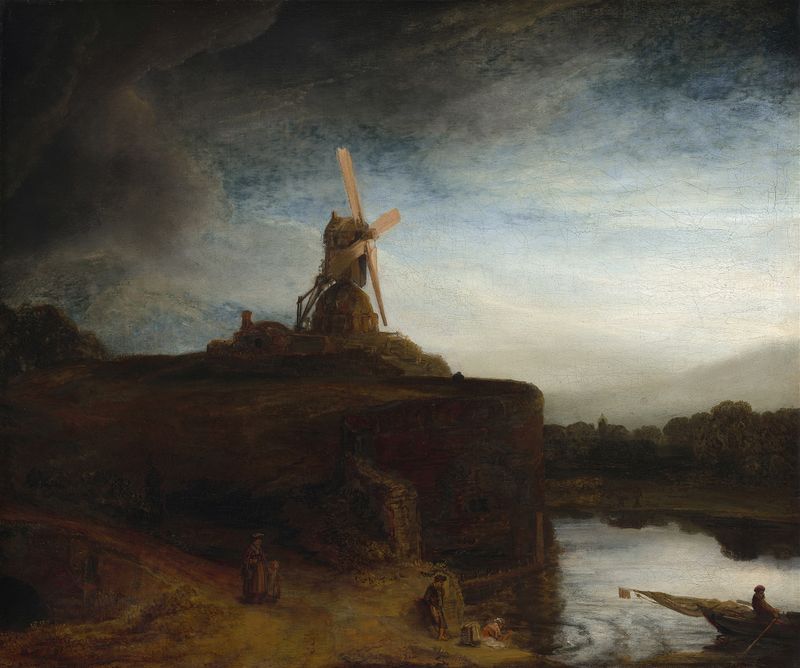
The Mill
Rembrandt van Rijn

The Sampling Officials of the Amsterdam Drapers’ Guild, Known as ‘The Syndics’
Rembrandt van Rijn

The return of the prodigal son
Rembrandt van Rijn
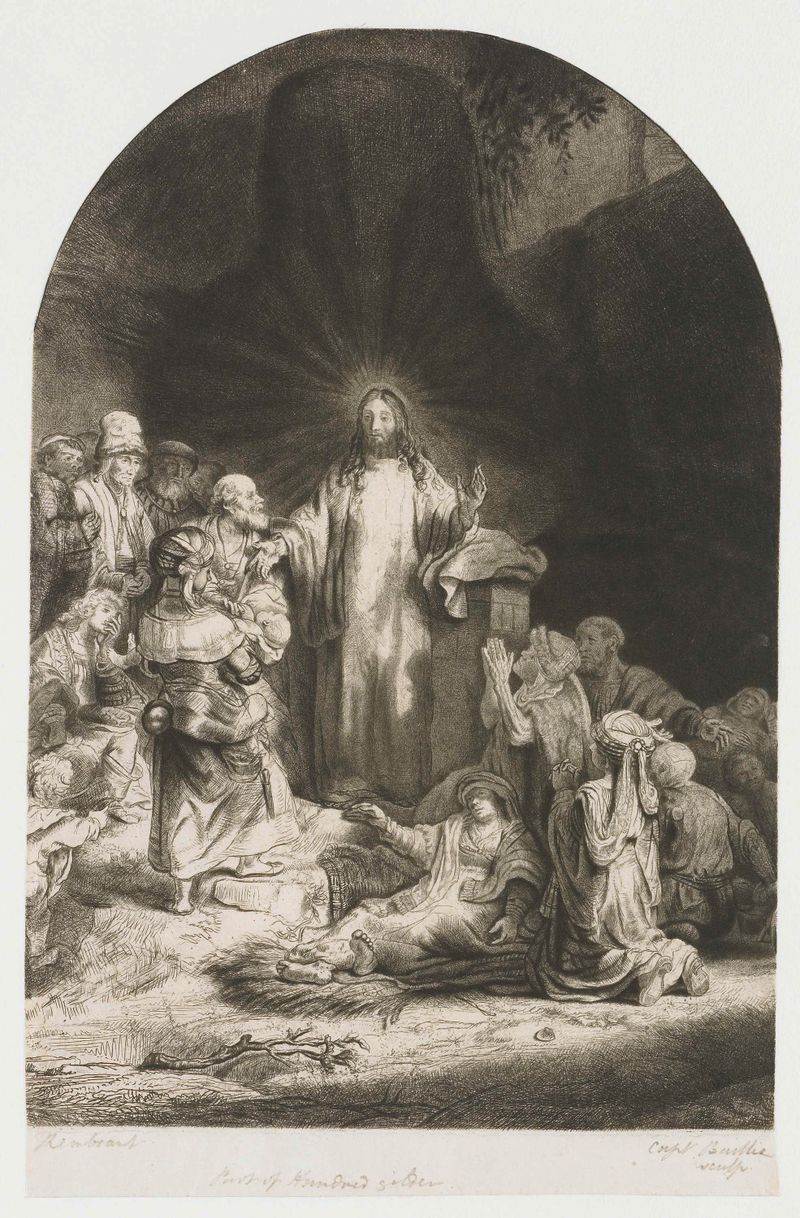
The Hundred Guilder Print: the central piece with Christ preaching, the plate arched
Rembrandt van Rijn

The Hundred Guilder Print: the man seen on the back in the lower left corner
Rembrandt van Rijn
More Religious Art
Browse all →The Return of the Prodigal Son
Rembrandt van Rijn

The Garden of Earthly Delights
El Bosco

Count Orgaz’ funeral
El Greco
The Hundred Guilder Print: the central piece with Christ preaching, the plate arched
Rembrandt van Rijn

The Descent from the Cross
Rogier van der Weyden
The return of the prodigal son
Rembrandt van Rijn