
Abraham and Isaac — History & Facts
What if silence could speak through light? In Rembrandt’s Abraham and Isaac, the moment unfolds with profound intensity, where the weight of time hangs suspended in the air, whispering secrets of devotion and sacrifice. Look to the center, where the figures of Abraham and Isaac dominate the composition. The palpable tension is illuminated by a warm, golden light that cascades down, highlighting the aged face of the father and the youthful innocence of his son. Notice how the dark background envelops them, creating a stark contrast that emphasizes their shared moment—a culmination of faith and dread.
The delicate brushwork breathes life into their expressions, drawing the viewer into their emotional plight. Within this serene yet harrowing scene lies a deeper commentary on the nature of obedience and trust. The knife, held in Abraham’s trembling hand, symbolizes the razor-thin line between devotion and despair. The tight composition creates a claustrophobic feeling, reflecting the turmoil within Abraham—caught between divine command and paternal instinct.
Isaac’s trusting gaze juxtaposes his father’s turmoil, offering a silent plea for understanding in a moment suspended by time. Rembrandt painted this work in 1645 during a period of personal hardship, grappling with financial difficulties and the loss of loved ones. Despite his struggles, he was at the height of his creative powers, delving into profound themes that resonated with the wider context of 17th-century Dutch art. This painting reflects both the artist’s introspection and the turbulence of an era steeped in religious and moral grappling, encapsulating the eternal struggle between duty and love.
More Artworks by Rembrandt van Rijn
Browse all →
The Night Watch Militia Company of District II under the Command of Captain Frans Banninck Cocq
Rembrandt van Rijn

The Return of the Prodigal Son
Rembrandt van Rijn

The Hundred Guilder Print: the figures leaning on the wall in the centre left
Rembrandt van Rijn

The Hundred Guilder Print: the central piece with Christ preaching, the plate arched
Rembrandt van Rijn

Isaac and Rebecca, Known as ‘The Jewish Bride’
Rembrandt van Rijn
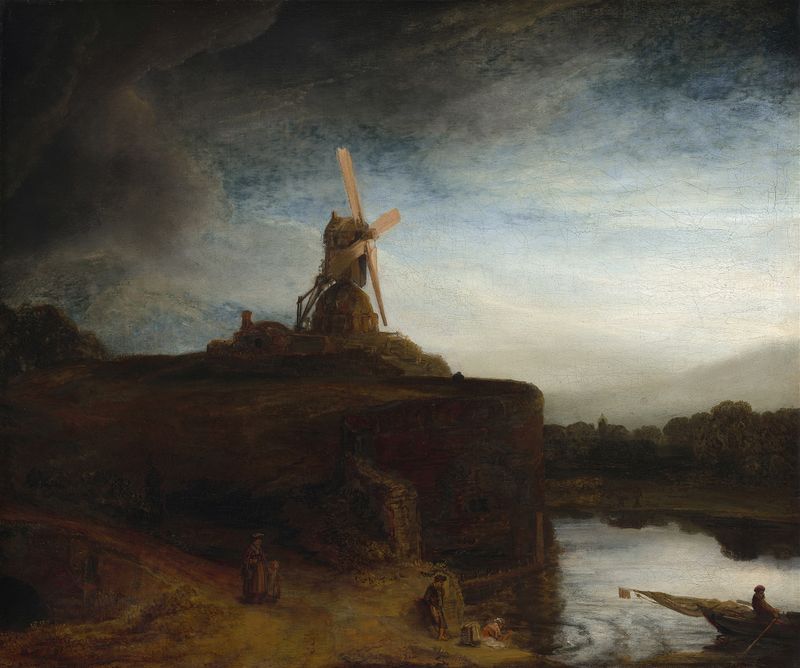
The Mill
Rembrandt van Rijn

The Sampling Officials of the Amsterdam Drapers’ Guild, Known as ‘The Syndics’
Rembrandt van Rijn

The return of the prodigal son
Rembrandt van Rijn
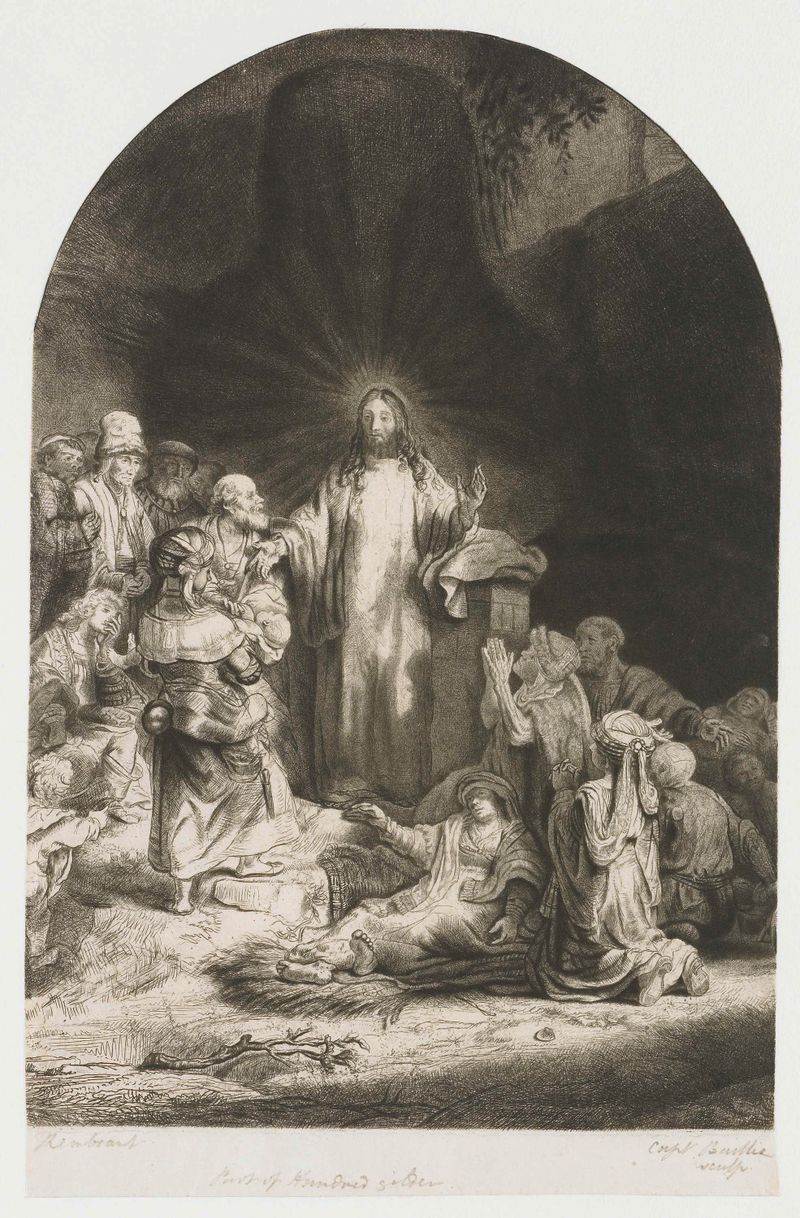
The Hundred Guilder Print: the central piece with Christ preaching, the plate arched
Rembrandt van Rijn

The Hundred Guilder Print: the man seen on the back in the lower left corner
Rembrandt van Rijn
More Religious Art
Browse all →The Return of the Prodigal Son
Rembrandt van Rijn

The Garden of Earthly Delights
El Bosco

Count Orgaz’ funeral
El Greco
The Hundred Guilder Print: the central piece with Christ preaching, the plate arched
Rembrandt van Rijn

The Descent from the Cross
Rogier van der Weyden
The return of the prodigal son
Rembrandt van Rijn