Abstract — History & Facts
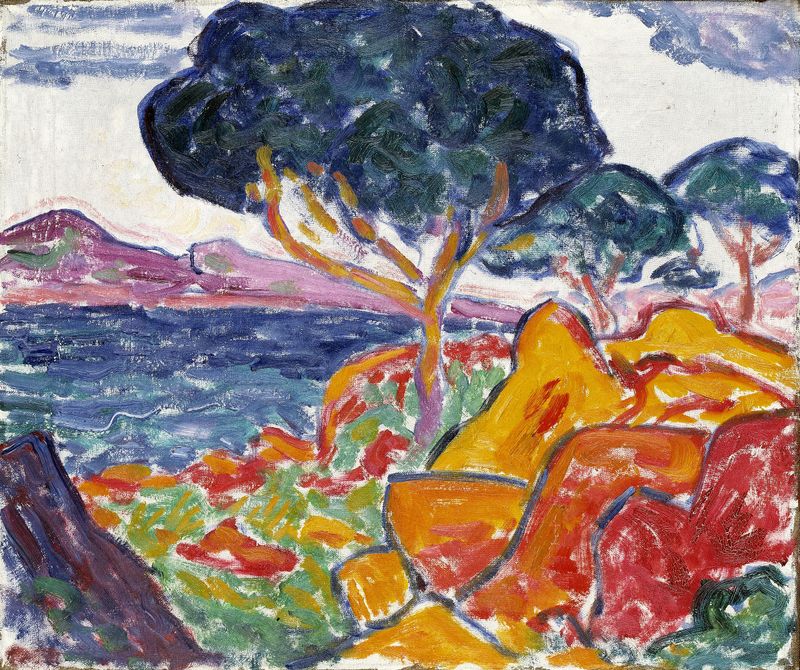
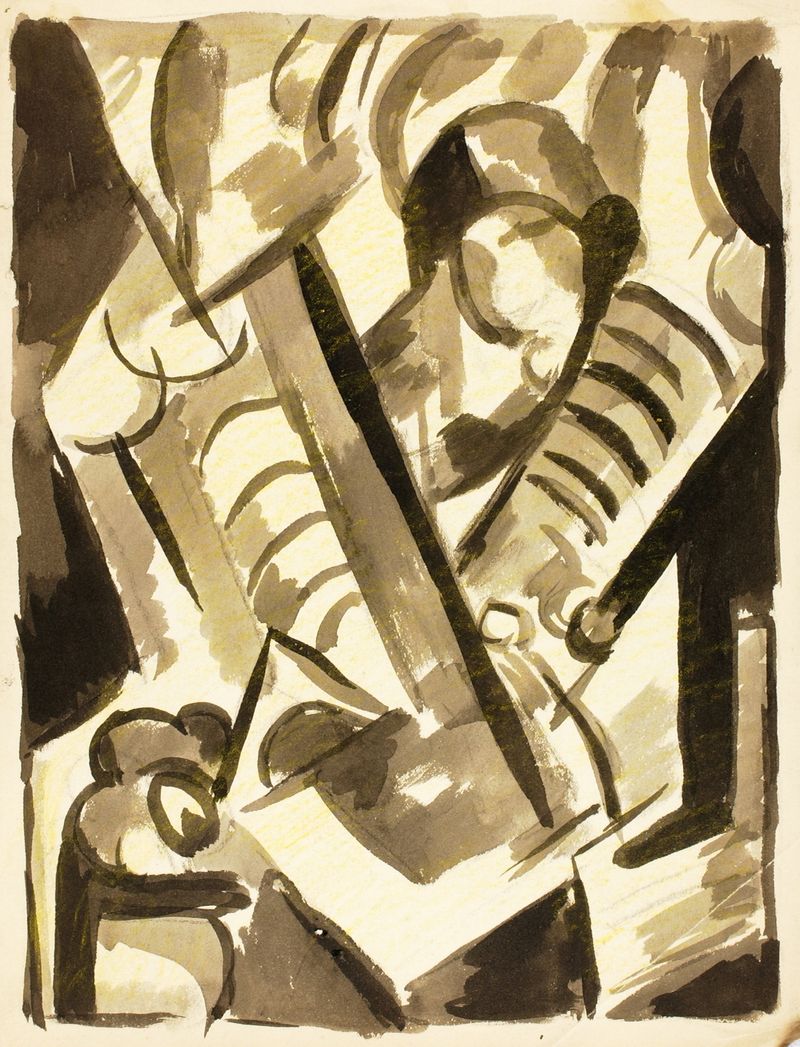
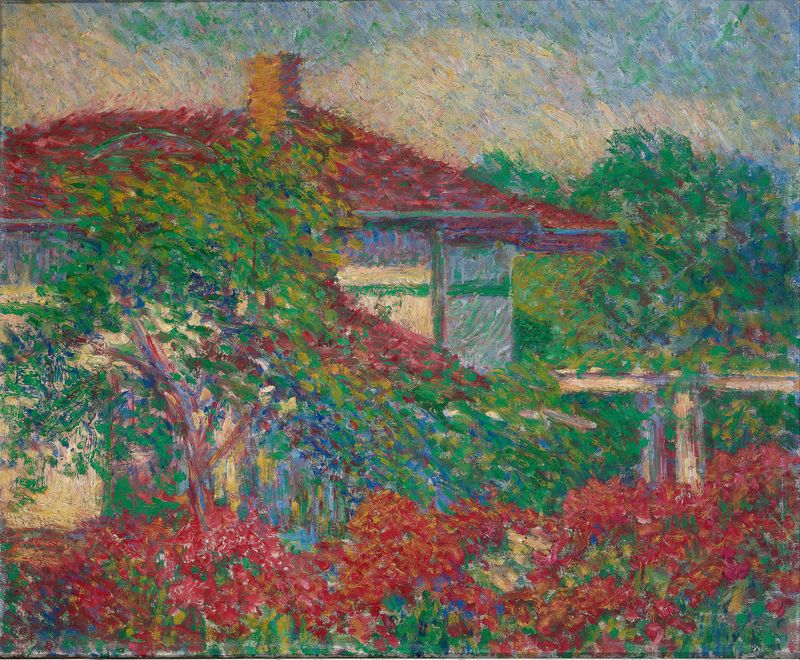
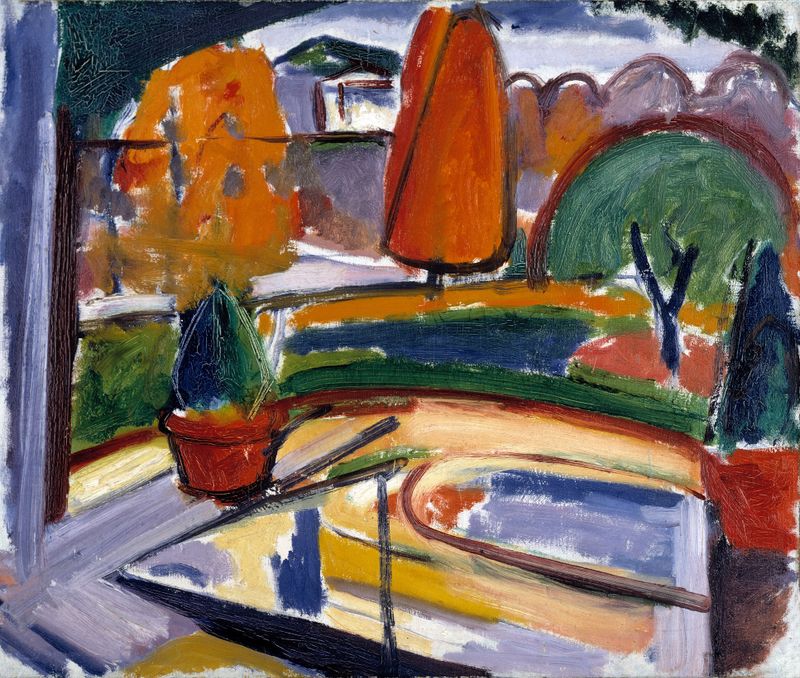
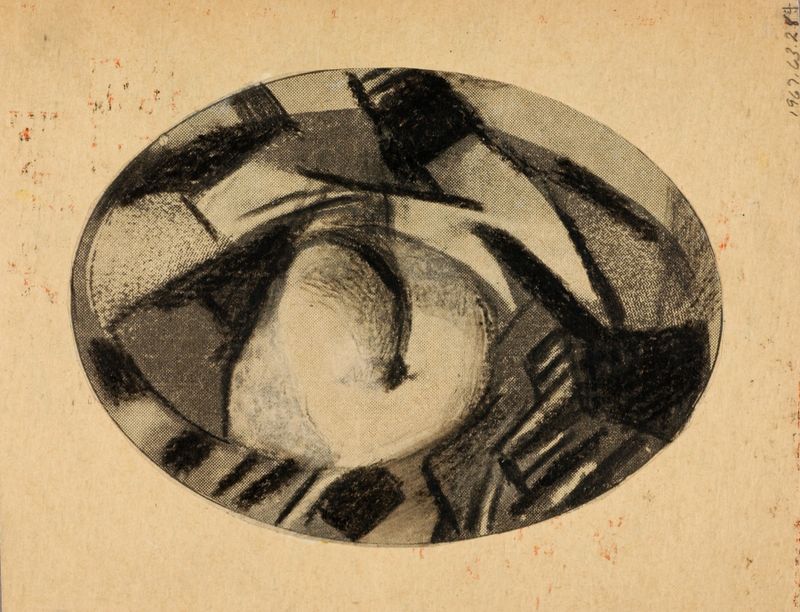
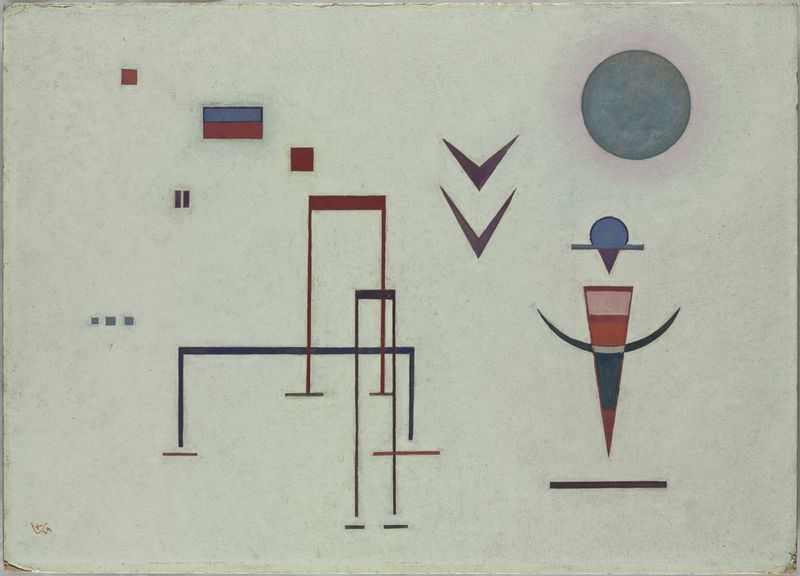
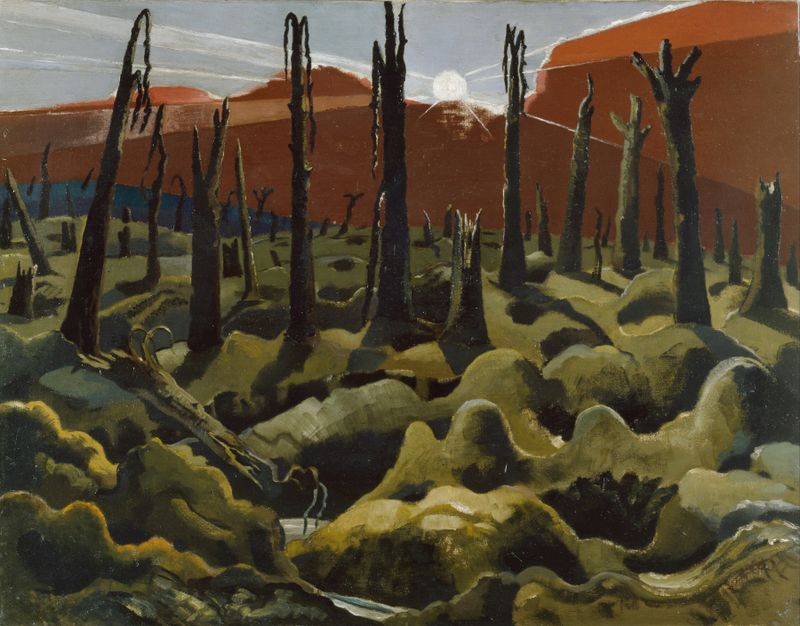
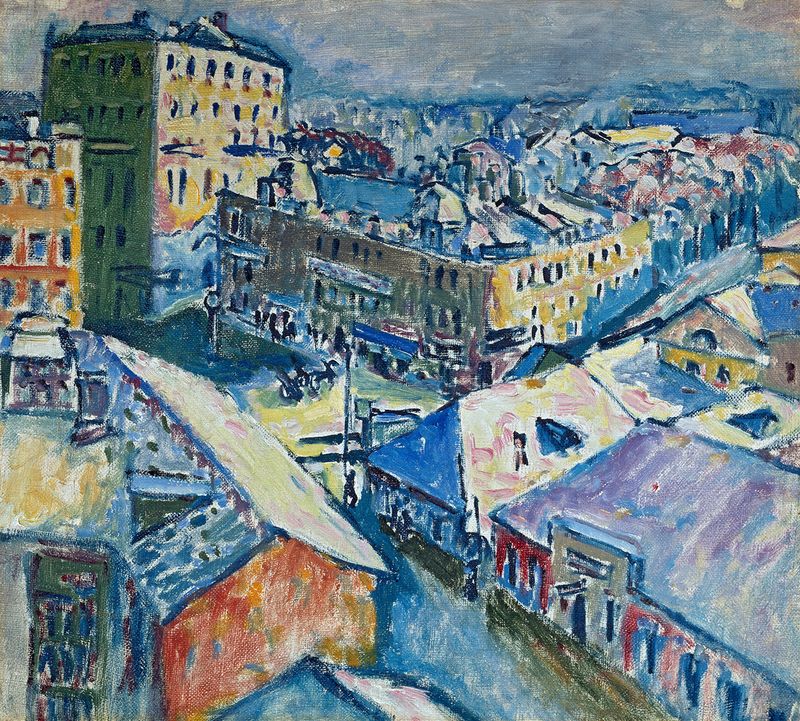
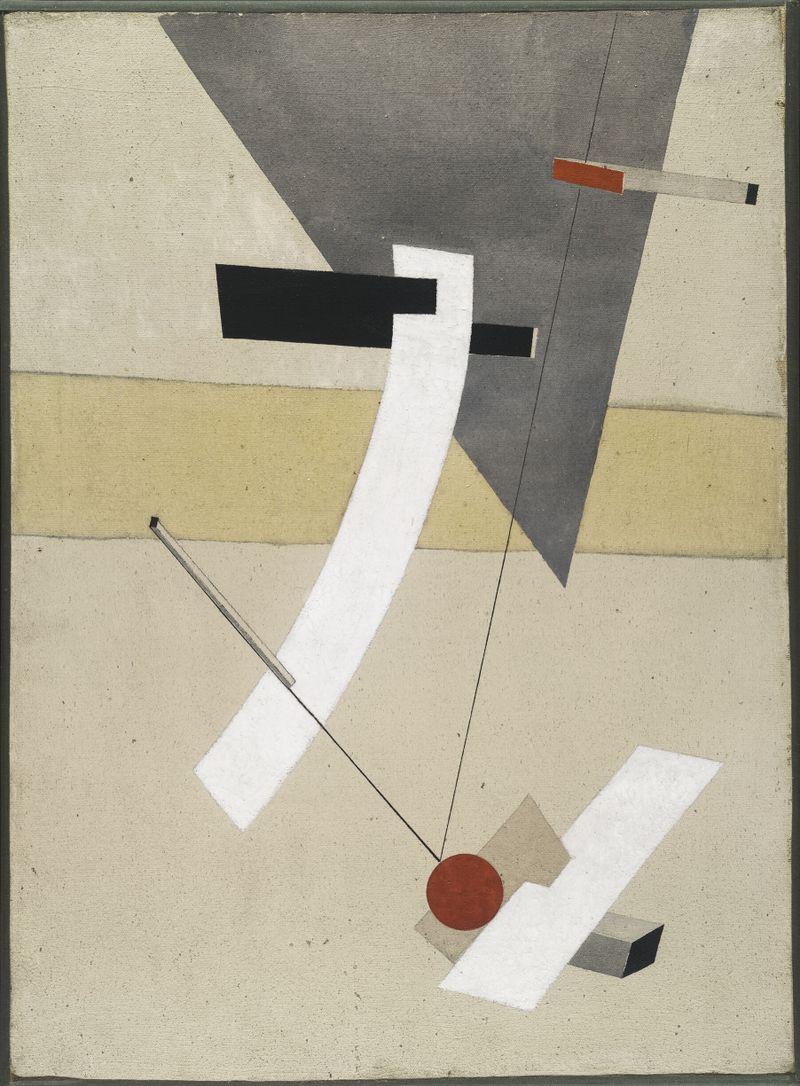
When did color learn to lie? In the world of abstraction, truth and perception dance a delicate tango, each stroke revealing layers of time and emotion. Look to the center of the canvas, where vibrant hues collide and swirl, creating an almost magnetic pull. Notice how the bold splashes of cerulean and crimson intertwine, forming a chaotic yet harmonious symphony. The brushwork conveys a sense of movement, as if the colors are engaged in a conversation, whispering secrets of their origins.
The interplay of light and shadow adds depth, inviting the viewer to linger and explore the unseen paths within the composition. Beneath this vibrant façade, hidden meanings emerge. The juxtaposition of cool and warm tones may represent the tension between past and present, as if grappling with memories that shape identity. Look closer: the subtle gradations suggest the passage of time, a reminder that nothing is static; life, like color, shifts and transforms.
Each layer, each brushstroke, acts as a fleeting moment captured in the flow of existence, challenging our perceptions of reality. Created during an era when abstraction was gaining momentum, the artist worked in a time marked by exploration and experimentation. Emerging from the vibrant art scene, the painter sought to push boundaries and redefine visual language. The creation of this work, though undated, stands as a testament to a period rich with artistic ambition, where the essence of time itself became a canvas for innovation.