Abstract Landscape — History & Facts
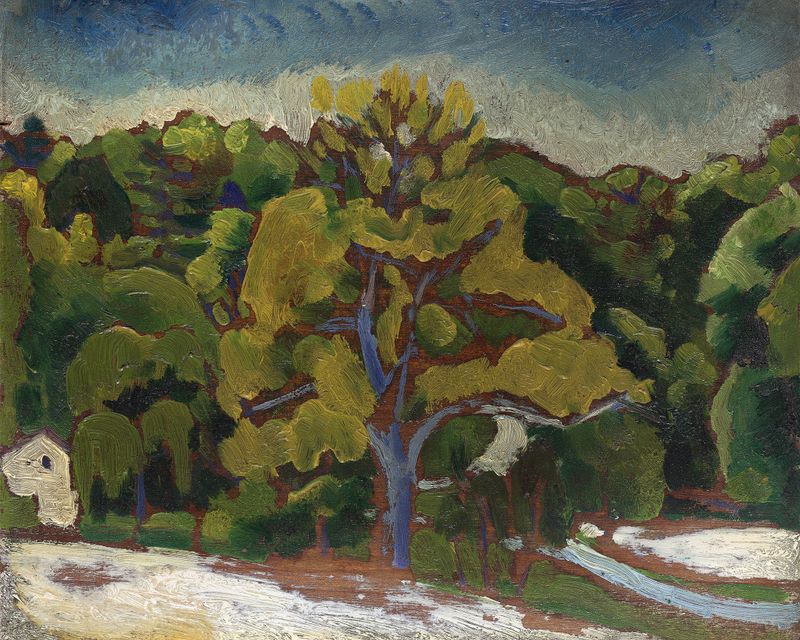
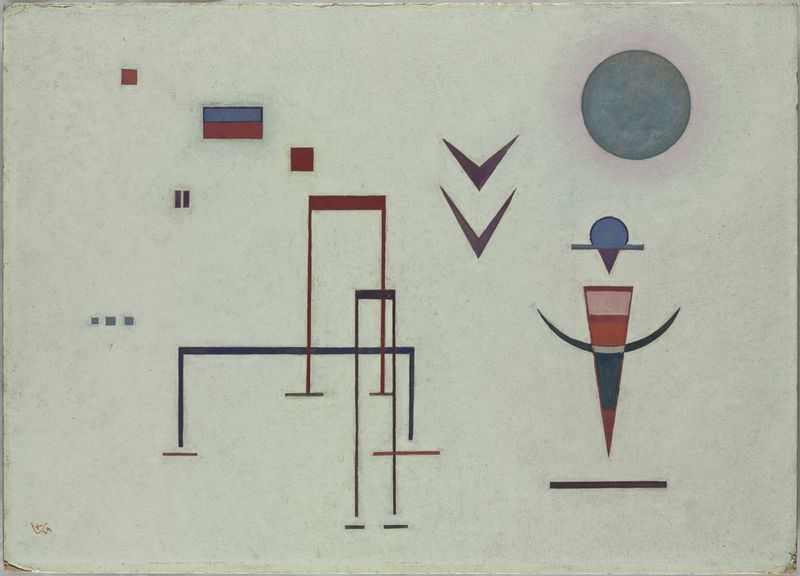
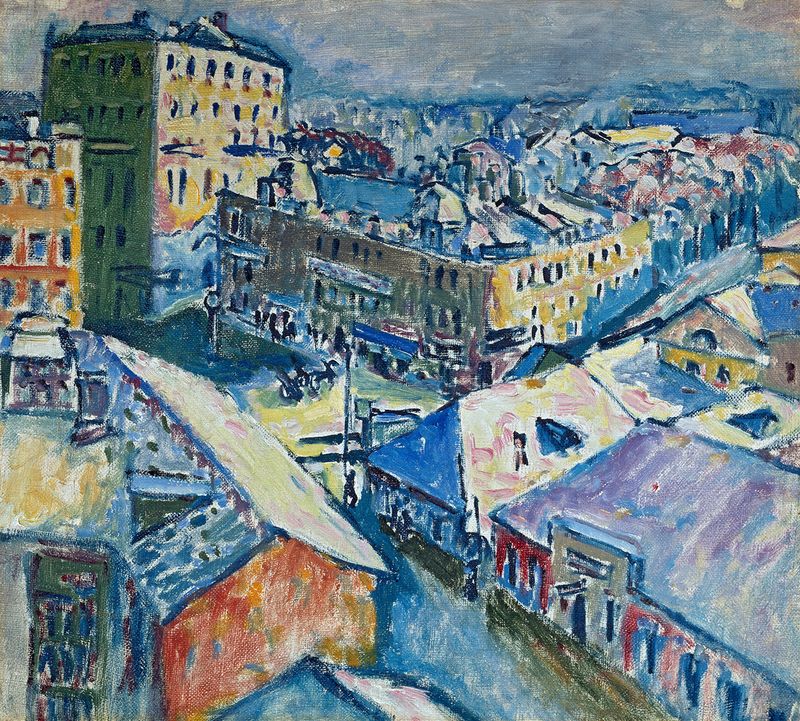
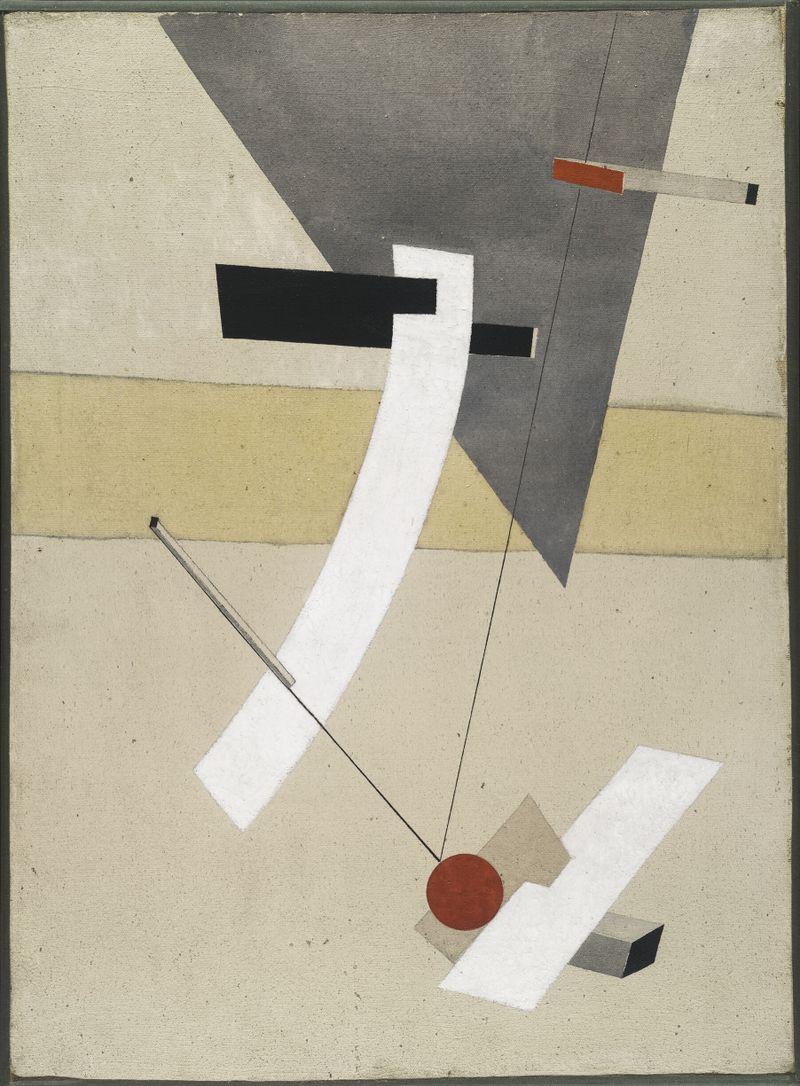
Can beauty exist without sorrow? In the layers of color and texture within this piece, the answer unfolds like a whispered secret. Look to the center of the canvas, where vibrant strokes of azure and ochre collide, creating an unsettling harmony. The interplay of geometric shapes and fluid lines draws the eye, while subtle gradations of color evoke an almost musical rhythm. Notice how the bold brushwork contrasts with softer, muted tones on the periphery, suggesting a narrative of tension and release.
This arrangement captures the essence of an abstract landscape, yet it transcends mere representation, inviting viewers to explore their interpretations. Delving deeper, one can sense the emotional currents that flow beneath the surface. The sharp angles might symbolize betrayal, a fracture in trust, while the gentler hues speak to the bittersweet nature of acceptance. The juxtaposition of chaos and calm reflects the complexities of human experience, raising questions about the relationships between beauty, pain, and the ephemeral nature of existence.
In this artwork, every stroke feels intentional, engaging the viewer in a dialogue about the fragility of emotions. Created during his formative years in the early 20th century, the artist was navigating a rapidly changing art world, influenced by movements like Cubism and Futurism. Working in New York City, Schamberg was at the crossroads of modernism, experimenting with abstraction while also grappling with personal turmoil. This period in his life was marked by both artistic exploration and the challenges of aligning personal truths with an evolving aesthetic landscape.