Abstract–Woman — History & Facts
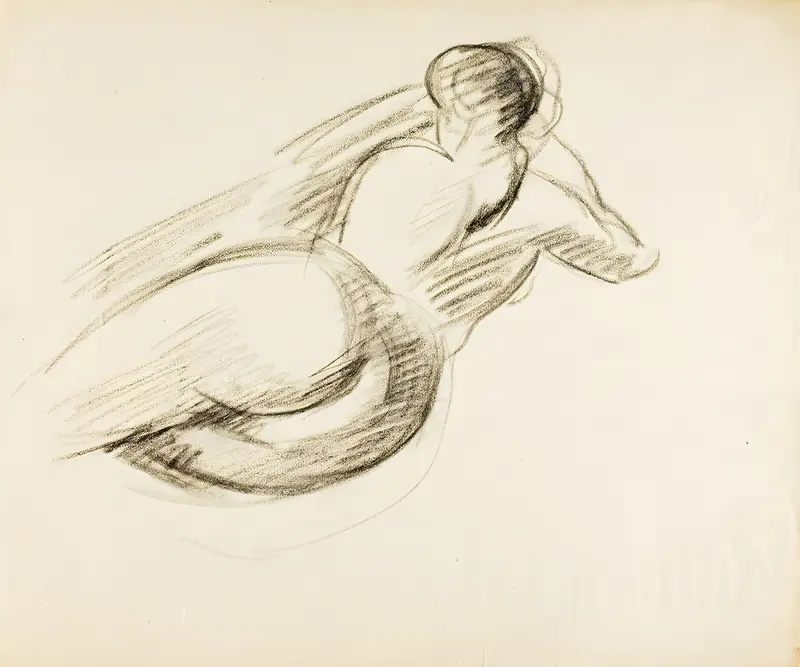
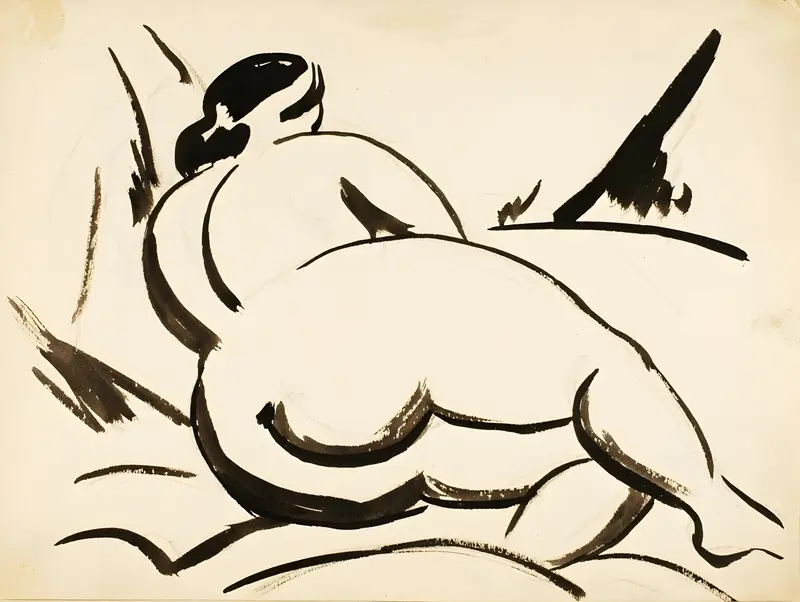
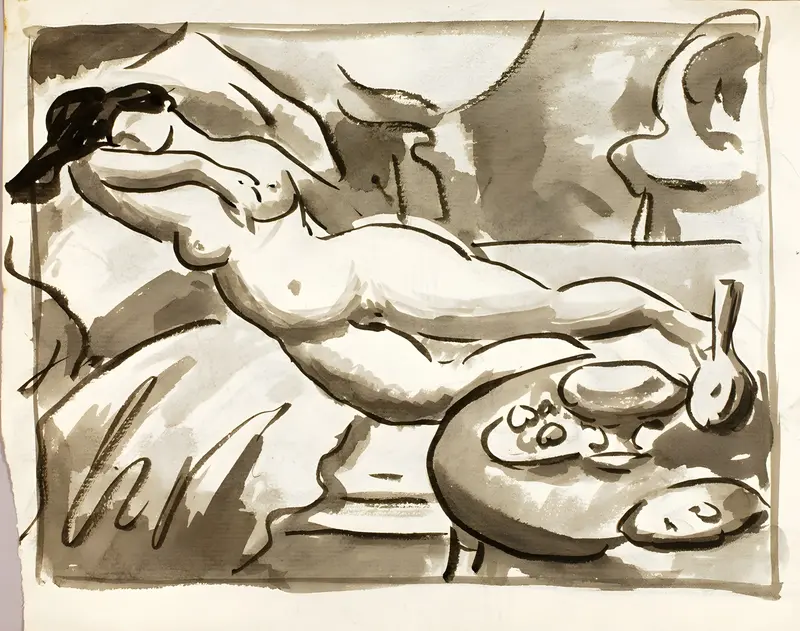
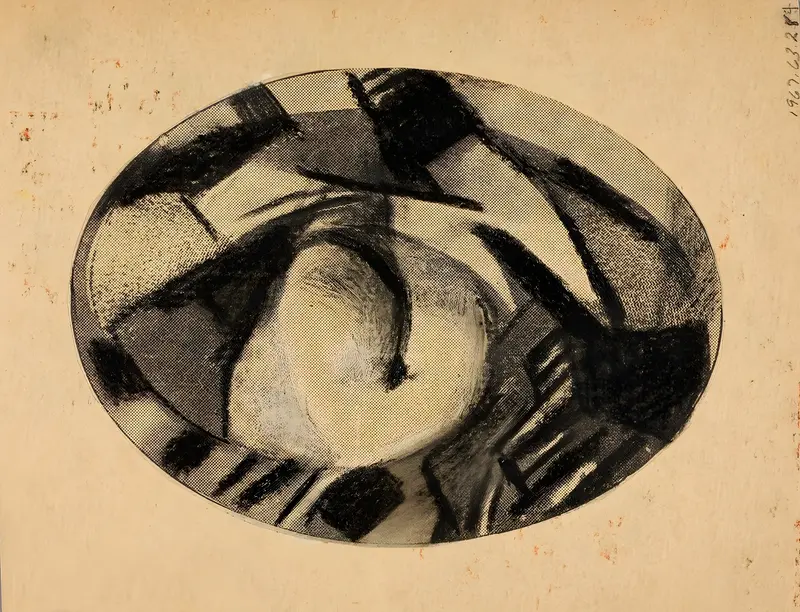
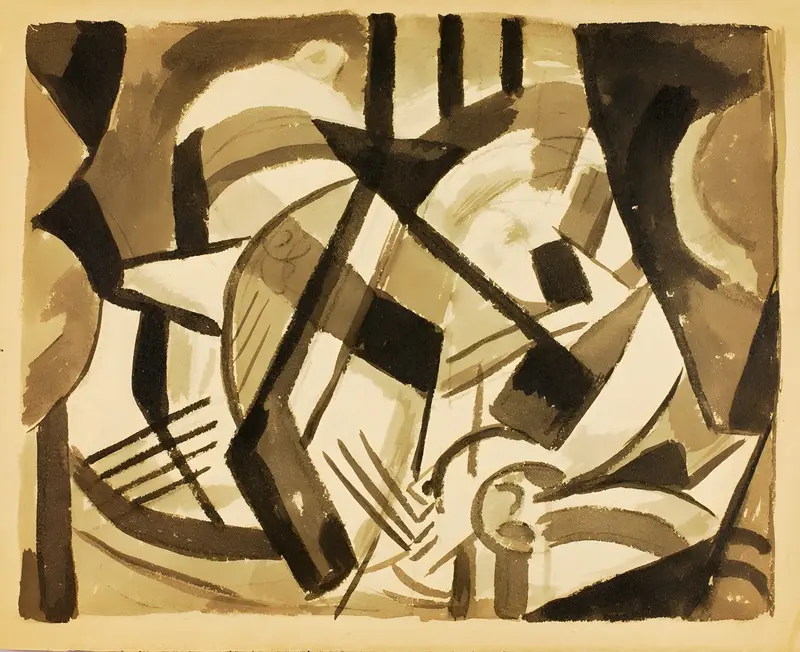
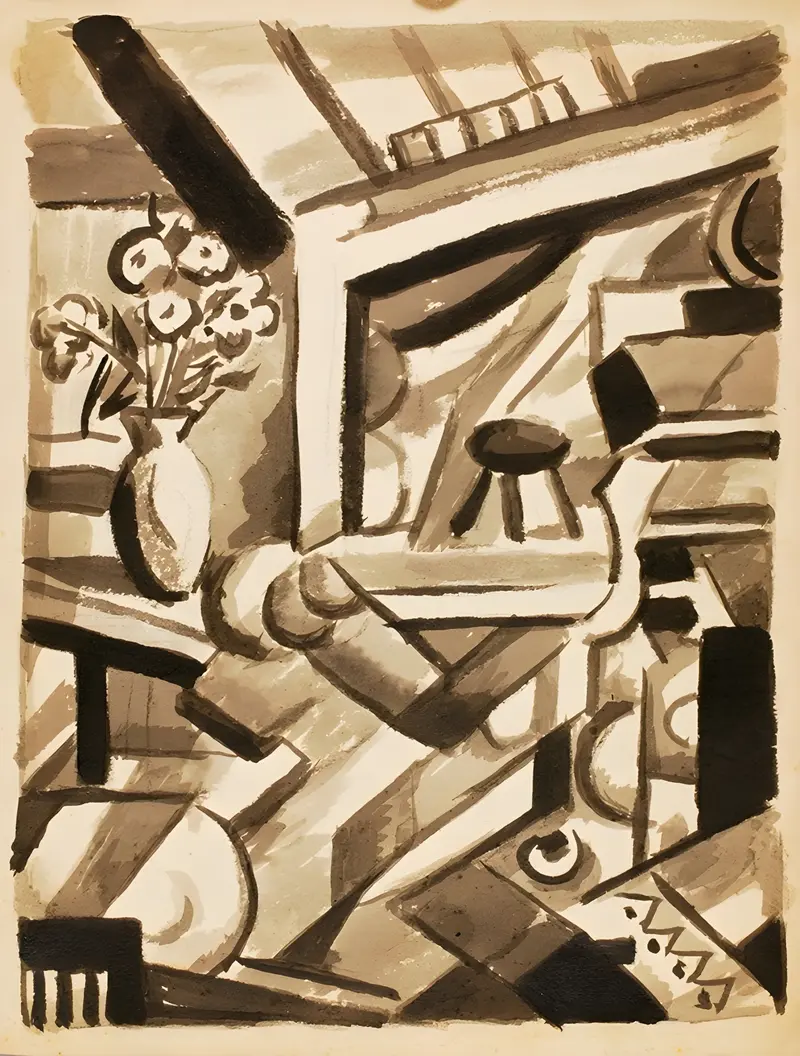
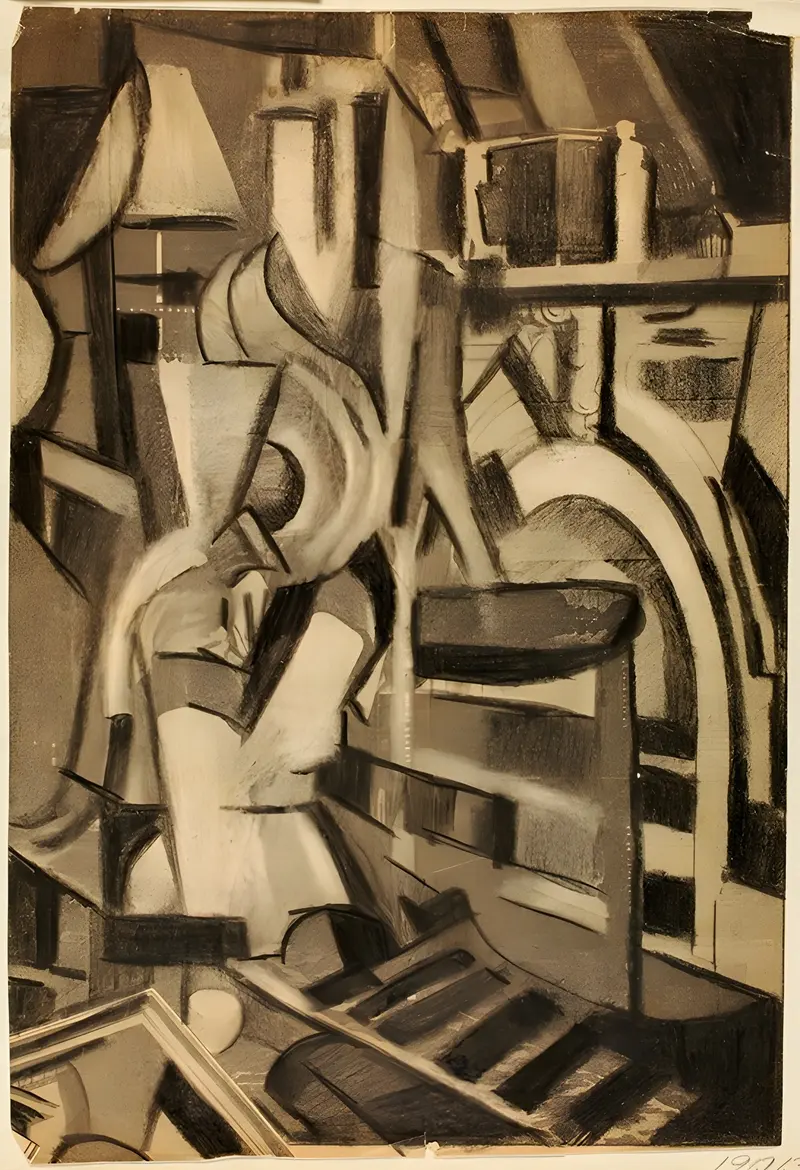
In Abstract–Woman, Carl Newman uses bold colors and dynamic shapes to depict a woman. The painting features swirling forms and vibrant hues that create a sense of movement. The figure is abstracted, lacking clear facial features or details, emphasizing the essence of femininity.
The background is a blend of colors that enhances the overall energy of the composition. The artwork is executed in oil on canvas, showcasing Newman's skill in manipulating color and form. The approximate dimensions of the painting are 100 x 150 cm, making it a substantial piece that commands attention. The use of abstraction allows viewers to interpret the work in various ways, engaging them in a personal dialogue.
The layering of colors adds depth and texture to the surface. Carl Newman was known for his contributions to modernist art, often exploring themes of identity and abstraction. Abstract–Woman reflects his interest in the female form and the emotional resonance it can convey. An interesting fact about this work is that it was created during a period of significant change in Newman's life, influencing its vibrant and expressive style.
This painting exemplifies his ability to blend personal experience with artistic innovation.