
Adam met slang en appel en liggende stier — History & Facts
What secret hides in the quiet of the canvas? Beneath the serene surface lies a whisper of hope, waiting to be uncovered. Look to the left at the figure of Adam, slightly hunched but resolute, his hand firmly grasping a smooth apple. The delicate etching beautifully captures the intricate textures of his skin and the crisp fruit, rendered with astonishing detail. Focus on the curvilinear lines of the flowing path that leads the viewer's eye toward the distant horizon, suggesting an unseen journey that extends beyond the immediate scene.
The muted palette of earthy browns and soft greens imbues the composition with a sense of calm, contrasting with the weight of the biblical narrative it invokes. Beneath the calmness, there exists a tension between innocence and temptation. The apple, emblematic of knowledge yet to be embraced, gleams invitingly, while Adam’s tentative posture suggests an internal struggle. The winding path, seemingly serene, represents the duality of choice—a journey filled with potential yet fraught with consequences.
This subtle interplay of elements invites contemplation about the nature of hope and the decisions that shape one’s destiny. Hans Sebald Beham created this work in Nuremberg in 1524, during a time of significant religious upheaval and the blossoming of the Northern Renaissance. Influenced by the Reformation’s dialogue about faith, morality, and personal choice, Beham’s engraving reflects a moment of introspection, bridging the historical with the mystical. His meticulous technique and moral inquiries resonate deeply, inviting viewers to reflect on their own paths and the hopes that guide them.
More Artworks by Hans Sebald Beham
Browse all →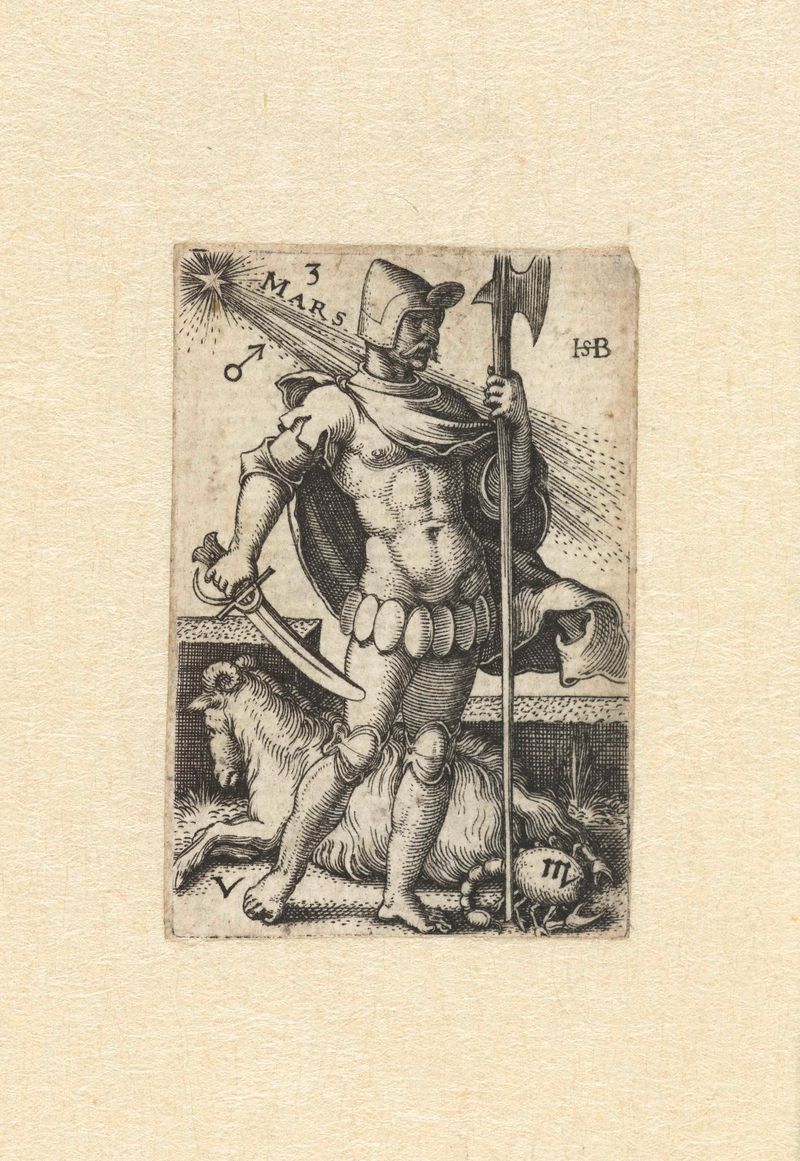
Mars met sterrenbeelden Ram en Schorpioen
Hans Sebald Beham

Achilles in gevecht met Hector
Hans Sebald Beham
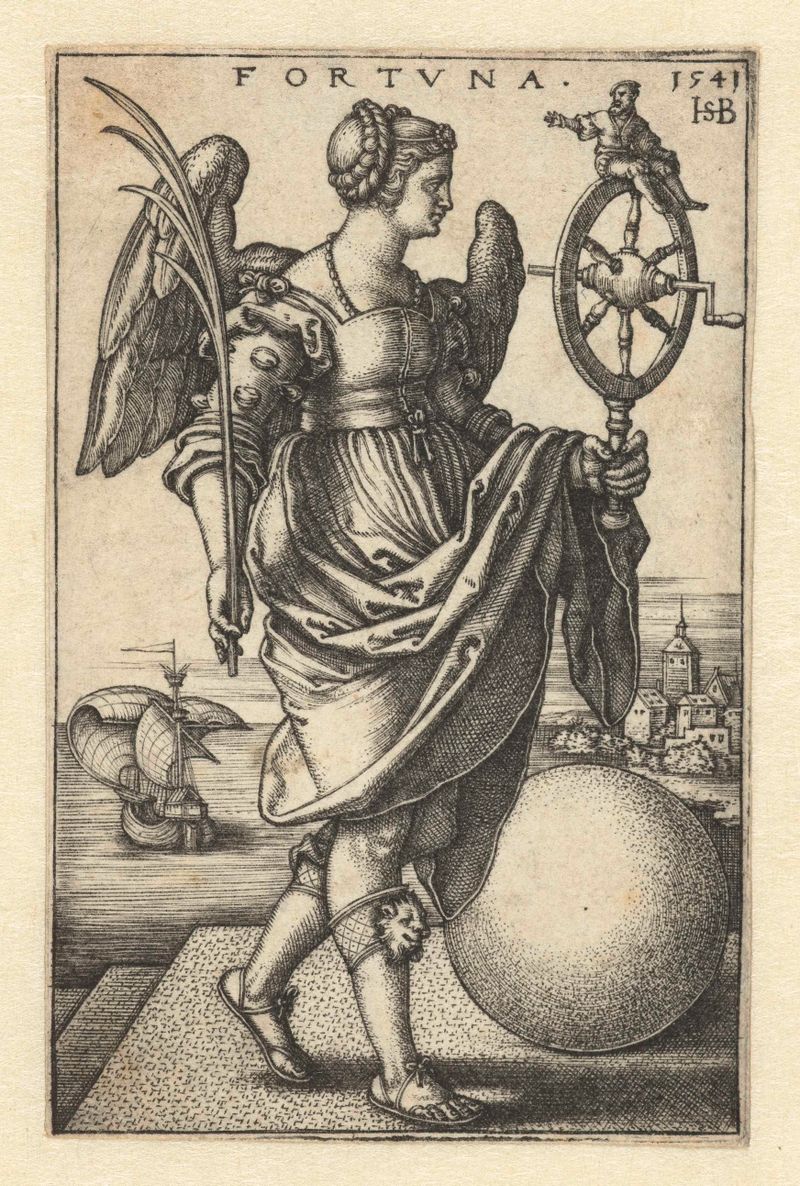
Fortuna
Hans Sebald Beham

Hercules worstelt met Antaeus
Hans Sebald Beham

Twee muzikanten met schalmey en doedelzak
Hans Sebald Beham

Voorzichtigheid (Prudentia)
Hans Sebald Beham

Hercules in gevecht met de Trojanen
Hans Sebald Beham
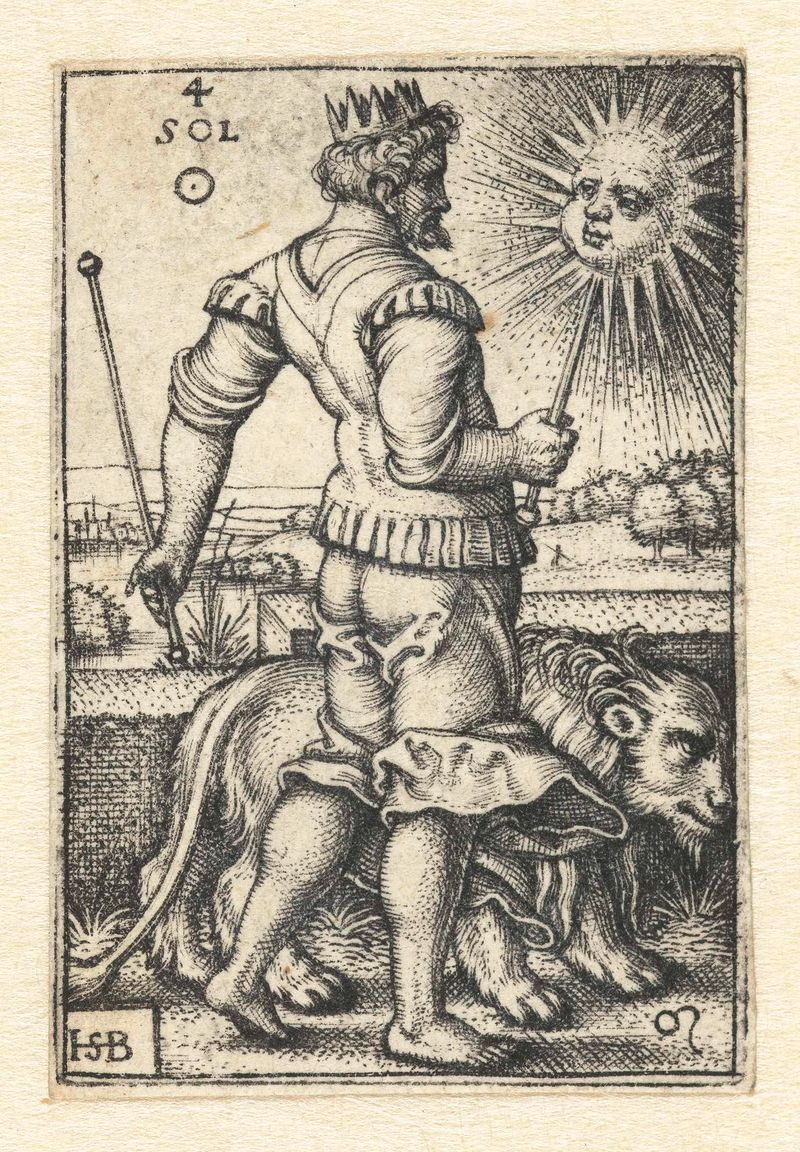
Apollo (Sol) met sterrenbeeld Leeuw
Hans Sebald Beham
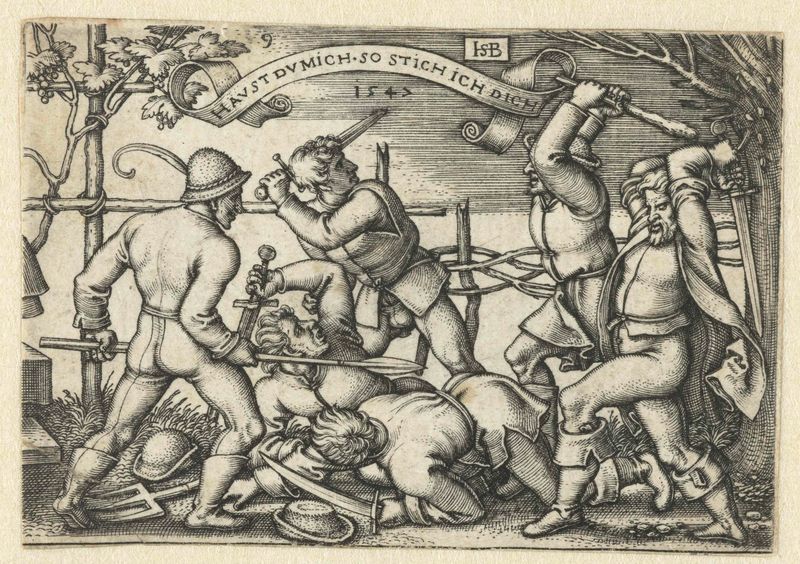
Vechtende boeren met zwaarden
Hans Sebald Beham
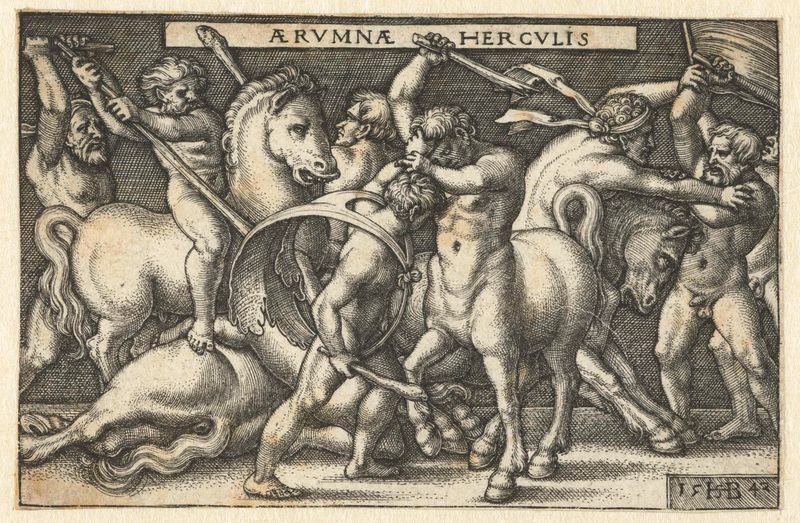
Hercules in gevecht met centaurs
Hans Sebald Beham





