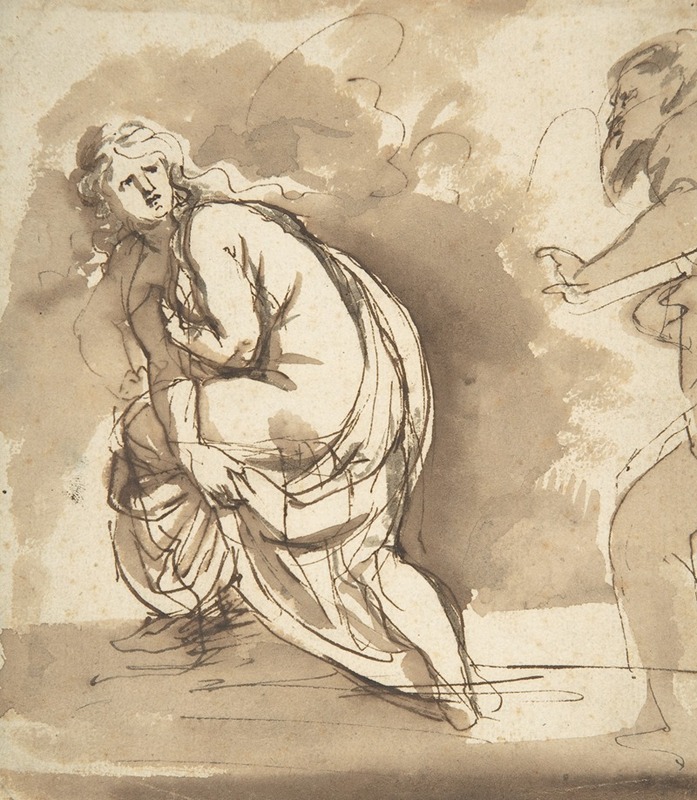
Discover insights about this artwork
Adam und Eva (Paradies) — History & Facts
In Adam und Eva (Paradies), Ludwig von Hofmann presents a lush, vibrant scene filled with rich colors. The figures of Adam and Eve are depicted in a harmonious embrace, surrounded by a verdant paradise. The background is filled with lush greenery and colorful flowers, creating a sense of abundance and life.
The overall composition conveys a feeling of innocence and tranquility. The painting is characterized by Hofmann's use of oil on canvas, allowing for a smooth blending of colors and soft textures. The figures are rendered with delicate details, showcasing the artist's skill in portraying human anatomy and emotion. The light in the painting appears to emanate from the figures themselves, enhancing their ethereal quality.
This technique draws the viewer's eye to the central figures in the composition. Ludwig von Hofmann was a prominent figure in the Symbolist movement, known for his dreamlike and often mythological themes. This work reflects his fascination with the themes of creation and innocence, common in his oeuvre. An interesting fact about Adam und Eva (Paradies) is that it was created during a period when Hofmann was deeply influenced by the ideas of the fin-de-siècle, exploring the intersection of art and spirituality.
The painting remains a testament to his unique vision and artistic style.
More Artworks by Ludwig von Hofmann
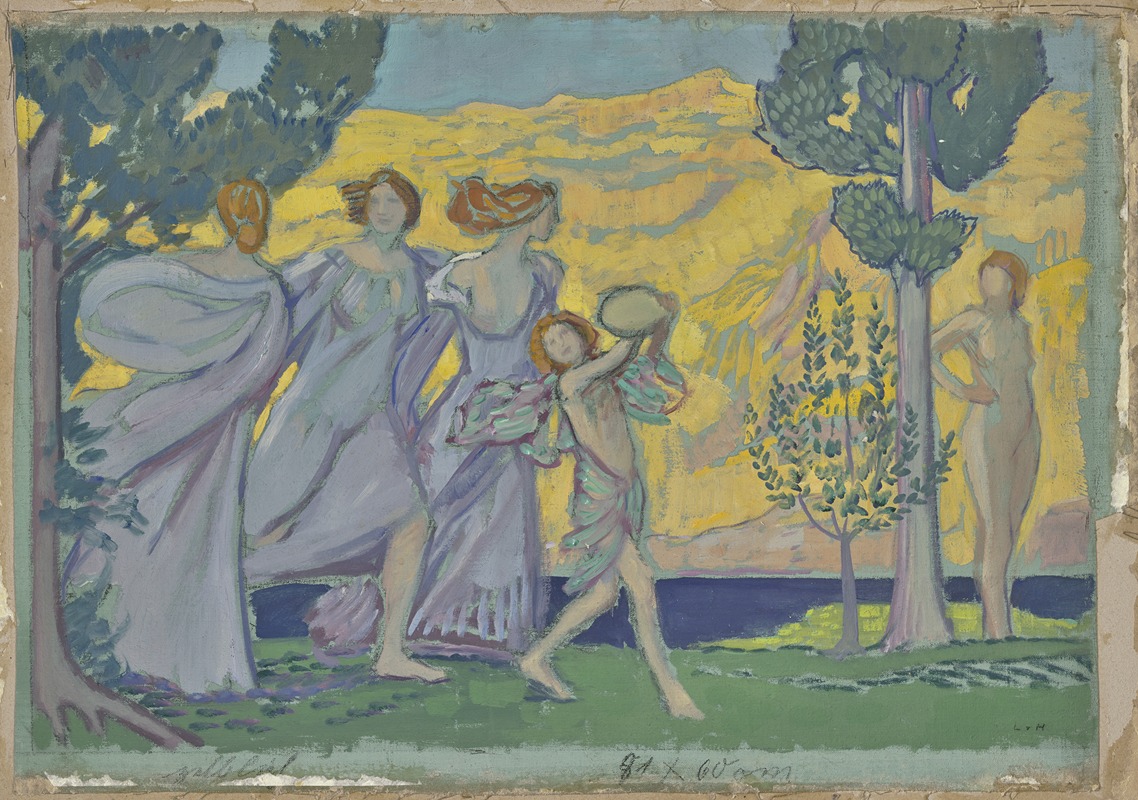
Drei tanzende Mädchen und Tamburinschläger
Ludwig von Hofmann
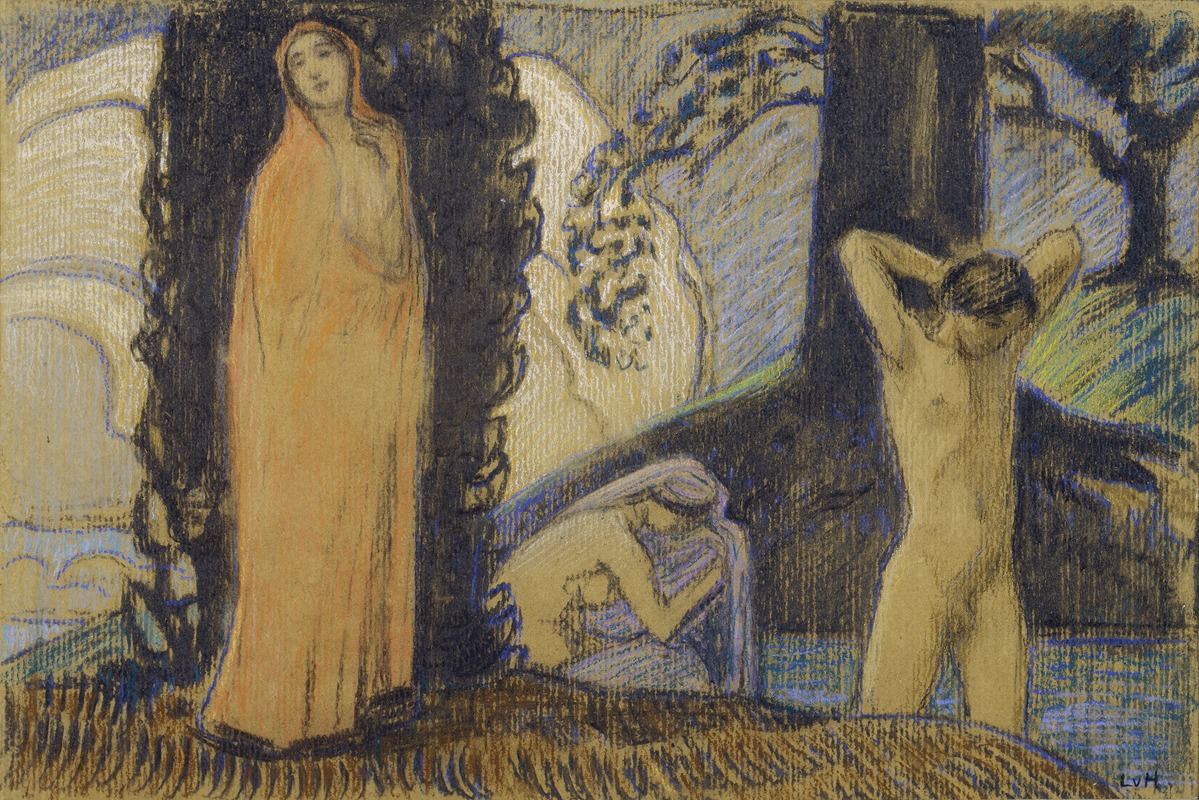
Zwei Frauen und ein Jüngling im Bade
Ludwig von Hofmann
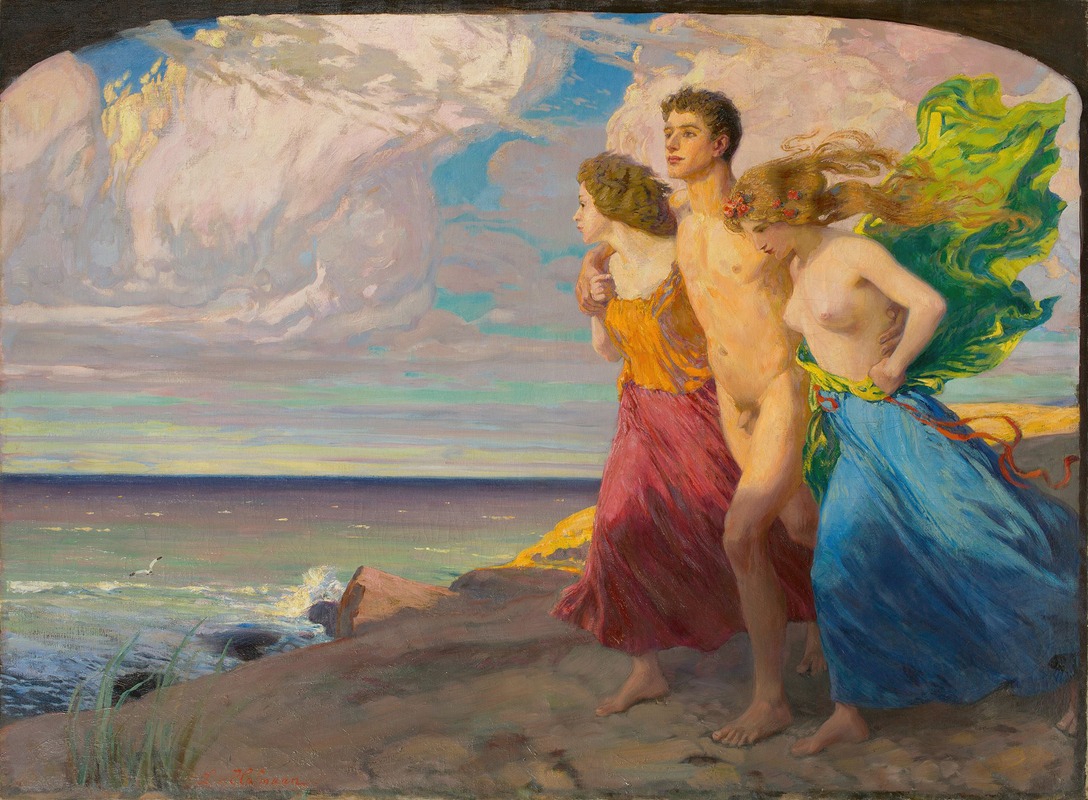
Spring Storm
Ludwig von Hofmann
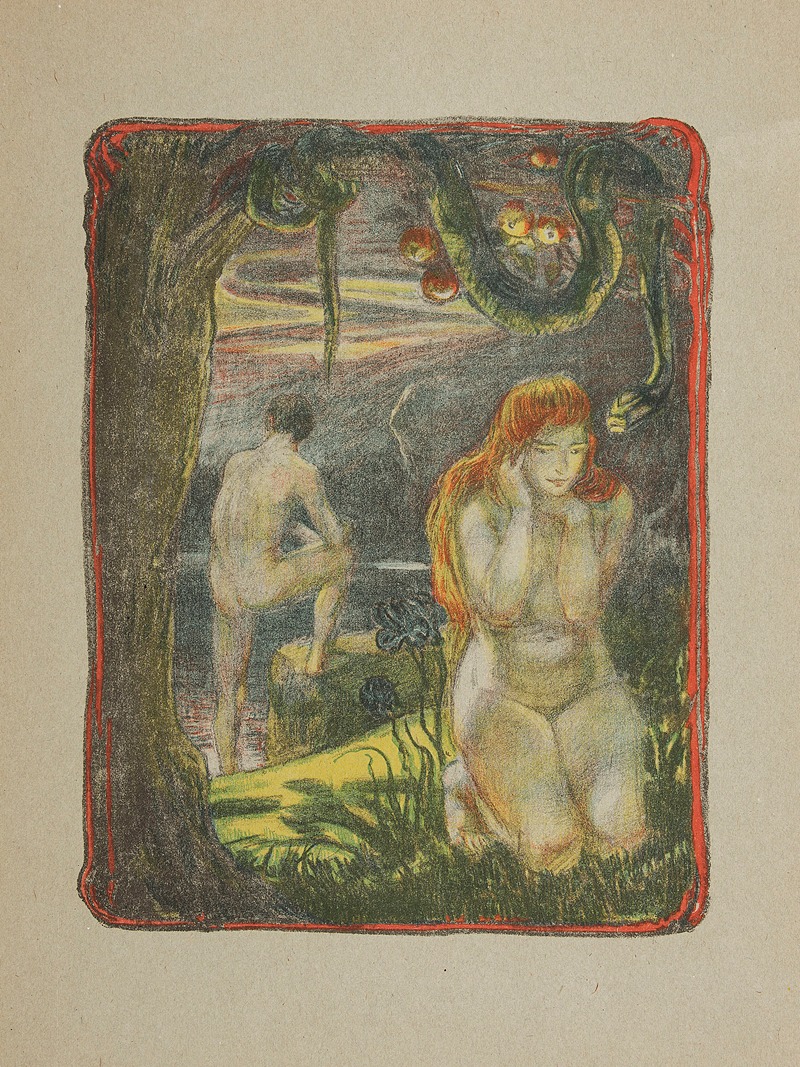
Adam and Eve
Ludwig von Hofmann
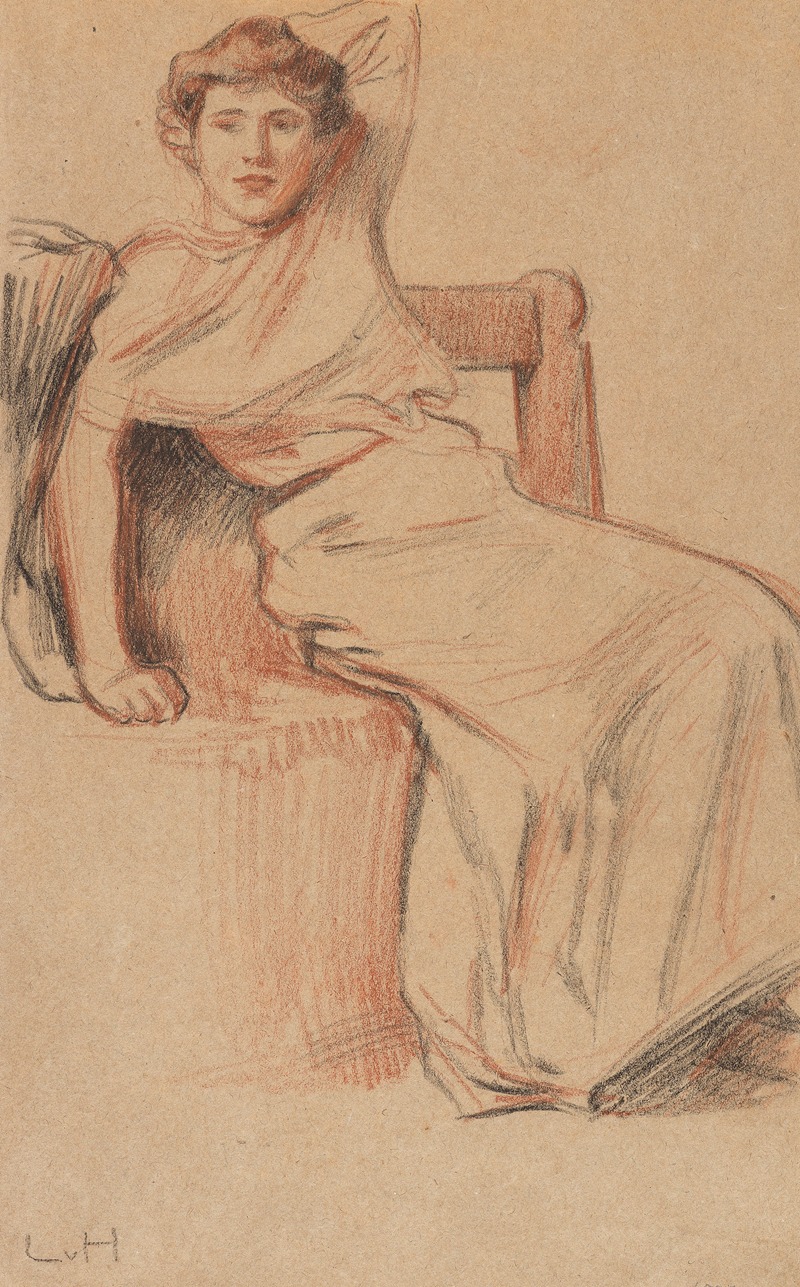
Bildnis einer sitzenden Dame
Ludwig von Hofmann
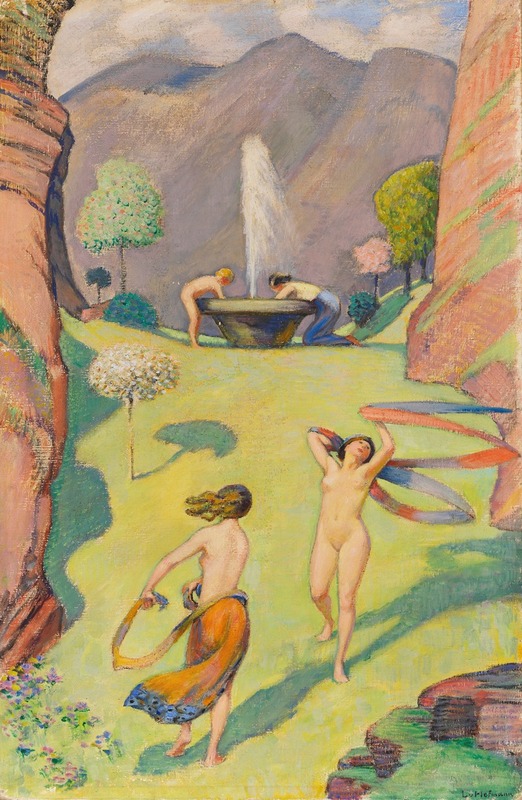
Frühlingstanz
Ludwig von Hofmann
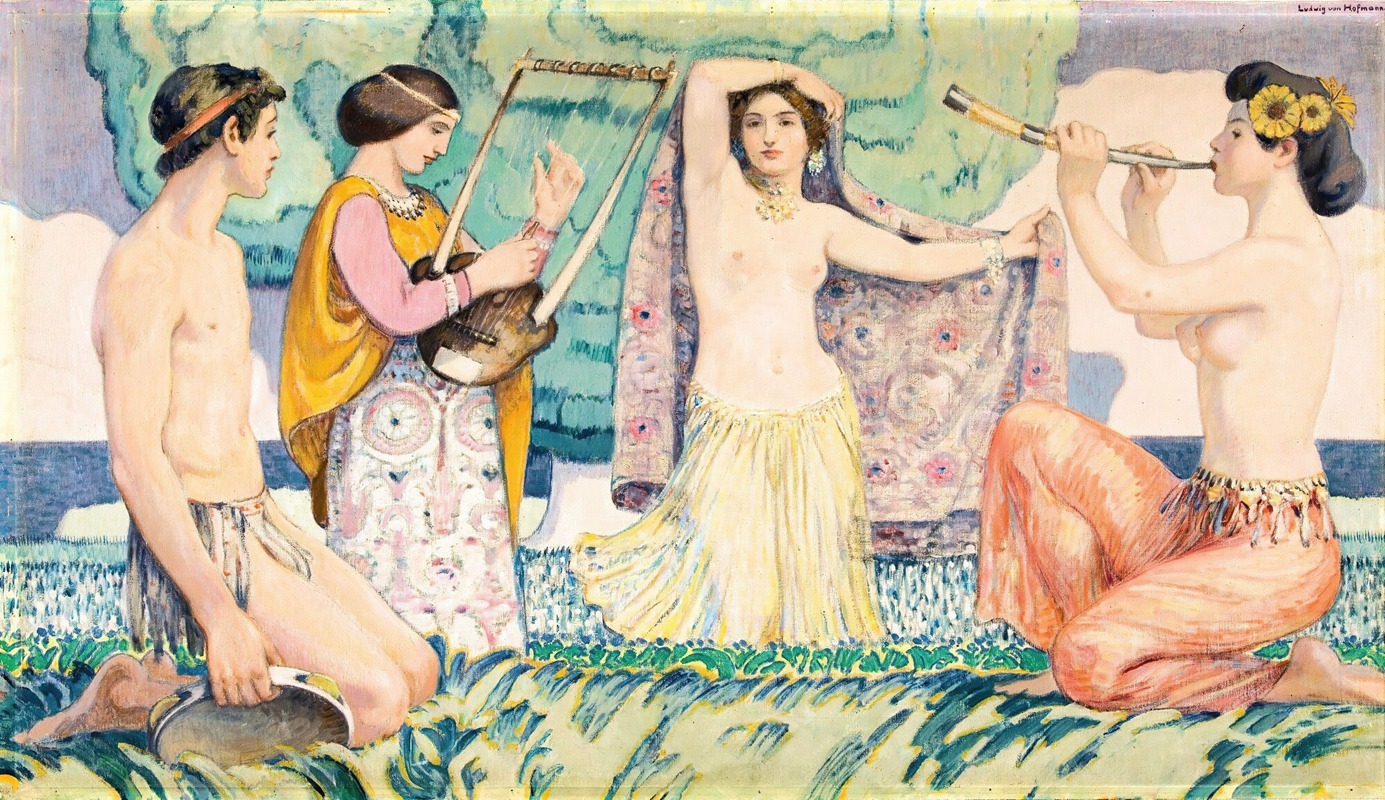
Arcadian idyll
Ludwig von Hofmann
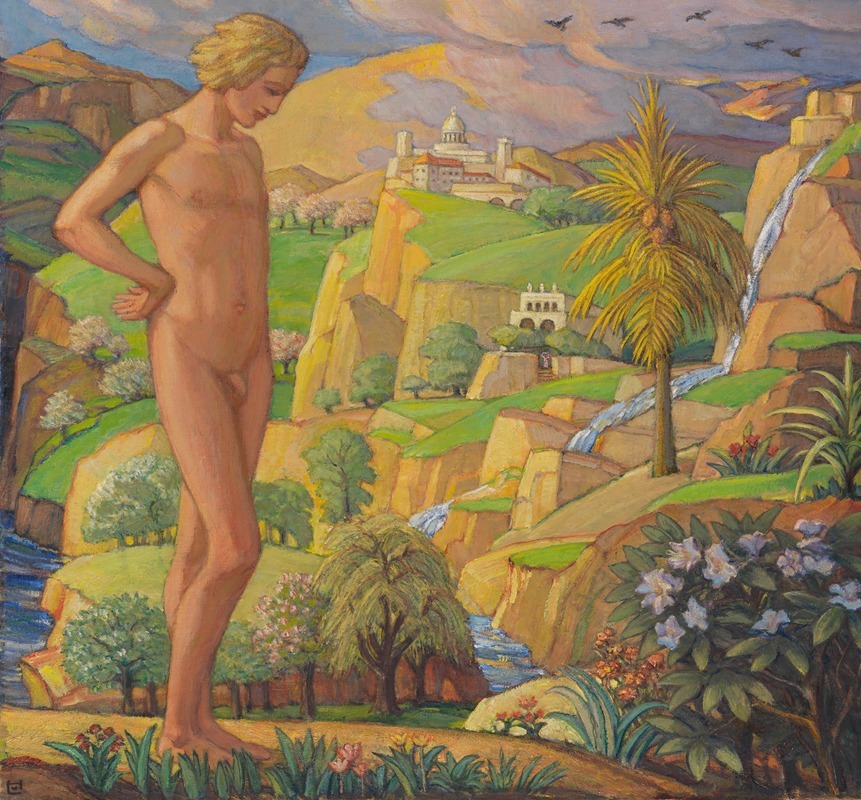
Die Zauberinsel
Ludwig von Hofmann
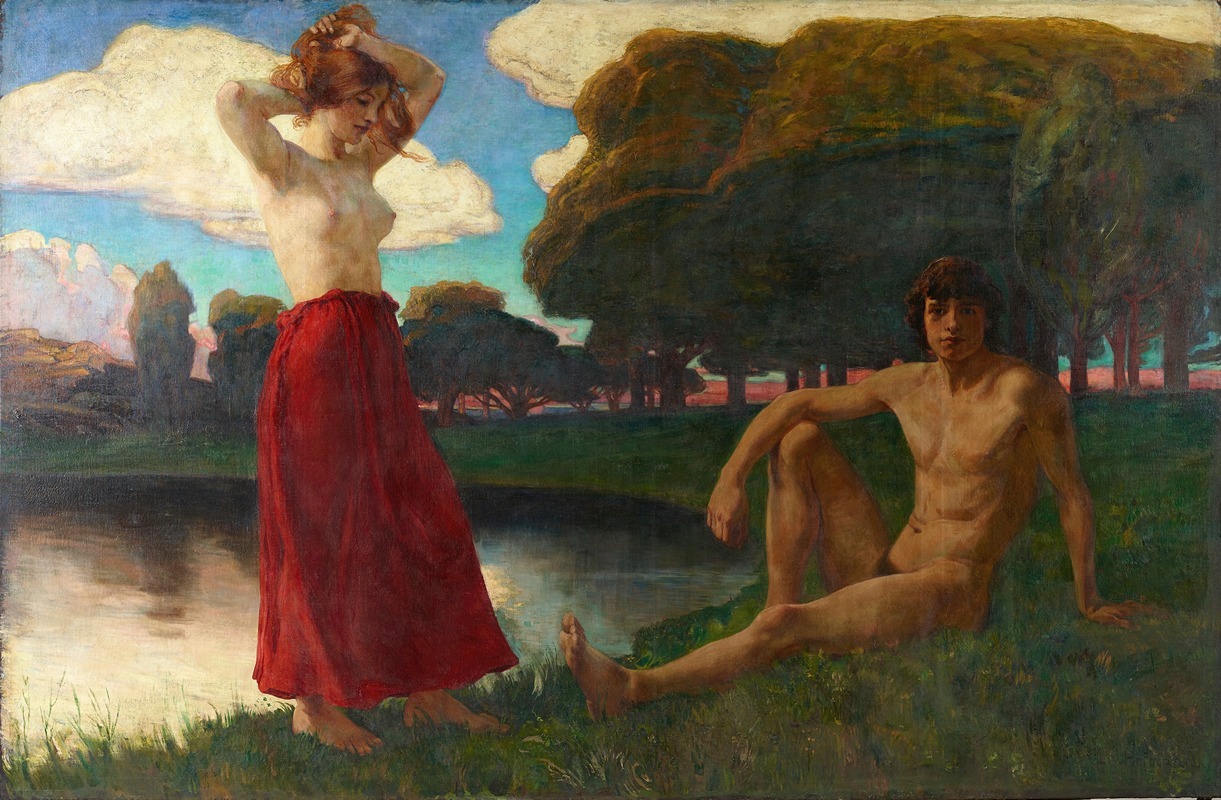
Idyll (Männlicher und weiblicher Halbakt in der Landschaft)
Ludwig von Hofmann
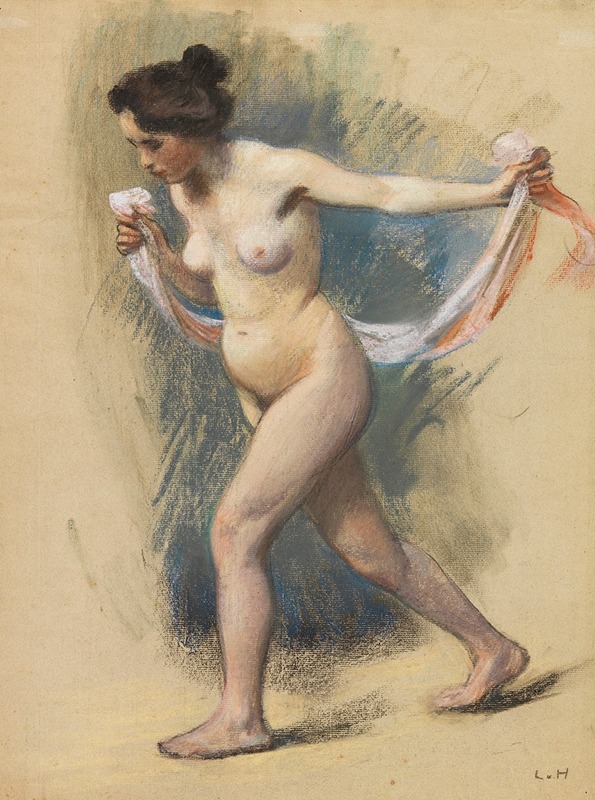
Tänzerin mit Schleier
Ludwig von Hofmann