Discover insights about this artwork
Adam and Eve — History & Facts
In Adam and Eve, Ludwig von Hofmann presents a lush garden setting filled with vibrant colors. The figures of Adam and Eve are depicted in a moment of serene intimacy, surrounded by rich foliage and flowers. The use of soft pastels and bright greens creates a sense of harmony and life.
Their expressions reflect curiosity and innocence, embodying the essence of the biblical story. The painting is characterized by its fluid brushwork and attention to detail, typical of Symbolism. Hofmann employs oil on canvas to create depth and texture, enhancing the overall visual impact. The composition draws the viewer's eye to the central figures while the background remains lush and inviting.
The artist's technique allows for a delicate interplay of light and shadow, adding to the painting's allure. Ludwig von Hofmann was a prominent figure in the Symbolist movement, known for his dreamlike imagery. This work, created around the turn of the 20th century, reflects his fascination with mythological and biblical themes. An interesting fact about this painting is that it showcases Hofmann's ability to blend reality with fantasy, making the viewer question the boundaries between the two.
Today, it resides in a private collection, highlighting its exclusivity and value.
More Artworks by Ludwig von Hofmann
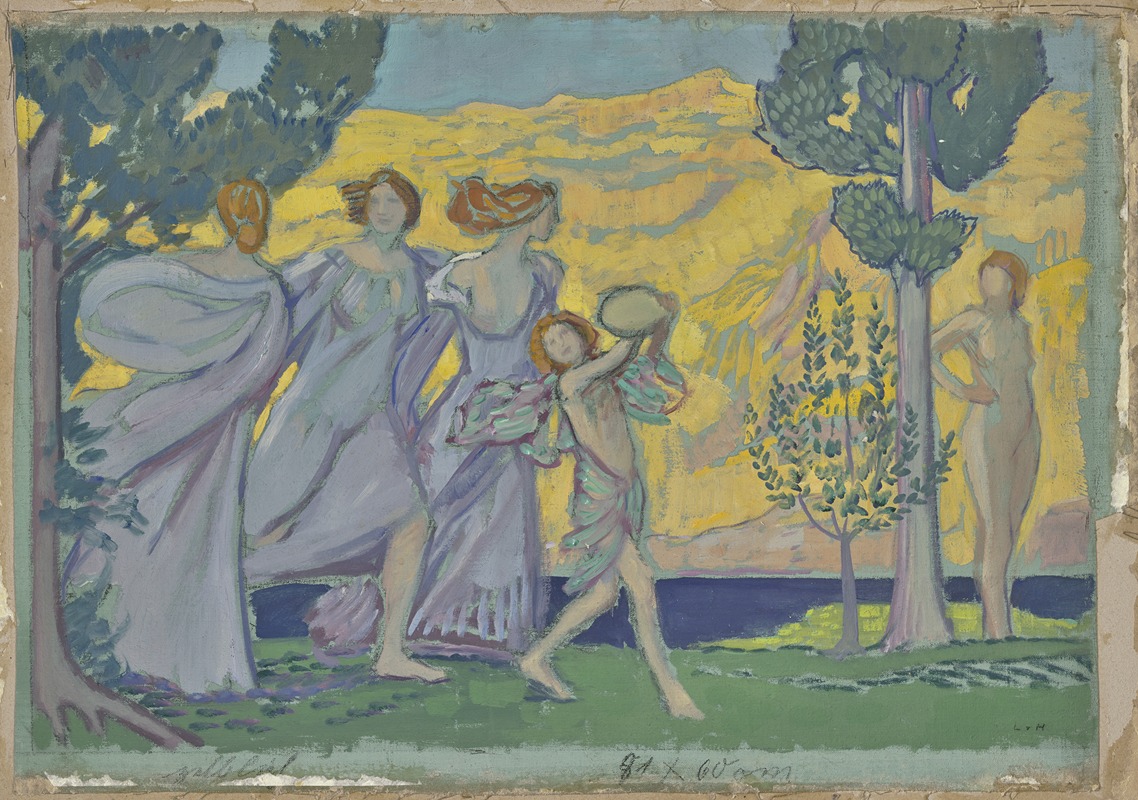
Drei tanzende Mädchen und Tamburinschläger
Ludwig von Hofmann
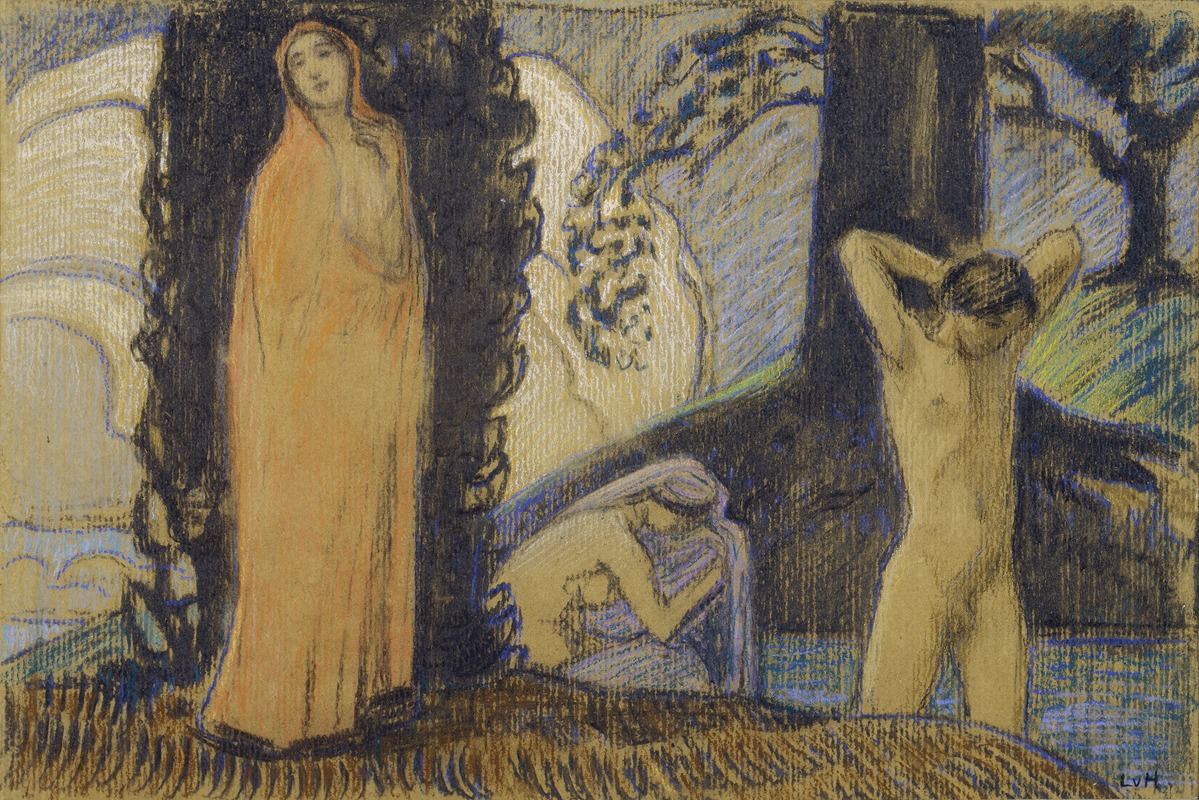
Zwei Frauen und ein Jüngling im Bade
Ludwig von Hofmann
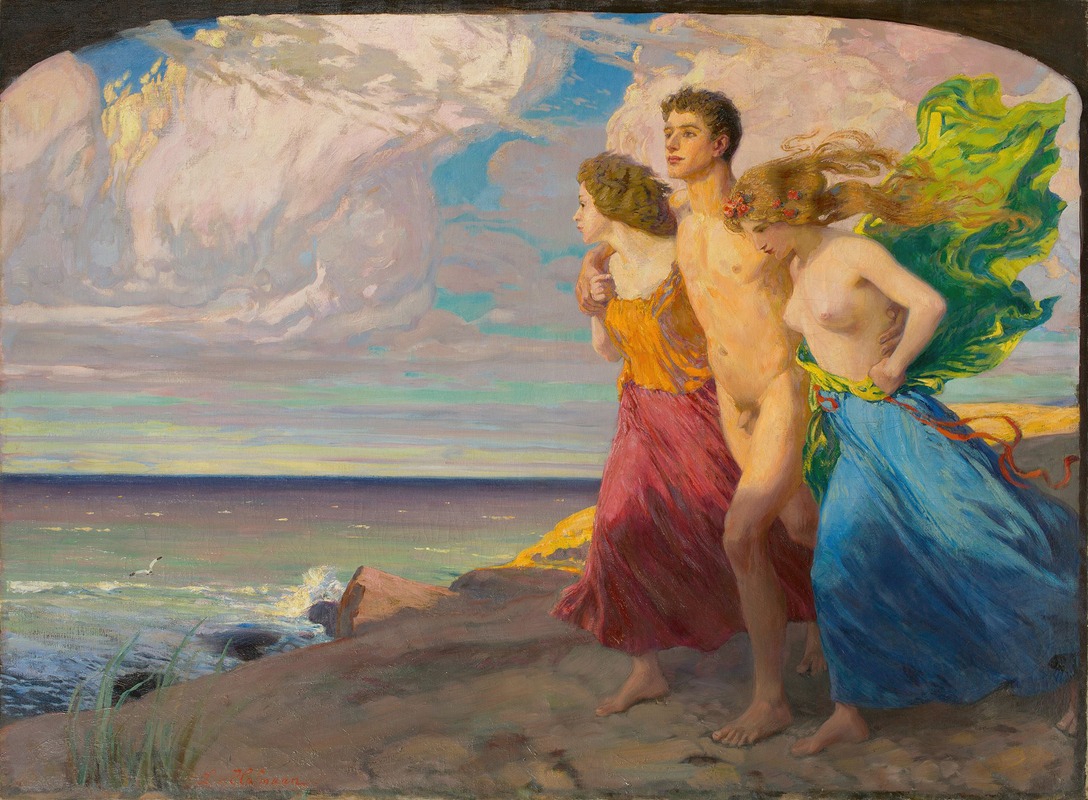
Spring Storm
Ludwig von Hofmann
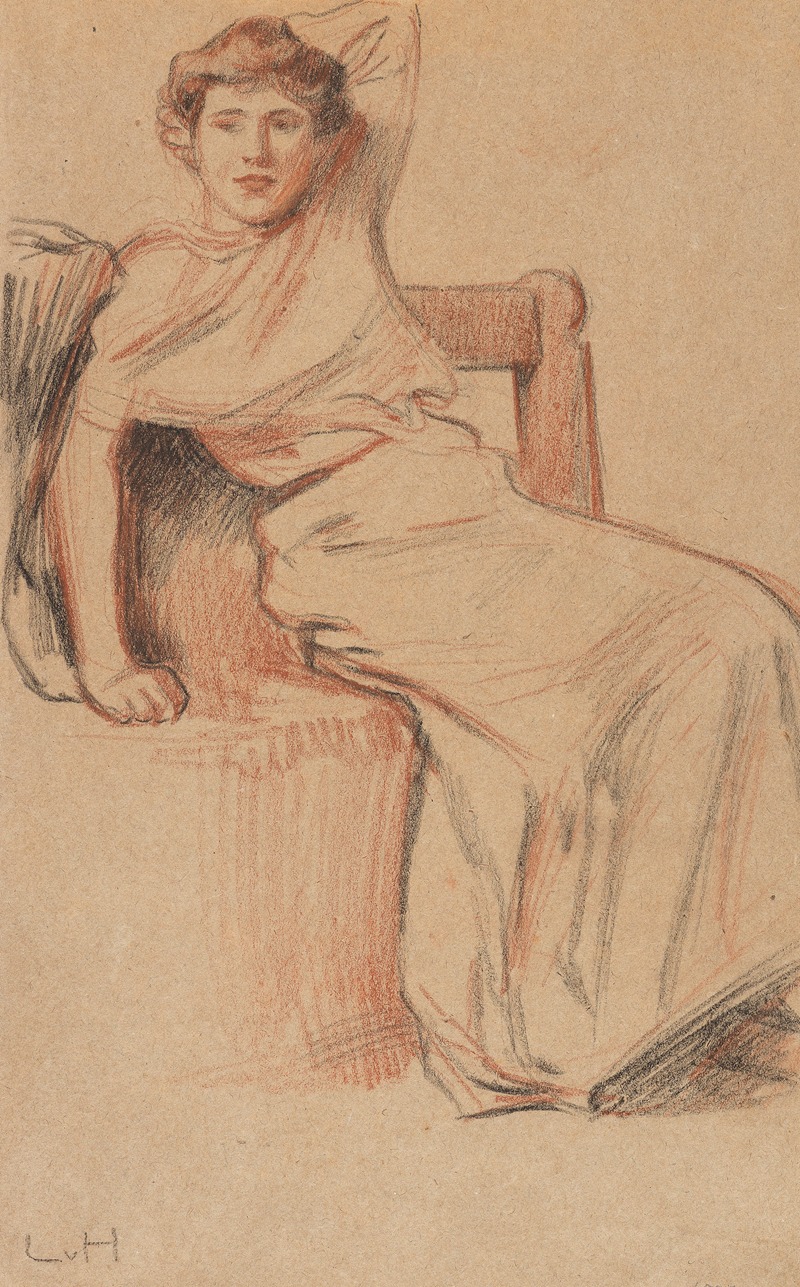
Bildnis einer sitzenden Dame
Ludwig von Hofmann
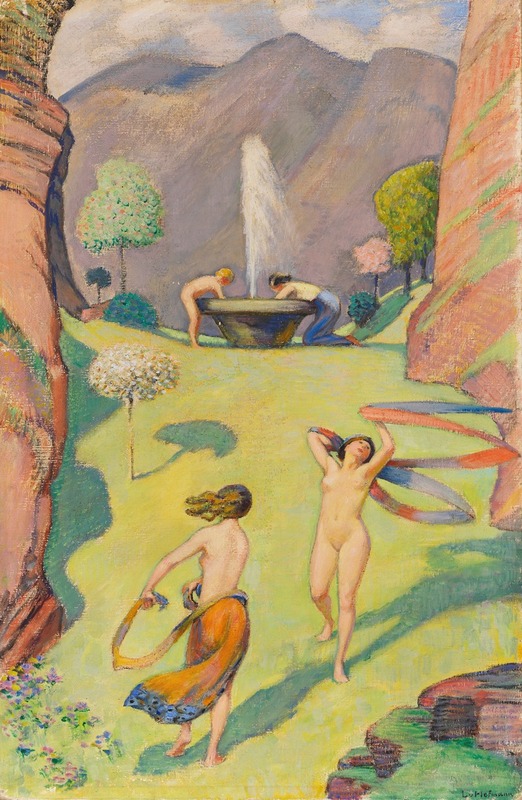
Frühlingstanz
Ludwig von Hofmann
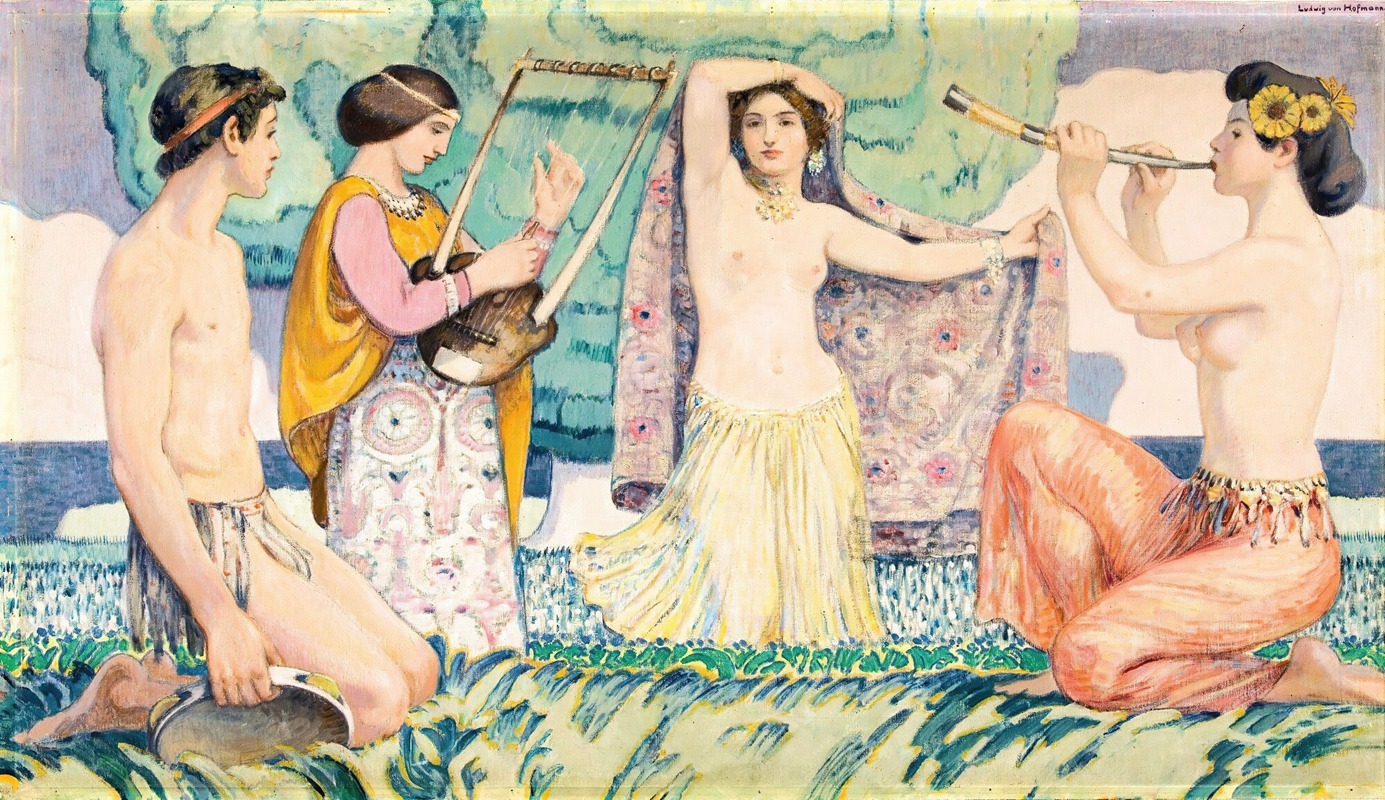
Arcadian idyll
Ludwig von Hofmann
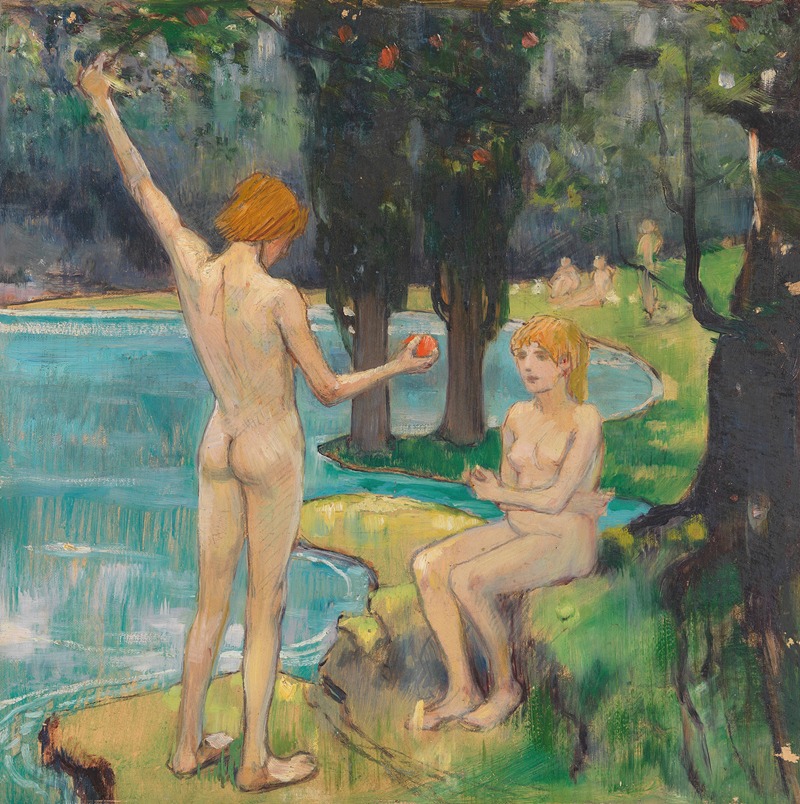
Adam und Eva (Paradies)
Ludwig von Hofmann
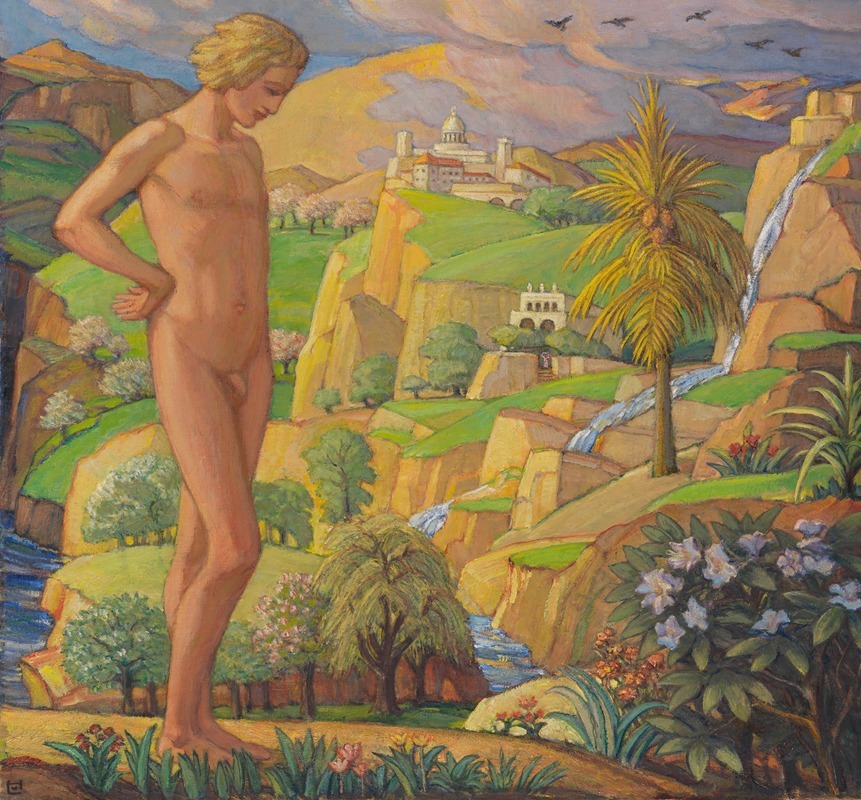
Die Zauberinsel
Ludwig von Hofmann
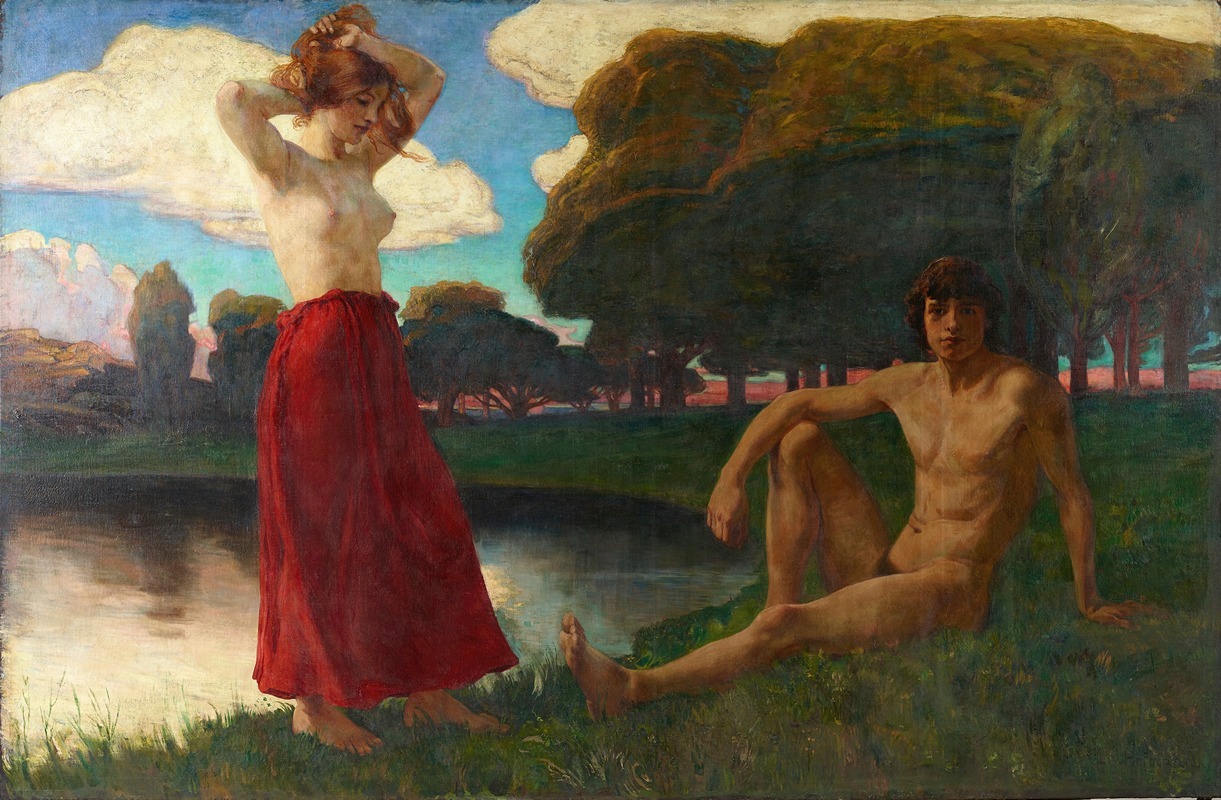
Idyll (Männlicher und weiblicher Halbakt in der Landschaft)
Ludwig von Hofmann
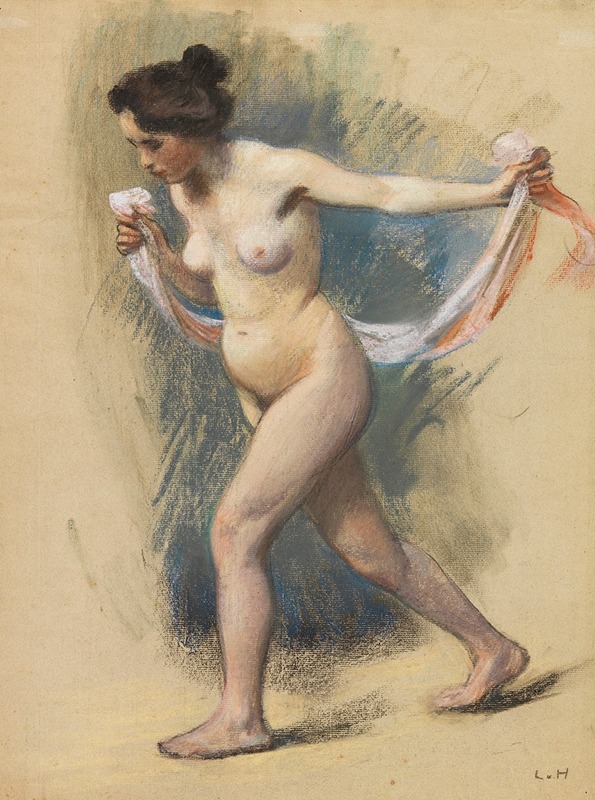
Tänzerin mit Schleier
Ludwig von Hofmann