
Adam zittend op boomstronk met appel in zijn hand — History & Facts
Did the painter know this moment would outlive them? A fleeting encounter between humanity and divinity, captured in the quiet pause of contemplation, resonates through time. As you gaze upon the central figure, focus on the young man seated on a tree stump, cradling an apple in his hand. The soft, earthy tones of the surrounding foliage frame him, while the delicate play of light highlights his contemplative expression. His gaze, directed slightly downward, invites you to ponder his thoughts, and the apple’s lustrous surface serves as a vivid focal point, symbolizing temptation and knowledge.
The meticulous detail in the figure’s clothing and the texture of the bark enhance the sense of realism, making the moment palpable. Hidden beneath this serene exterior are layers of meaning and tension. The apple, often a symbol of both sin and enlightenment, raises questions about the nature of choice and consequence. The contrast between the natural setting and the figure’s tense posture suggests an inner struggle, as if he grapples with a weighty decision.
This duality evokes a broader commentary on human existence, our desires, and the divine influences that shadow our choices. Hans Sebald Beham created this work in 1519 during a period where the Renaissance was flourishing, infused with exploration of humanism and individualism. Working in Nuremberg, Beham was influenced by the emergence of printmaking as an art form, reflecting both the innovations of his time and the evolving understanding of man’s place in the universe. His artistry not only captures a solitary moment but also engages with the larger philosophical dialogues of his era.
More Artworks by Hans Sebald Beham
Browse all →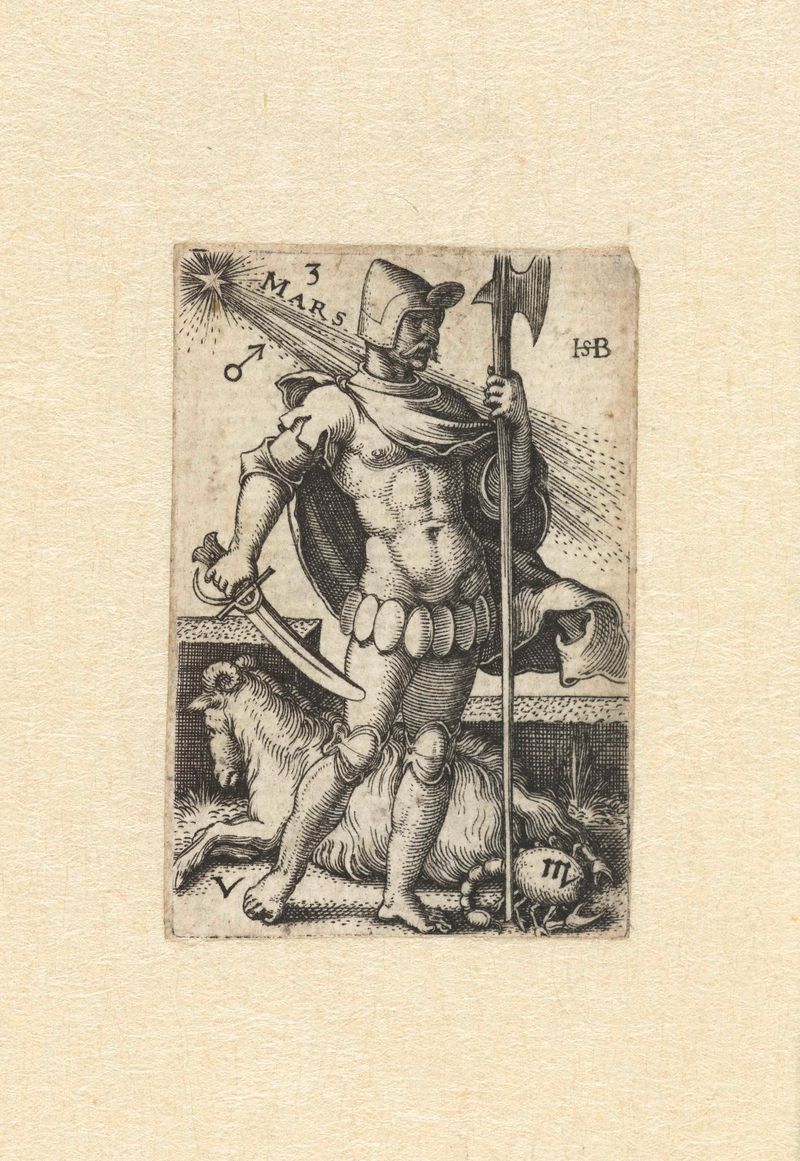
Mars met sterrenbeelden Ram en Schorpioen
Hans Sebald Beham

Achilles in gevecht met Hector
Hans Sebald Beham
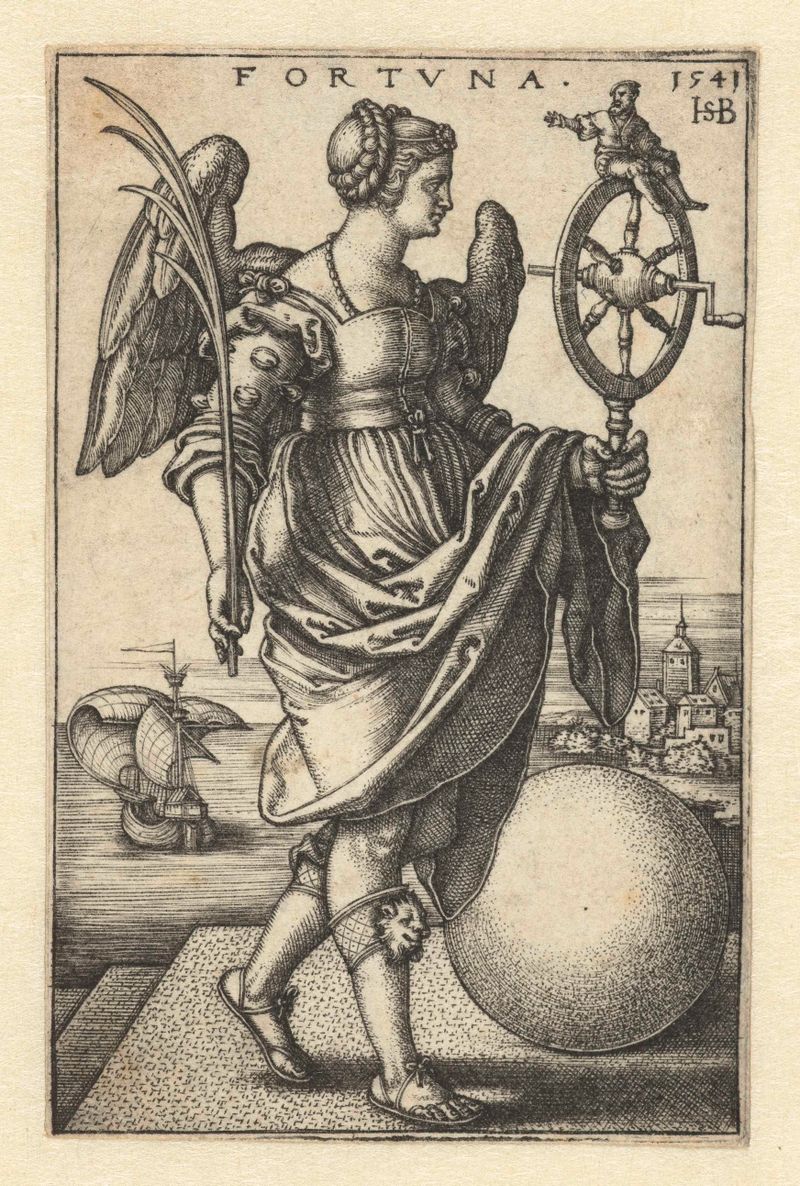
Fortuna
Hans Sebald Beham

Hercules worstelt met Antaeus
Hans Sebald Beham

Twee muzikanten met schalmey en doedelzak
Hans Sebald Beham

Voorzichtigheid (Prudentia)
Hans Sebald Beham

Hercules in gevecht met de Trojanen
Hans Sebald Beham
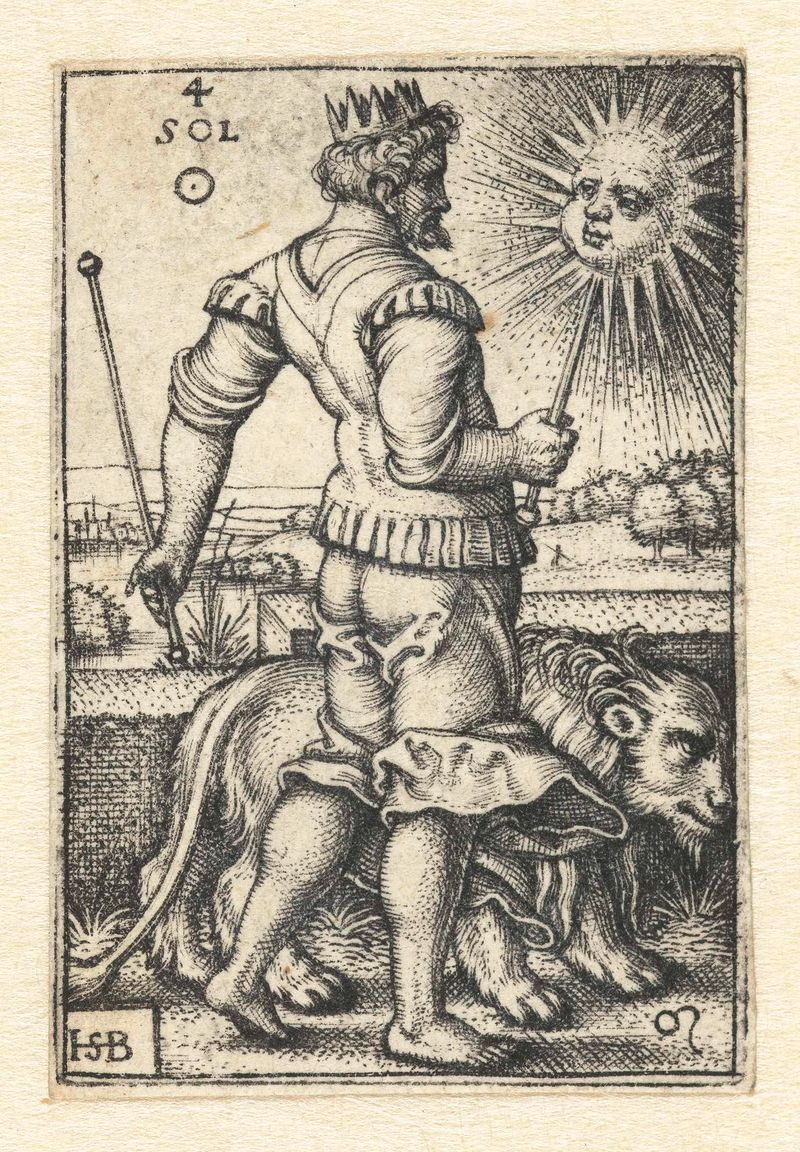
Apollo (Sol) met sterrenbeeld Leeuw
Hans Sebald Beham
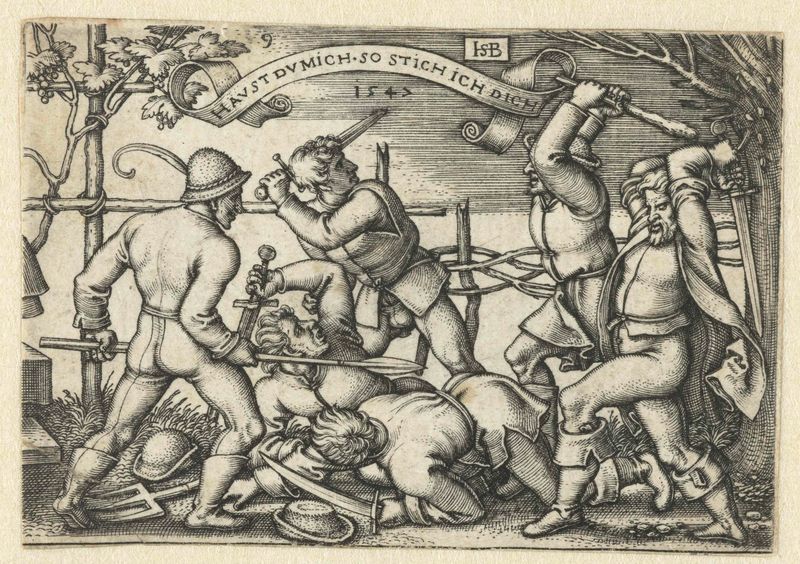
Vechtende boeren met zwaarden
Hans Sebald Beham
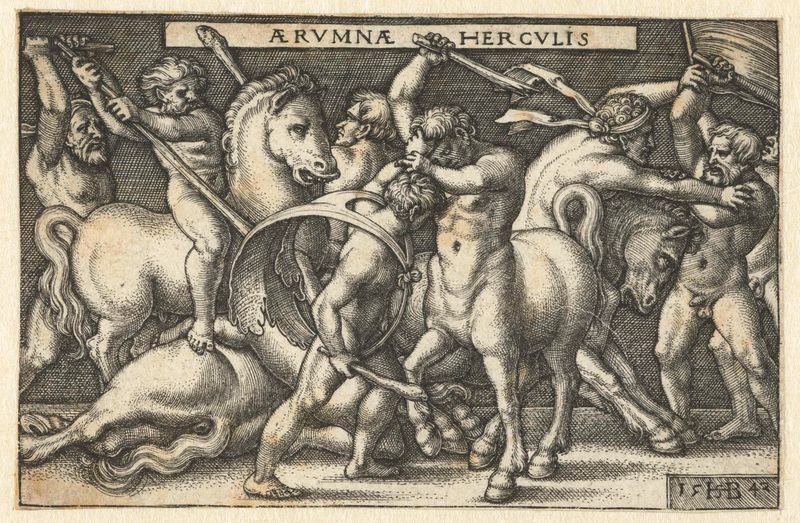
Hercules in gevecht met centaurs
Hans Sebald Beham





