
after John Sell Cotman, Bridge at Knaresborough — History & Facts
This reflection encapsulates the essence of transformation, where the mundane cloaks deeper emotions and stories yet untold. Look to the foreground, where the bridge gracefully arches over the still waters, its reflection delicately mirrored below. Notice the way the light dances on the surface, casting a golden hue that infuses the scene with an air of tranquility. The artist employs soft pastel colors that evoke a sense of nostalgia, while the intricate details of the bridge draw the eye, inviting contemplation of its historical significance. As you absorb the scene, consider the contrasts held within it.
The serene landscape belies an undercurrent of struggle—perhaps a reminder of nature's unyielding power juxtaposed against human endeavors. The bridge, both a passage and a barrier, symbolizes the journey between joy and sorrow, bridging the gap between past and present. Every brushstroke whispers stories of transformation, suggesting that even the most peaceful moments come with their own tinge of conflict. Rev.
James Bulwer painted this work between 1802 and 1804, during a time of personal exploration and artistic development. In the early 19th century, England was experiencing a shift towards Romanticism, emphasizing emotion and nature, which profoundly influenced his approach. This period marked both personal challenges and growth for Bulwer, as he sought to capture the profound beauty and complexity of the world around him, resulting in this evocative interpretation of Cotman’s original vision.
More Artworks by Rev. James Bulwer
Browse all →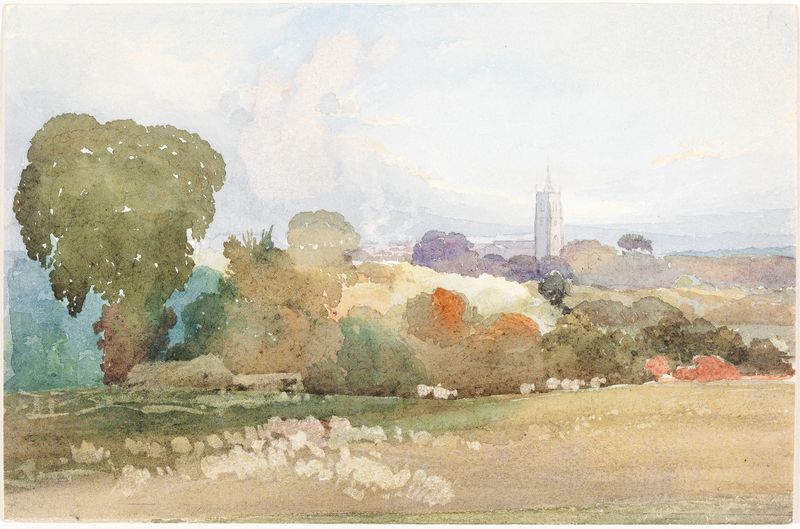
Landscape with Church Steeple
Rev. James Bulwer
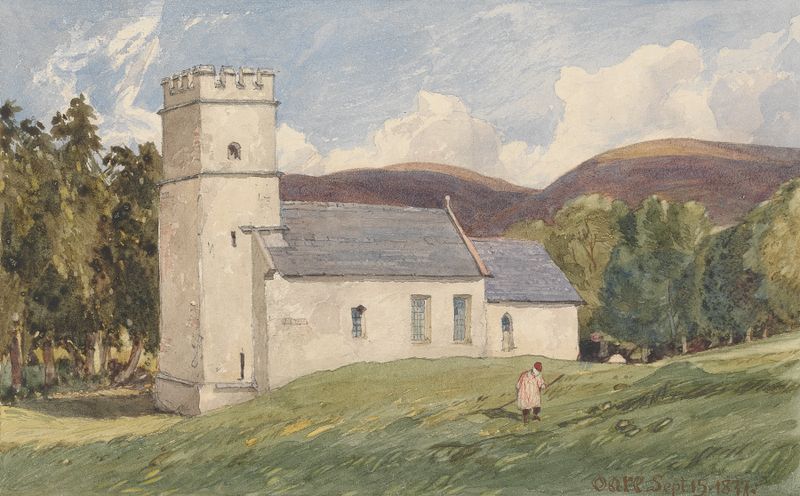
Oare Church
Rev. James Bulwer
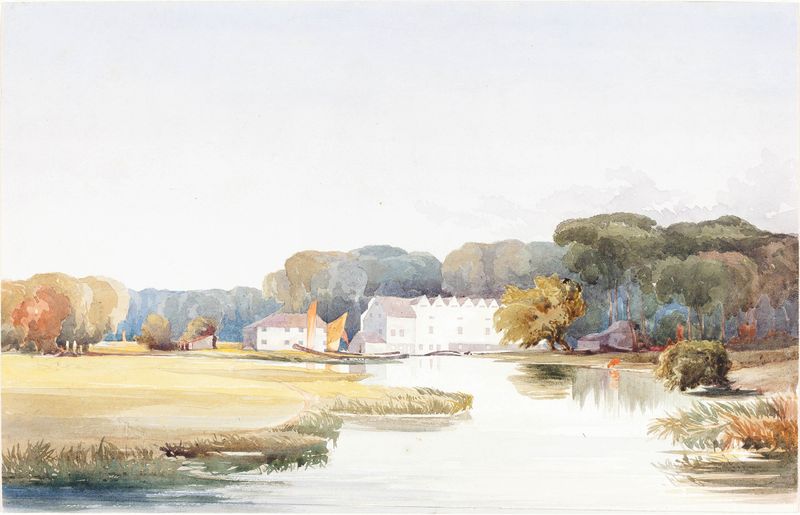
Horstead Mill on the River Bure, Norfolk
Rev. James Bulwer
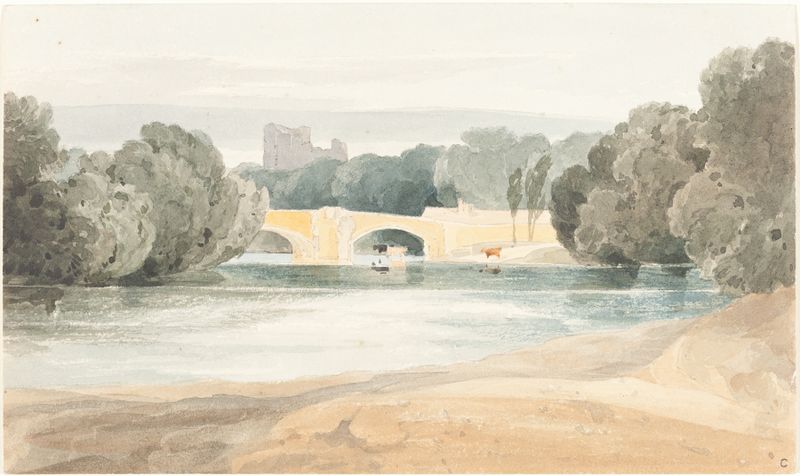
Bridge at Knaresborough
Rev. James Bulwer
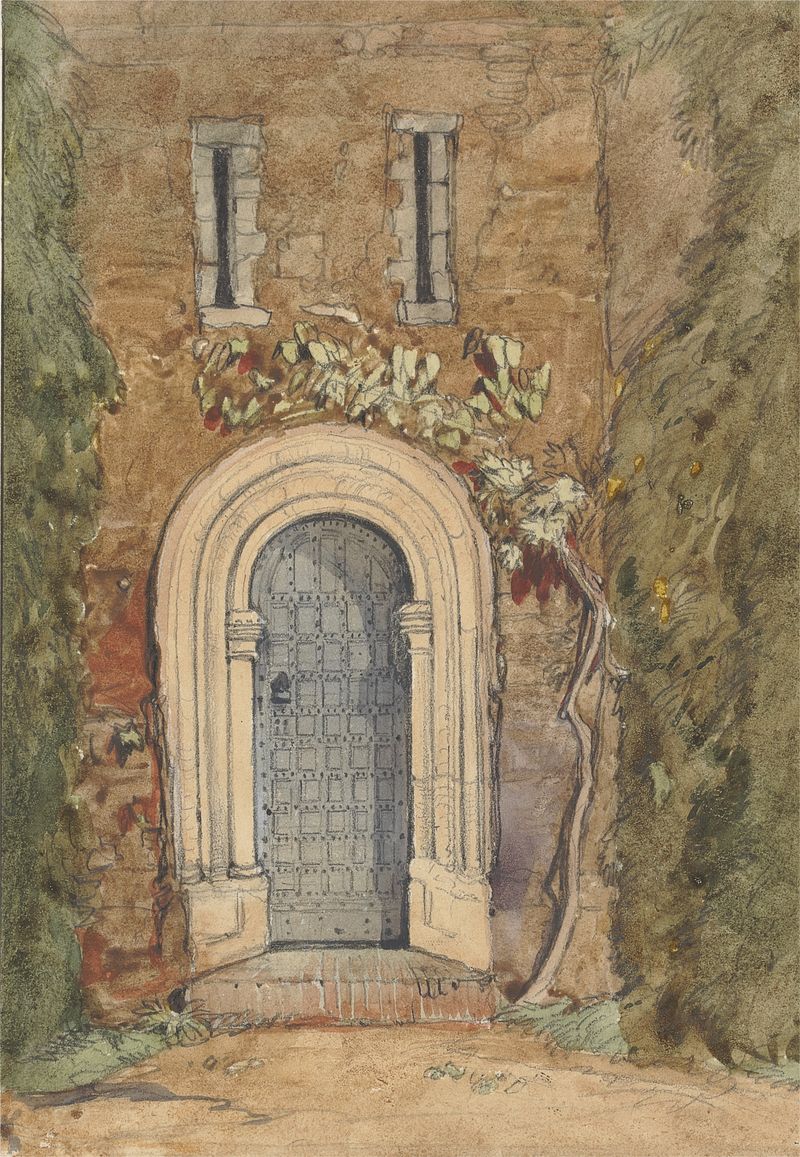
[One from] A Volume of Drawings and Prints
Rev. James Bulwer
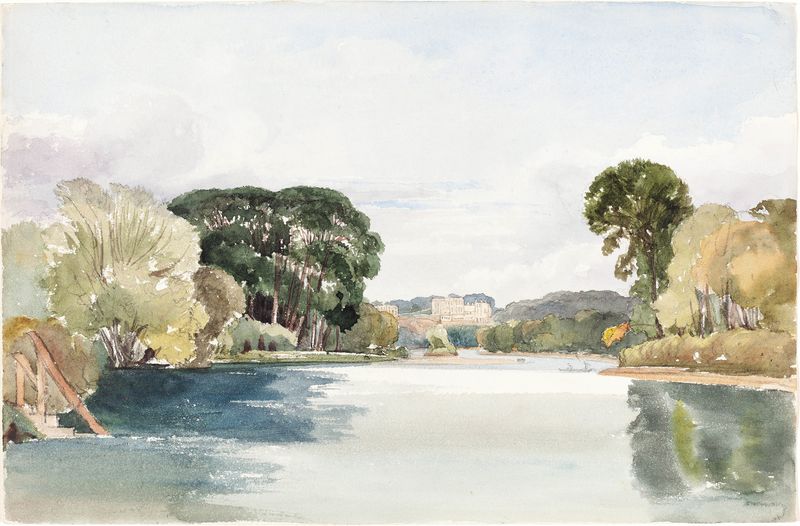
River Scene with Distant Castle
Rev. James Bulwer
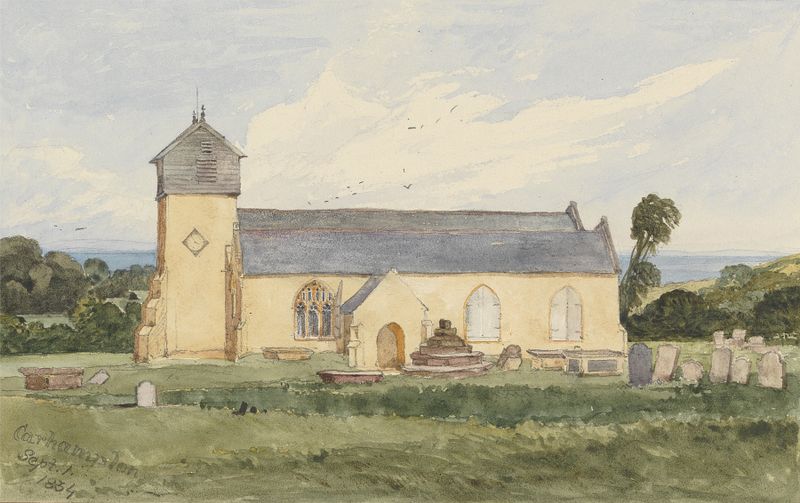
[One from] A Volume of Drawings and Prints
Rev. James Bulwer
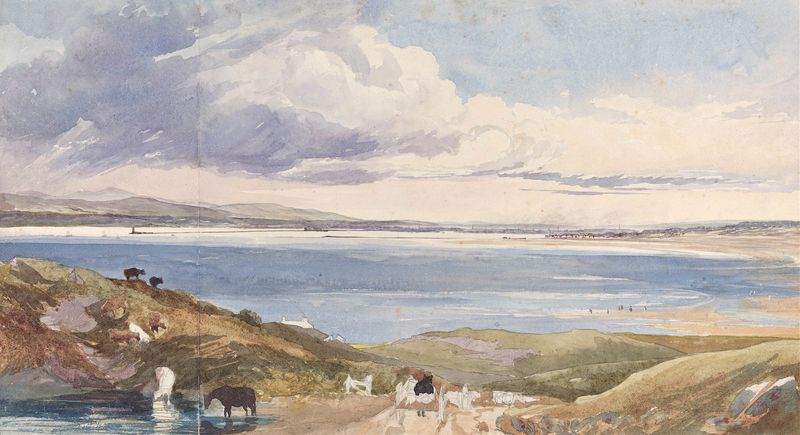
Landscape by the Shore with Road in Foreground
Rev. James Bulwer
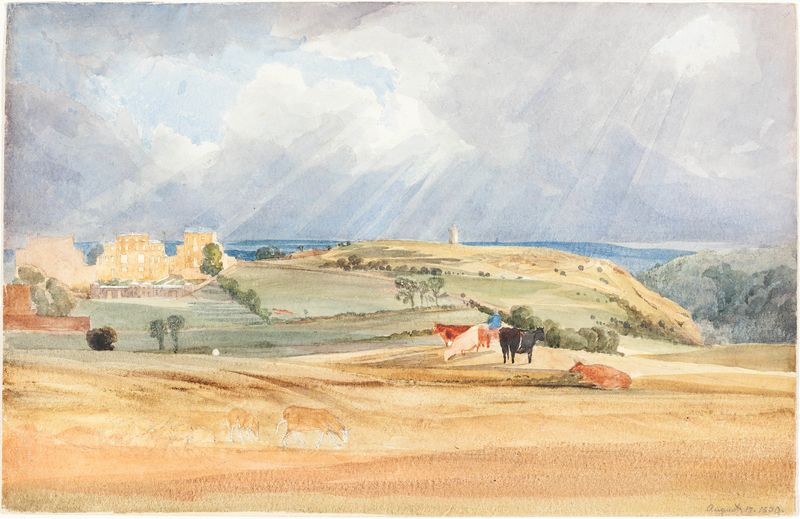
Landscape with Cattle
Rev. James Bulwer
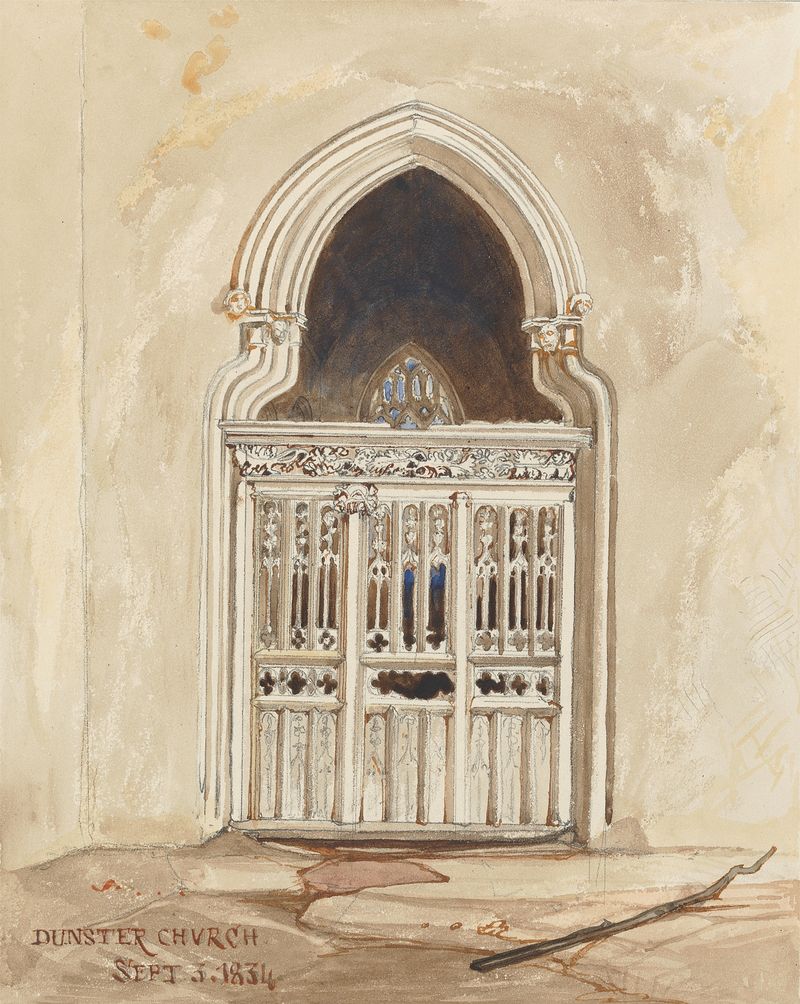
[One from] A Volume of Drawings and Prints
Rev. James Bulwer





