
Bridge at Knaresborough — History & Facts
In the tranquil embrace of a landscape, madness whispers through the foliage, hidden beneath layers of enchanting hues. This delicate balance between serenity and chaos invites contemplation, challenging us to see beyond the surface. Look to the center of the canvas, where the bridge arches gracefully over a gentle stream, connecting distant lands. Notice the intricate details of the bridge’s stonework, each chiseled edge revealing a history of toil and triumph.
Surrounding it, vibrant greens and soft blues create a lush backdrop, alternating between the calm of the water and the ominous shadow of encroaching trees. The light falls softly, illuminating the scene while hinting at an underlying turbulence, as if the very air vibrates with unspoken thoughts. As you explore further, observe the figure standing on the bridge’s edge, gazing into the depths below. This solitary presence injects a sense of unease; is it the lure of the water that captivates, or an inner turmoil at play? The juxtaposition of stillness and the unseen currents of life raises questions about the human experience—perhaps even a hint at madness lurking beneath the beauty of nature.
The soft brushstrokes combine clarity with ambiguity, inviting introspection. Rev. James Bulwer painted Bridge at Knaresborough between 1802 and 1804, during a period marked by early Romanticism's rise. Living in England, he was deeply influenced by the natural landscapes he encountered and engaged with the emerging philosophies surrounding art and emotion.
This painting serves as a reflection of those times, portraying not just a scene, but an exploration of the tumultuous human psyche amidst the sublime beauty of nature.
More Artworks by Rev. James Bulwer
Browse all →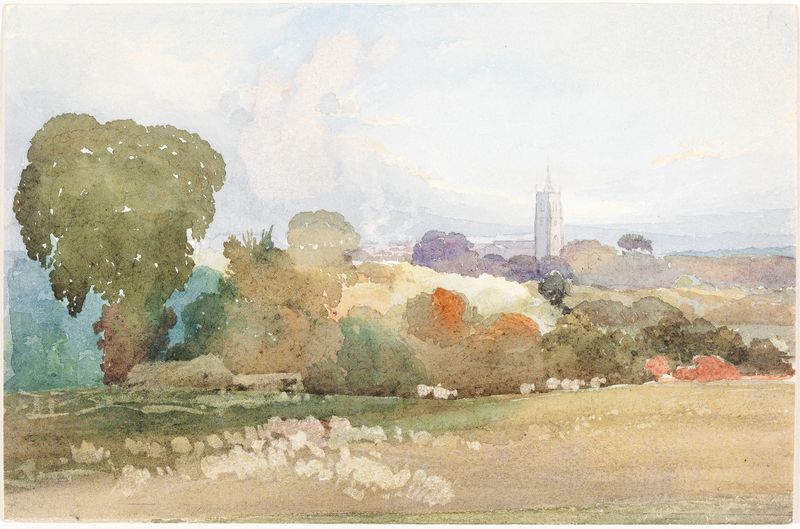
Landscape with Church Steeple
Rev. James Bulwer
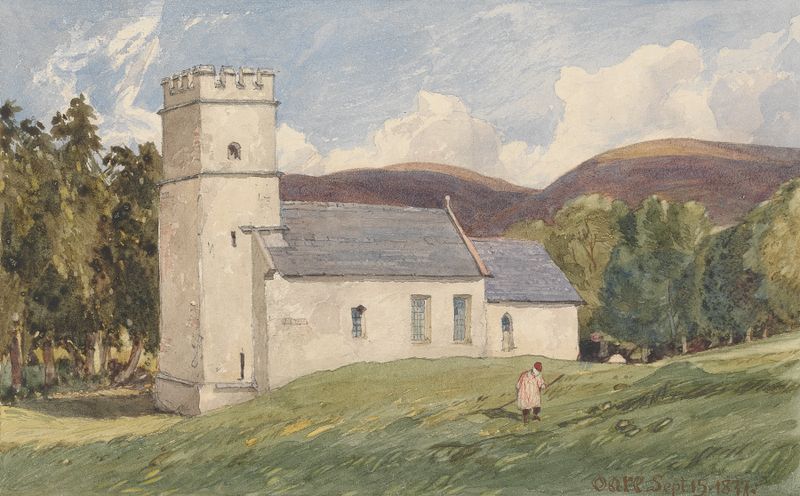
Oare Church
Rev. James Bulwer
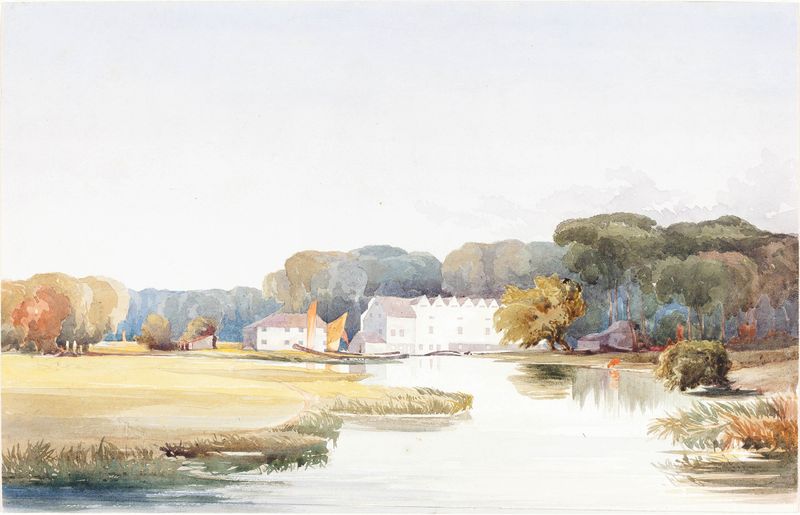
Horstead Mill on the River Bure, Norfolk
Rev. James Bulwer
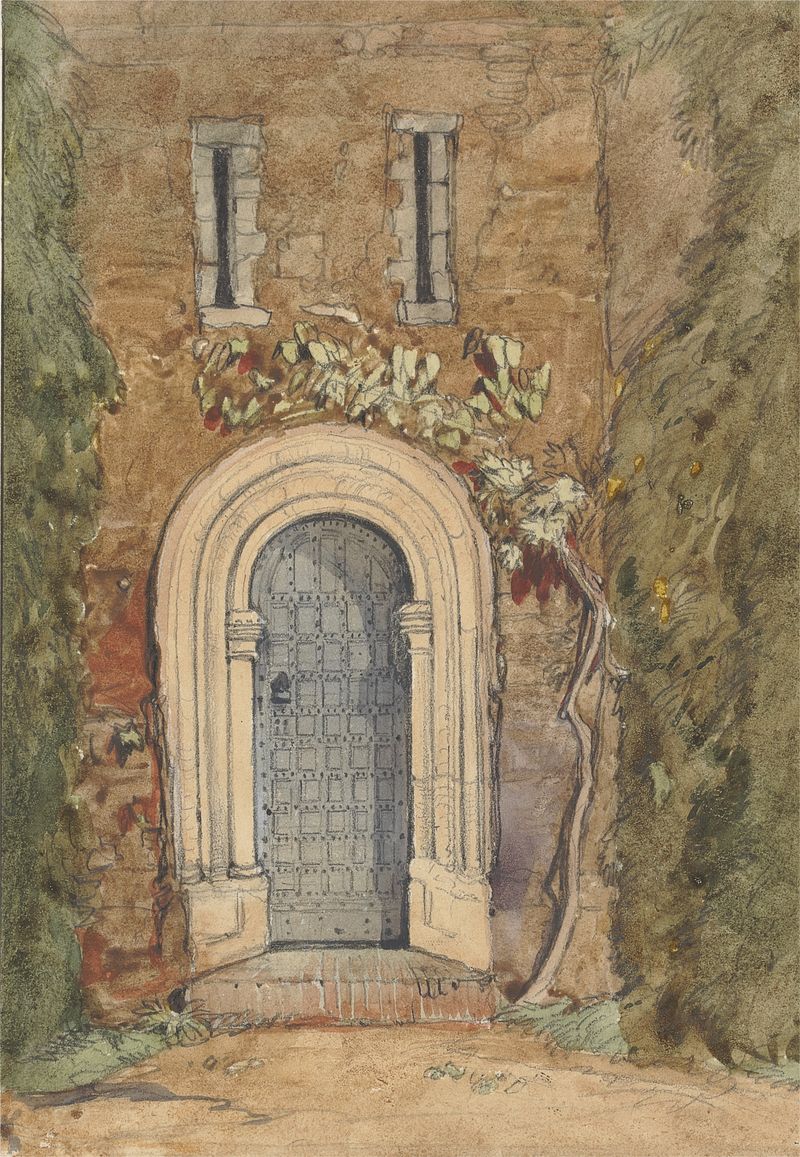
[One from] A Volume of Drawings and Prints
Rev. James Bulwer
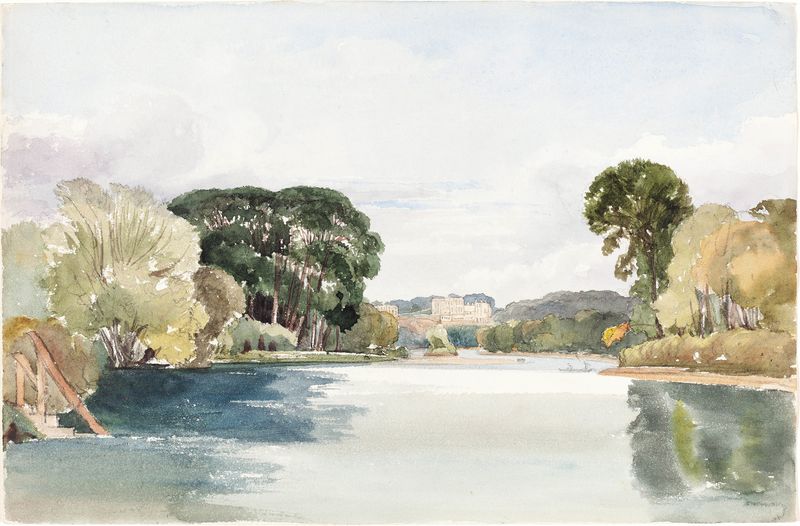
River Scene with Distant Castle
Rev. James Bulwer
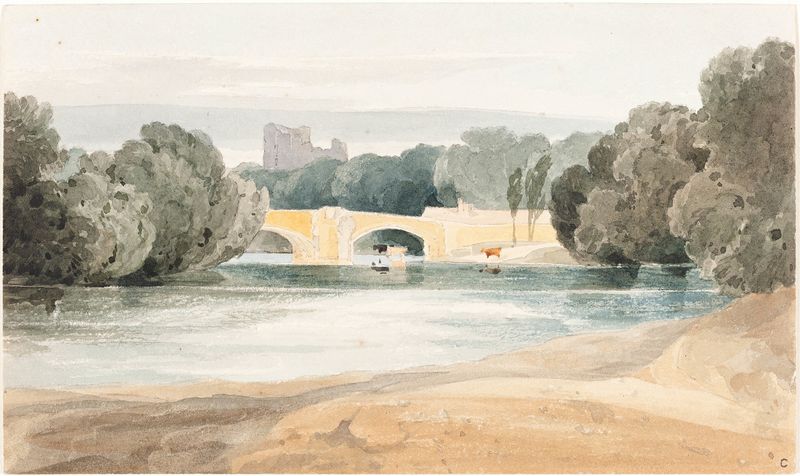
after John Sell Cotman, Bridge at Knaresborough
Rev. James Bulwer
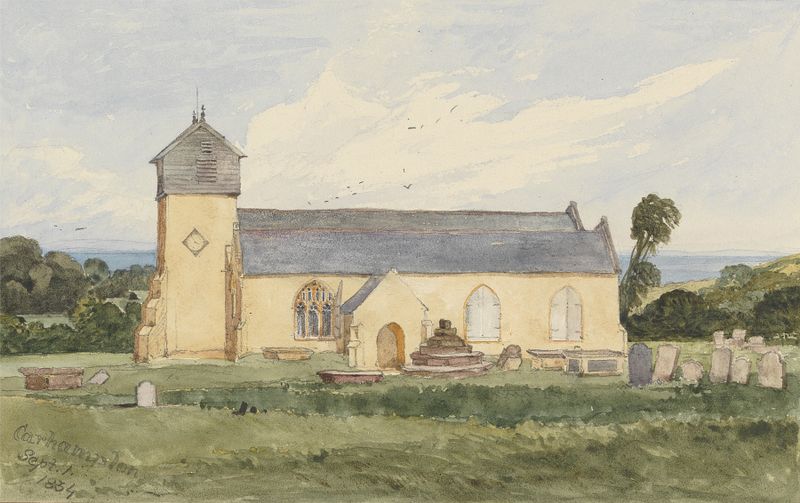
[One from] A Volume of Drawings and Prints
Rev. James Bulwer
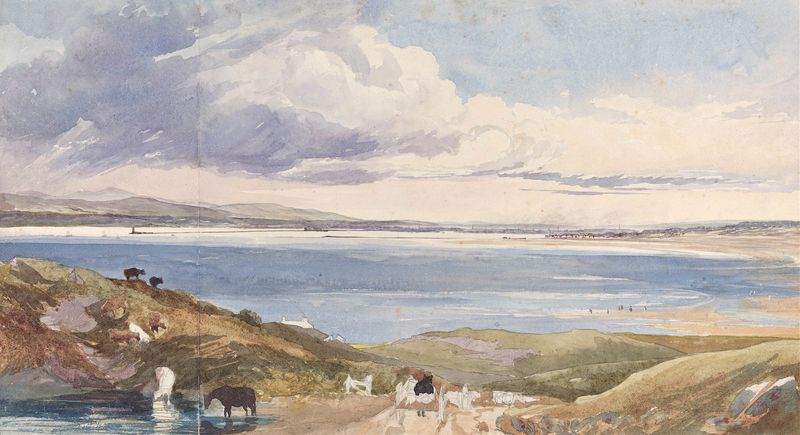
Landscape by the Shore with Road in Foreground
Rev. James Bulwer
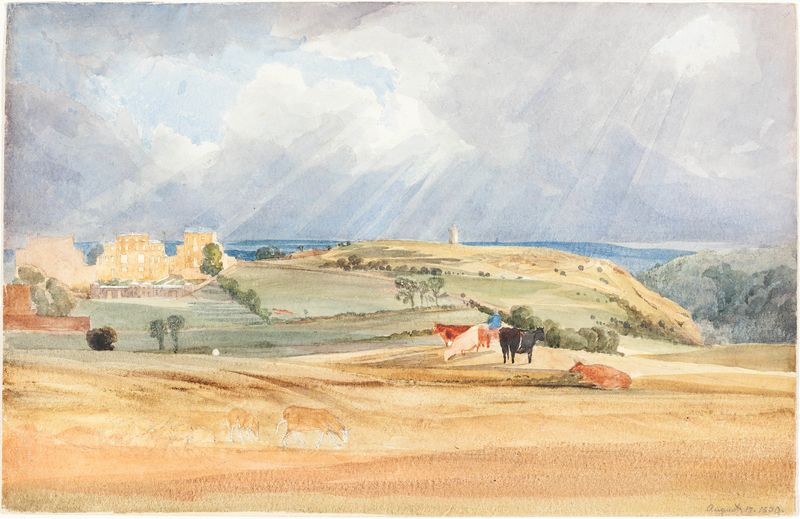
Landscape with Cattle
Rev. James Bulwer
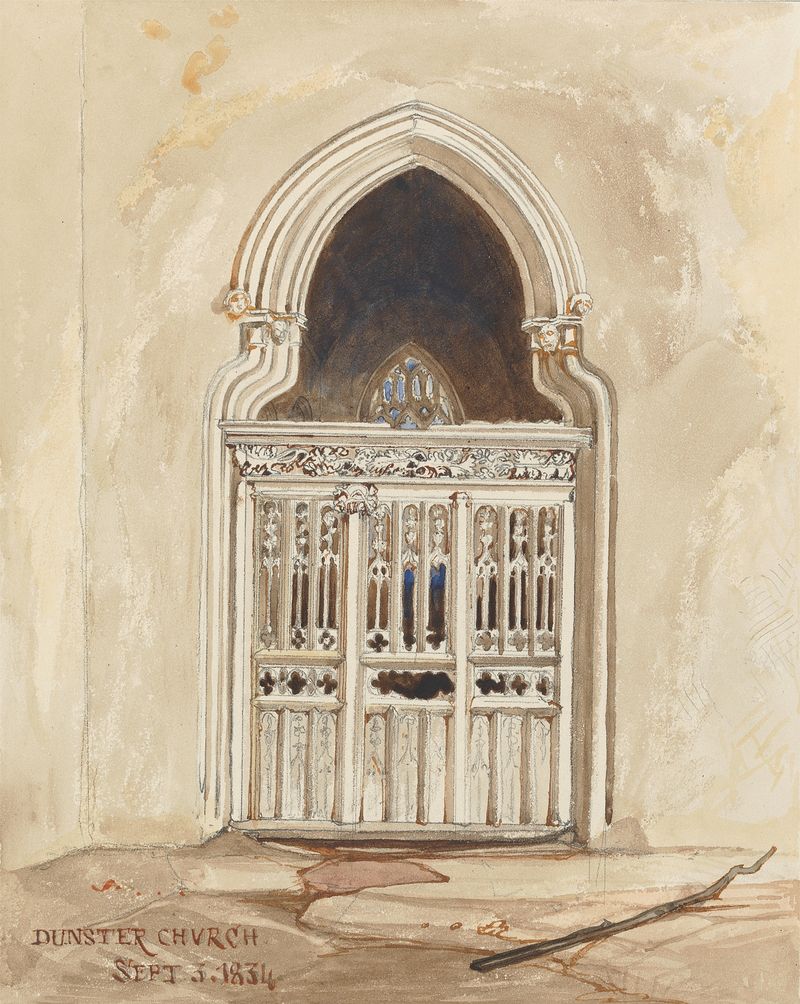
[One from] A Volume of Drawings and Prints
Rev. James Bulwer





