
After the battle — History & Facts
A single gesture commands the scene: a mounted officer in a blue coat, his arm thrust out, directs the gaze of both his retinue and the viewer across a field littered with the aftermath of battle. The eye is drawn by the sweep of his gesture, past the living—clustered, alert, and tense—to the chaos of the dead and dying that fill the foreground. The painter, Adam Frans van der Meulen, uses the contrast between the richly dressed commanders and the twisted bodies below to heighten the sense of aftermath, not victory.
The low horizon and expansive sky push the violence into a wide, almost indifferent landscape, while the golden light picks out details: a fallen horse, a desperate figure reaching upward, the glint of armor. This is the world of late seventeenth-century battle painting, where art served as both commemoration and propaganda. Painters like van der Meulen were prized for their ability to transform recent history into grand spectacle for royal patrons and ambitious generals. Between 1650 and 1700, as the source confirms, such works were often commissioned to celebrate military prowess or to instruct viewers in the cost of war.
Today, After the battle resides in the National Museum in Warsaw, a survivor of centuries in which many such canvases were lost or forgotten. The painting invites us to look again, not just at the victors, but at the price they paid.
More Artworks by Adam Frans van der Meulen
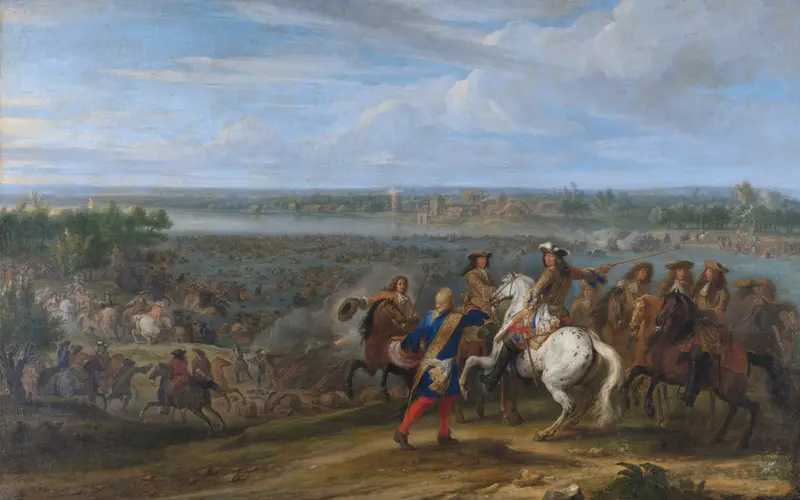
Louis XIV Crossing into the Netherlands at Lobith
Adam Frans van der Meulen
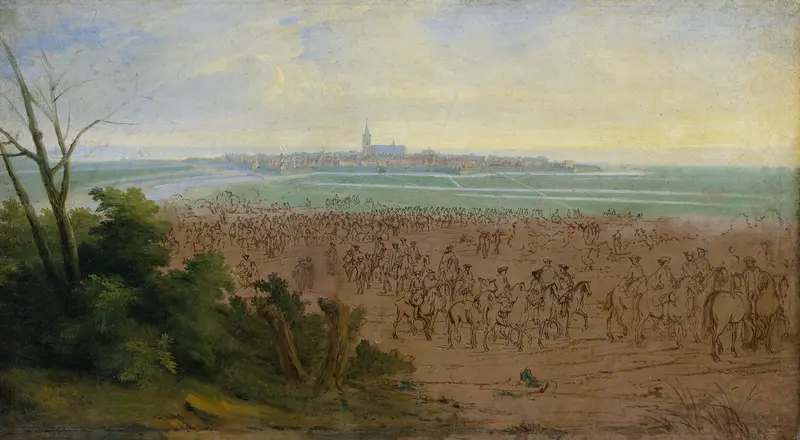
The Troops of Louis XIV before Naarden, 20 July 1672
Adam Frans van der Meulen
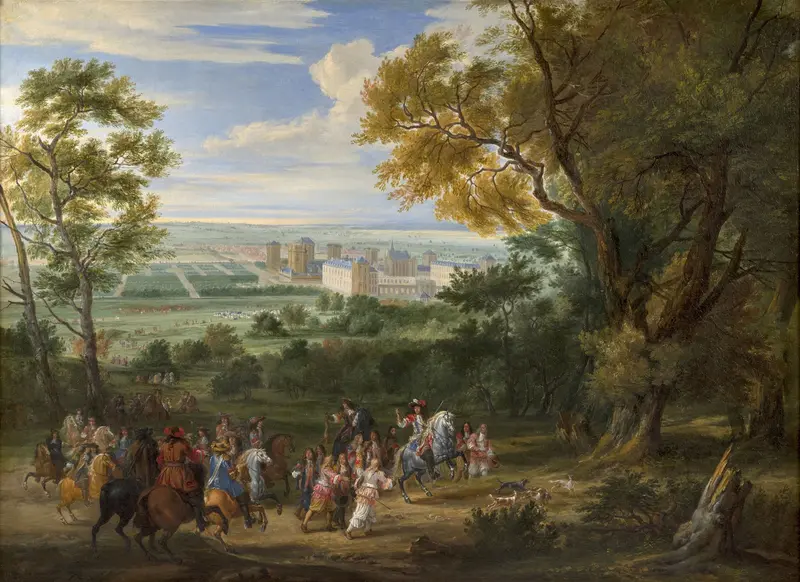
View of the château de Vincennes or The Departure of Louis XIV for the hunt
Adam Frans van der Meulen

A battle scene
Adam Frans van der Meulen
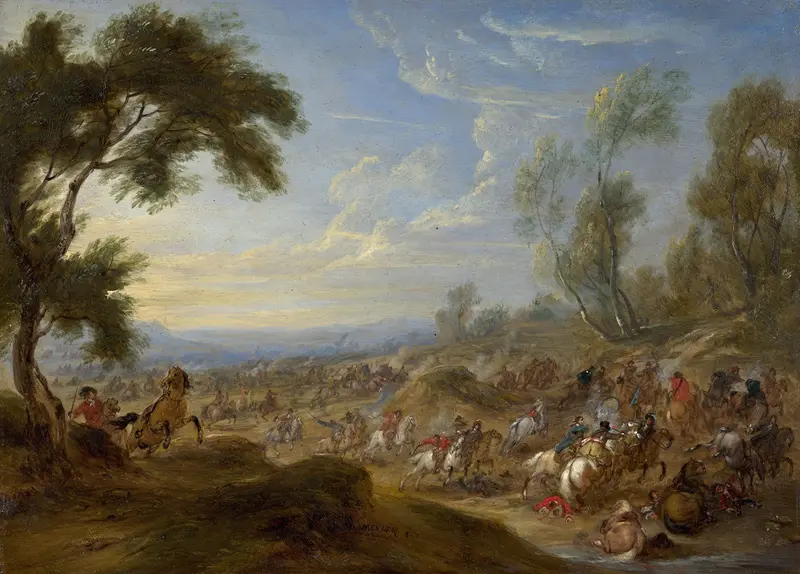
A cavalry charge
Adam Frans van der Meulen
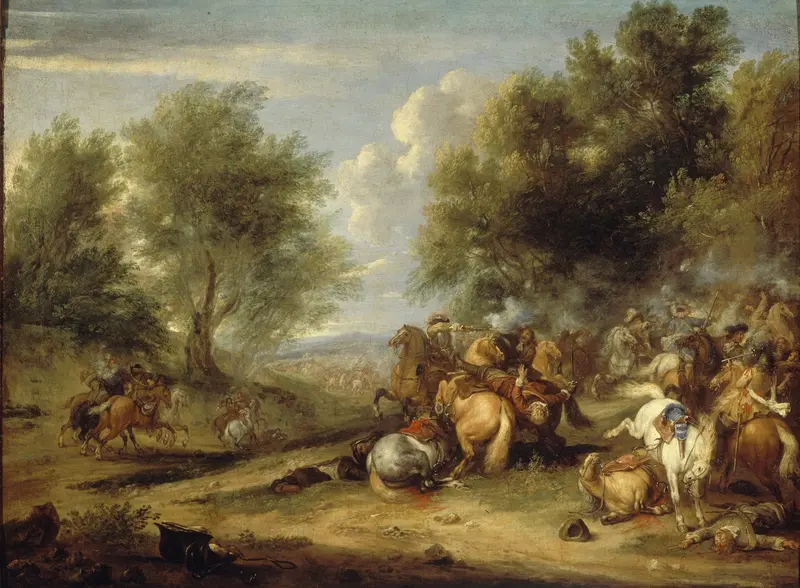
Choc de cavalerie ou Combat de cavalerie
Adam Frans van der Meulen
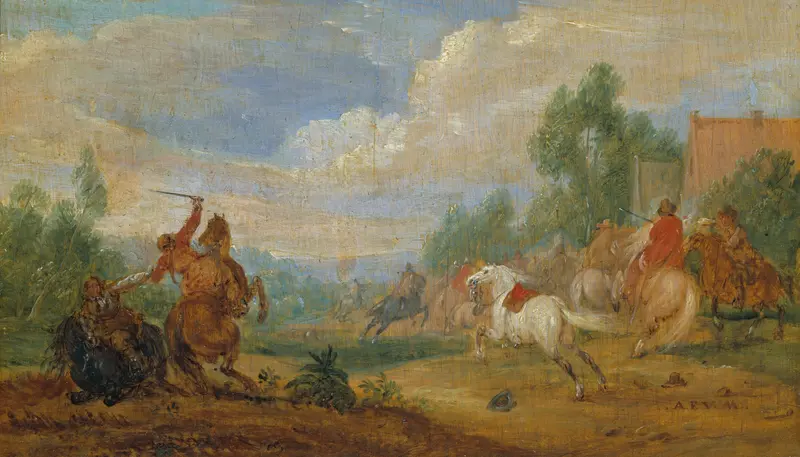
Cavalry Skirmish
Adam Frans van der Meulen
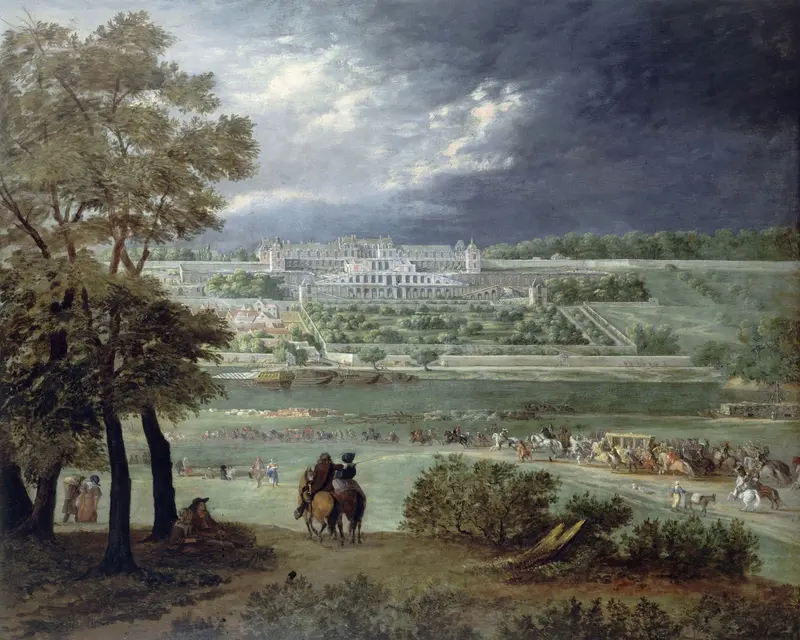
Le Château Neuf de Saint-Germain-en-Laye et les jardins, vus de la rive droite de la Seine
Adam Frans van der Meulen
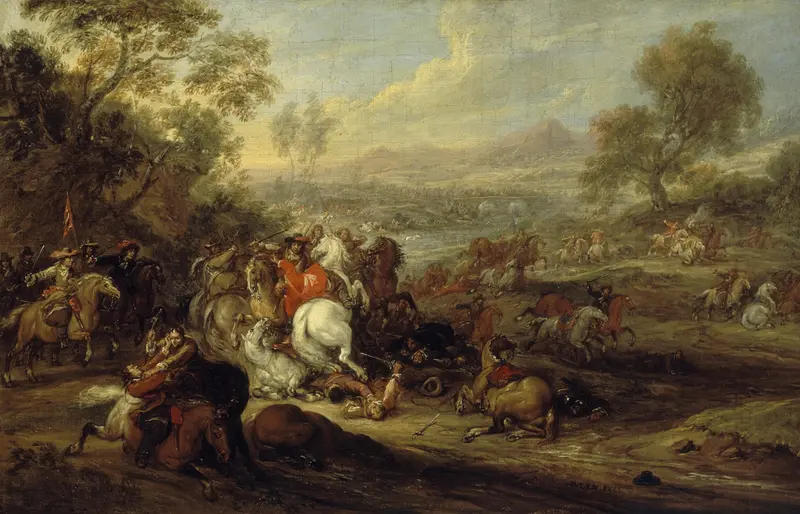
Choc de cavalerie ou Combat de cavalerie
Adam Frans van der Meulen
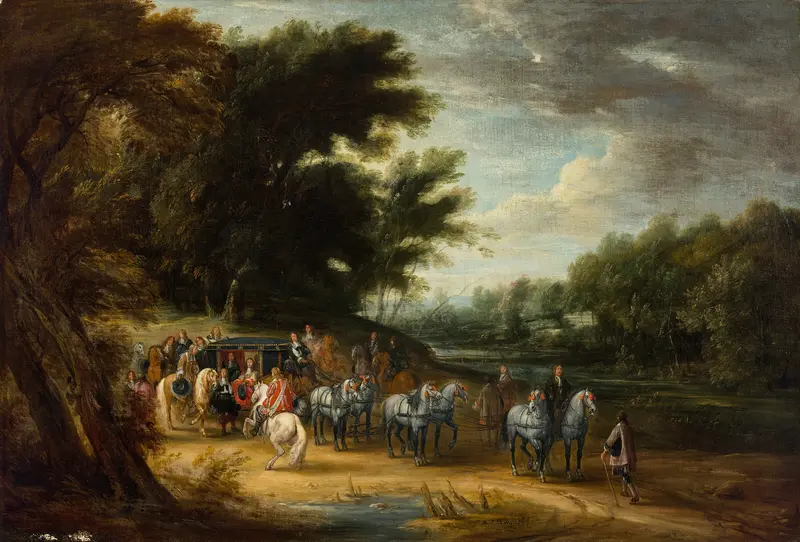
A nobleman in a state coach at rest escorted by his men and horses, with a gentleman on a white horse approaching and landscape beyond
Adam Frans van der Meulen





