After the Gringo Came — History & Facts
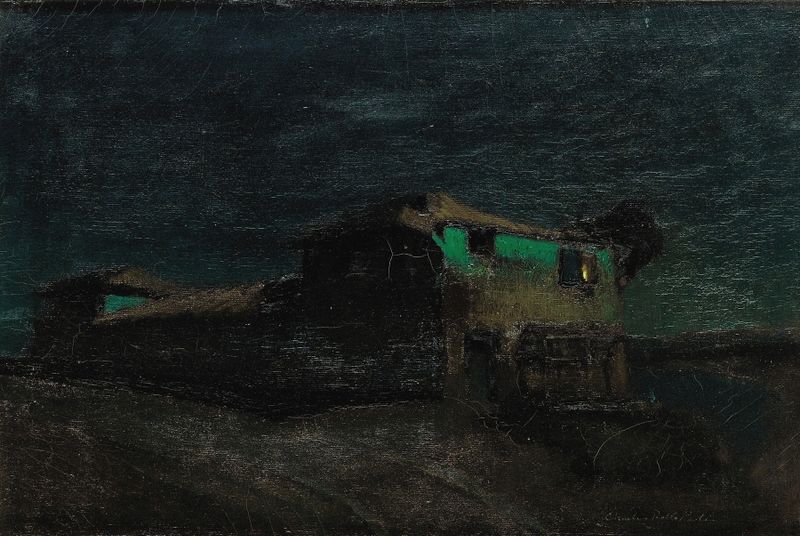
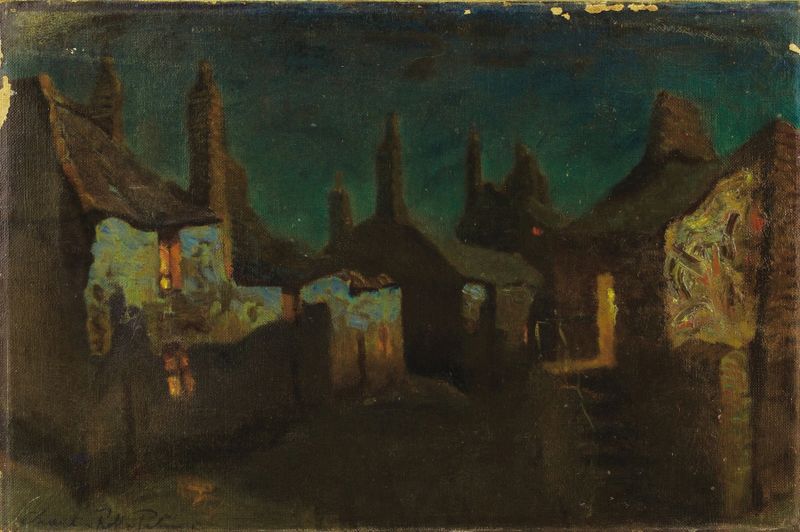
In the quiet corners of existence, faith radiates in the unseen connections we forge. This idea breathes life into the canvas, capturing a moment of transcendence amidst the shadows of life. Focus first on the somber faces of the figures in the foreground, their expressions steeped in a rich tapestry of emotion. Notice how the light spills softly from the left, illuminating their hands, which seem to reach out in unison—a collective gesture of yearning or supplication.
The earthy palette of browns and muted greens envelops the scene, evoking a profound sense of intimacy and grounding, while the contrast with the vibrant highlights draws the eye to the spiritual undertones of the composition. As you delve deeper, observe the tension between despair and hope that permeates the piece. The subtle interplay of light and shadow suggests a struggle against overwhelming odds, yet the unity of the figures hints at a shared belief in something greater. Small details, such as the frayed edges of their clothing and the sacred symbols that subtly adorn their surroundings, weave a narrative of resilience, capturing the fragile yet powerful essence of faith amidst adversity. Charles Rollo Peters painted After the Gringo Came between 1896 and 1903, during a time of significant change in America.
This period saw the rise of the American Southwest as a focal point of artistic exploration, with artists like Peters embracing the rich cultural narratives of Indigenous people. His work reflects both a personal and societal grappling with themes of identity and spirituality, as he sought to bridge the gap between cultures and honor the stories of those often overlooked in the annals of history.