Afternoon Tea — History & Facts
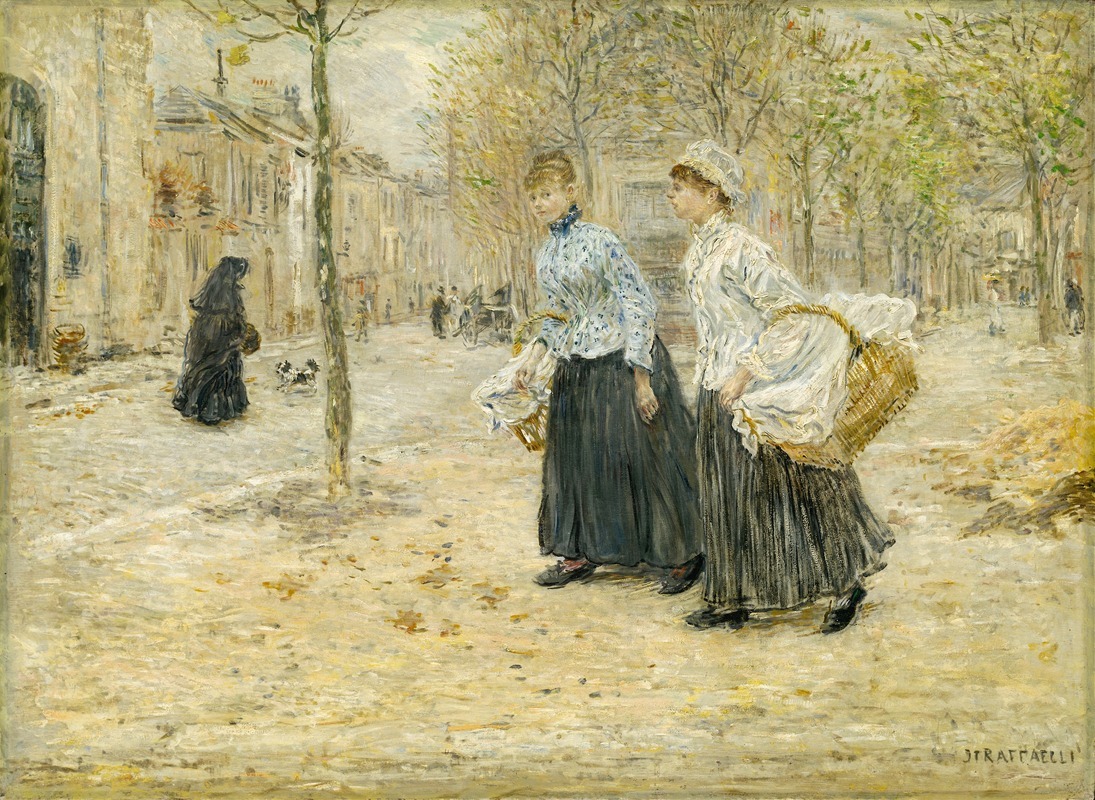
In the hushed moment of Afternoon Tea, the air vibrates with an unspoken tension that reveals devotion and obsession in equal measure. The scene around the table invites us to ponder the fragility beneath the surface of polite conversation. Look to the left at the delicate porcelain teacups, their intricate designs glowing softly in the golden afternoon light. Notice how it dances across the tablecloth, illuminating the elegant gestures of the figures gathered in this intimate space.
The color palette, rich and warm, embraces the viewer, while the careful composition draws our gaze to the subtle interactions among the guests, each face a study of contemplation and restraint. Within this simple gathering lies an exploration of emotional depth. The slight upward tilt of a woman's head and the downcast eyes of another create an unspoken dialogue filled with yearning. Their lingering gazes suggest an emotional obsession, hinting at relationships that stretch beyond mere social pleasantry.
The contrast between the serene atmosphere and the underlying tension reflects the complex nature of human connection. Jean-François Rafaëlli painted Afternoon Tea around 1880, during his time in Paris, where he was amid the rise of Impressionism and the shift towards modernist themes in art. He sought to capture the fleeting moments of daily life, portraying the subtleties of human interaction in a changing society. This period marked a transition for the artist, as he began to emphasize the depth of emotion and the nuances of social existence in his work.