
Aguara Dog of the Woods — History & Facts
In Aguara Dog of the Woods, Charles Hamilton Smith presents a wild dog, known as the Aguara, set against a lush, green forest backdrop. The colors are rich and vibrant, with deep greens and browns dominating the scene. The dog appears alert and poised, embodying the spirit of the wilderness.
Sunlight filters through the trees, adding a warm glow to the composition. The painting is executed in oil on canvas, showcasing Smith's skill in capturing the textures of the dog's fur and the foliage around it. The brushwork is detailed, allowing for a realistic portrayal of the Aguara's features. The dimensions are approximately 70 x 90 cm, making it a substantial piece that draws the viewer's attention.
The use of light and shadow enhances the three-dimensionality of the scene. Charles Hamilton Smith was known for his interest in natural history and wildlife, often depicting animals in their natural habitats. This particular work reflects his fascination with the Aguara, a wild dog native to South America. An interesting fact about this painting is that it was likely created during the early 1820s, a time when interest in natural sciences was growing in Europe.
Smith's work contributed to the understanding and appreciation of wildlife during this period.
More Artworks by Charles Hamilton Smith

Marengo, Bonaparte’s Arab
Charles Hamilton Smith
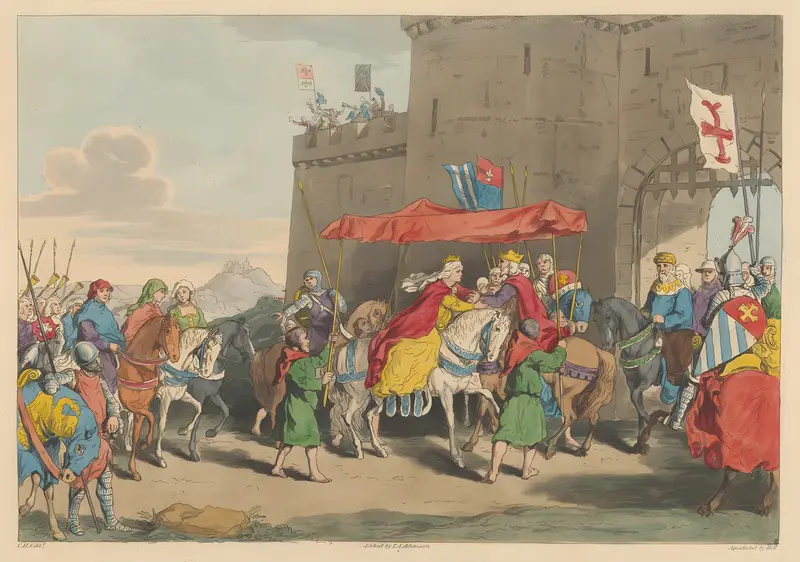
Costume of the Reign of King Henry III
Charles Hamilton Smith
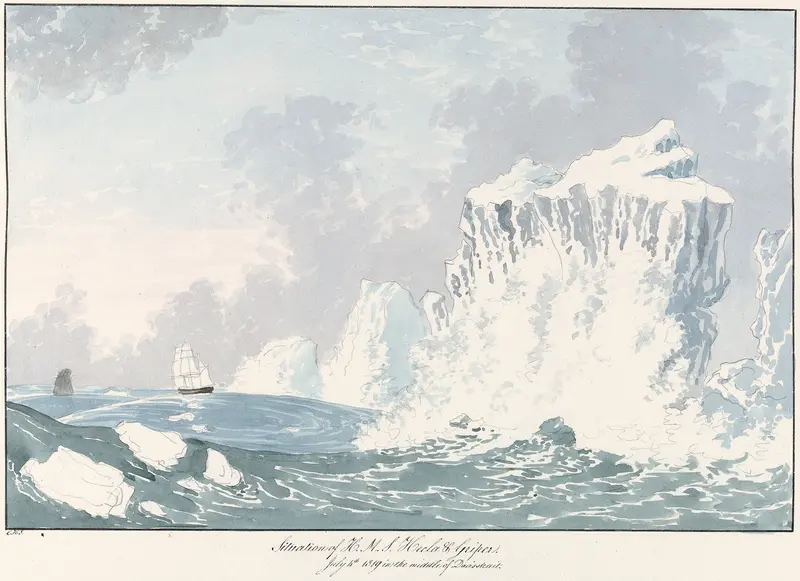
Situation of H.M.S. Hecla & Griper
Charles Hamilton Smith
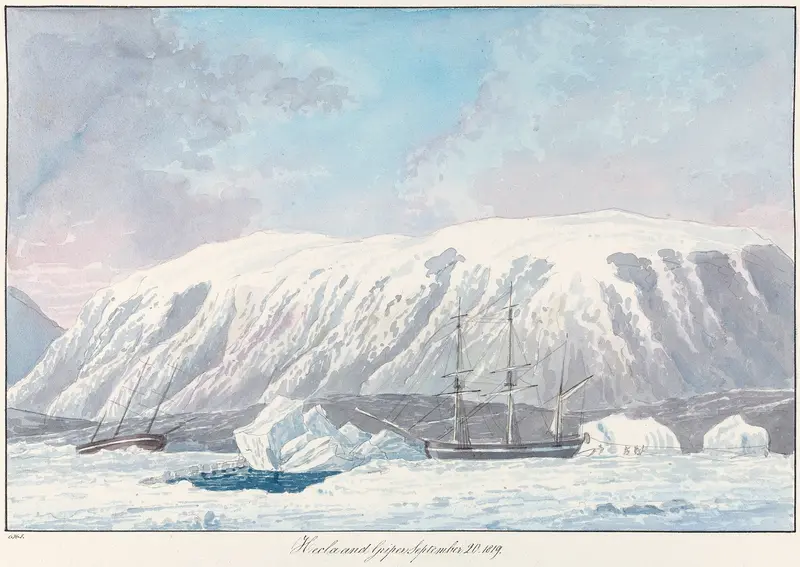
Hecla and Griper
Charles Hamilton Smith
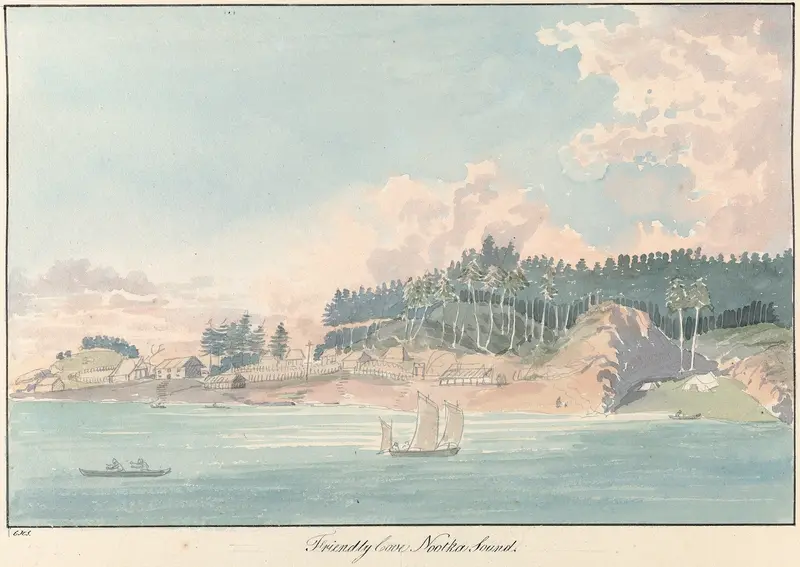
Friendly Cove, Nootka Sound
Charles Hamilton Smith
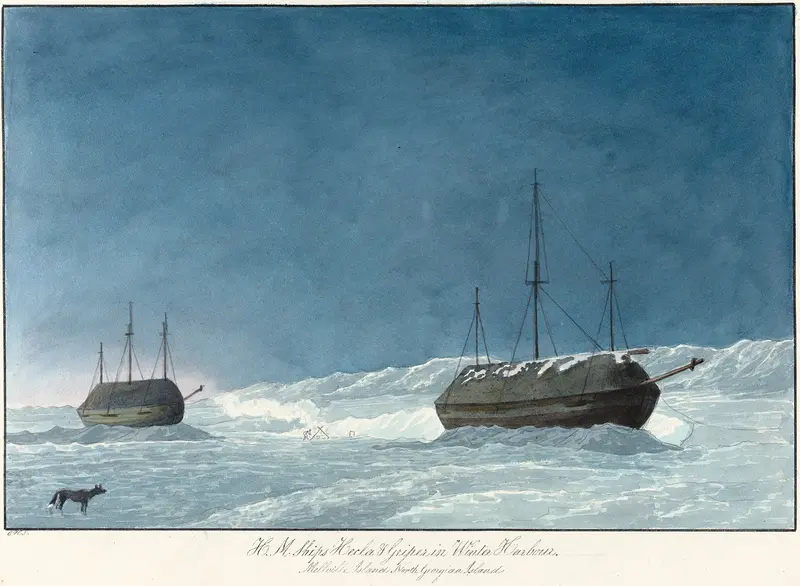
H. M. Ships Hecla and Griper in Winter Harbour
Charles Hamilton Smith
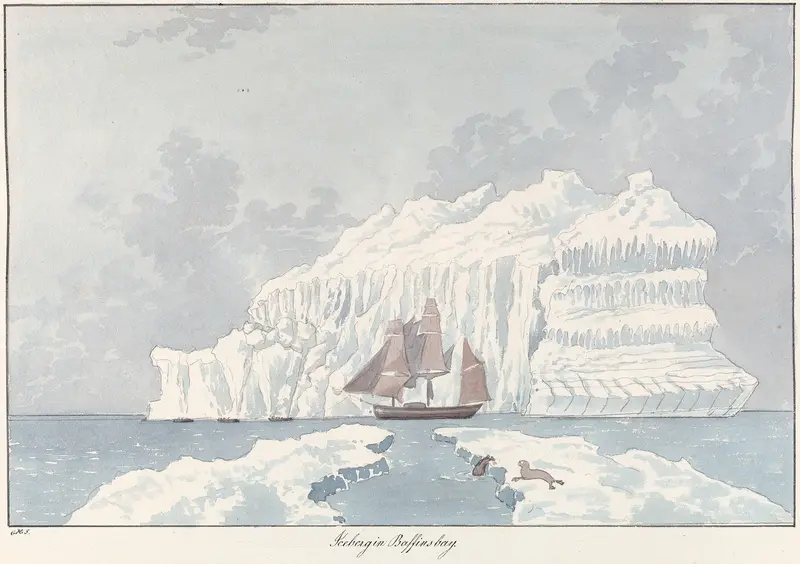
Iceberg in Baffin’s Bay
Charles Hamilton Smith
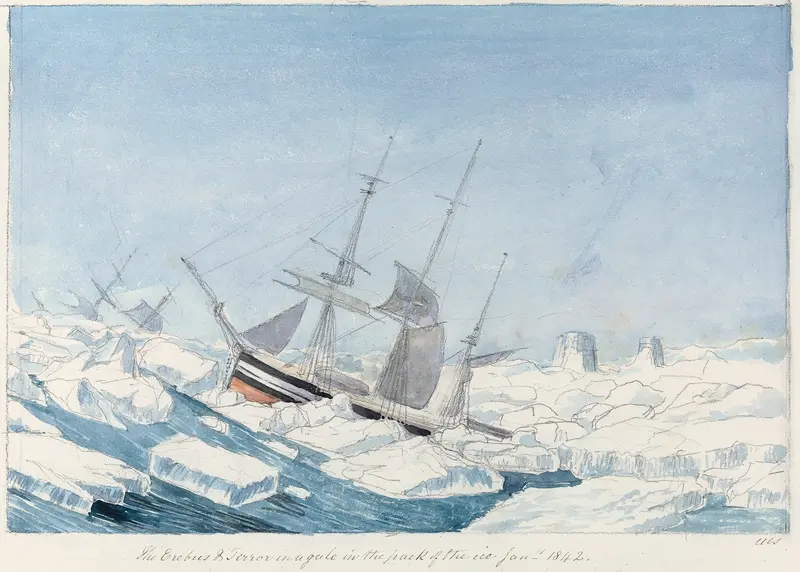
The Erebus & Terror in a Gale in the Pack of the Ice
Charles Hamilton Smith
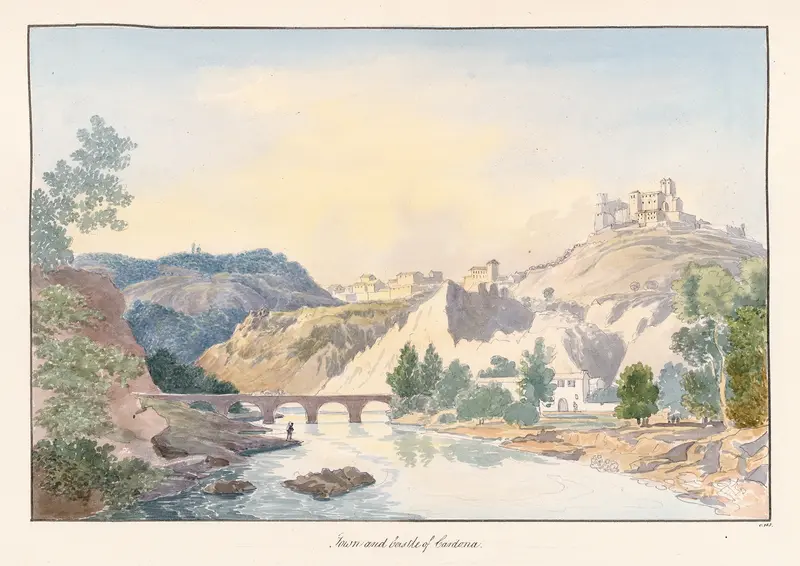
Town and Castle of Cardona
Charles Hamilton Smith
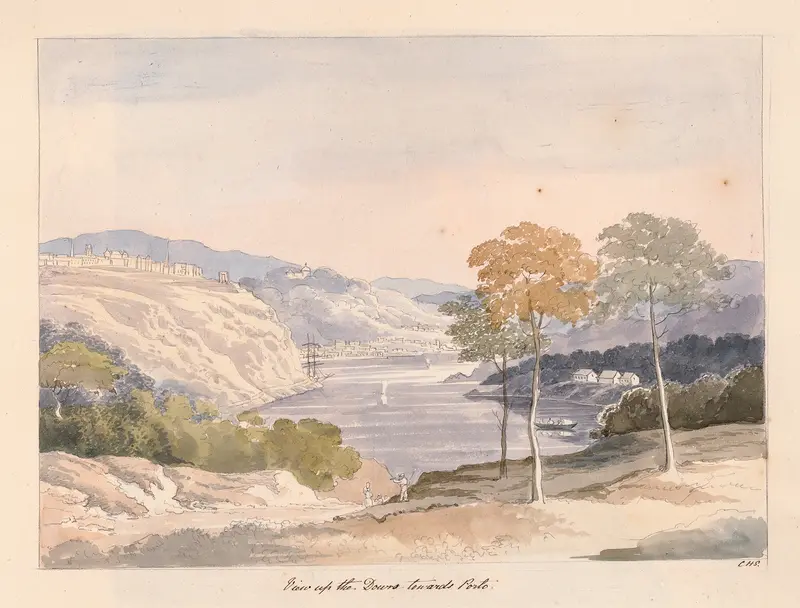
View of the Douro towards Porto
Charles Hamilton Smith





