
Albi — History & Facts
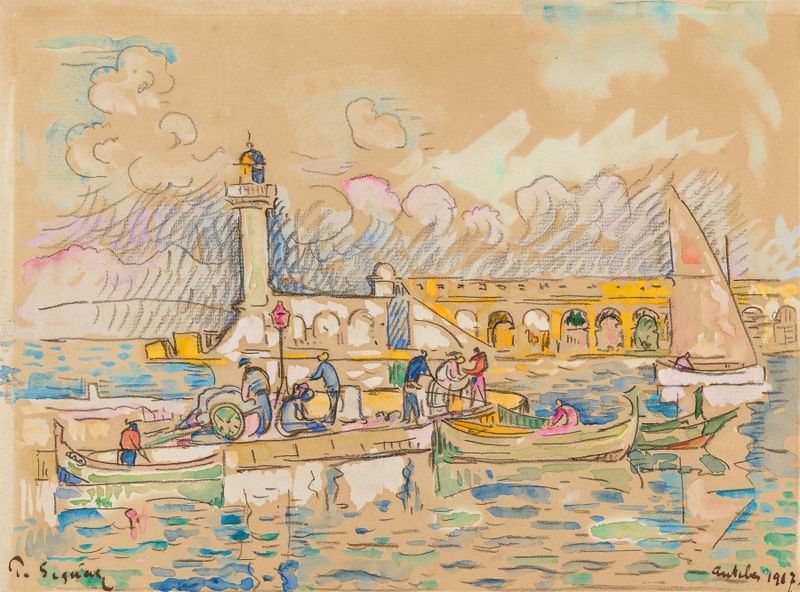
What if silence could speak through light? In the stillness of Albi, the vibrancy of color emerges as a language of awakening, a conversation between the viewer and the canvas. Look to the left at the softly flowing curves of the river, where dappled reflections flicker with the rhythm of the water. Notice how the light falls upon the ancient stone buildings, casting a warm glow that evokes a sense of nostalgia. The use of Pointillism draws your eye towards the intricate dots of color, creating a lush texture that dances across the surface.
This technique, combined with the juxtaposition of deep blues and fiery oranges, heightens the emotional resonance of the scene and invites contemplation. Delve deeper, and you may find a tension between the enduring architecture and the fluidity of nature. The way the buildings stand resolute against the ephemeral movement of water suggests a conversation between permanence and change. Each dot, each color, reveals fragments of life and memory, embodying the idea that the past can awaken in the present.
The quietude of the scene speaks to the potential for renewal, as if the landscape itself breathes with the pulse of history. During the late 19th century, Signac explored the themes of color and light while developing his distinct style in the picturesque town of Albi, France. Engaged in the Neo-Impressionist movement, he sought to capture the essence of a moment through vibrant hues and innovative techniques. As he painted, he was influenced by the broader Impressionist focus on nature and light, finding an artistic voice that would resonate for generations to come.
More Artworks by Paul Signac
Browse all →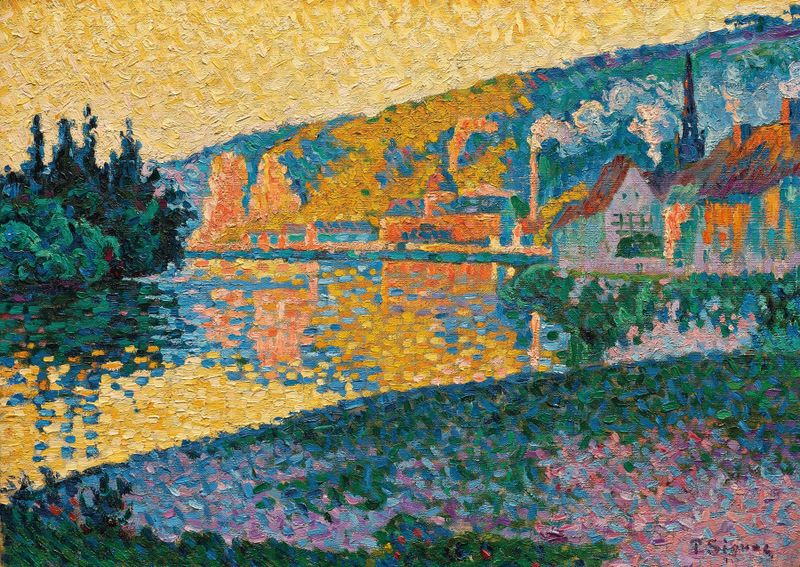
Les Andelys. Soleil couchant
Paul Signac
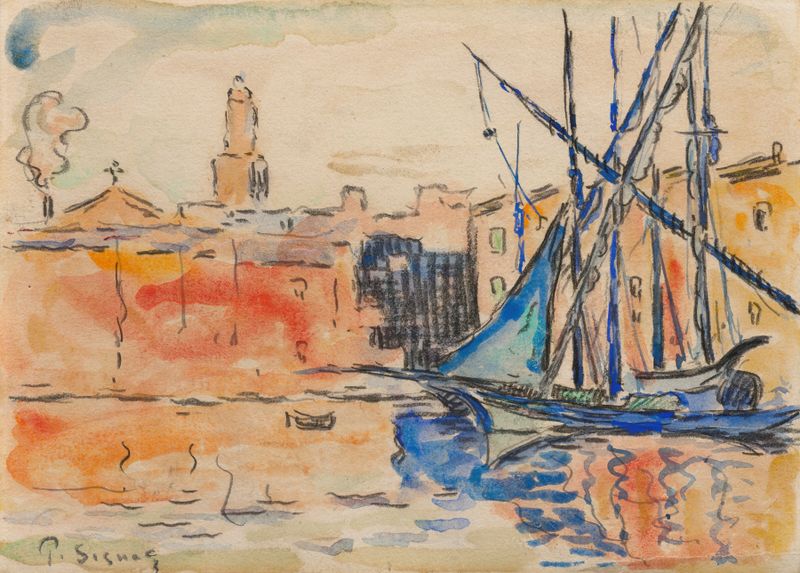
Saint-Tropez, le port
Paul Signac
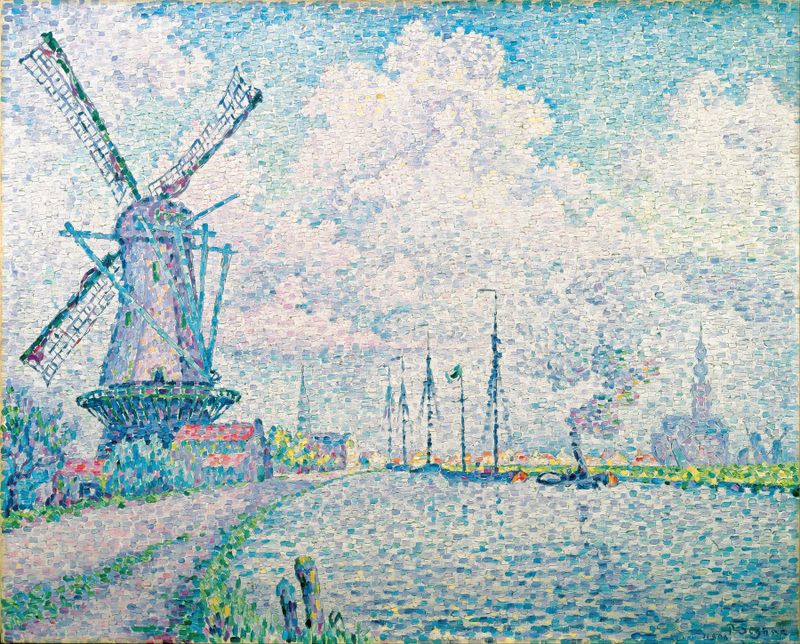
Canal of Overschie
Paul Signac
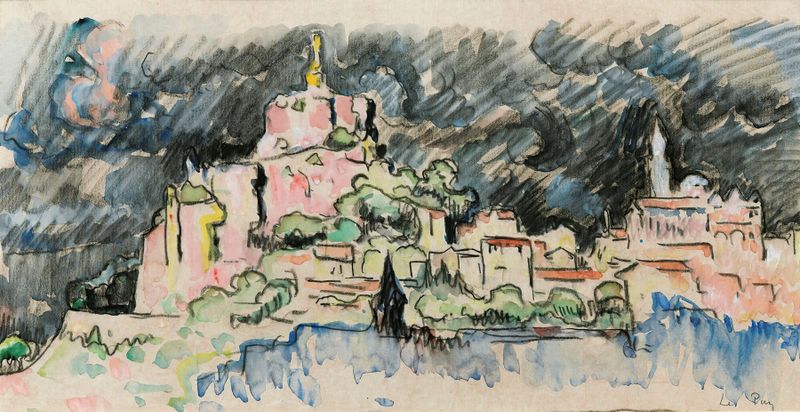
Le Puy-En-Velay, Ciel D’orage
Paul Signac
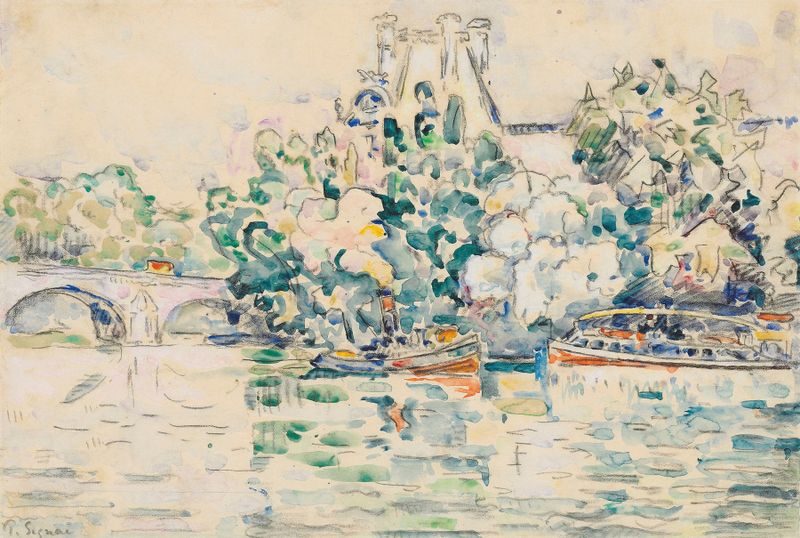
Paris, La Seine au Pont-Royal
Paul Signac
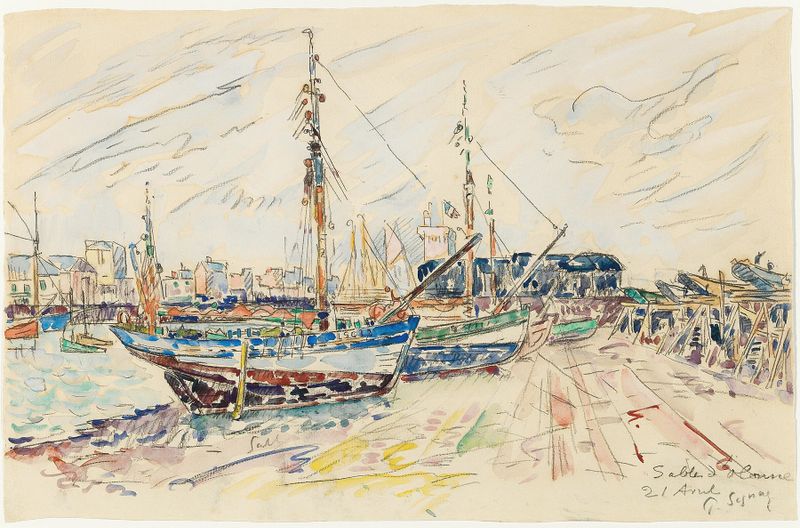
Sables d’Olonne
Paul Signac
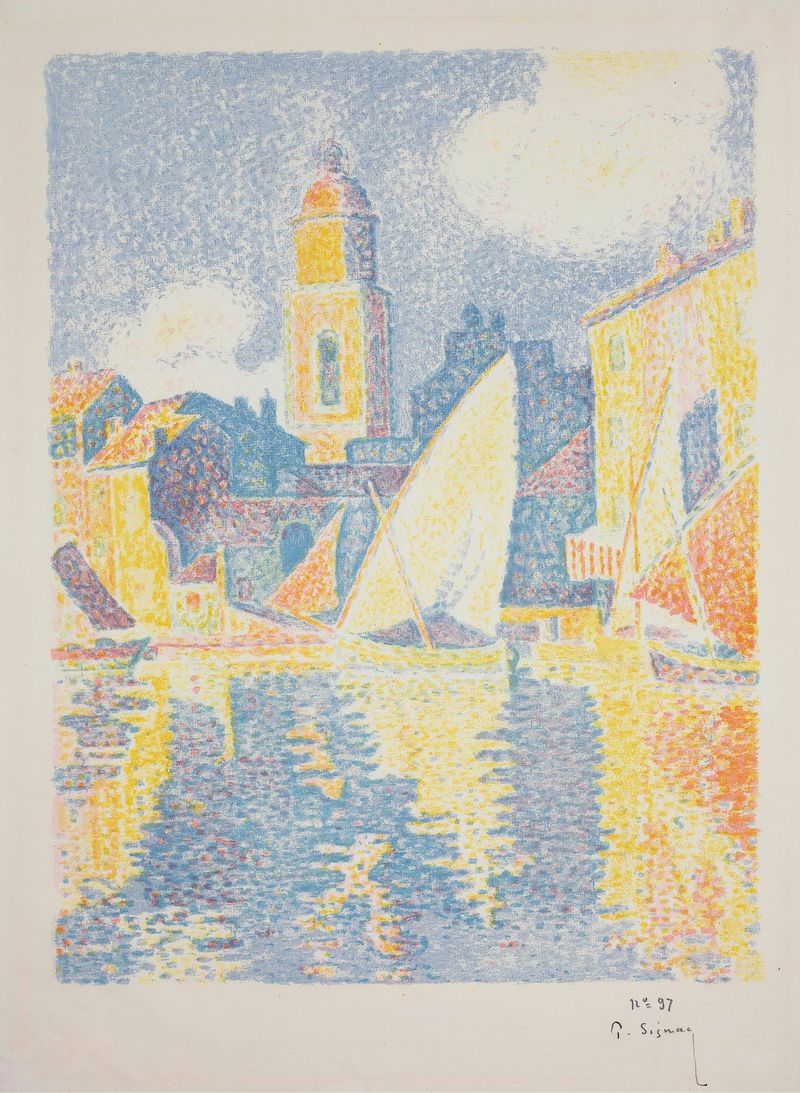
The Port of St. Tropez
Paul Signac
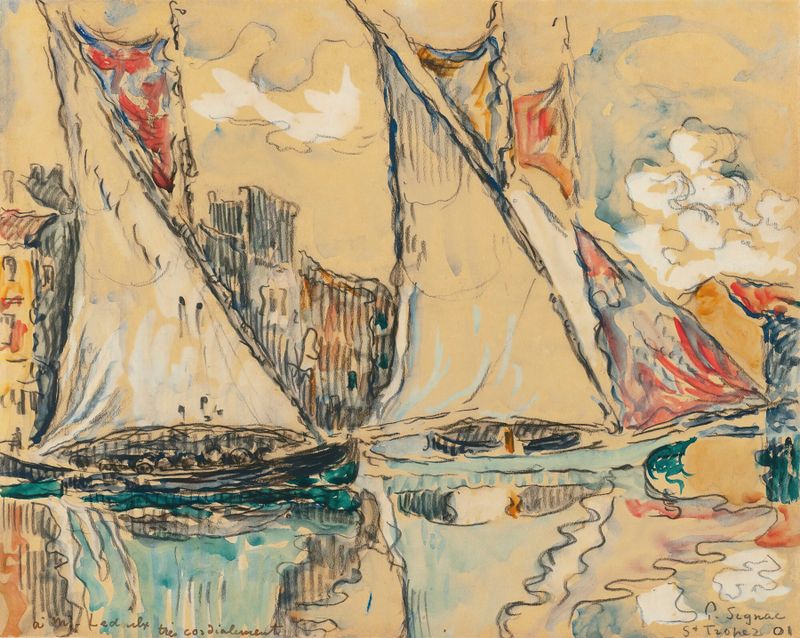
Saint-Tropez, Voiles Au Sec
Paul Signac
Antibes
Paul Signac

Saint-Tropez
Paul Signac





