
All’s well that ends well. I dare not say, my lord. I take you — History & Facts
In All’s well that ends well. I dare not say, my lord. I take you, Louis Rhead presents a vibrant scene filled with rich colors.
The painting features figures in elaborate costumes, suggesting a theatrical setting. The background is adorned with intricate patterns, enhancing the overall drama of the composition. The artwork is created using oil on canvas, which allows for a depth of color and texture. The brushwork is fluid, capturing the movement of the figures and the flow of their garments.
The dimensions are approximately 100 x 150 cm, making it a sizable piece that draws the viewer's attention. The use of light and shadow adds to the three-dimensionality of the figures. Louis Rhead was known for his illustrations and decorative arts, often drawing inspiration from literature. This painting is based on a scene from Shakespeare's play, which reflects Rhead's interest in storytelling through visual art.
An interesting fact about this work is that it combines both figurative elements and decorative patterns, typical of the Art Nouveau style, showcasing Rhead's versatility as an artist.
More Artworks by Louis Rhead

Ricksecker Perfumes
Louis Rhead
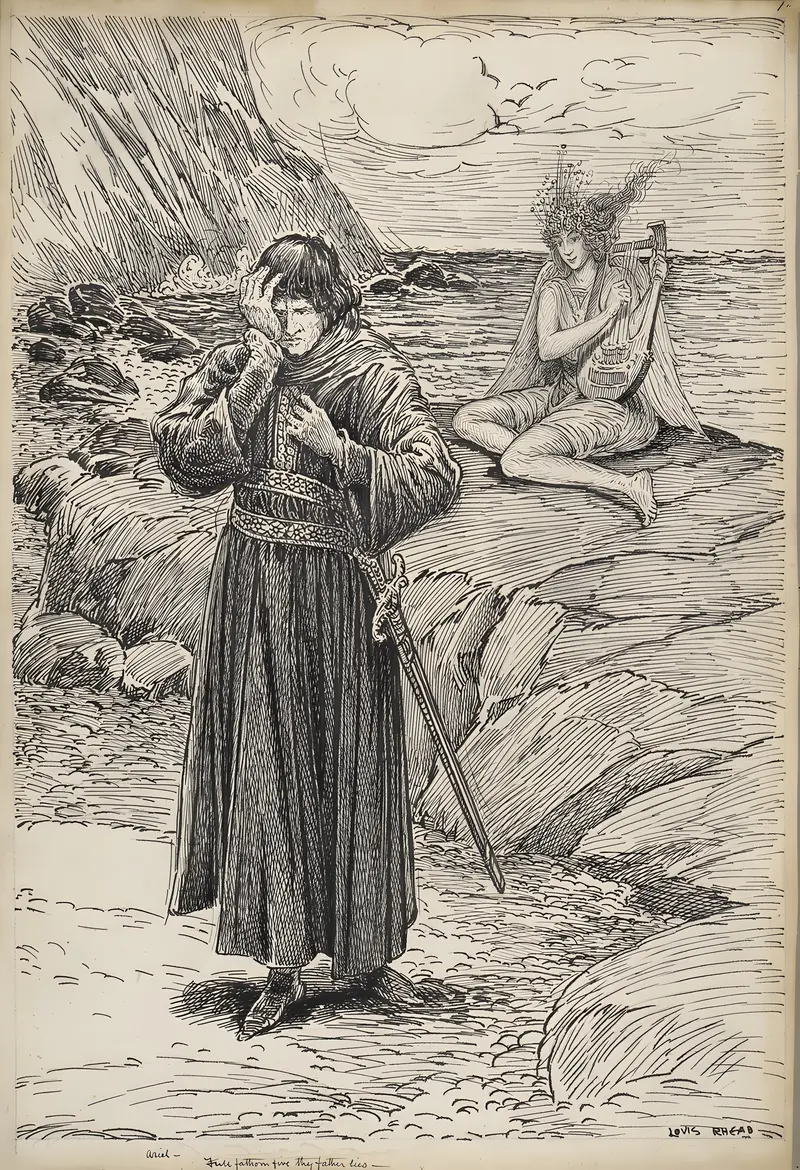
Tempest, Ariel; Full fathom five thy father lies
Louis Rhead
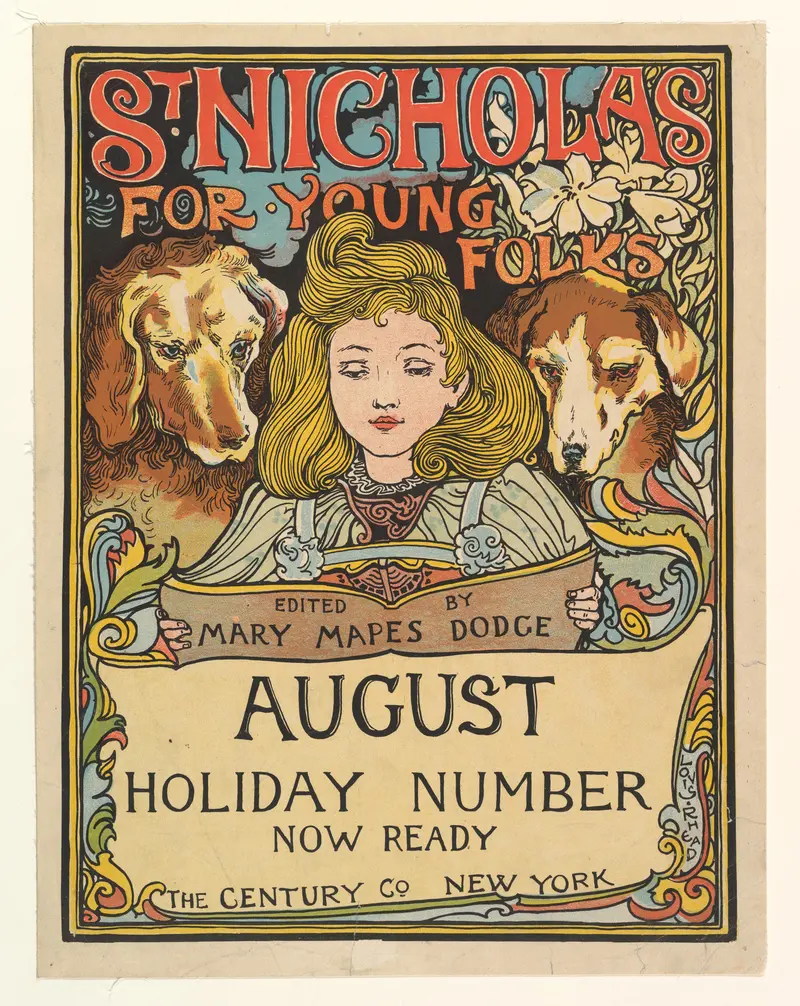
The Century; Holiday Number; St. Nicholas for Young Folks, August
Louis Rhead
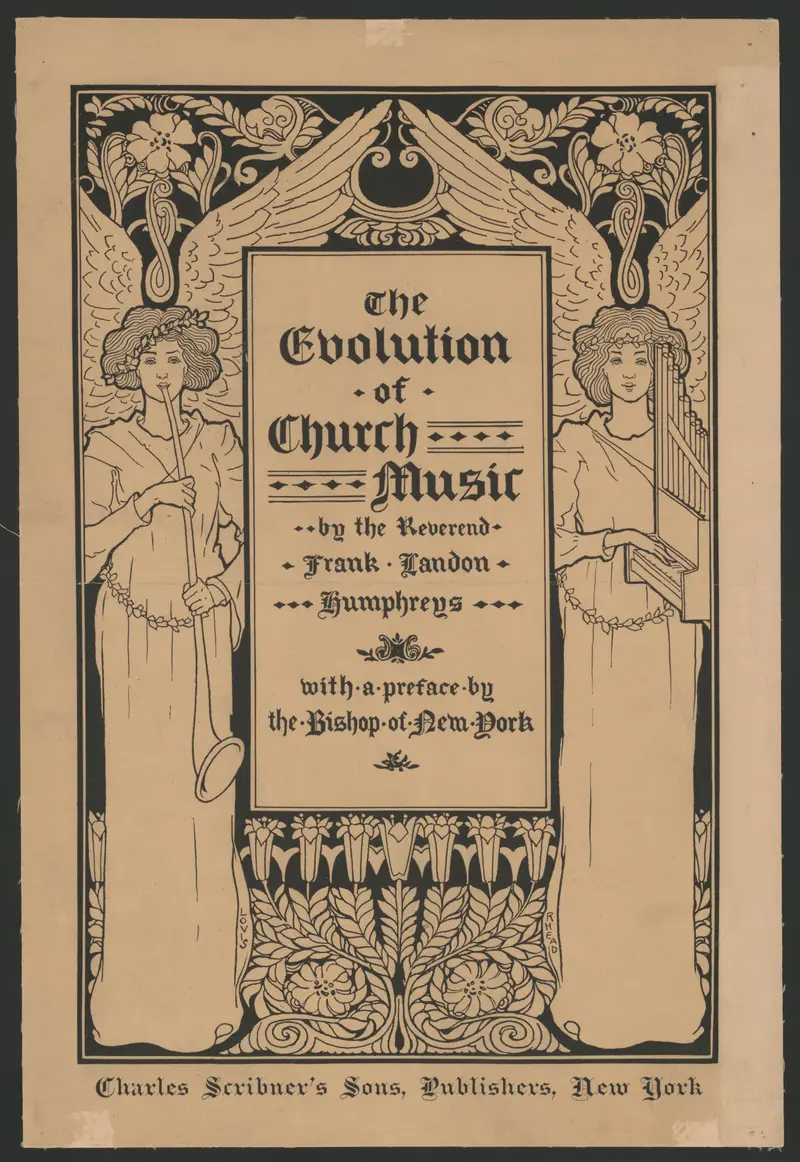
The evolution of church music
Louis Rhead
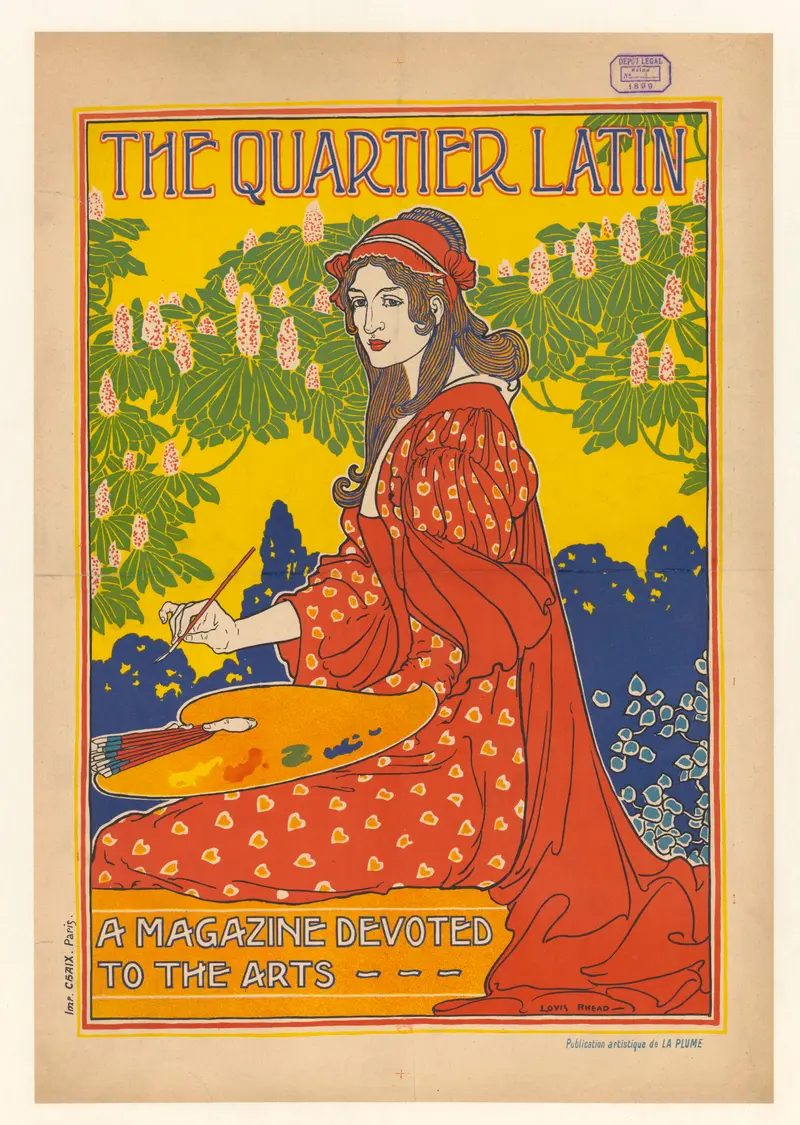
The Quartier Latin. A magazine devoted to the arts
Louis Rhead
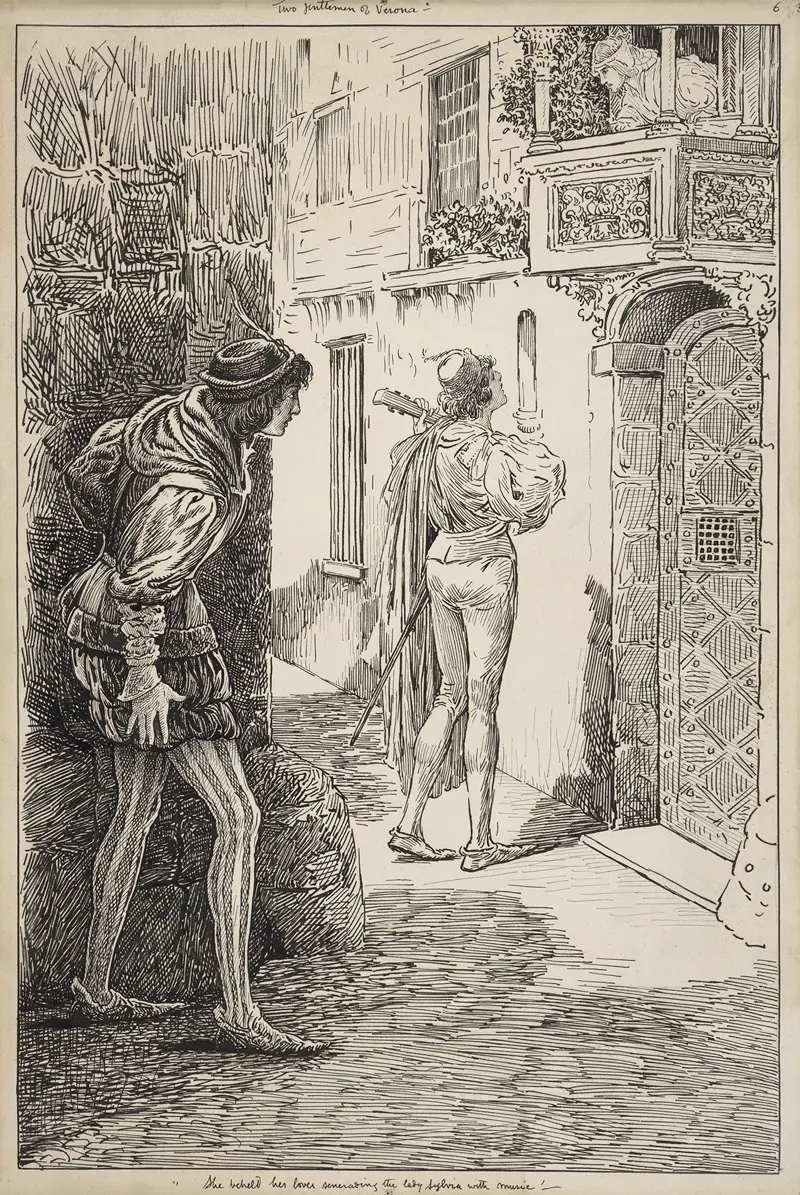
Two gentlemen of Verona. She beheld her lover serenading the Lady Silvia with music
Louis Rhead
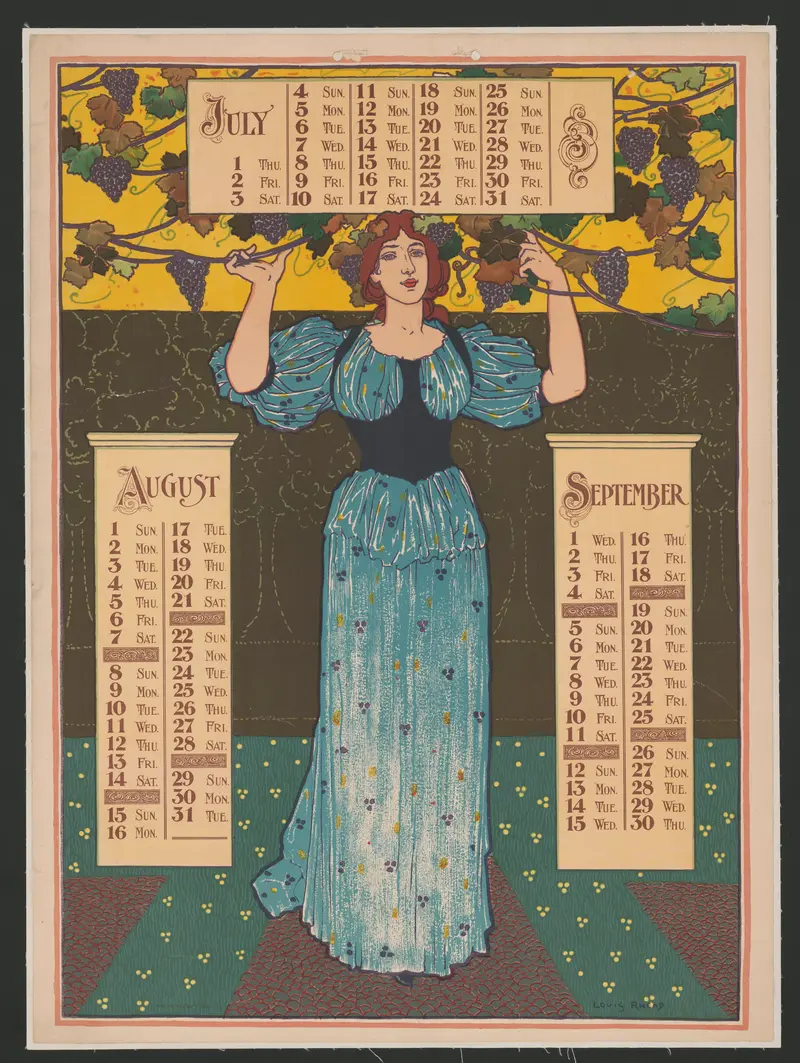
Poster calendar for 1897. July, August , September
Louis Rhead
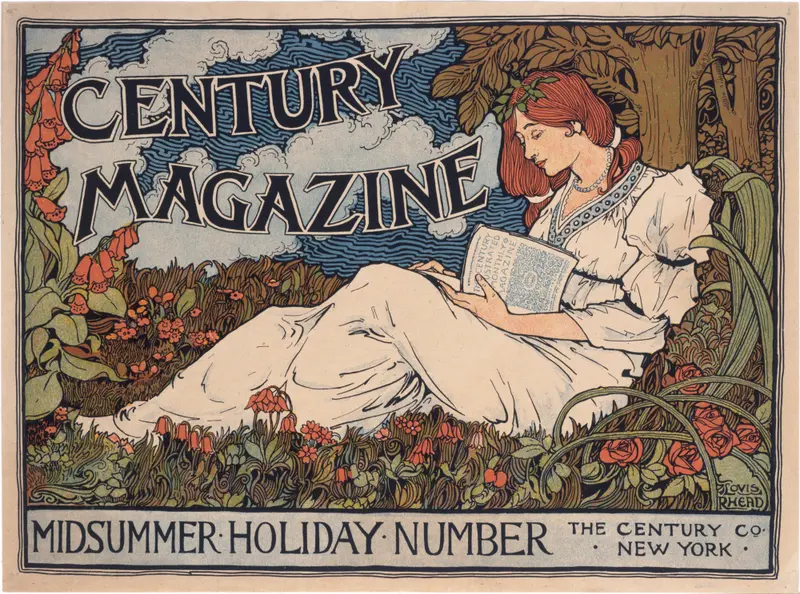
Century Magazine – Midsummer Holiday Number
Louis Rhead
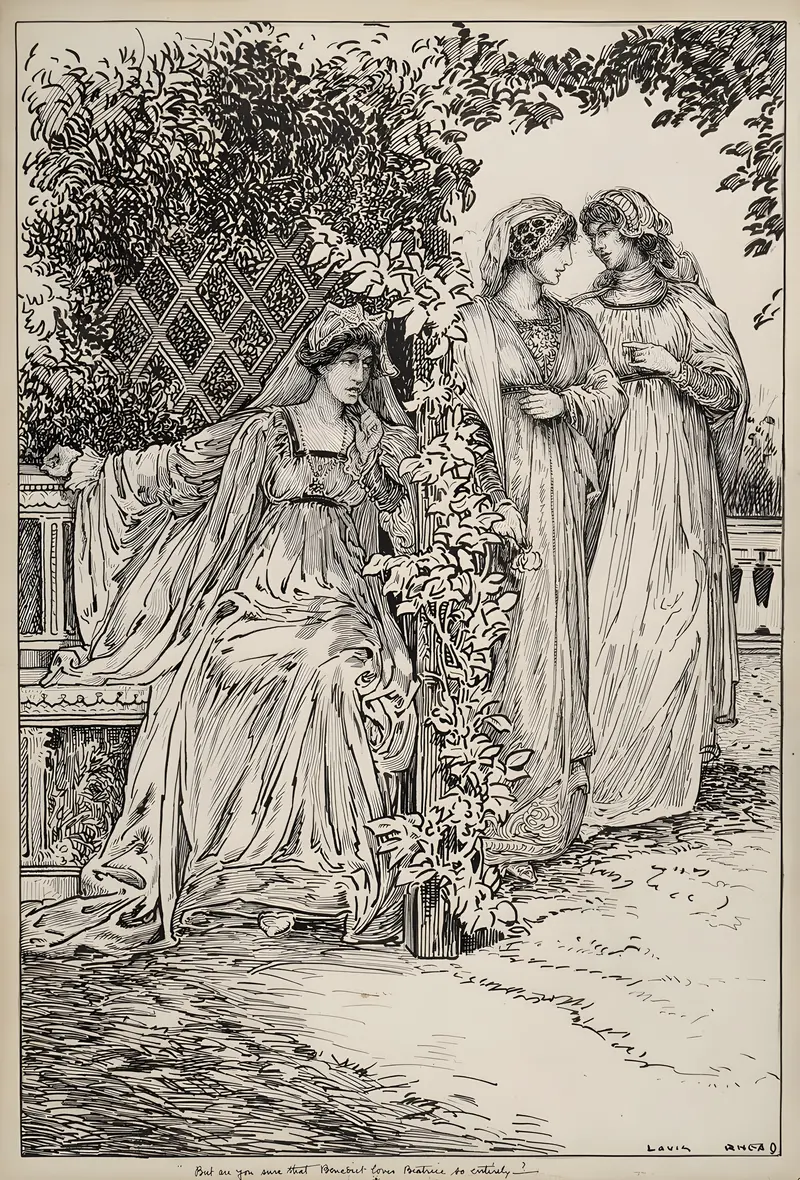
Much ado about nothing. But are you sure that Benedict loves Beatrice so entirely
Louis Rhead
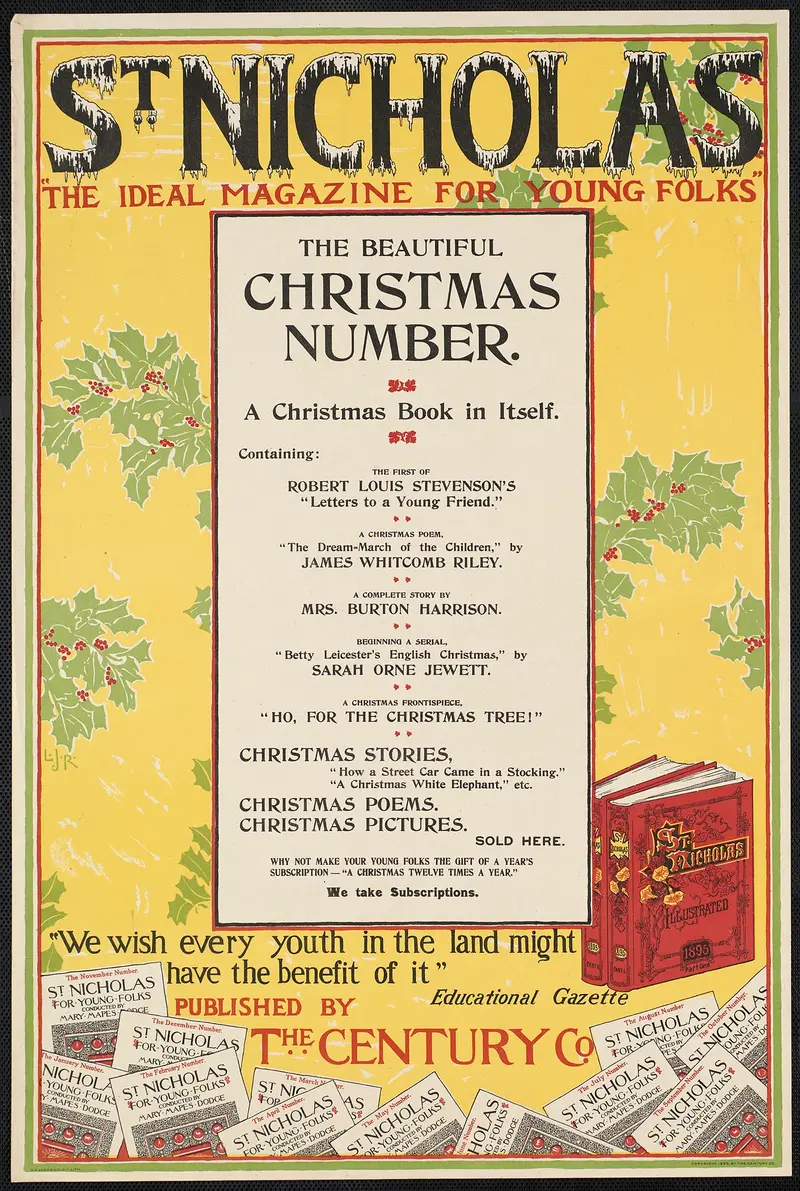
St. Nicholas. The Beautiful Christmas Number Published by The Century Co.
Louis Rhead



