
Allen Parker — History & Facts
Who listens when art speaks of silence? In Denman Waldo Ross's Allen Parker, the stillness resonates with the weight of creation, capturing a moment that bridges the gap between absence and presence. Look to the center, where the figure of Allen Parker stands poised, almost statuesque against a backdrop of muted colors. The brushwork reveals a careful balance of light and shadow, highlighting the contours of his face and creating a sense of depth. Notice how the subtle variations in hue dance across his form, lending an air of vitality to an otherwise quiet scene.
The soft palette evokes a gentle intimacy, urging the viewer to linger and absorb the essence of the subject. This artwork is infused with tension between the silence of the figure and the vibrancy of the world beyond him. The stillness captures a moment of contemplation, inviting reflections on the elusive nature of existence and identity. Small details, such as the delicately rendered fabric of Parker's attire, suggest an intricate narrative hidden within the scene—each fold tells a story, a whisper of life lived.
The contrast between the subdued background and Parker's focused presence enhances this poignant dialogue, bridging the internal and external worlds. Ross painted this work during the late 19th to early 20th century, a period marked by artistic experimentation and introspection. Living in Boston, he delved into the study of color theory and composition, heavily influenced by Impressionism. This era saw artists striving to convey emotional depth while grappling with shifting societal norms, and Ross’s exploration of personal identity through Allen Parker exemplifies his engagement with these broader themes.
More Artworks by Denman Waldo Ross
Browse all →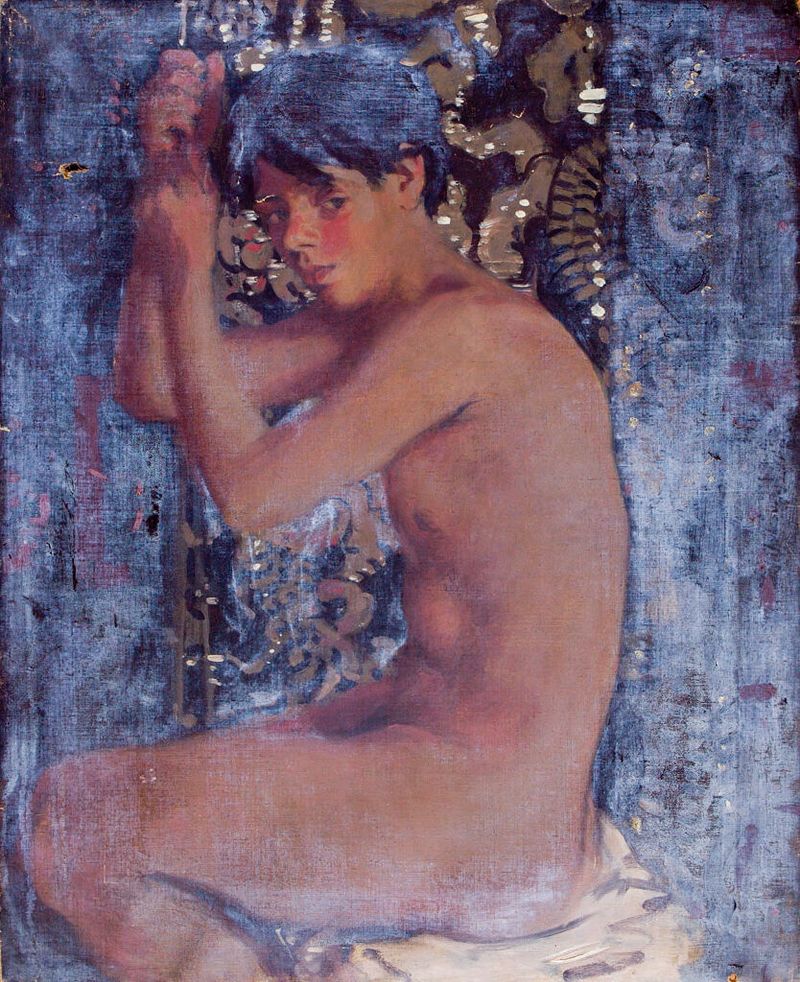
Portrait of a Seated Young Man
Denman Waldo Ross
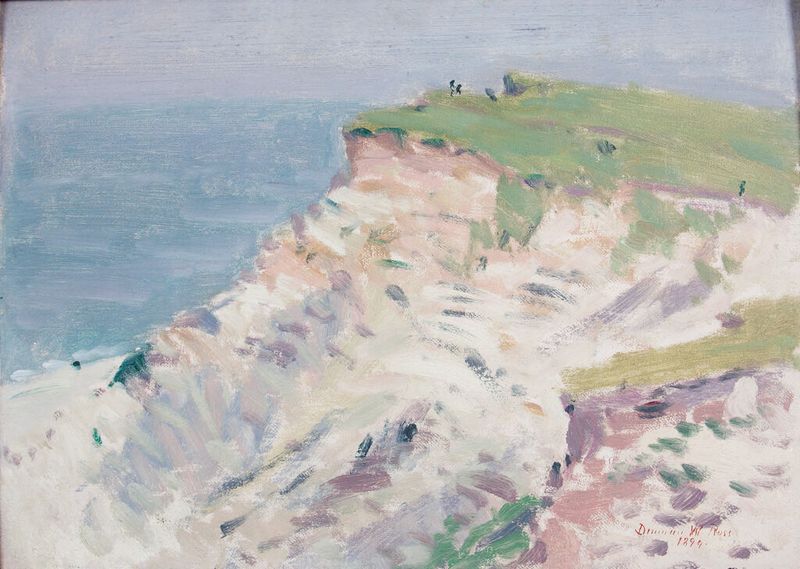
Highland Light, North Truro, Massachusetts
Denman Waldo Ross
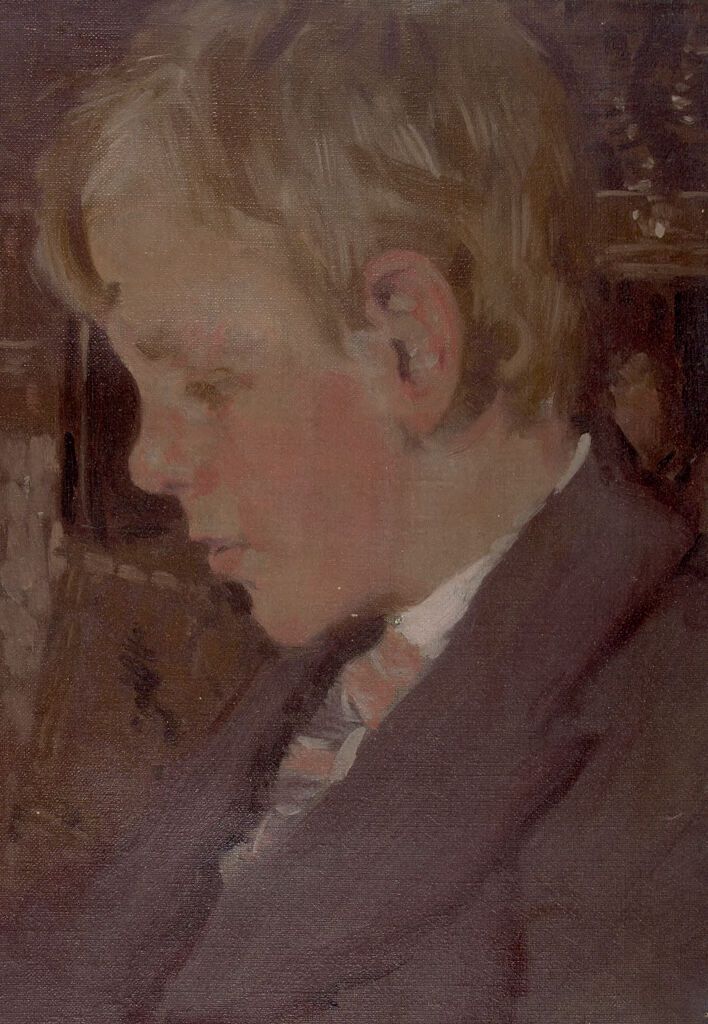
Profile Portrait of a Boy in Suit and Tie
Denman Waldo Ross
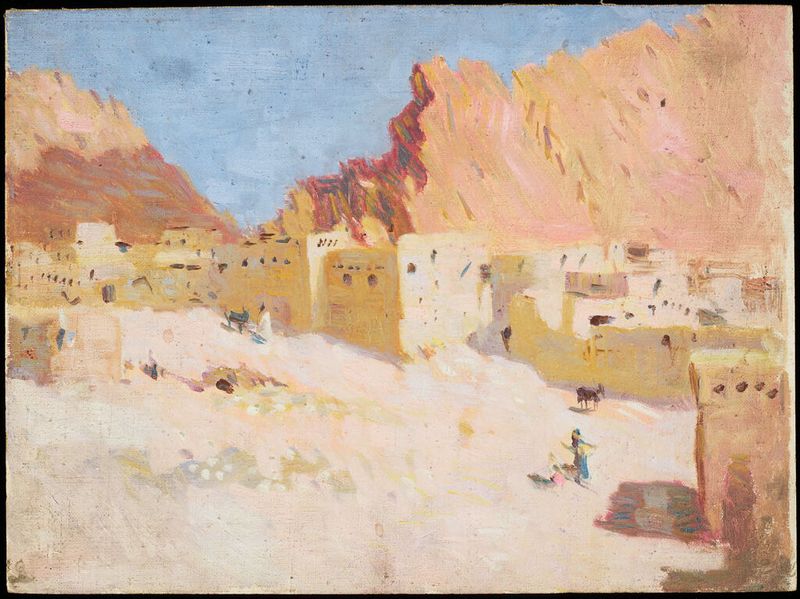
El Kantara, Near Biskra, Algeria
Denman Waldo Ross
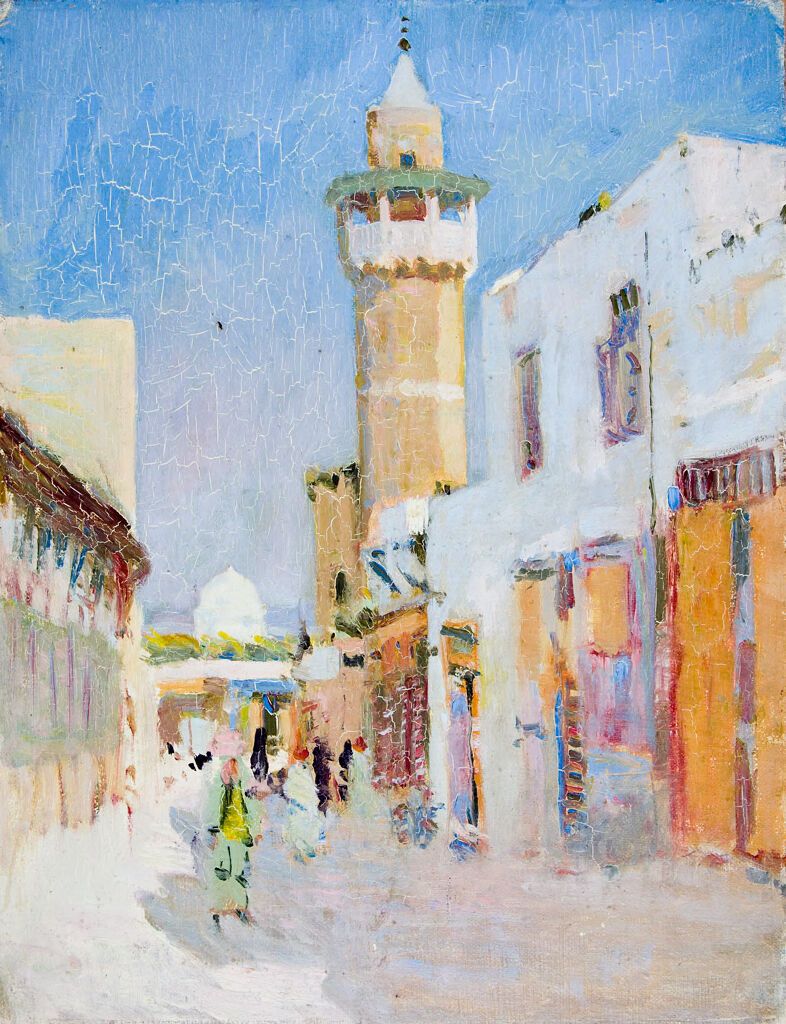
Tunis Street Scene
Denman Waldo Ross
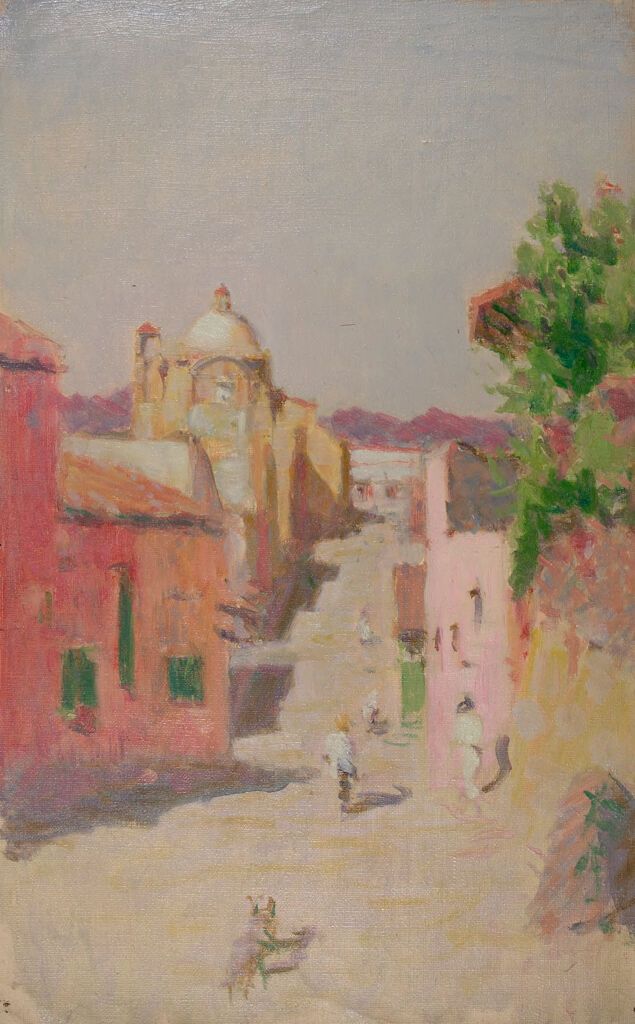
Street Scene with Animal and Figures
Denman Waldo Ross
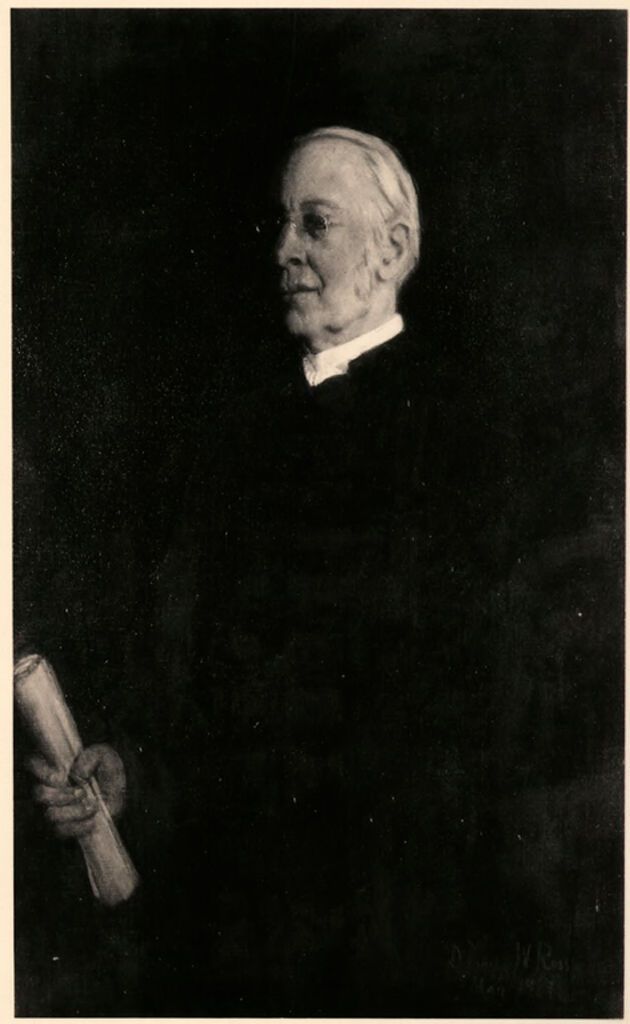
Charles William Eliot (1834-1926)
Denman Waldo Ross
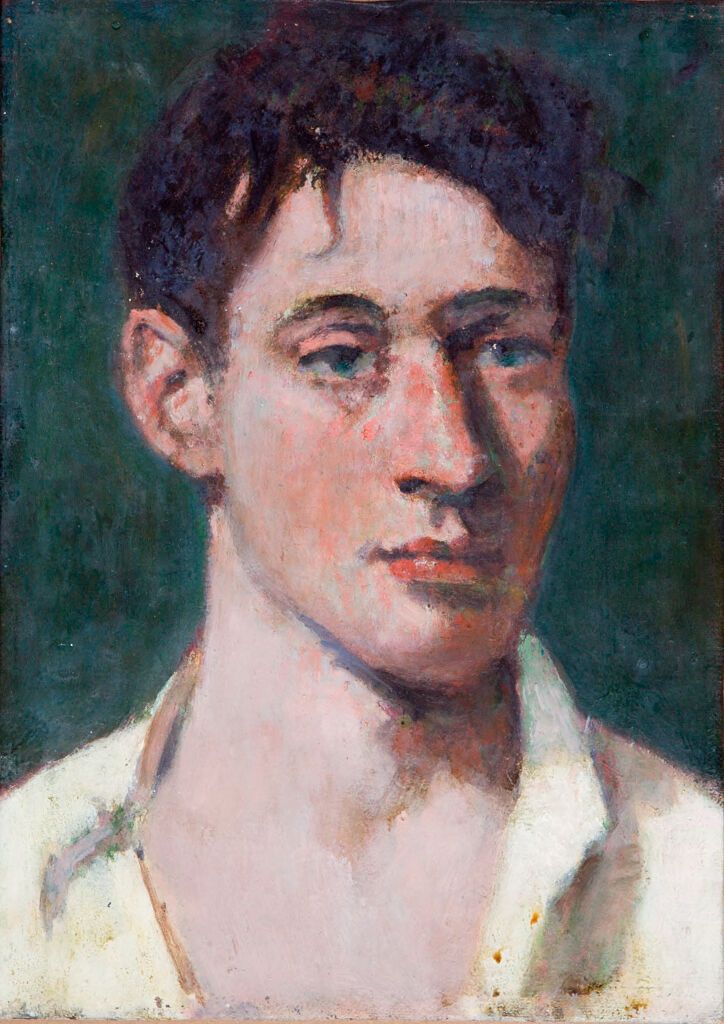
Portrait of a Young Man in White Shirt
Denman Waldo Ross
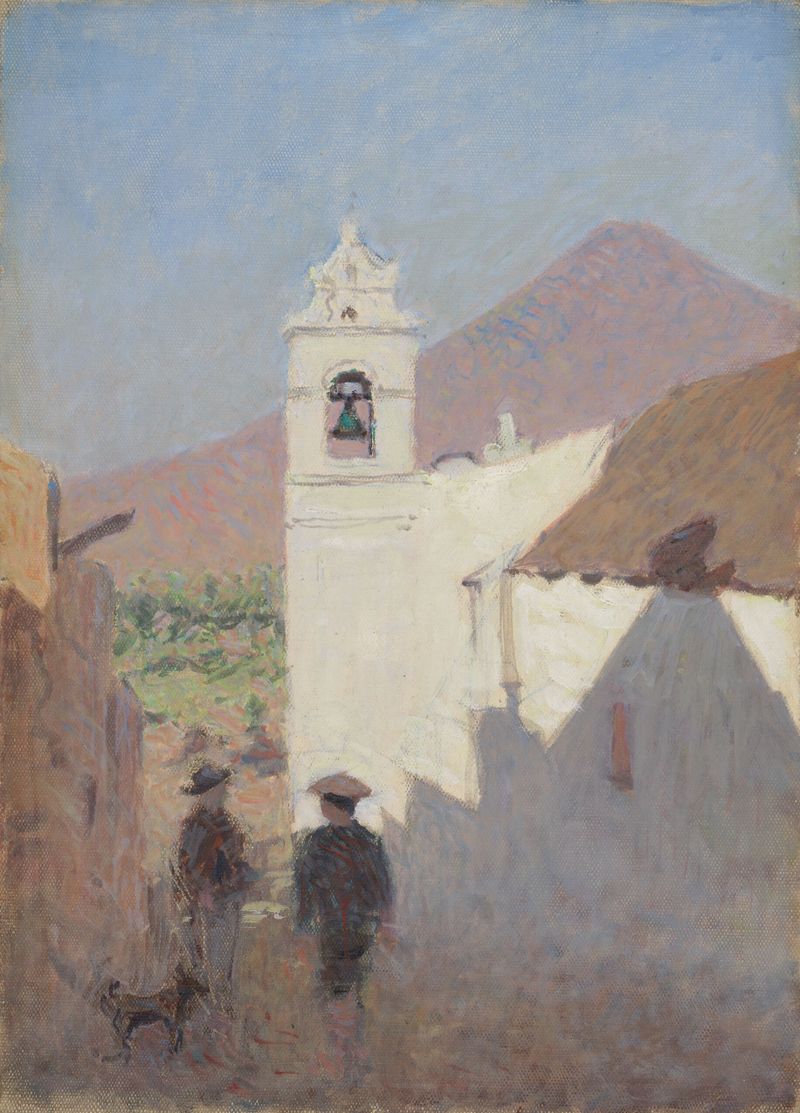
Village Near Arequipa, Peru
Denman Waldo Ross

York Harbor, Maine
Denman Waldo Ross
More Portrait Art
Browse all →
Las meninas
Diego Velázquez

Self-portrait with a Bandaged Ear and Pipe
Unidentified artist

Girl with a Pearl Earring
Johannes Vermeer

The Sampling Officials of the Amsterdam Drapers’ Guild, Known as ‘The Syndics’
Rembrandt van Rijn

The Hundred Guilder Print: the man seen on the back in the lower left corner
Rembrandt van Rijn

Portrait of Dr Gachet
Vincent van Gogh