
Allen Parker — History & Facts
Could a single brushstroke hold eternity? In Denman Waldo Ross's Allen Parker, the answer lies in the quiet longing encapsulated by the vibrant hues and delicate forms that weave through the canvas. Each stroke resonates with unspoken emotion, inviting the viewer to explore the depths of human connection and solitude. Focus first on the central figure, caught in a moment of introspection. The soft, warm colors envelop Allen Parker, guiding your gaze to his expressive eyes, which seem to hold a world of thoughts.
Notice how the light dances across his features, creating a gentle contrast between shadow and illumination, emphasizing the vulnerability in his stance. The fluidity of the brushwork breathes life into the scene, while the muted background allows the figure to anchor the painting, mirroring the way memories often fade yet remain vividly felt. Hidden within this composition are layers of emotional tension. The interplay of light and shadow not only enhances the subject’s features but also suggests a duality of presence and absence, echoing the universal experience of longing for connection.
The choice of color, particularly the blending of blues and browns, evokes a sense of nostalgia, as if the artist has captured a fleeting moment that transcends time. Each brushstroke speaks to the complexity of human emotion, simultaneously invoking warmth and sorrow. In 1931, Denman Waldo Ross painted Allen Parker during a period marked by introspection within the art world, as artists began to explore more personal themes in their work. At this time, Ross was deeply engaged with the effects of color and form, pushing the boundaries of traditional representation.
His focus on individual expression paralleled broader movements in art, reflecting the evolving understanding of the human experience amidst social change.
More Artworks by Denman Waldo Ross
Browse all →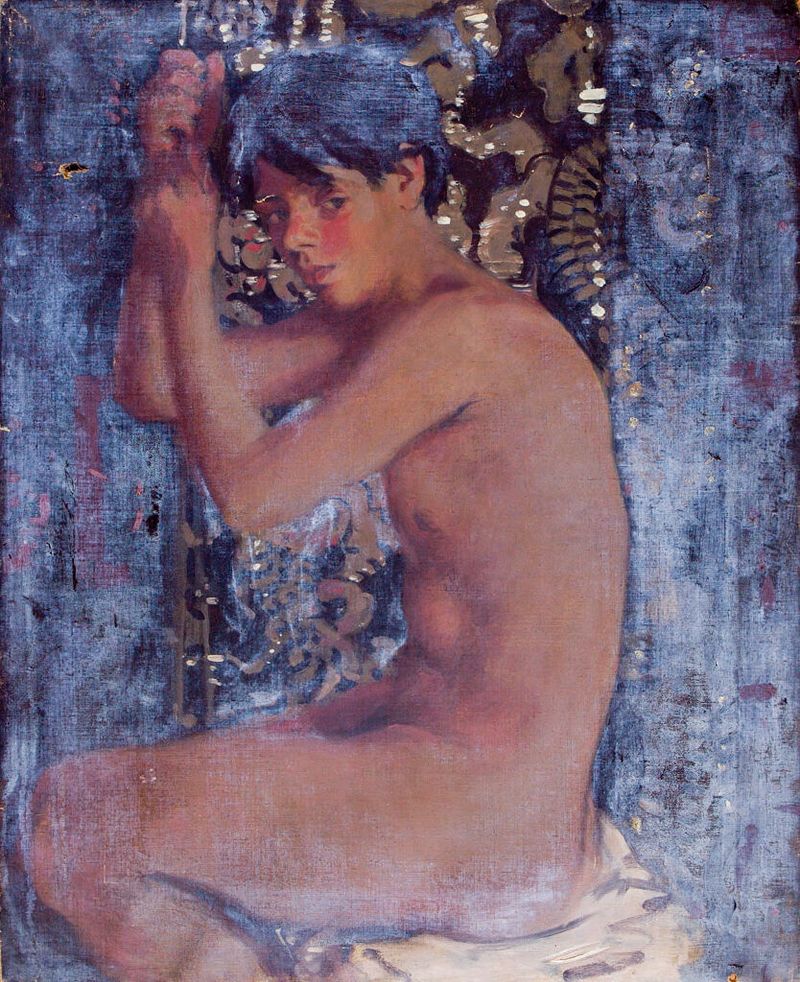
Portrait of a Seated Young Man
Denman Waldo Ross
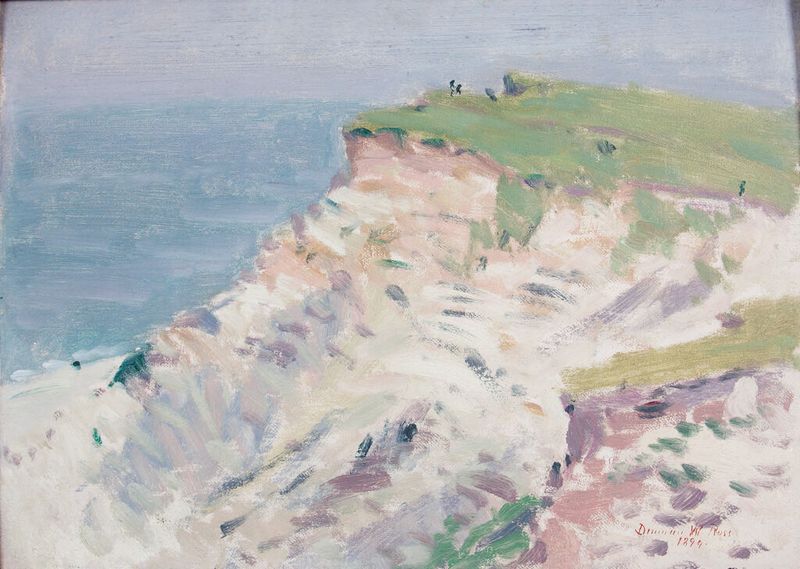
Highland Light, North Truro, Massachusetts
Denman Waldo Ross
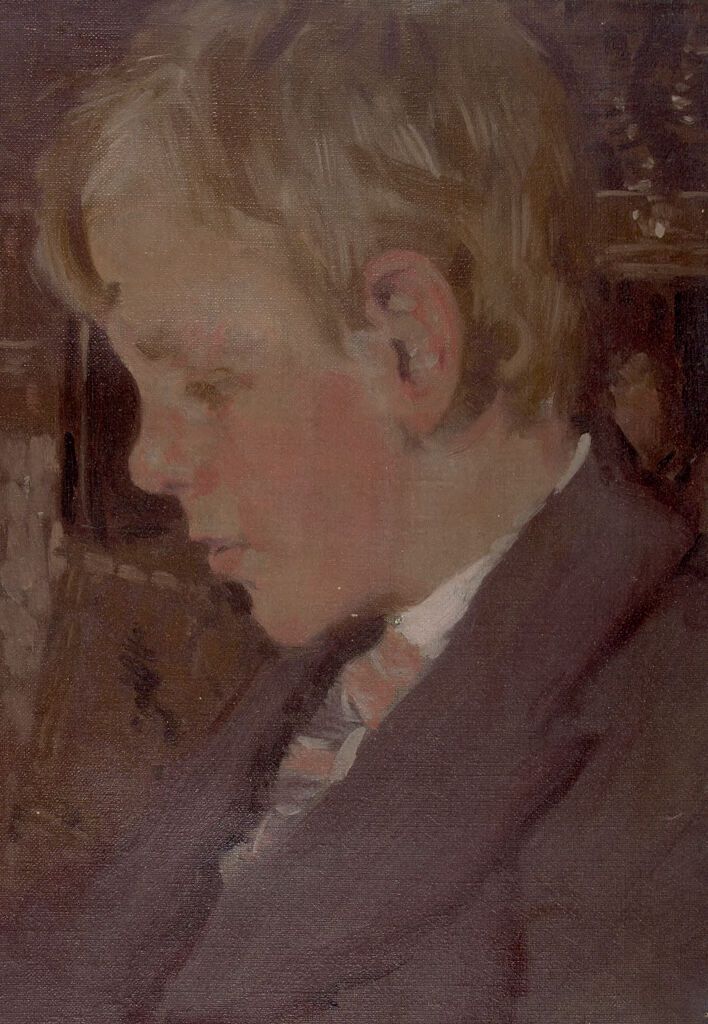
Profile Portrait of a Boy in Suit and Tie
Denman Waldo Ross
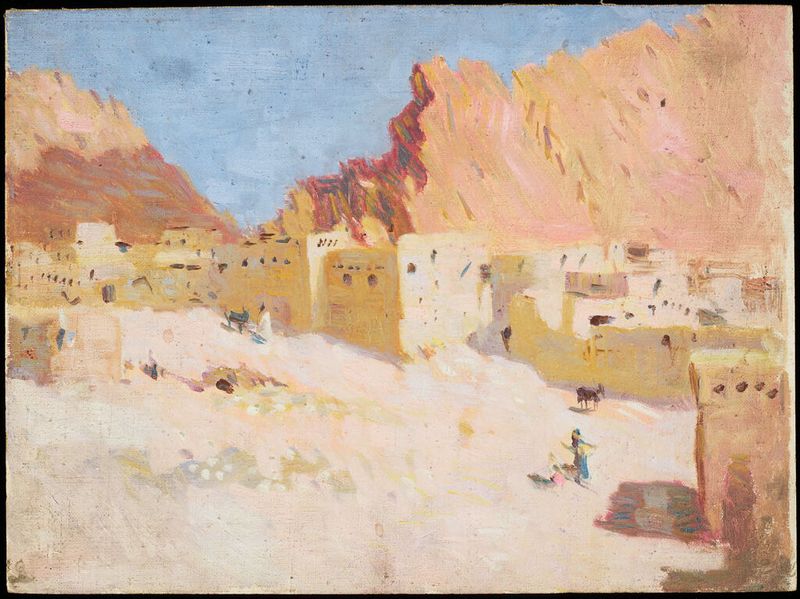
El Kantara, Near Biskra, Algeria
Denman Waldo Ross
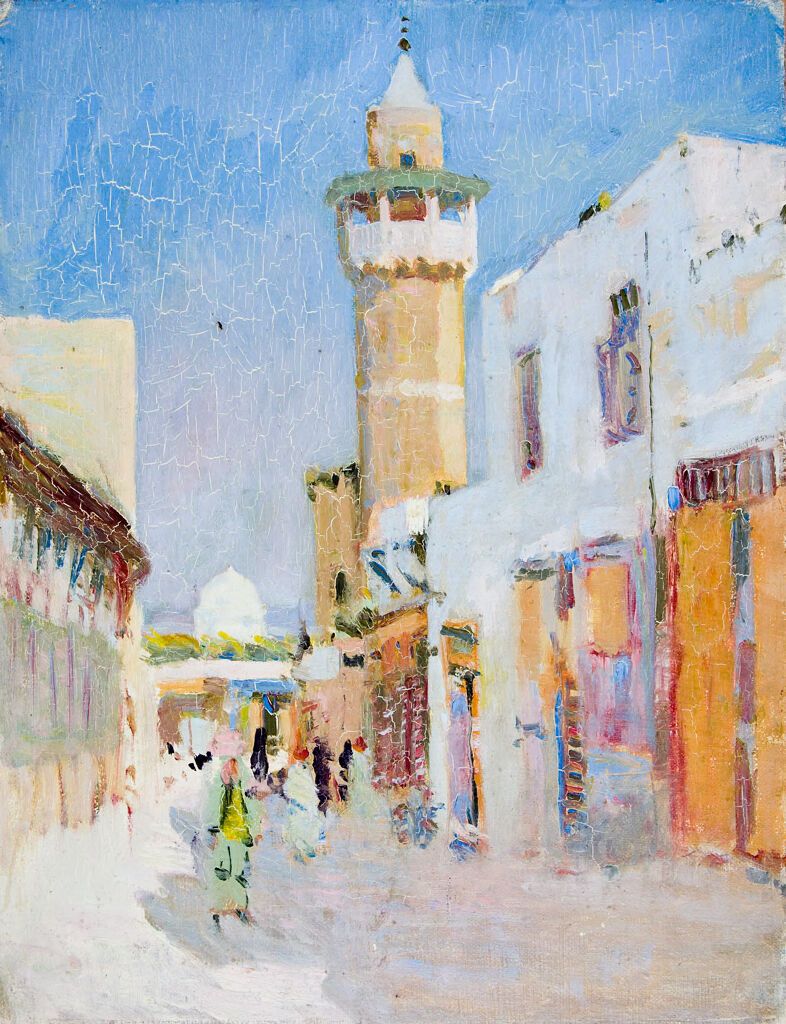
Tunis Street Scene
Denman Waldo Ross
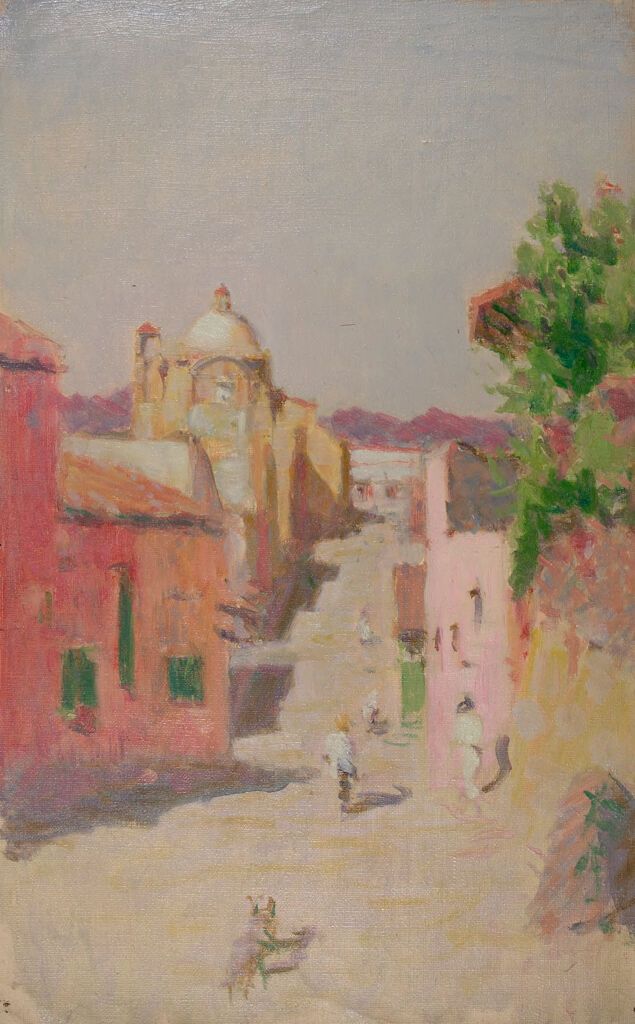
Street Scene with Animal and Figures
Denman Waldo Ross
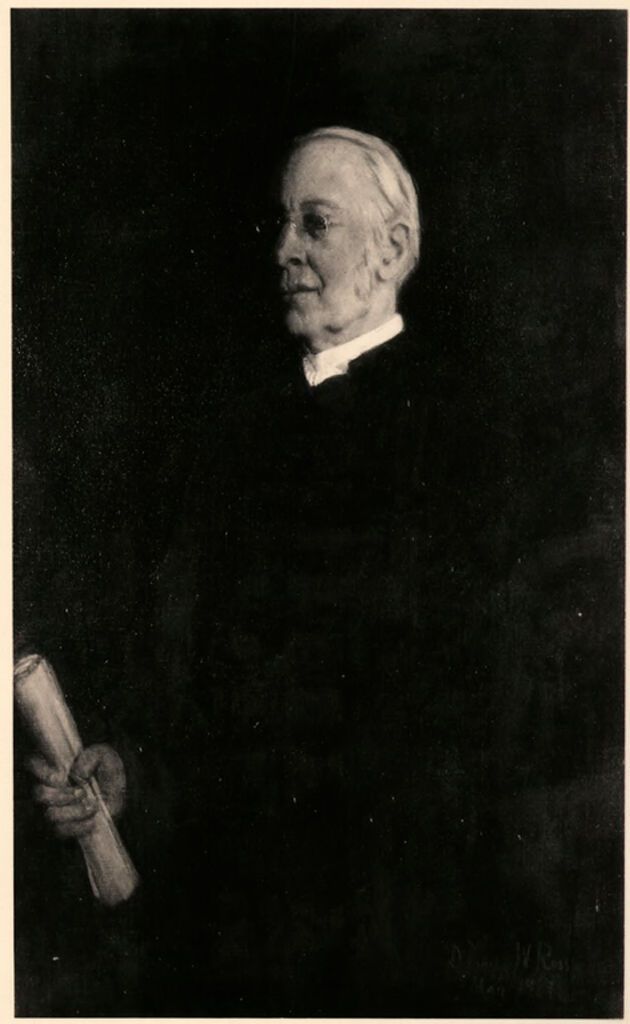
Charles William Eliot (1834-1926)
Denman Waldo Ross
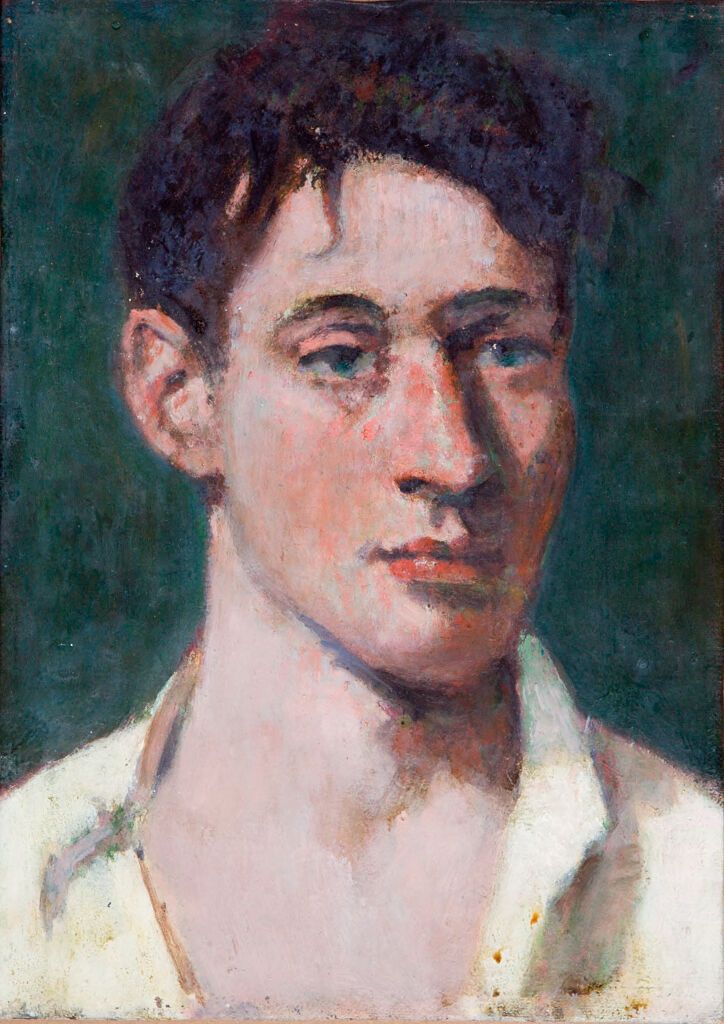
Portrait of a Young Man in White Shirt
Denman Waldo Ross
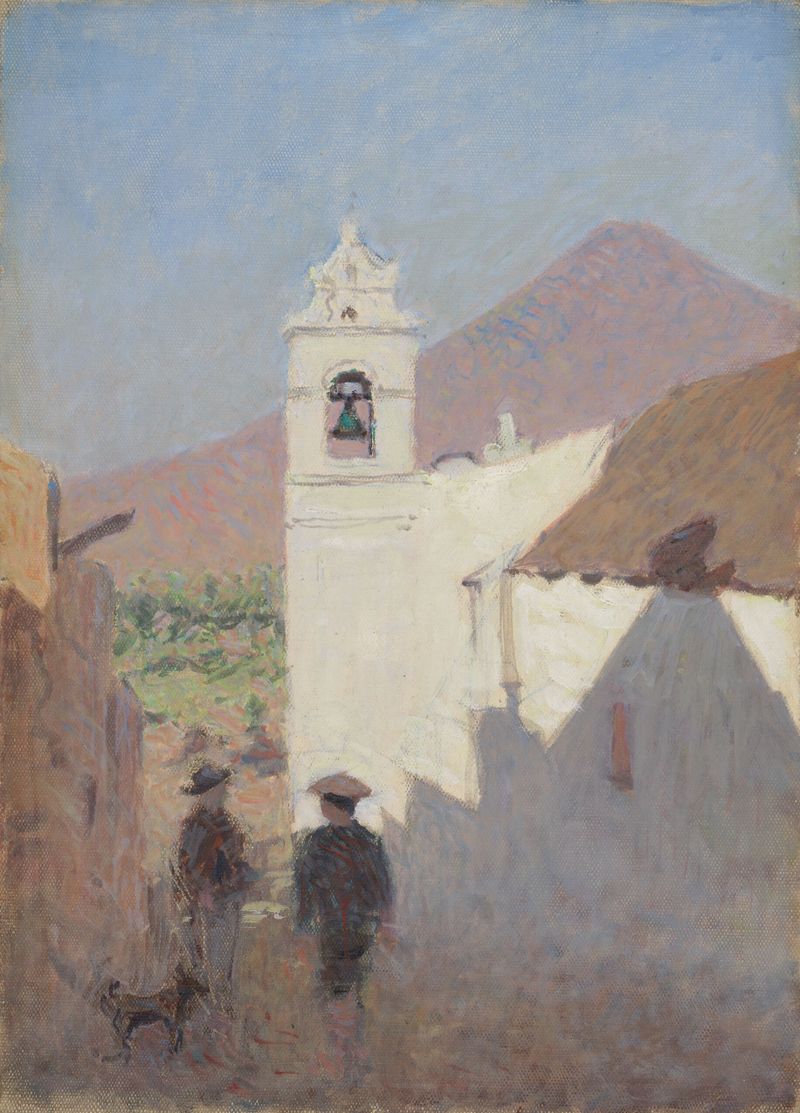
Village Near Arequipa, Peru
Denman Waldo Ross

York Harbor, Maine
Denman Waldo Ross
More Portrait Art
Browse all →
Las meninas
Diego Velázquez

Self-portrait with a Bandaged Ear and Pipe
Unidentified artist

Girl with a Pearl Earring
Johannes Vermeer

The Sampling Officials of the Amsterdam Drapers’ Guild, Known as ‘The Syndics’
Rembrandt van Rijn

The Hundred Guilder Print: the man seen on the back in the lower left corner
Rembrandt van Rijn

Portrait of Dr Gachet
Vincent van Gogh