
Discover insights about this artwork
Alles fühlt der Liebe Freuden — History & Facts
In Alles fühlt der Liebe Freuden, vibrant colors dominate the canvas, creating a lively atmosphere. The painting features figures that embody the joy and exuberance of love. Soft, flowing lines and warm hues enhance the sense of intimacy and connection.
The setting is dreamlike, suggesting a world where love reigns supreme. The painting is executed in oil on canvas, a medium that allows for rich textures and depth. Slevogt's brushwork is fluid, capturing the movement and emotion of the figures. The composition is balanced, drawing the viewer's eye across the canvas.
The use of light and shadow adds dimension and highlights the central theme of love. Max Slevogt was a prominent figure in the German art scene during the late 19th and early 20th centuries. He was associated with the Symbolist movement, which sought to express ideas and emotions through symbolic imagery. Alles fühlt der Liebe Freuden reflects his interest in the themes of love and human connection.
An interesting fact about this work is that it was inspired by the artist's own experiences with love and relationships.
More Artworks by Max Slevogt
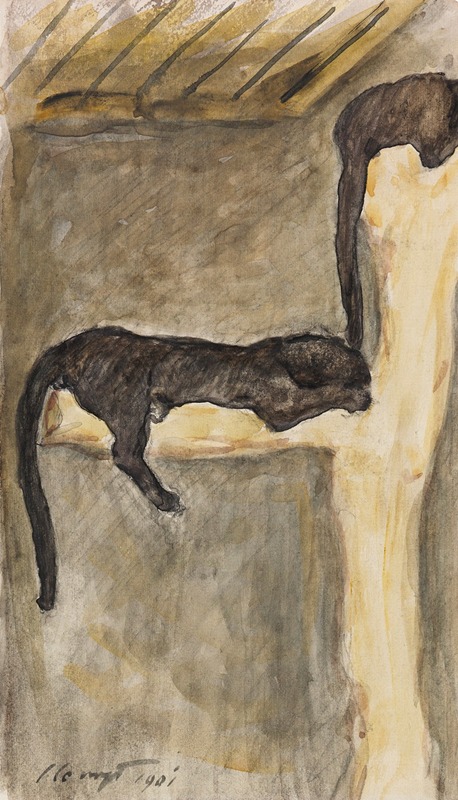
Pantherpaar im Frankfurter Zoo
Max Slevogt
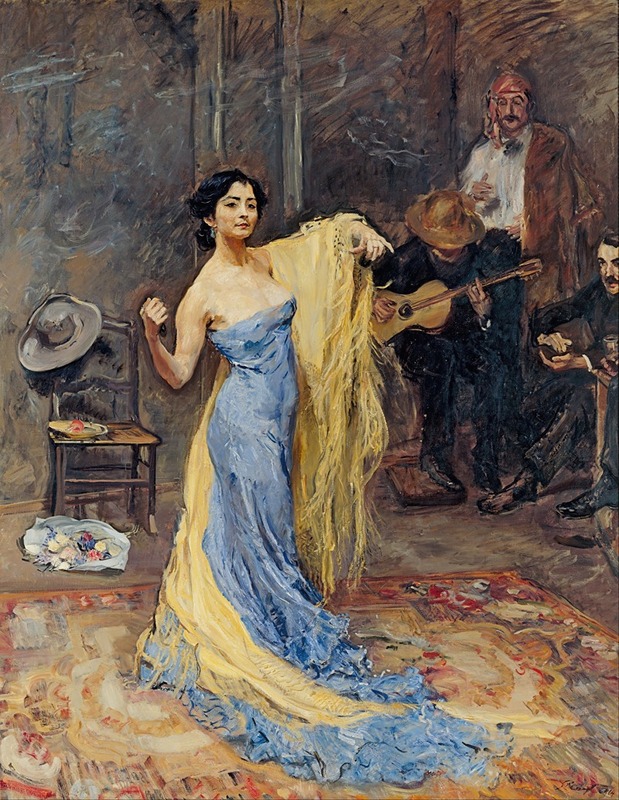
Portrait of the Dancer Marietta di Rigardo
Max Slevogt
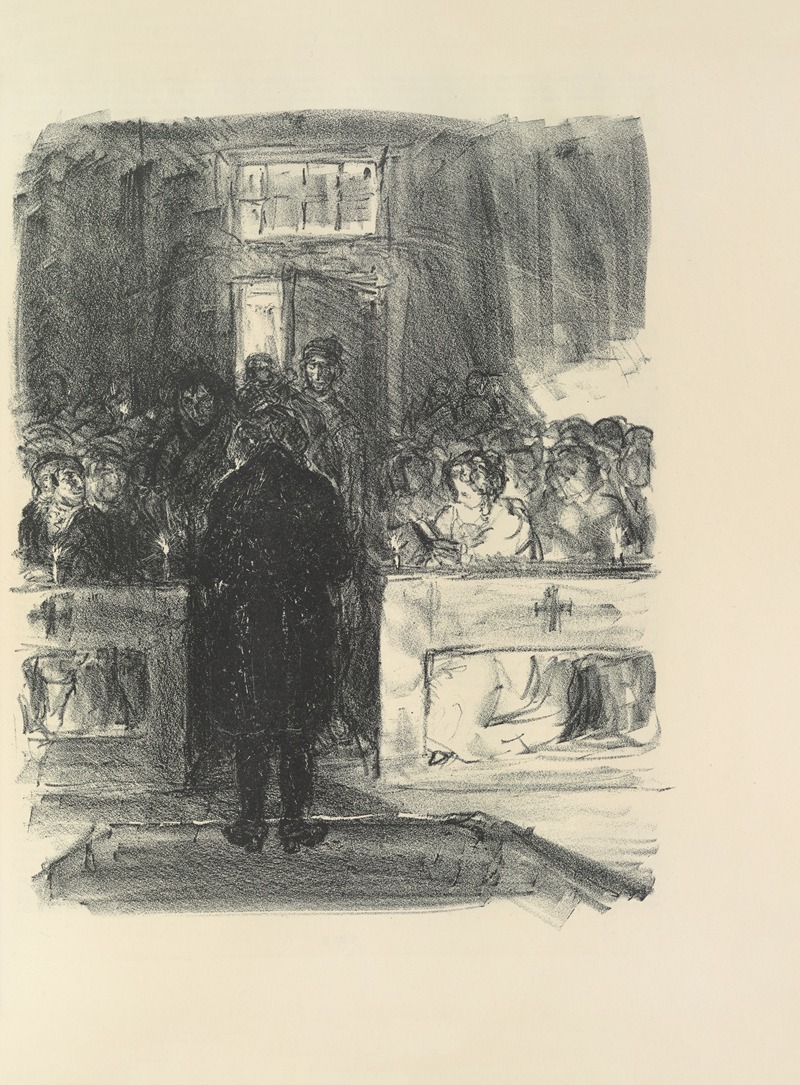
Lederstumpf-Erzählungen Pl.35
Max Slevogt

Bildnis Theodor Stoperan
Max Slevogt
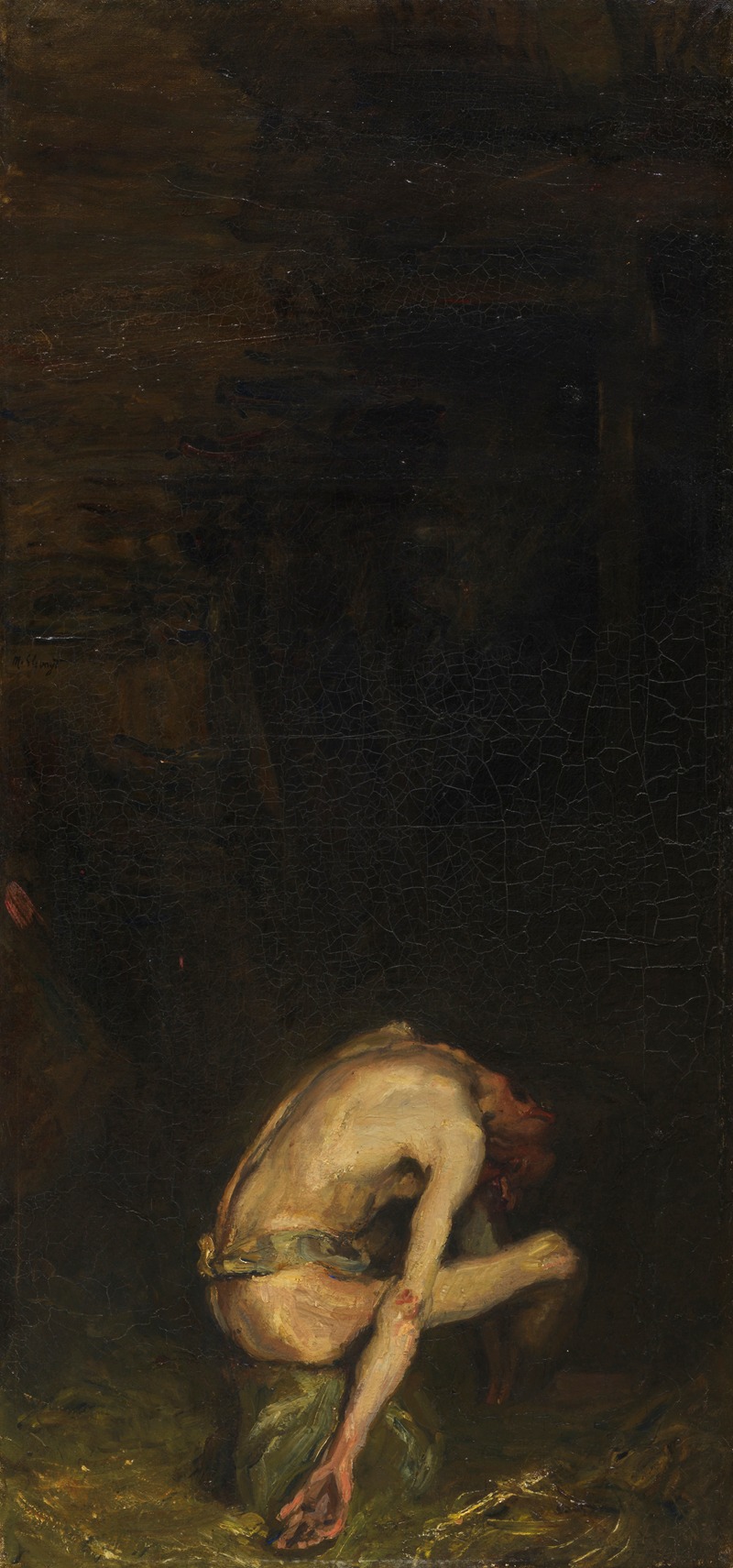
Der verlorene Sohn 3
Max Slevogt
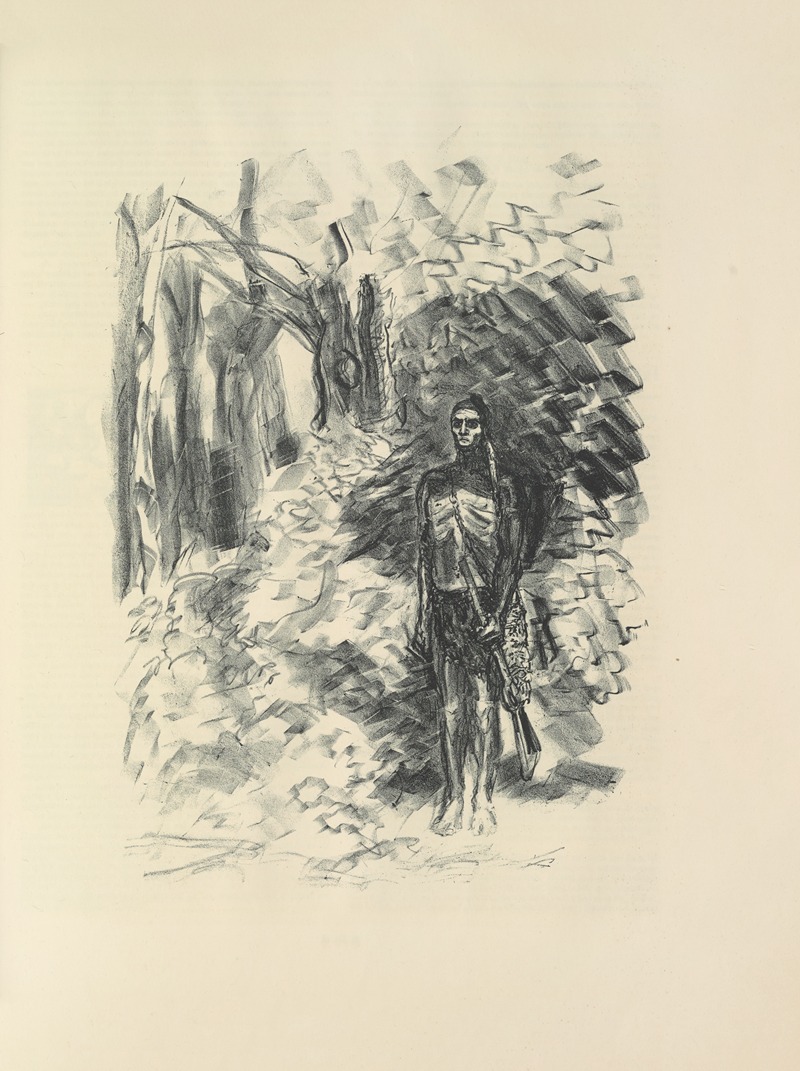
Lederstumpf-Erzählungen Pl.14
Max Slevogt
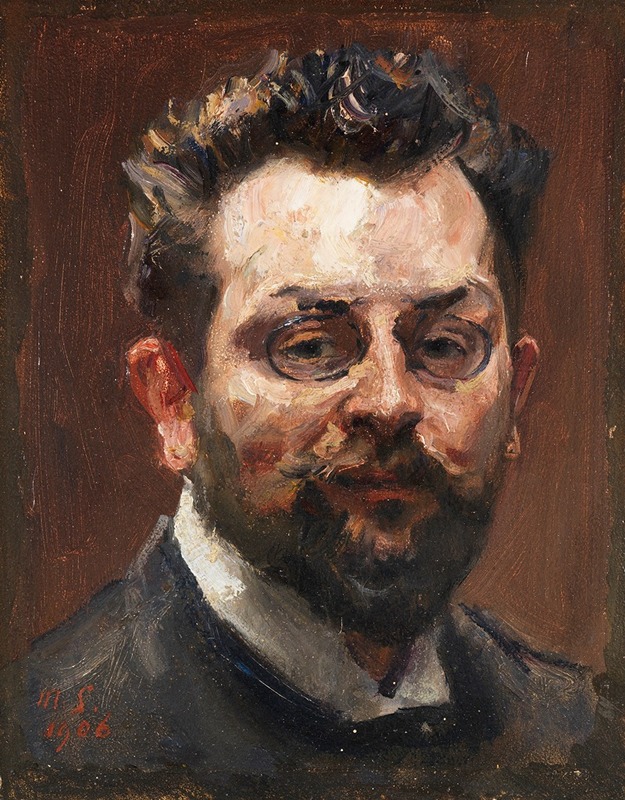
Selbstporträt
Max Slevogt
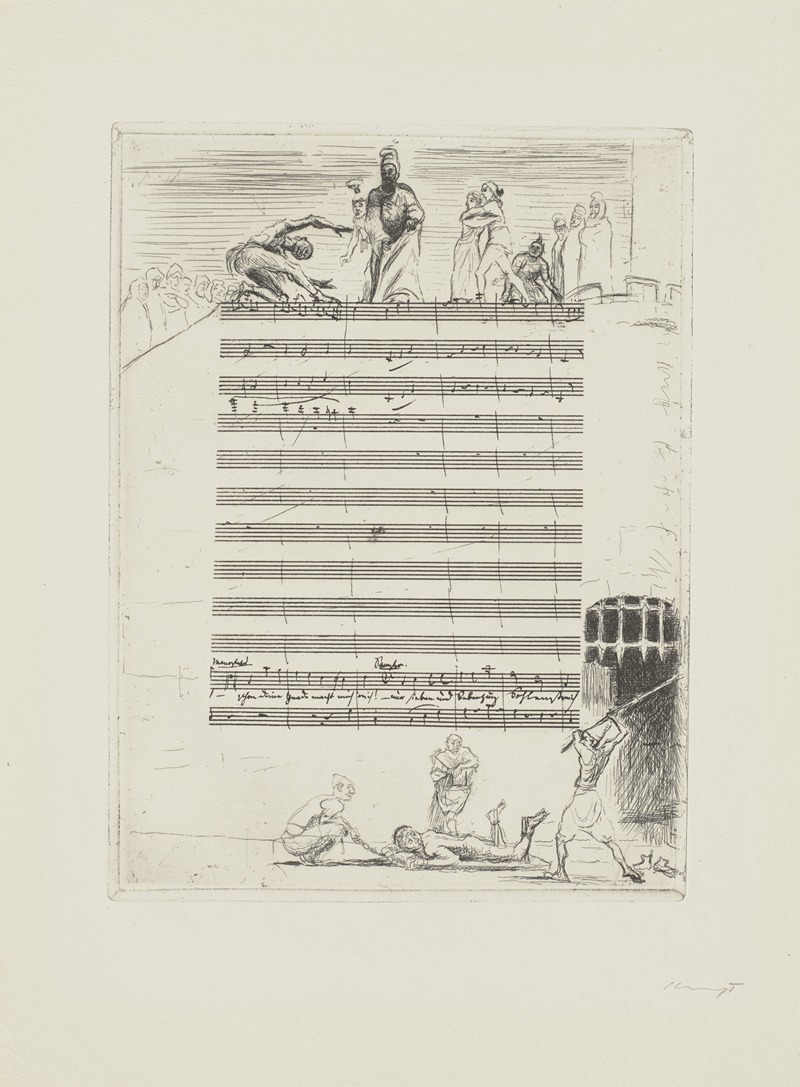
Schon deine Gnade macht mich reich
Max Slevogt
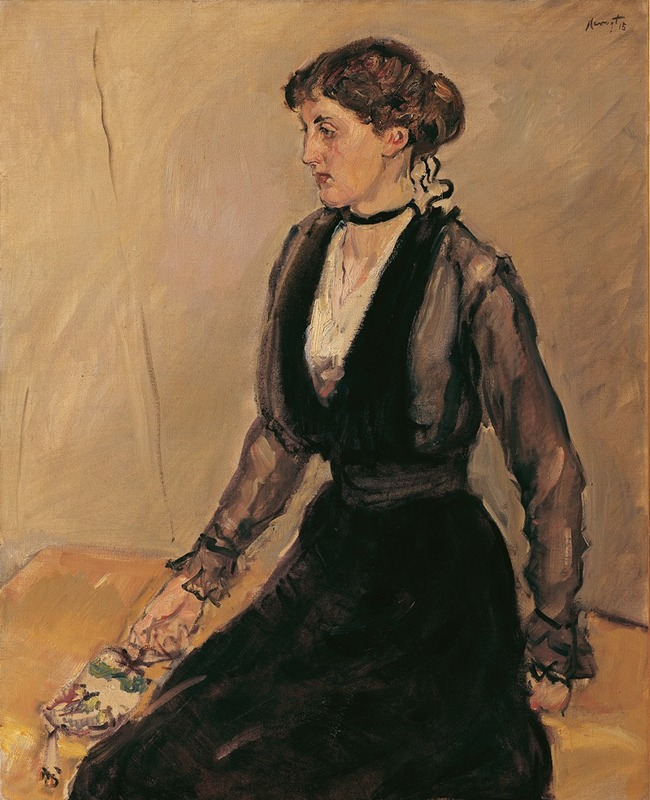
Fräulein Eva Steinbarth
Max Slevogt

Badende Knaben
Max Slevogt
More Allegory Art
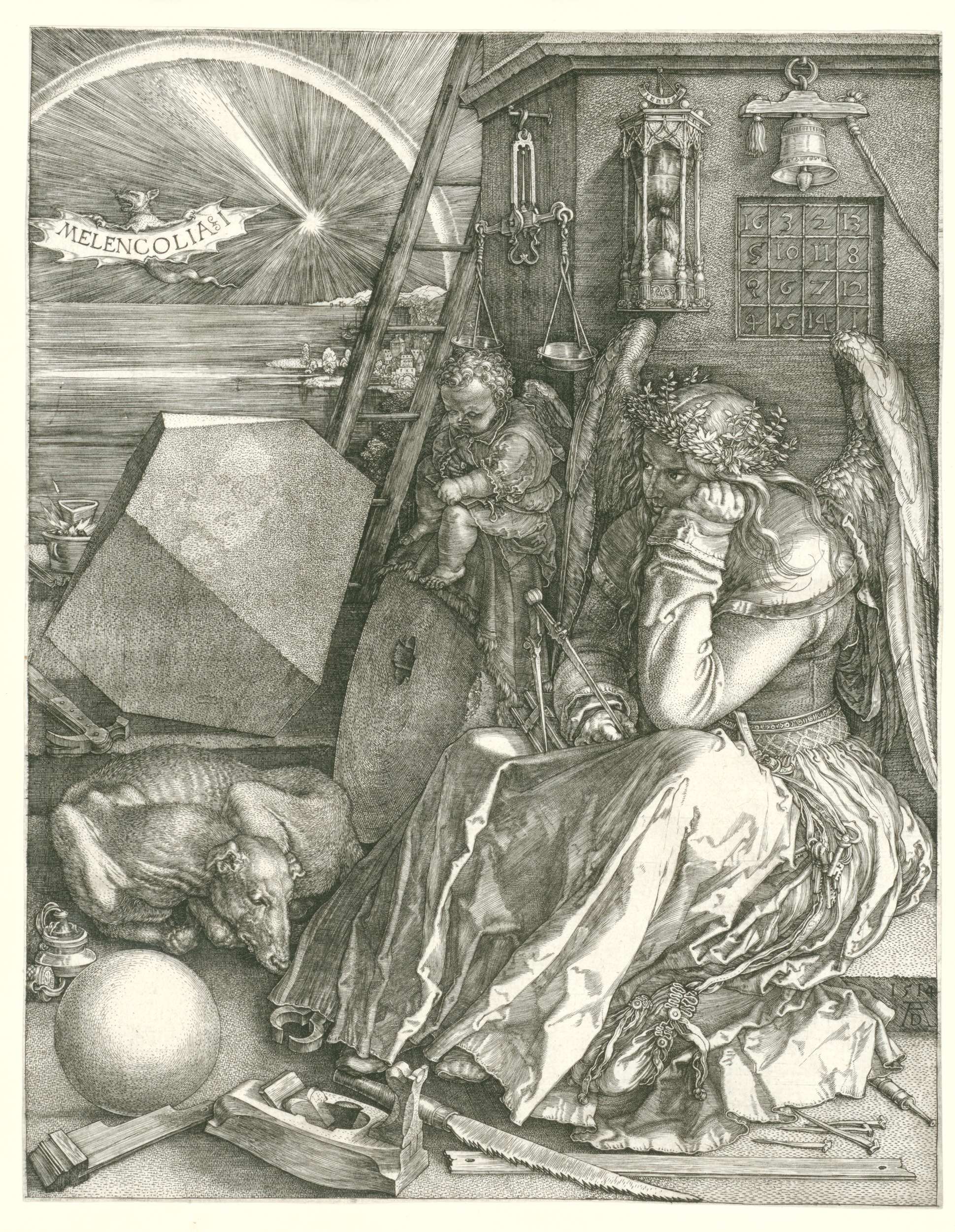
Melancholia
Albrecht Dürer
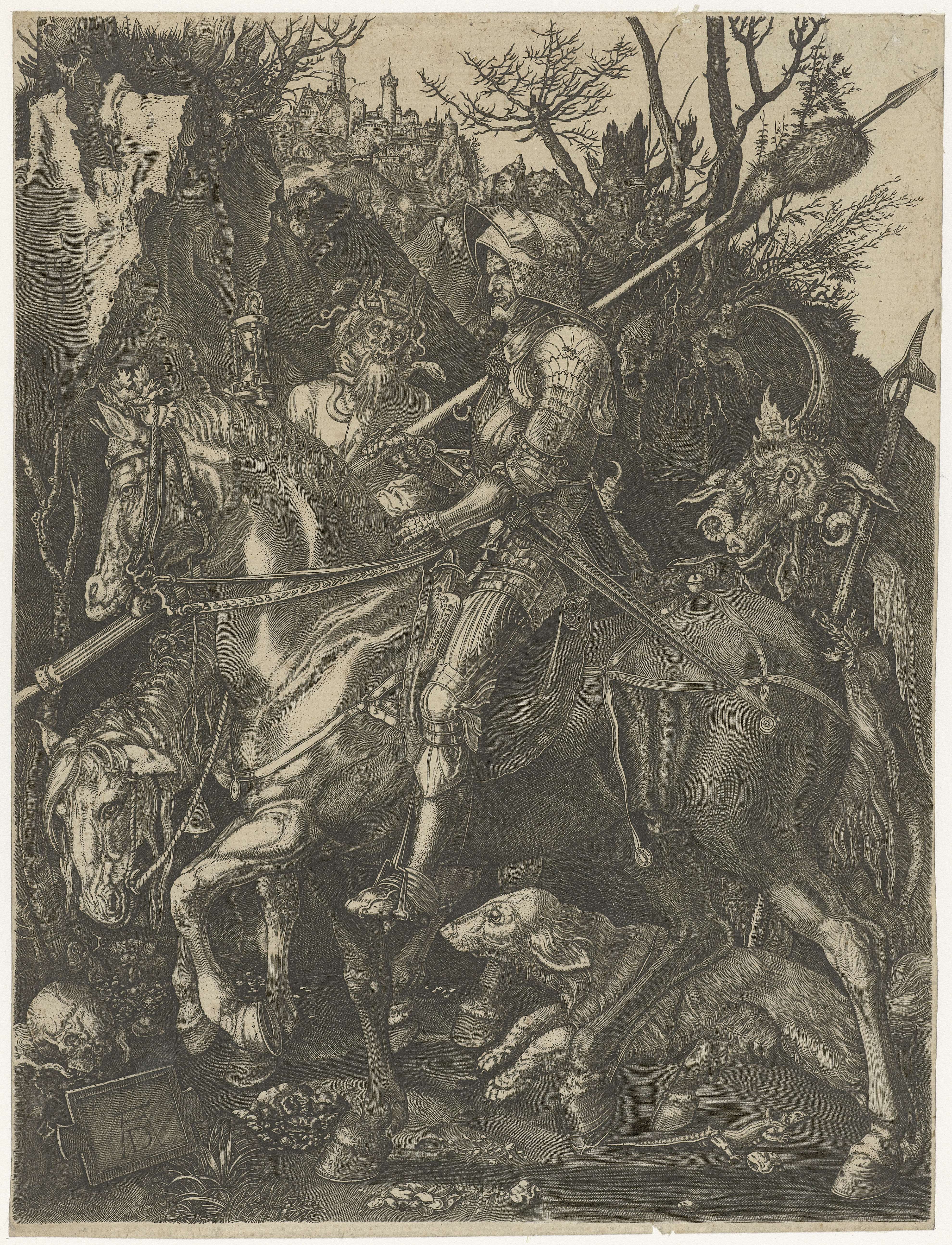
Ridder, Dood en Duivel
Unknown Artist
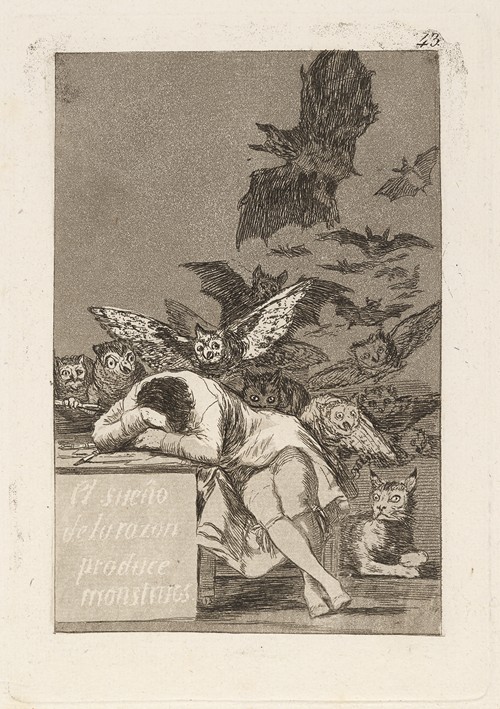
El sueño de la razon produce monstruos. (The sleep of reason produces monsters.)
Francisco de Goya
El sueño de la razon produce moustruos (Serie Caprichos)
Francisco de Goya
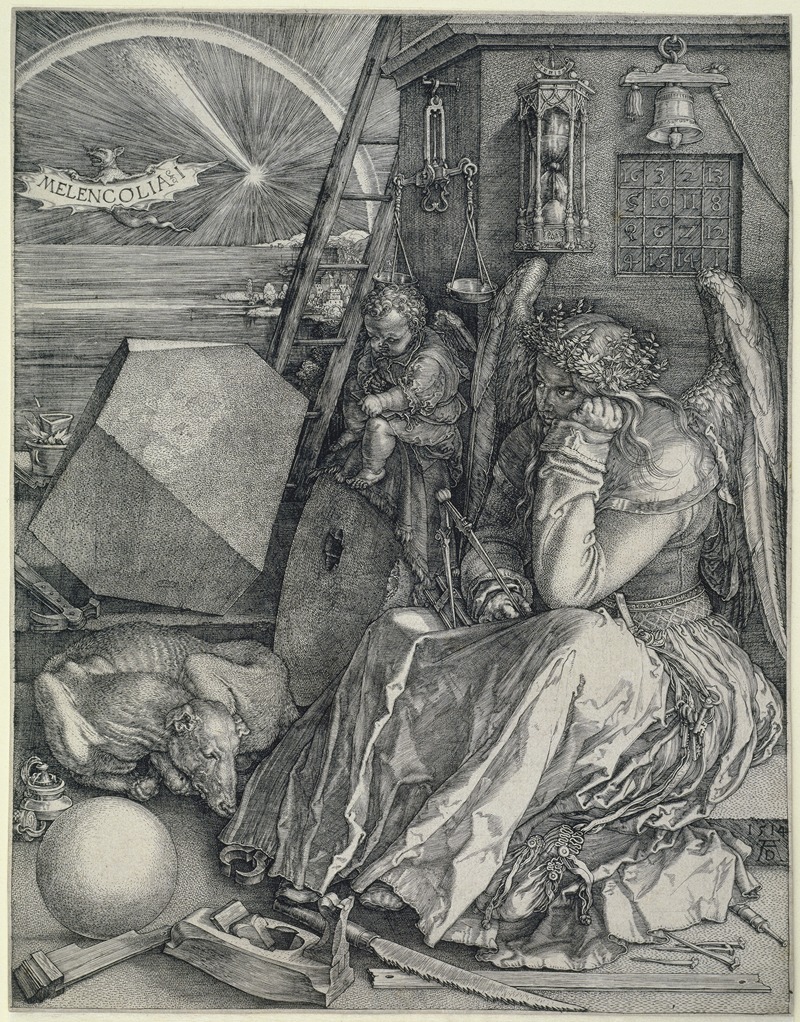
Melencolia I (The Melancholy)
Albrecht Dürer
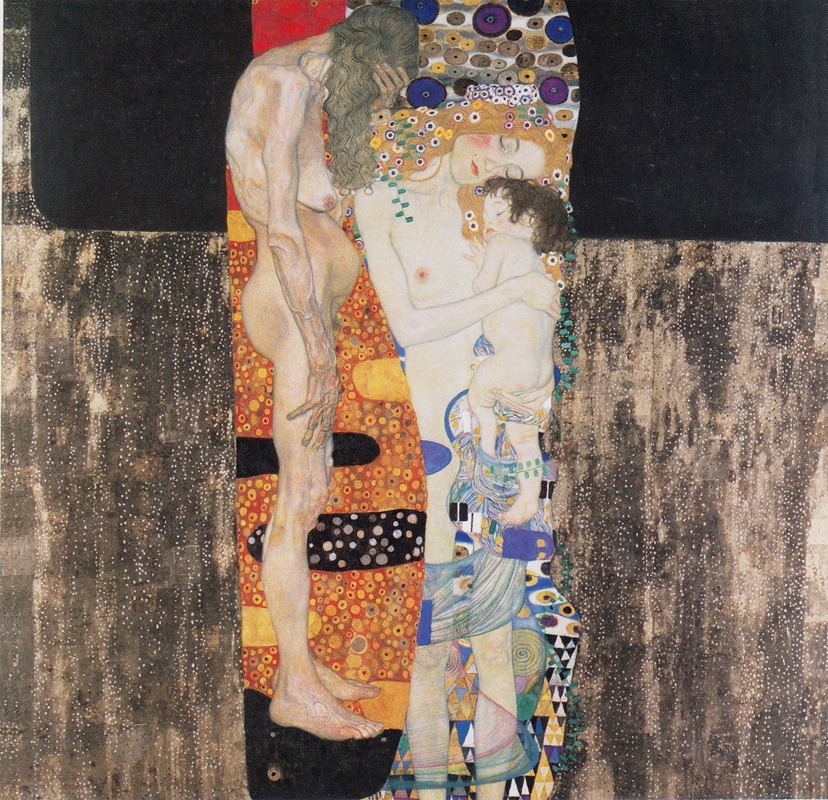
The Three Ages of the Woman
Gustav Klimt