Alpenfrühling — History & Facts
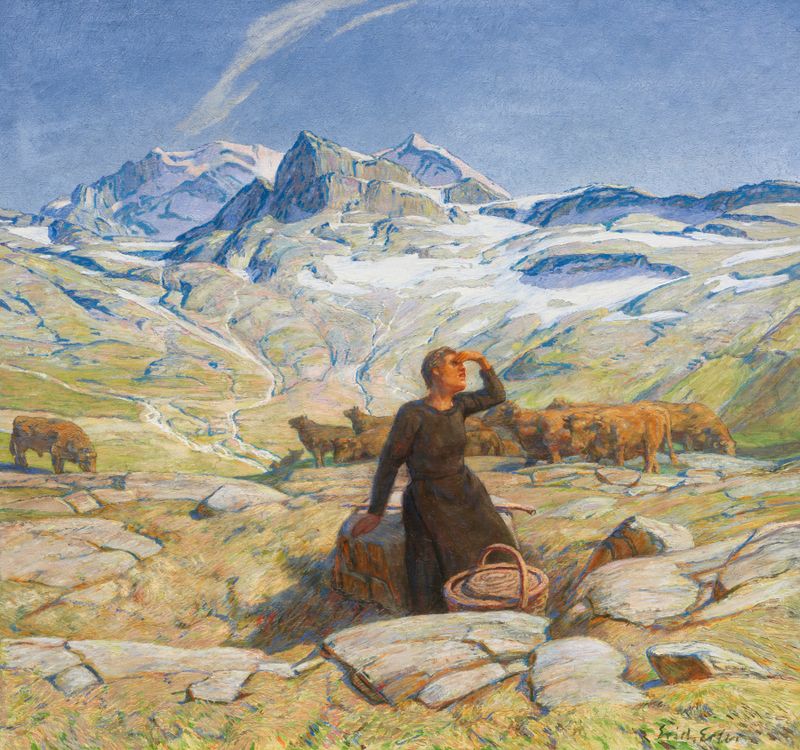
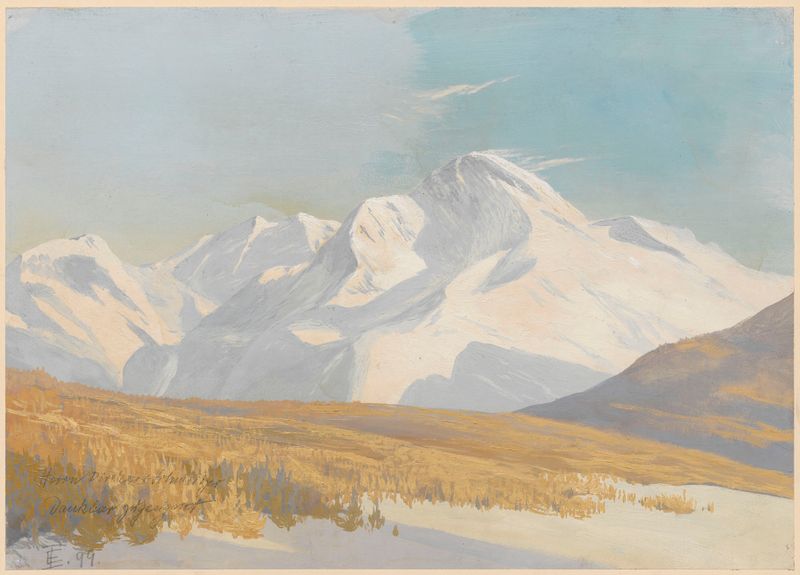
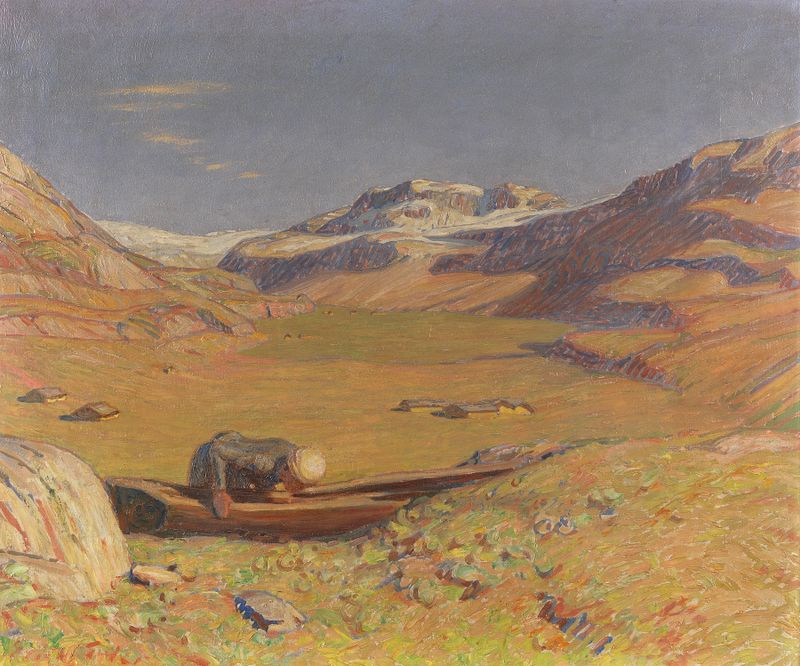
Did the painter know this moment would outlive them? The fleeting beauty of spring, a season that dances upon the cusp of life and decay, breathes through Erich Erler's work, inviting us into a world of movement and transformation. Focus on the vibrant greens and soft pastels that envelop the landscape, a symphony of color that draws the eye to the rolling hills. Notice how the light falls upon the blossoms, illuminating each petal with a gentle glow, while shadows play as if whispering secrets of the day. The brushwork is dynamic, capturing the very essence of growth and vitality, almost as if the flowers sway in an unseen breeze.
The composition beckons you to wander through this idyllic scene, feeling the warmth of the sun and the promise of renewal. As you take in the rich details, consider the interplay of stillness and movement—how the stillness of the distant mountains contrasts with the lively foreground. Each flower and blade of grass seems to embody a moment of joy, yet hints at the inevitable passage of time. This tension between ephemerality and permanence underscores the painting's resonance, reminding us of the beauty that exists even as it fades. Created between 1900 and 1920, this piece reflects Erich Erler’s immersion in the burgeoning expressionist movement in Germany, where artists sought to capture emotional truth and the essence of nature.
During this period, the world was undergoing significant changes, with turbulence in society and shifts in artistic paradigms. Erler's work speaks not just to a moment in the natural world, but to a deep understanding of life's transient beauty amidst the chaos of existence.