Sonniger Herbst — History & Facts
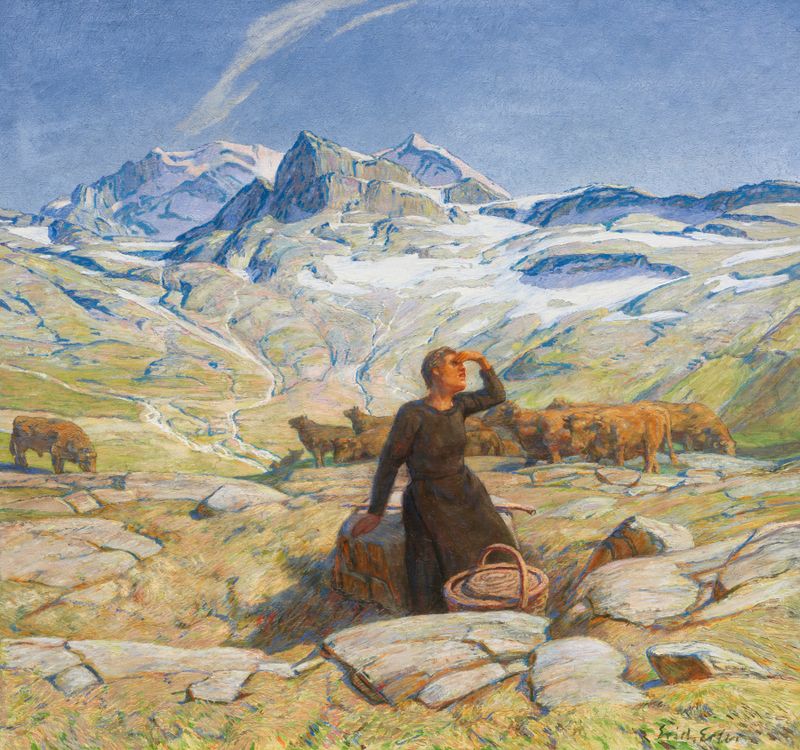
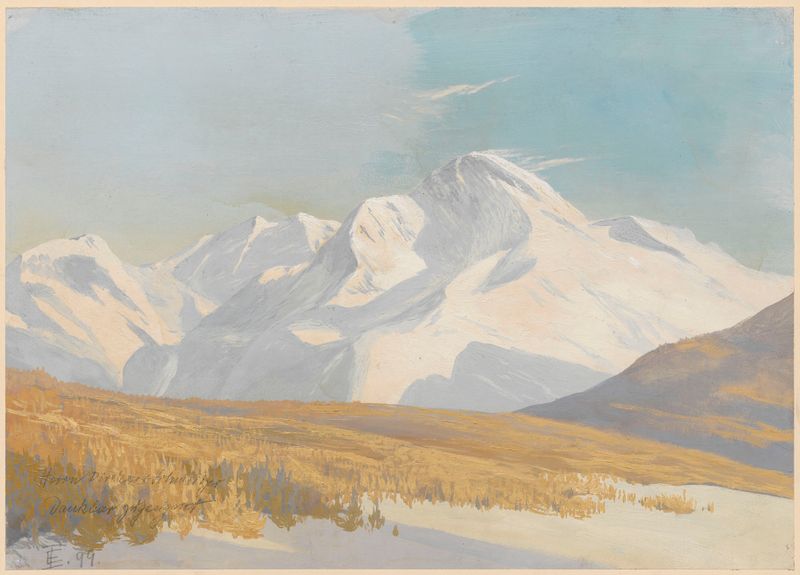
In Sonniger Herbst, the essence of fear hides beneath the surface of seemingly tranquil autumn hues, inviting us to look deeper into its layers. Begin your exploration by looking to the left, where vibrant strokes of gold and burnt orange dance together, embodying the fleeting beauty of fall. The composition’s balance is striking; the gentle curves of the landscape lead your eye toward a horizon tinged with whispers of impending change. Notice how the light seems to caress the trees, casting long shadows that evoke a sense of both warmth and an uneasy chill, hinting at the transition from life to dormancy. Within this idyllic scene lies a palpable tension, where the calm beauty of nature confronts the underlying anxiety of time's passage.
The juxtaposition of bright foliage against the encroaching gray sky subtly suggests an impending loss — a reminder that even the most beautiful moments are fleeting. Each brushstroke carries an emotional weight, speaking to the universal fear of change and the unknown that lies ahead. During the 1900s, Erich Erler painted Sonniger Herbst amid a world brimming with transformation, both in art and society. His work emerged from a period of intense experimentation with color and form, reflecting the broader movements of Modernism.
As a German artist navigating the turn of the century, Erler was influenced by the beauty and uncertainties of life, encapsulating his sentiments about nature and the human experience in this poignant portrayal of autumn’s embrace.